
Barn cats roam freely on the homestead and catch and eat mice, rats, squirrels, and snakes, and mine also nabs some sparrows. These barn birds make a huge mess with their white manure everywhere around the barn and homestead.
Unlike house cats, they prefer to hang out outdoors with minimal interaction with people, but if you train them, they will come to you, sit on your shoulder, and won’t leave the place.
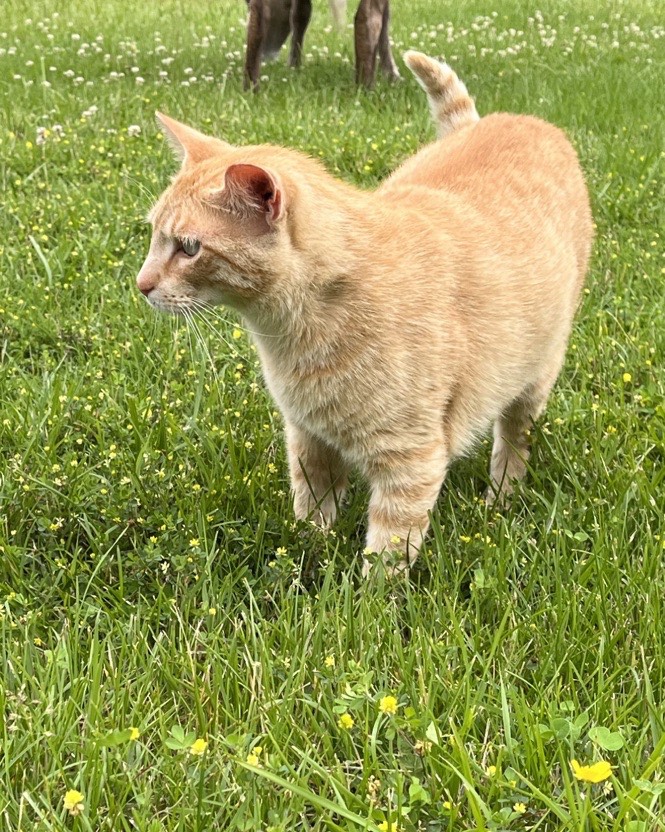
If you find your barn cats escaping or disappearing frequently, some predators are visiting your property, or you’re missing some basic facilities for them. Learn here how I keep my felines around.
1. Set Up a Secure, Comfortable Barn Cat Shelter Before Arrival
Before you get barn cats to your farm or homestead, you must have a shelter for them ready. If they can’t find a secure or comfortable one, they won’t stay there.
And it must be dry, draft-free, and protected from predators. If possible, keep their shelter elevated. Also, add straw for bedding and not hay. This way, your cats don’t need to struggle to find a shelter themselves.
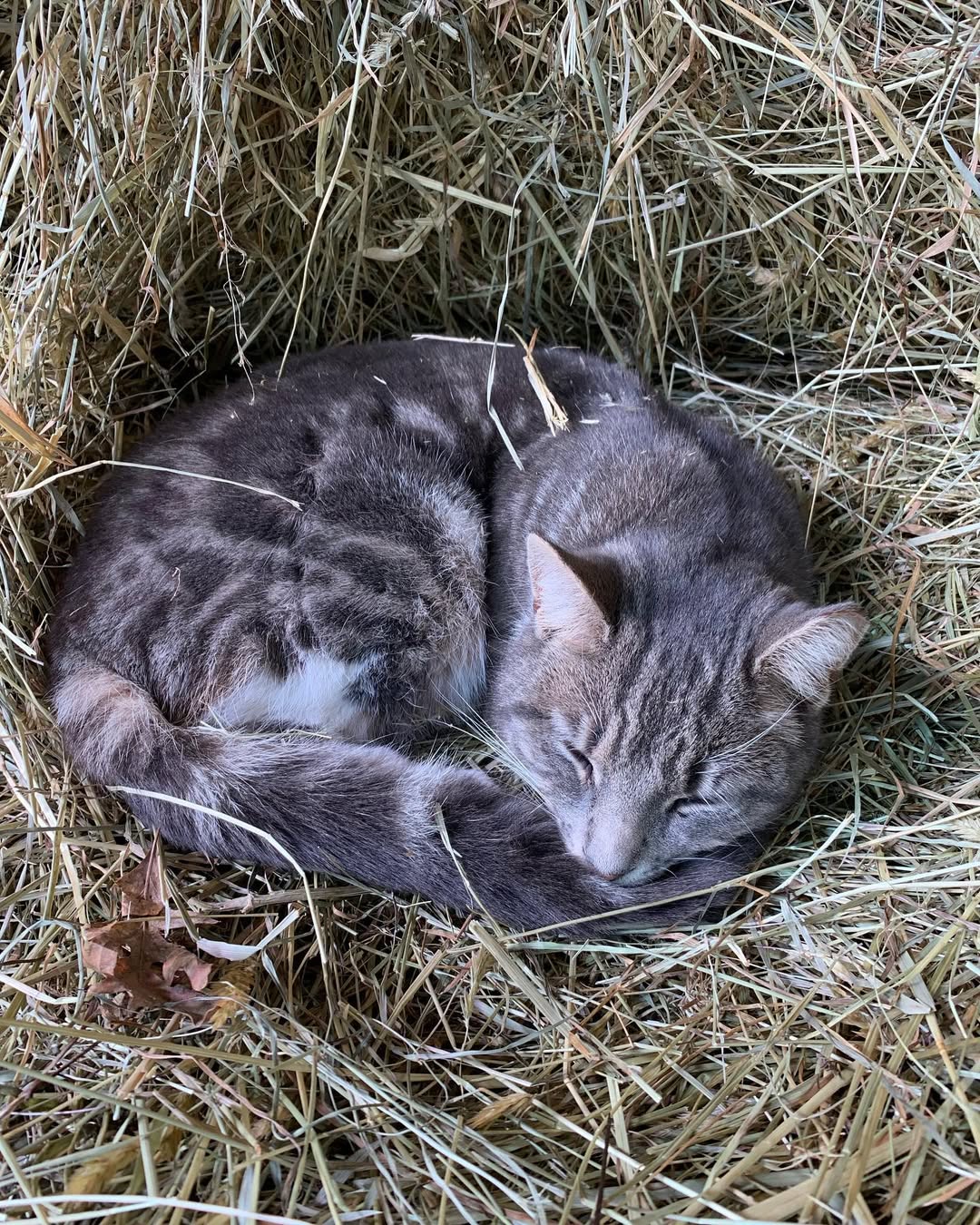
The tack room corner, insulated tote, and wooden cat house are some ideas you can get started on. A pair is nice to start with and to keep each other company, and to snuggle together if you live in a cold climate.
I find that spayed females don’t wander as often if you give them good food every day, warm places to sleep, and a secure place to hang out. My ladies stay close to the barn and often appear to greet me.
When the winter cold drops below freezing, I put out a carbon-film heating mat (mine is 48″ x 24″). Many owners seal their shelters with polythene wrap to prevent cold drafts and trap heat.
You can also install an insulated pet igloo or some cardboard boxes with clean shop towels on the heating mat for your cats. They are heat lovers and sleep well when they feel warm.
2. Confine New Barn Cats for 2–4 Weeks to Establish “Home”
Though cats are other livestock that enjoy confinement, it’s needed for training them. Proper acclimation not only helps animals avoid predators but also helps them learn the barn culture.
You can keep them in an escape-proof room, kennel, catio, or something similar. A large dog crate, an enclosed stall, or a small shed are also options.
The humane enclosure should be designed so they can see outside and learn what their territory looks like. During this period, provide daily feeding, water, and a litter box.
Feed the barn cats 3-4 times a day to get them used to you, but don’t leave the food in there for more than 2 hours.
You can keep new barn cats for 2 to 4 weeks, up to 6 weeks depending on their age.
3. Feed on a Strict Schedule in the Same Location Daily
After confinement, continue offering barn cats proper food regularly. The routine builds trust and location loyalty.
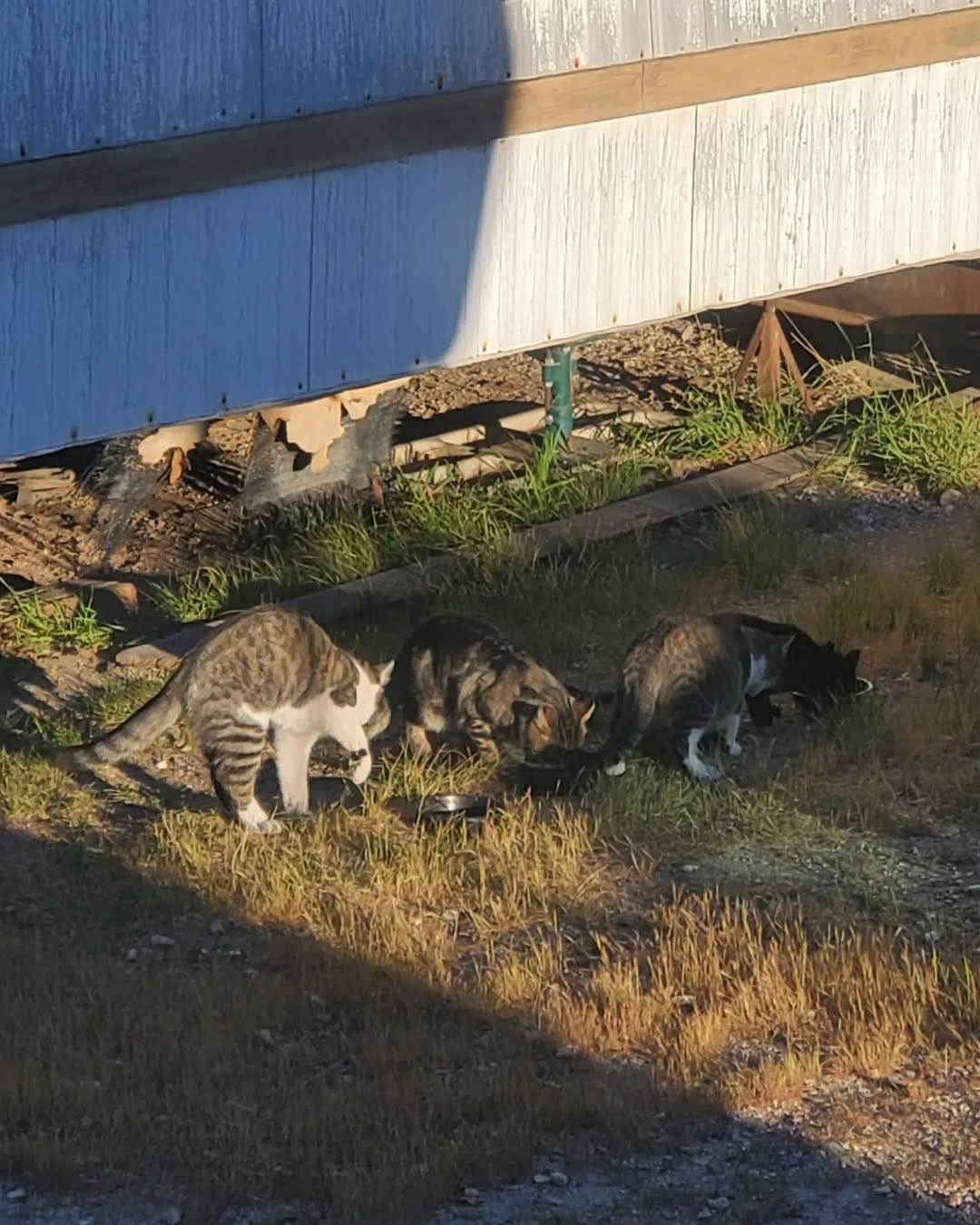
Feed your animals at an established time and place so they learn their mealtime and make that place their permanent home. This helps keep them coming back every day at the same time, no matter where they are.
Many people don’t recommend feeding barn cats, as they believe in a myth that feeding cats makes them lose their hunting instincts.
It’s true they don’t hunt for a few days due to relocation stress. Also, you may not see them around very often. Chances are high that they are hiding and exploring the potential in the barn or area.
But they won’t leave the immediate area when they are in an unfamiliar territory.
So, you should not stop feeding them if you don’t see them. Place the food inside or next to the shelter, and use the same bowls.
Feeding two times a day (morning and evening) is enough.
You have to do this until your barn cats have been hanging around for a few months. Then you can consider moving the food to a safer location.
4. Provide Quality Food
The food is only a tool you can use to train your cat. So, you need to provide them with wet food. It’s healthier (which has lower calories though) than dry food.
I also remember my grandma’s barn cats never being at slacking. They were some of the most spoiled outdoor cats, but Grandma made them a home of their own in her barn.
She fed the cats at the same time as the chickens. It was usual for me to spot her on the porch in the evening with the teacup in her hand and a cat in her lap.
Female cats are more likely to be around the home than males.
5. Use Familiar Scents to Anchor Your Barn Cat
This is a lesser-known tactic, but it’s highly quotable.
Kennies and felines have a strong sense of smell, which helps identify their utilities and territories. To help your barn cats develop a bond with a shelter or barn, use their bedding from their previous location.
Also, rubbing cloths (which they use or have fur) on shelter walls. Their litter can also be useful in making them feel the place their own. So, you need to avoid a thorough cleaning early on.
If you want to engage and train your cats, you can snap-trap a few rodents and cover them in salmon oil. This helps them get used to the rodents.
Reinforce them by giving them salmon oil and catnip every time they get one. If you have homestead or domestic birds, introduce them slowly and supervise.
Besides, you can build some small wooden boxes with an offset hole on the opposing side. The rats find it very easy to go through.
Place Jiffy Mix or instant mashed potatoes at the end. Pellets and smear peanut butter can be more effective.
6. Spay or Neuter Your Barn Cat Immediately
Roaming instincts are tied to hormones, so get your barn cats spayed or neutered, as females don’t need to shift their shelter very often with their kittens.
In other cases, mom cats don’t have a fixed shelter. You can notice them carrying their babies with their mouths and moving their location every few days to keep them safe from dogs, raccoons, and other predators.
Also, cats need not struggle for food and shelter in a controlled or stable cat population. Instead, they can grow more focused on hunting pests.
If cats are not spayed, females wander to find mates, and a few cats can multiply into hundreds within a few years. A single cat can give birth to 5 litters of kittens per year.
Also, keep your barn cats vaccinated. If you’re in a rural area and are lucky enough, the local animal shelter or farm vet may have kept barn cats for minimal or even no fee.
7. Make the Barn the Most Attractive Place to Stay
Do you know cats sleep for more than 15 hours? So, your barn cats are not lazy.
But you need to make sure their shelter is not boring and unsafe. They love warm spots to sleep, so you can make a wooden box or cat house with a plug-in heated bed mat.
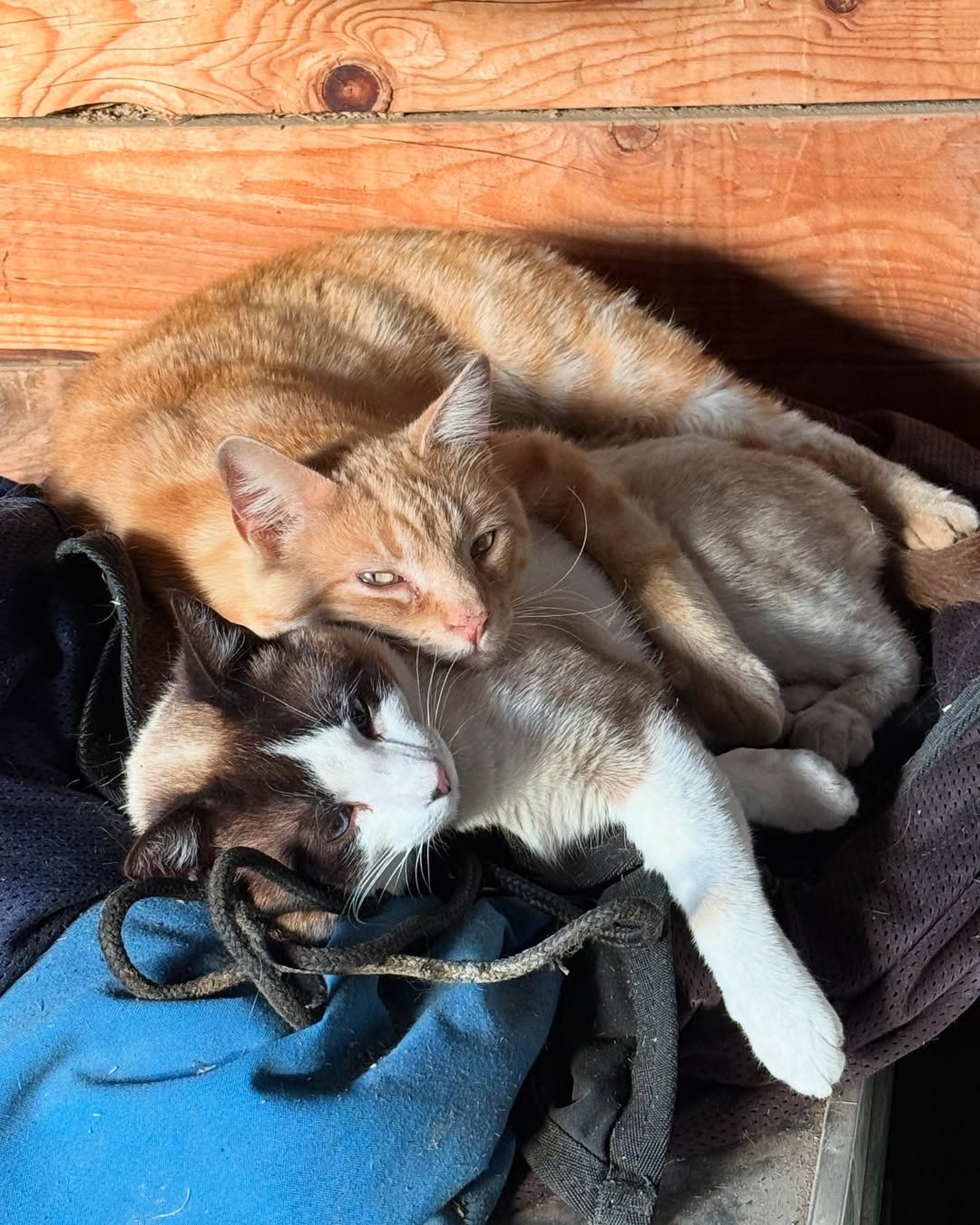
The box should have two cat-sized doors on opposite ends and one whole side that can be left open in summer.
You can also drape cloth over the small doorways to retain the heat in the colder months when the bed is plugged in. I suggest you keep a heavy blanket on top for the same reason if the cold worsens.
If possible, keep your cat house on the top of the barn fridge. Your felines can stay on top in the summer, and it can be a great perch to catch mice and birds.
You can also enhance environmental enrichment by adding hiding places and other safe perching spots.
8. Introduce New Barn Cats One at a Time
If you plan to expand your homestead or farm and want to add new members to the barn cat family, you need to introduce only one at a time.
It’s because of territorial stress, and when you release multiple cats together at once, the chances are high that they can flee.
For an acreage, a single adult cat may be enough, but that depends on pest infestation levels. If you lodge only a few feed bags and bins, you don’t need an extra cat.
Many keepers don’t suggest keeping kittens, as they are semi-feral and hard to deal with until they grow up and show how much they can handle every day.
Barn cats need to be excellent workers on a homestead or farm and should be busy most of the day catching mice and other pests. You must have seen them scurrying and walking around the rafters.
9. Reduce Predators and Threats Around the Barn
The barn cats don’t damage the local wildlife much in rural areas. They can only become a problem in a region that doesn’t host their analog.
But you can see raccoons, coyotes, bobcats, foxes, and others in the United States, which can hunt barn cats instead.
Besides, stray dogs and owls are also possible threats to them. If your homestead is close to the road, they might get run over while crossing.
So, you need to provide your cats with access to a night shelter. Make it predator-proof (install a predator-proof fence), and an ideal place with enough feed and water.
Install motion lights if your area has lots of predators and visit your homestead frequently. Not to mention, but don’t forget closing barn doors partially at night.
You can also take some inspiration from some ways that help you protect your chickens from predators.
10. Build Trust Through Quiet, Consistent Human Presence
I know barn cats are not like indoor or house cats, so I don’t expect them to be friendly. If it’s an adult, it’s become harder for you to get around.
Though barn cats don’t need affection, they need predictability when they see you.
So, you need to make a bond while training them. Speak in your calm voice during feeding and watering.
Don’t chase or force contact with them. This can worsen your relationship with the cat. Sit nearby them occasionally to give a sign that you’re not going to harm them.
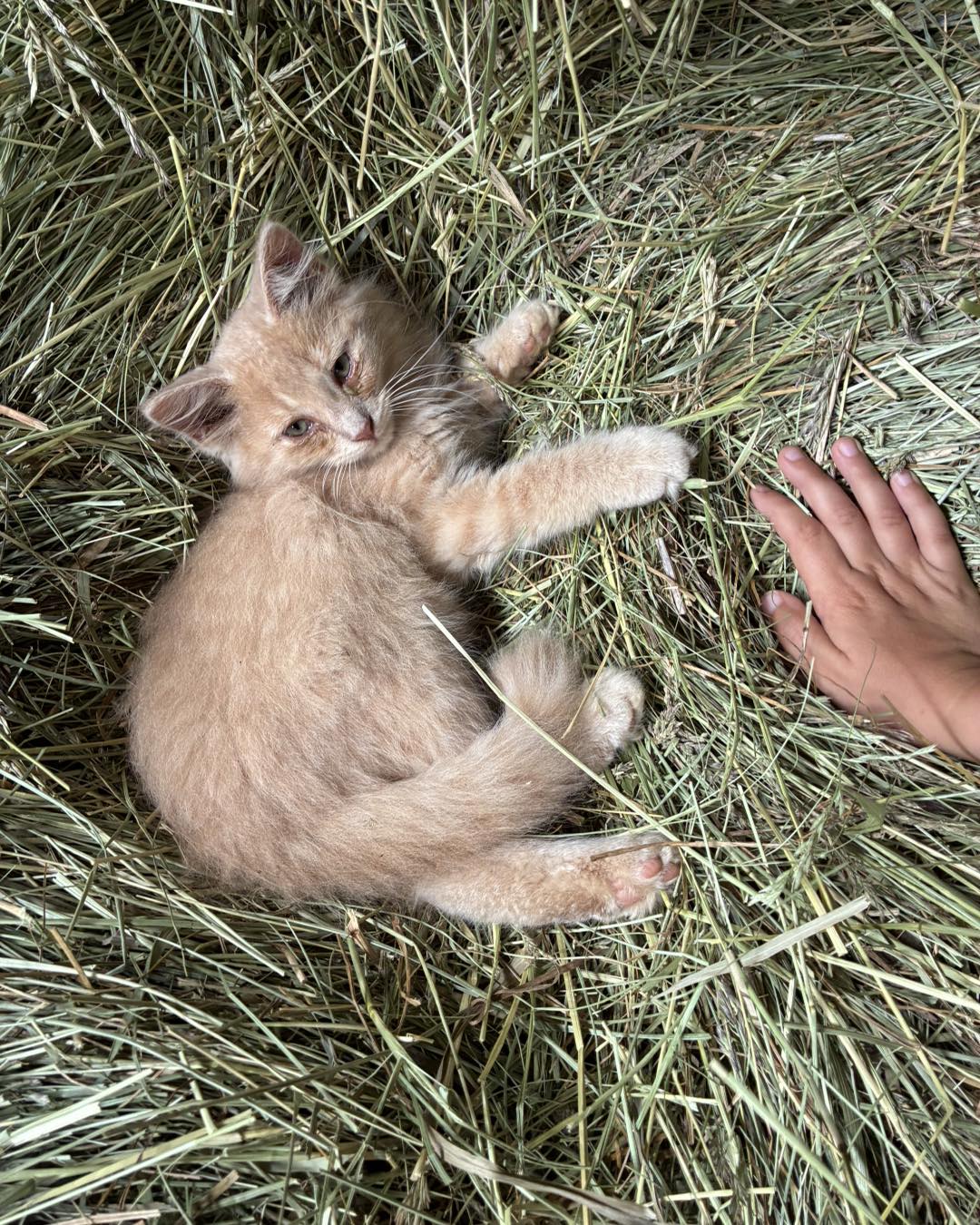
Over time, your barn cats reduce their aggression toward you and visitors, staying only in the area around nice livestock and people.
Final Thoughts
Cats can hunt anything smaller than they are, such as mice, rats, moles, voles, chipmunks, snakes, lizards, and rabbits, and some large insects.
They have several benefits to be on your farm and homestead, but you need to make sure they don’t hurt your other livestock.
Many owners complain that barn cat urine can cause miscarriage in sheep. The herds can develop serious health issues if they eat hay that has been left with cat feces on it. So, you need to watch their bathroom and clean up their waste and manure.






Leave a Reply