I had my grandparents, who lived on a homestead, and I got there frequently on vacation, only to see some strawberry patches. So, it’s easier for me to grow my own vegetable garden.
When starting a homestead, everything is attractive but confusing at the same time.
Whether you’ve ⅛, ¼, 1/2, 1 acre, or more of land, I have tried to cover all backyard homestead ideas in this post.
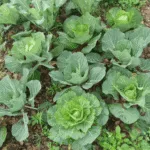
1. Start a Backyard Vegetable Garden
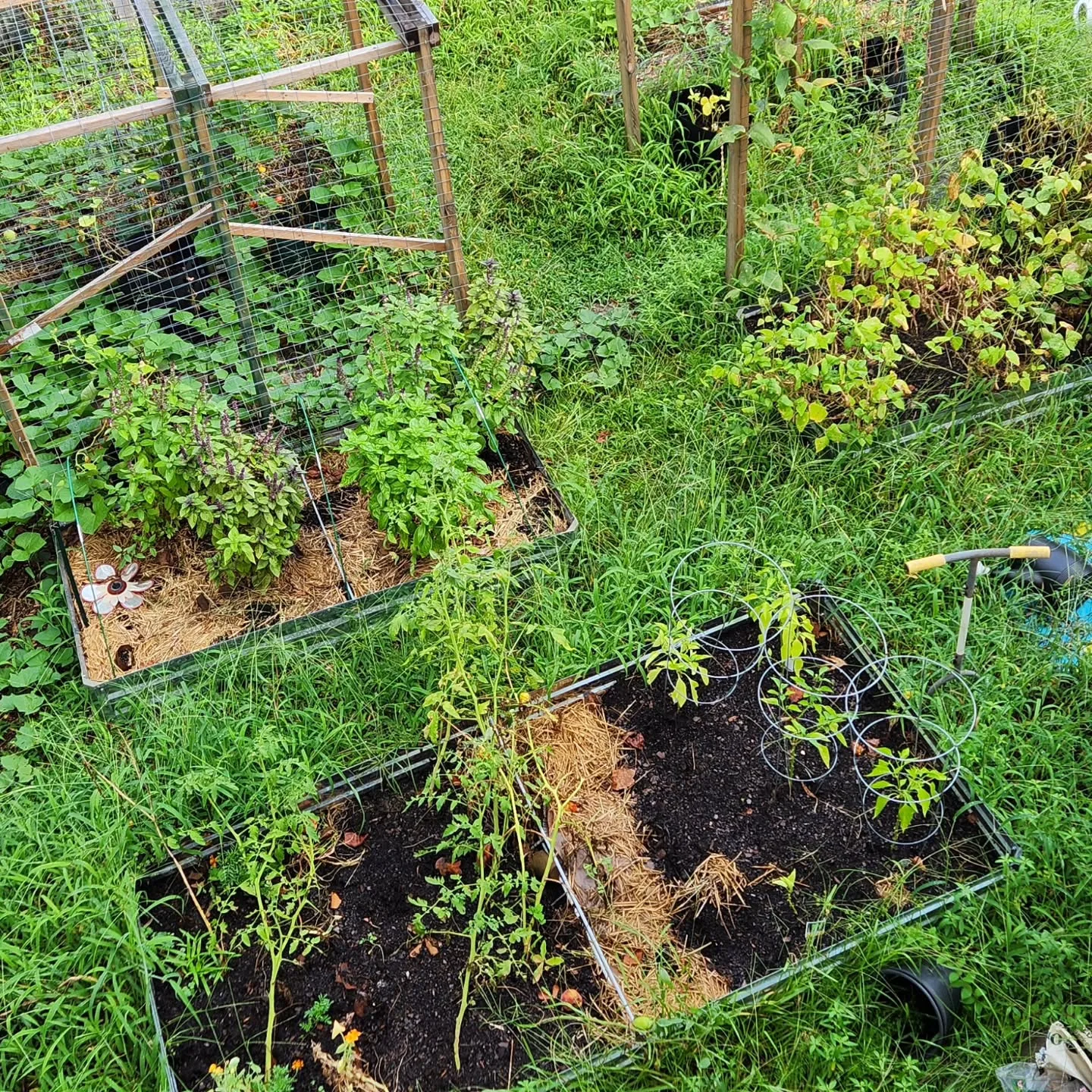
I recommend you start with a small garden and go with easy-to-grow crops. I had huge success with tomatoes, squash, and cucumbers, but onions and brassicas didn’t do well in the first year.
But that could be my soil, so you need to test your soil and decide which to grow.
If you have a backyard with a sloped surface, it’s great for drainage and helps a lot in the tropics or during the rainy season. Make sure you build rows at a diagonal to the slope to direct water flow and aid percolation.
To begin, you can build some raised beds on the ground. I had one large (4×12), four tiny beds (4×8). If you don’t have a small space, you can still grow your vegetables in a container or vertical setups.
My grandma said, “vines and trellises in the summer and roots in the winter.” But you can also add some eggplants, peppers, greens, and herbs in both seasons.
I like tomatoes, cucumbers, zucchini, squash, and string beans on warm days, and radishes, carrots, beets, peas, lettuce, cabbage, kale, Brussels sprouts, and spinach on cold days.
You can rotate these crops based on your hardiness zones and season.
2. Raise Backyard Chickens for Meat and Eggs
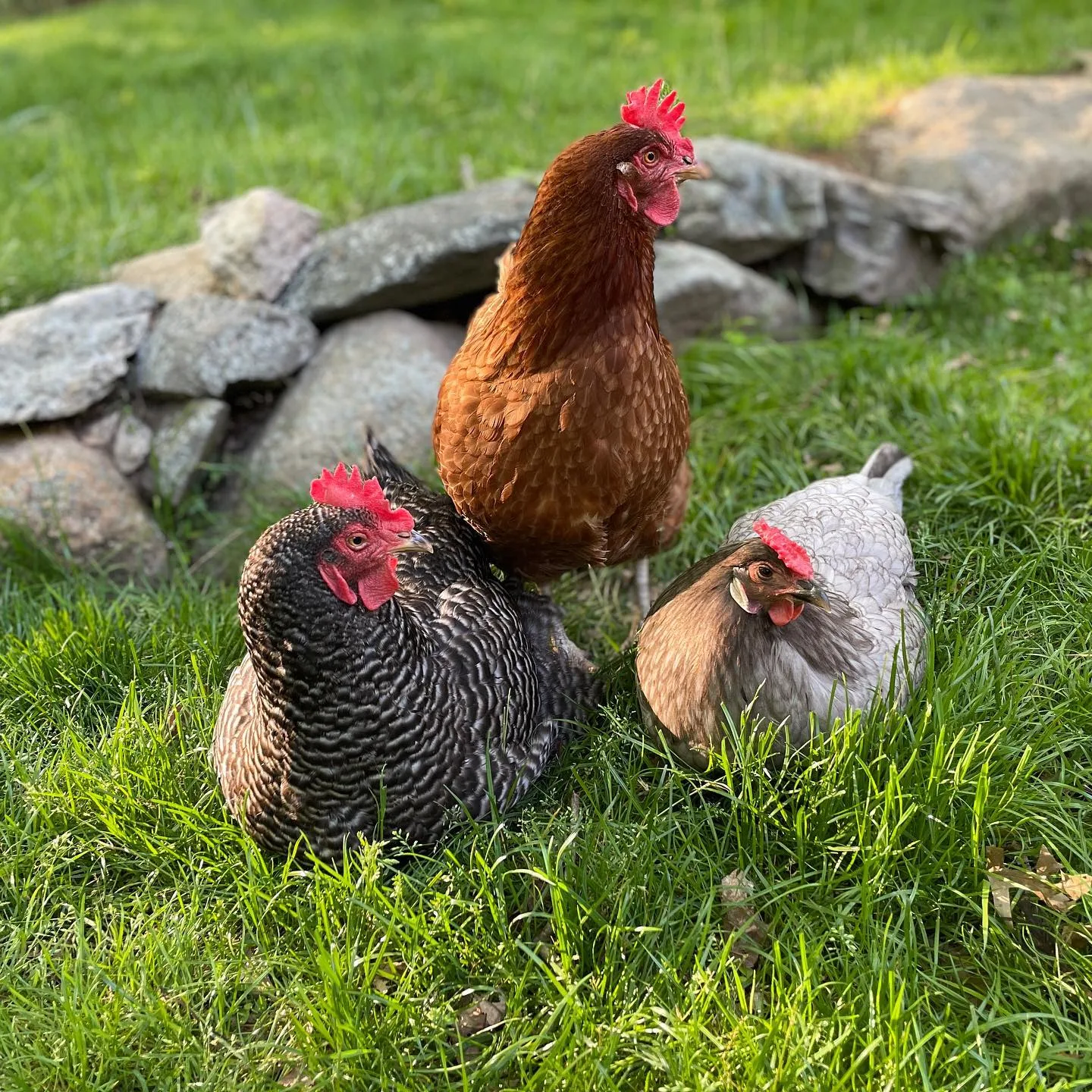
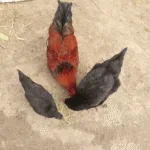
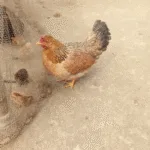
Chickens are the easiest gateway livestock for homesteaders. You can easily take care of 3-6 backyard chickens.
If you start with chicks, you’ll need a brooder with a heat lamp, a heat bulb, and bedding. Then, you have to transmit to the chicken coop, which needs to be predator-proof and have enough ventilation during summer and draft-free in the winter.
Besides, your birds need a chicken run. If not, they’ll roam around your backyard or access your house. There, you have to keep your chickens off your porch.
When selecting a breed, choose based on your homestead needs. If you want to raise chickens for meat, broiler breeds are best for you.
The best egg layers include Leghorns, Isa Browns, and Amberlinks. If you want both meat and eggs, select dual-purpose breeds such as Rhode Island Red, Barred Rocks, and Black Australorps.
For better yield, you can have hybrid chicken breeds. If you want to continue raising the chickens our ancestors raised, you can simply go with heritage chickens.
3. Build a Compost System
You can compost lots of things, such as perennial weeds, blighted plants, animal manure, kitchen scraps, and any waste that decomposes.
So, you can turn garden debris, junk, as well as household trash and garbage into organic fertilizer for your backyard crops.
To begin, you will need compost bins, tumblers, or pallet setups.
The common way to start is with a 3-bay pallet system, so you can hold the waste pile with wire and move the pallets when needed.
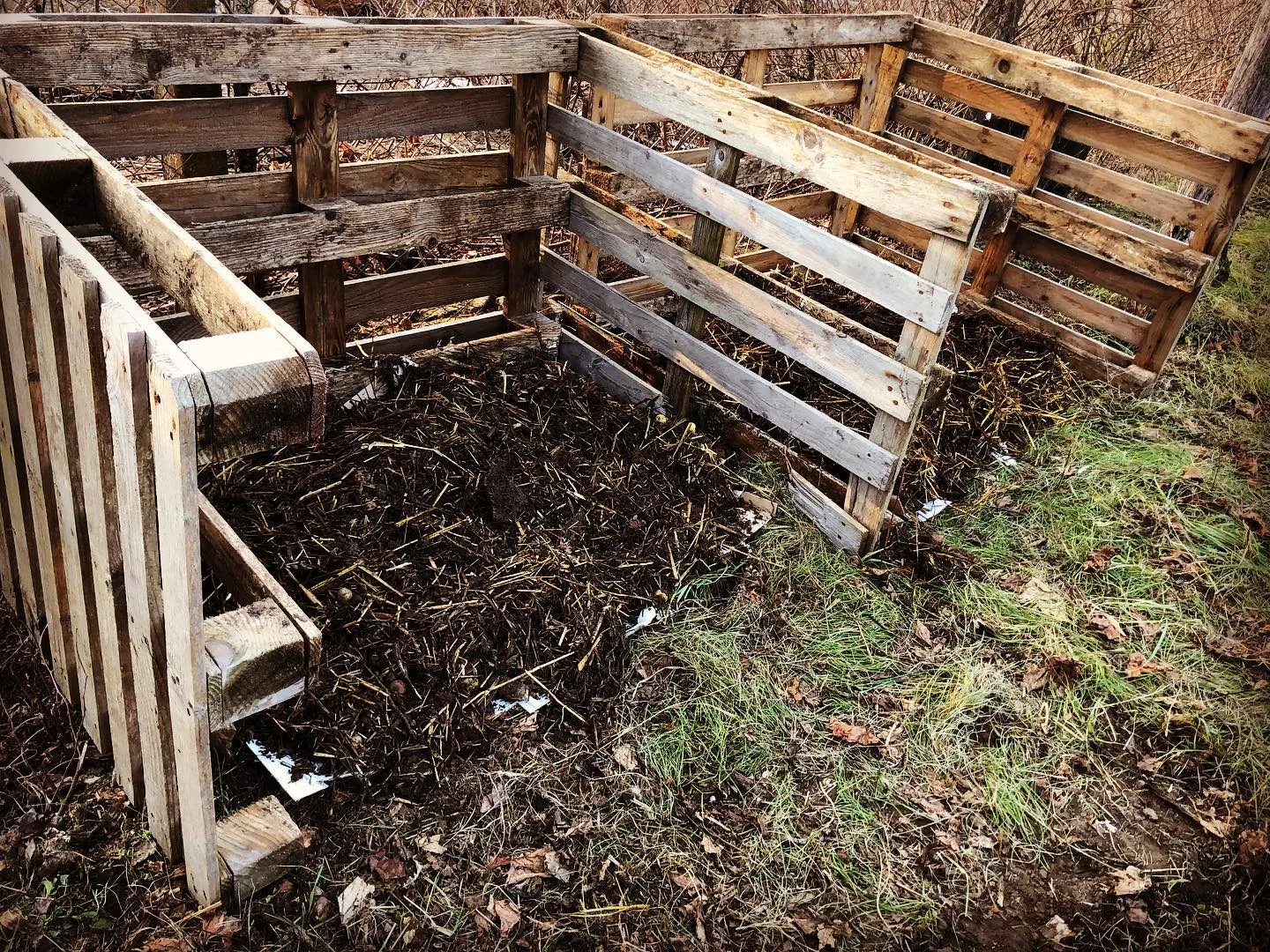
First, fill the first bay, and when it is full, start filling the third bay. When that is full, you have to turn bay 1 into bay 2.
Then, begin filling bay 1 again. If that is also full, you can turn bay 3 into bay 2 and start refilling bay 3 again.
By the time that is full, you need to complete bay 2, and you have lots of nice compost to spread, and then you can repeat.
What is good about this setup is that you have to turn the pile only once.
As the waste pile decomposes, the volume reduces. When I think of a three-pallet setup, 1200×1000 mm, the first bay would be 1400 mm, the second 1000 mm, and the third 800 mm.
Spread the wood chips, dry leaves, garden weeds, and fresh manure into their own piles to mature before you add to your main compost piles.
4. Start a Herb Spiral or Container Herb Garden
Herb gardens not only are great for your kitchen but also help in several ways for your homestead animals.
If you are in an urban area and have only a little space, you can grow herbs in pots and move them outdoors on your deck when the weather is nice.
In winter, you can bring them indoors to protect them from frost. They grow more slowly in the cold months, but they should be fine as long as you water them.
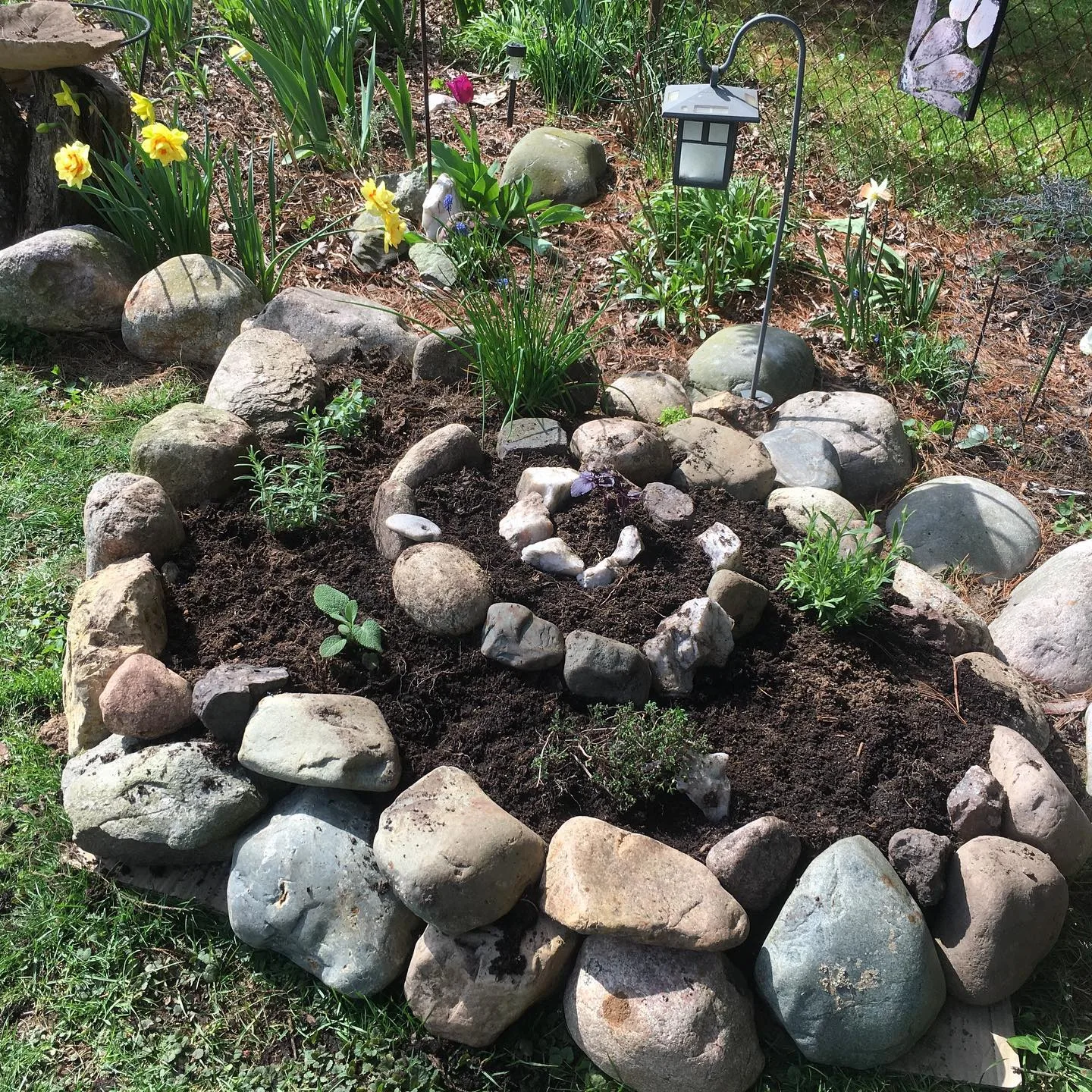
If you want to grow your herbs in the ground in the backyard, a 4′ x 4′ setup is a great way to start.
Some perennials that are cold-resistant and grow year-round include rosemary, lavender, thyme, oregano, marjoram, sage, and chives.
If you’re in the warmer zone, you may need some perennials such as mint, tarragon, and lovage.
Remember, some herbs, including basil, cilantro, dill, etc, are annual herbs, so you need to grow them every year.
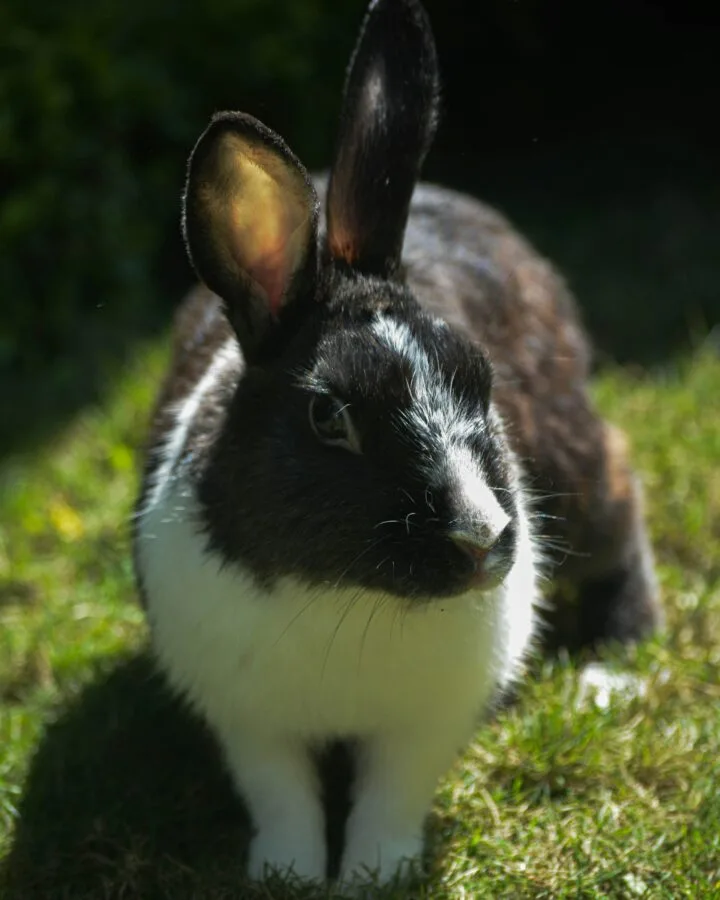
5. Keep a Few Meat Rabbits
I love raising meat rabbits. They are cute, grow faster, and have a good feed conversion ratio and a good bone-to-meat ratio.
They’re 4-5 lbs for market weight, in between 10 and 12 weeks. But you can also process your animals in 8 weeks when they’re 2.5 to 3 lbs.
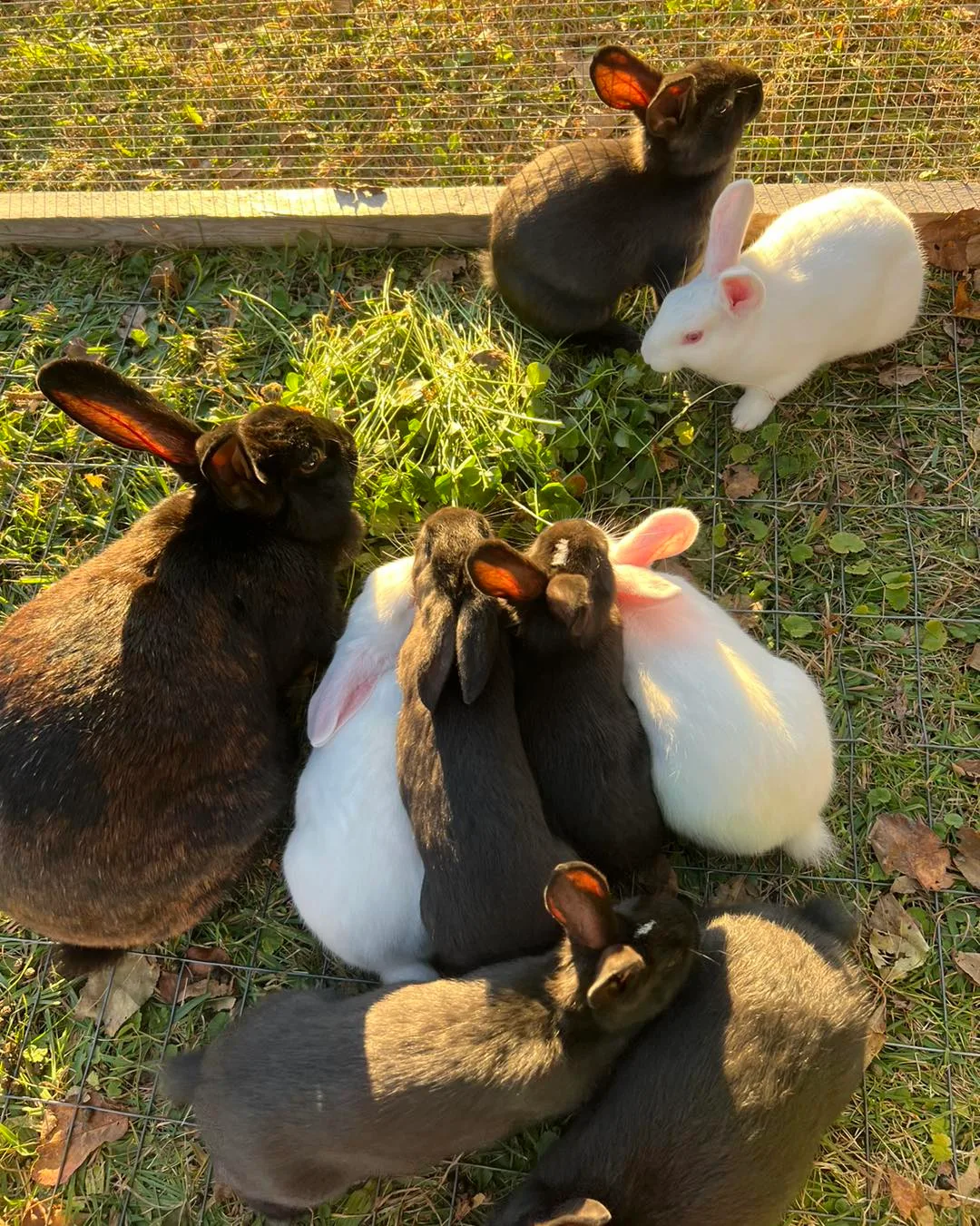
They taste delicious and are easier to harvest than chickens.
Also, they’re quiet and space-efficient livestock. They don’t make a fuss if you give them a cage or a hatch with a space of 3 square feet per adult animal.
If you have a small cage, you can start with 1 buck and 2 does. But you can increase the number based on your requirement.
Rabbits are very active breeders, so try to breed your does in ar least pairs if you don’t want them more.
Besides, rabbit manure makes excellent fertilizer for your backyard garden.
Do you want to know how profitable raising meat rabbits is?
6. Create a Backyard Beehive or Mason Bee Hotel
While honey bees live in the colony, have orange and tan stripes and carry pollen on their hind legs, mansion bees are metallic blue-black in color and live solitary and carry pollen on their abdomens.
These insects help pollinate crops in the backyard garden, and you can harvest a sufficient yield. Especially, mason bees are great in this.
If you want honey, you need a bee colony to create a hive. They have a queen that directs the whole population in the colony. They take about a month to build a hive.
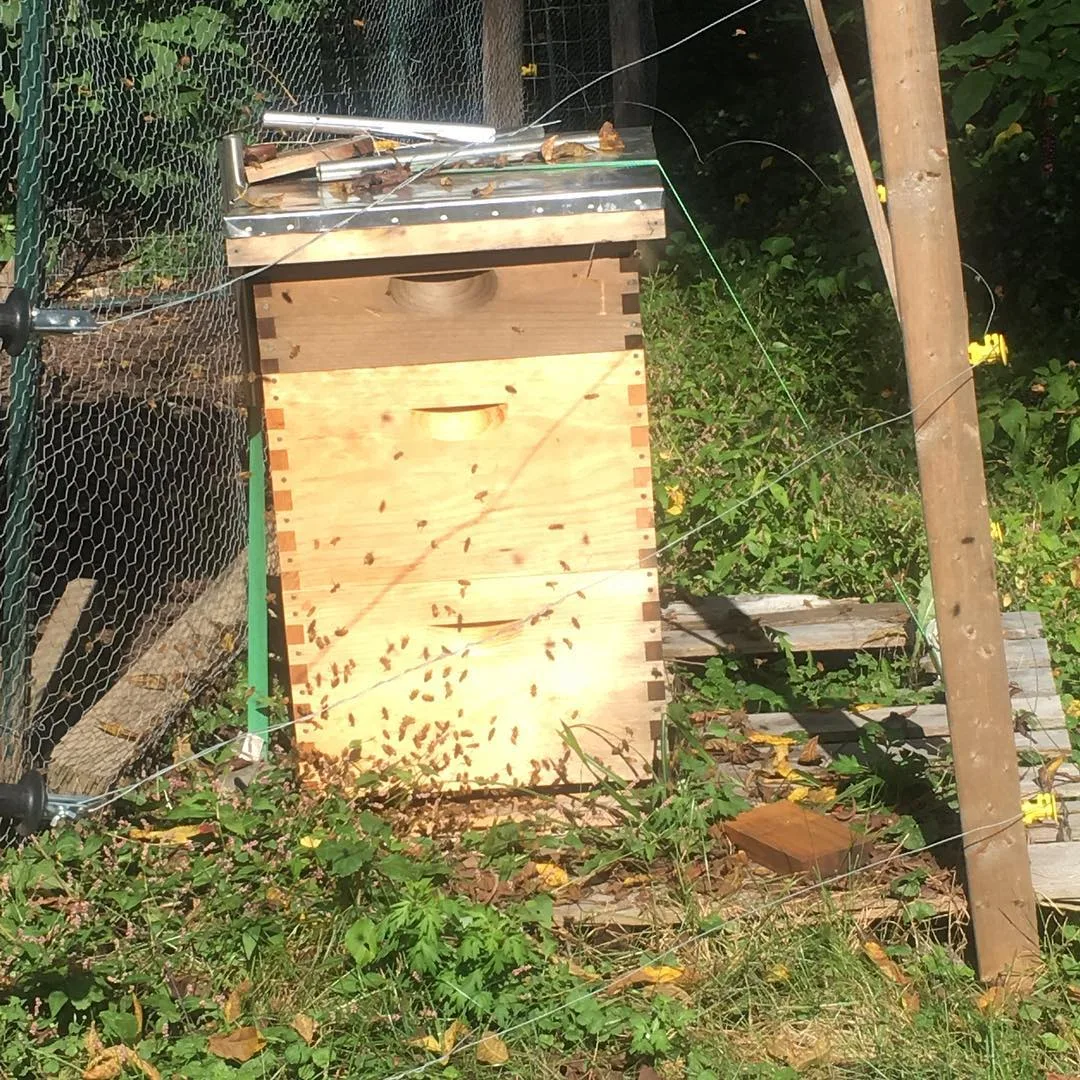
For this, you may need a hive setup that includes a bottom board, brood boxes, honey supers, and inner and outer covers.
And then, they go around 3 miles or more away to forage for nectar. So it’s better to beekeep in the suburbs, in deserts, in forests.
If it’s a new beehive, they take around 4 to 6 months to generate honey, or sometimes up to 12 months.
That depends on the strength of the colony, the local climate, and nectar flow. Once the nectar is available, bees can produce a full super of capped honey within a few weeks in optimal conditions.
Don’t worry, you can stand 5 feet from the front of your honey hive and move within about 12 feet of the hive.
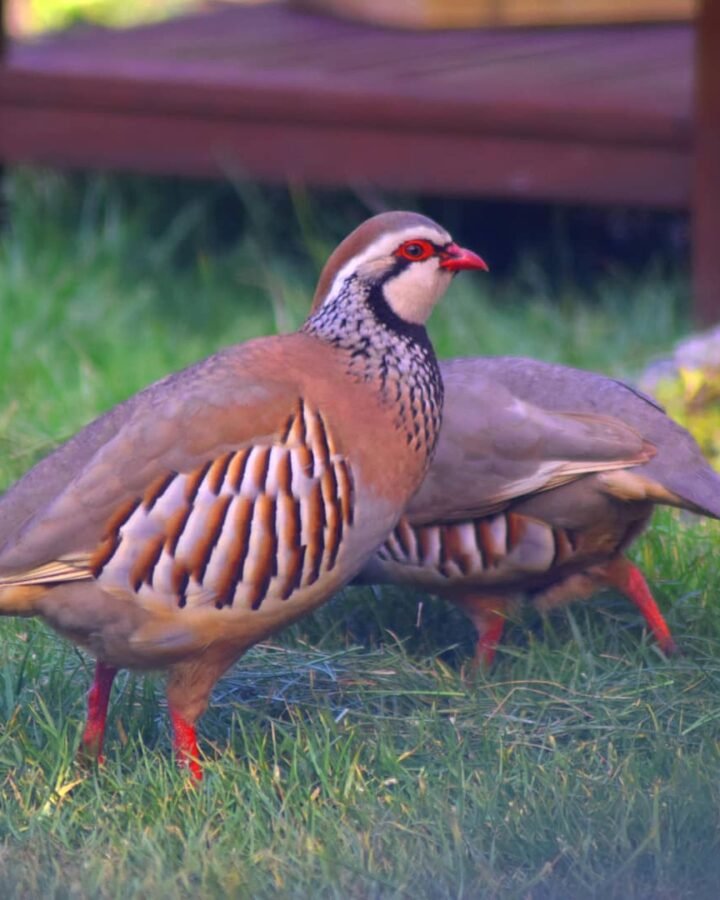
7. Raise Quail for Eggs and Meat
Want some game birds on a backyard homestead?
You can get quails that are smaller than most bantam-sized chickens. Many doubt if they’re even good for any by their size, but they’re laying machines.
The birds can produce more than 300 eggs in a year. As their eggs are small, you need 3 – 5 eggs to equal a chicken omelette.
They also produce dark, juicy meat, but you may need to process more than one bird for a meal if you’re many or in a group.
You can start with quail breeds like Coturnix, Bobwhite, and jumbo brown quail. They’re tiny birds, so you want to raise them in the aviary pens and cages.
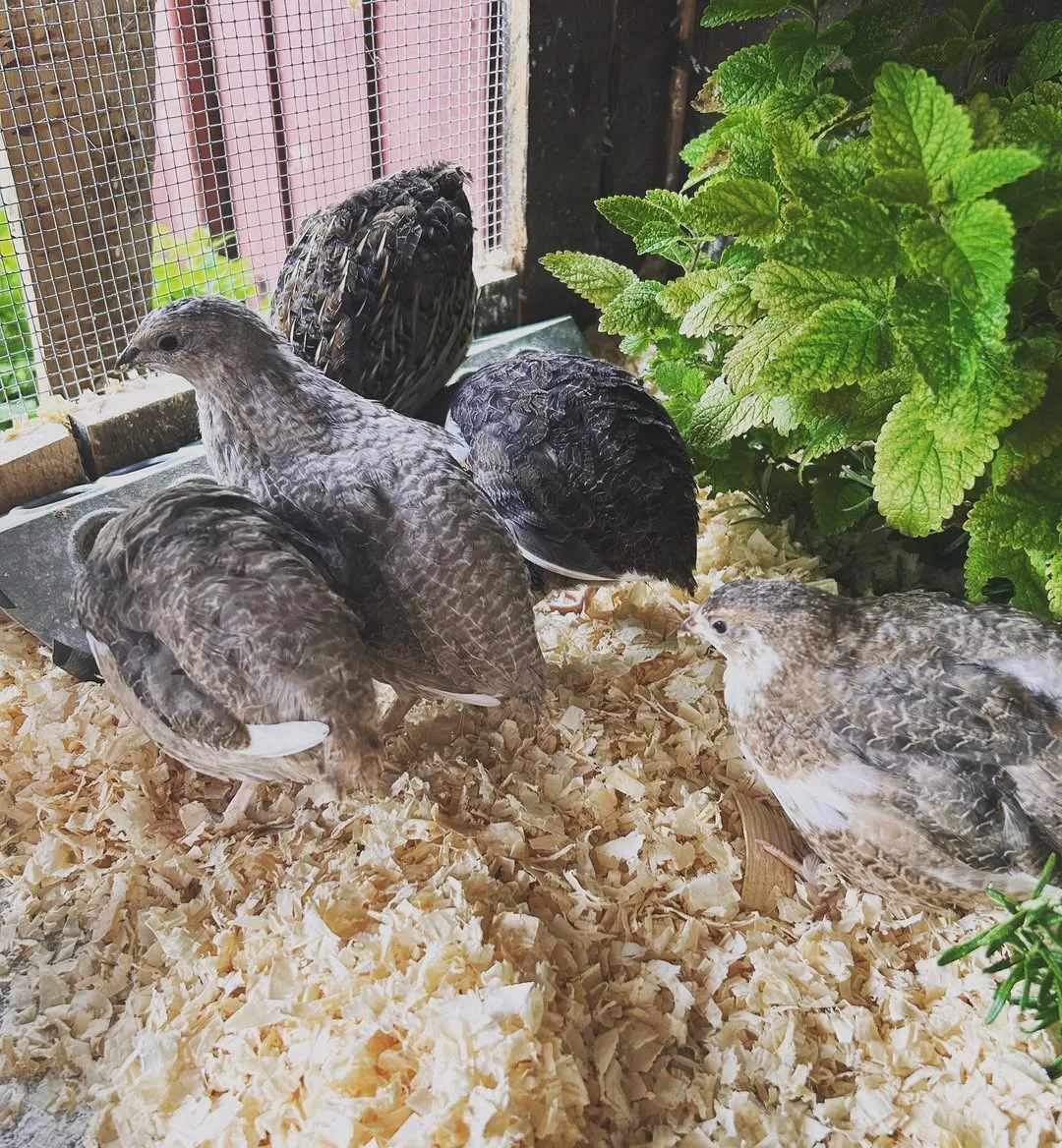
Quails are also small and quiet, perfect for small backyards in urban and suburban areas.
They grow faster and mature within 6 weeks, and they lay eggs within 6 – 8 weeks. You can process them as long as they are 6-12 weeks old.
Quails are low-maintenance birds that need no vaccination or medical kits, but only require some specialized commercial quail or game bird feed.
If you want to cut down the feed cost, you can prepare homemade quail feed yourself from your backyard garden crops. Also, you can hatch quail eggs in the incubators and add new quail flocks for a sustainable homestead.
8. Grow a Mini Orchard or Berry Patch
Having a mini orchard in the backyard can make your table full, or you can can fruits such as pineapple, cherries, peaches, pears,and mandarins.
While planning your orchard, choose fruit varieties that do well in your region and climate with minimal effort.
Consider based on disease-resistance, cold-hardiness, and the chill hours.
For the first year, you can easily grow strawberries, blueberries, raspberries, blackberries, gooseberries, cranberries, currants, passion fruits, and figs.
If you can wait for a few years and want to harvest, the trees and bushes such as pomegranate, apple, mandarin, Valencia, cherry, elderberry, lemon, lime, loquat, peach, and nectarine are easy to grow.
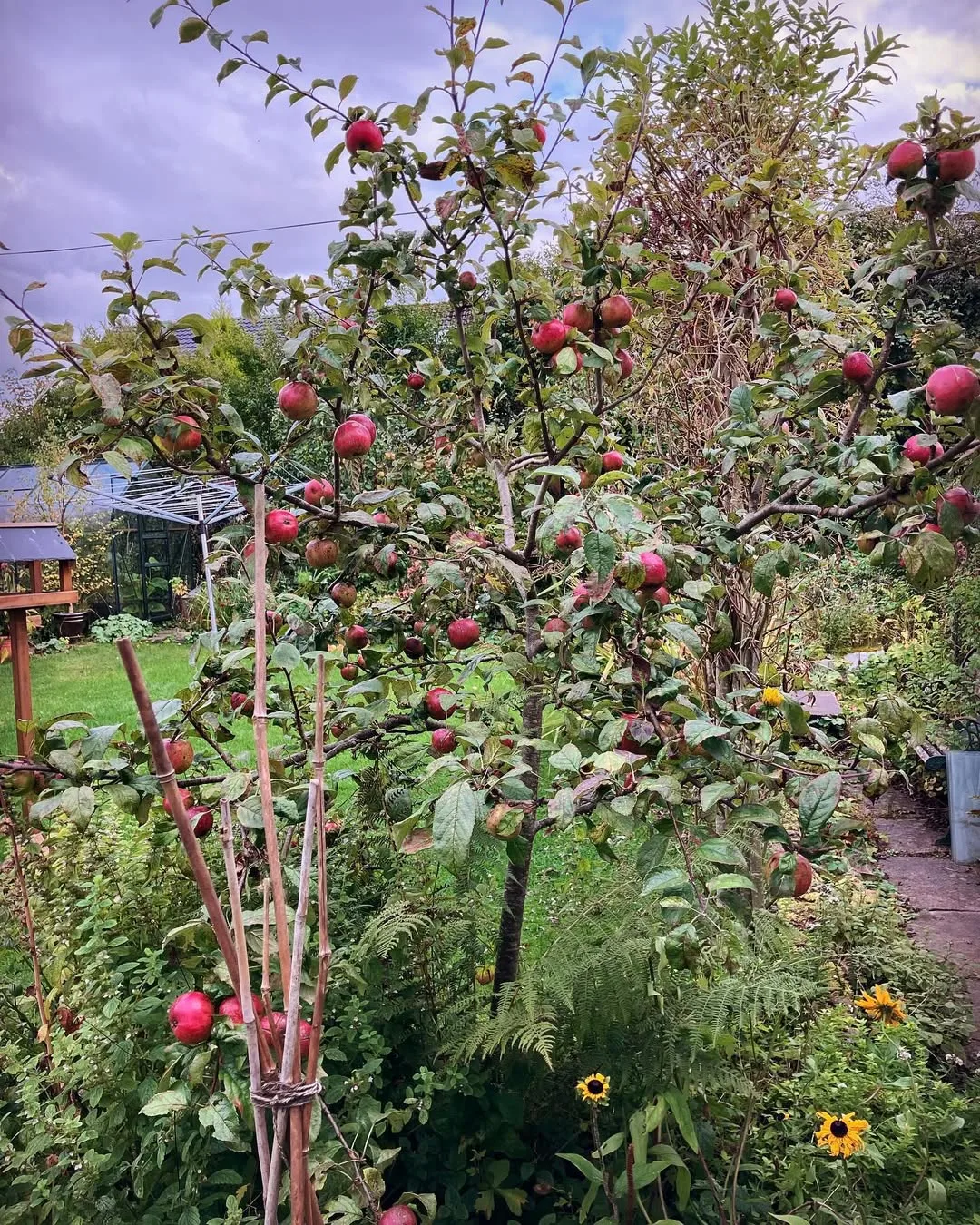
I love the idea of growing dwarf trees for the limited space. You can also grow them in large containers or pots.
This helps you move the plants into sunlight or shade as needed. You can also get dollies to make their reposition easier.
They are also easy to espalier into a low hedge rather than a traditional tree shape. Of course, the small trees have lower yield, but they can give you an extra harvest along with the regular trees.
To take care of your mini orchard or berry patch, you need to prune and fertilize your trees or bushes regularly.
9. Build a Rainwater Harvesting System
While planning for an off-grid life or sustainable homestead, you must build a rainwater harvesting system for yourself.
But first, you need to verify if your local regulations allow it.
You can use harvested rainwater for gardening, cleaning (mopping, laundry, baths, and toilets), composting, filling the backyard pond, and many other activities.
Rainwater from the house roof, surface runoff, and ground surface can be stored in this system.
For this, you need a rain barrel or a storage tank, gutters, downspouts, leaf screens, a first flush diverter, PVC pipes, fittings, and some other stuff.
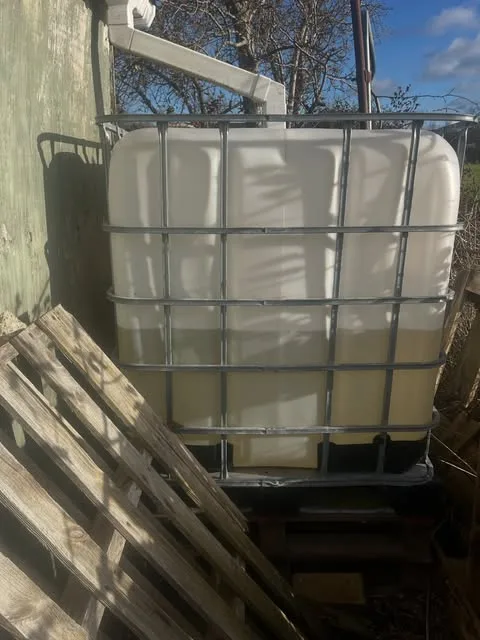
I recommend you start with 55-gallon drums or 275-gallon IBC totes. You can add as many containers as needed based on your requirements and climate.
If you want to harvest 10,000 gallons of water per year, you may need twenty 55-gallon barrels or four 275-gallon totes.
You need to clean the containers inside and out to remove algae, moss, and debris, and seal the openings properly to prevent mosquitoes.
10. Install a Backyard Greenhouse or Cold Frame
If you want to harvest greens and vegetables year-round, you need a backyard greenhouse or a cold frame. This helps control the atmosphere and temperature inside.
Many believe these structures are for protecting crops from frostbite and are used only in winter. But they’re very useful in the summer when the soil is warm.
The rain and scorching may destroy the produce, but growing plants under the greenhouse structures remains safe. Also, you can easily control birds and pests.
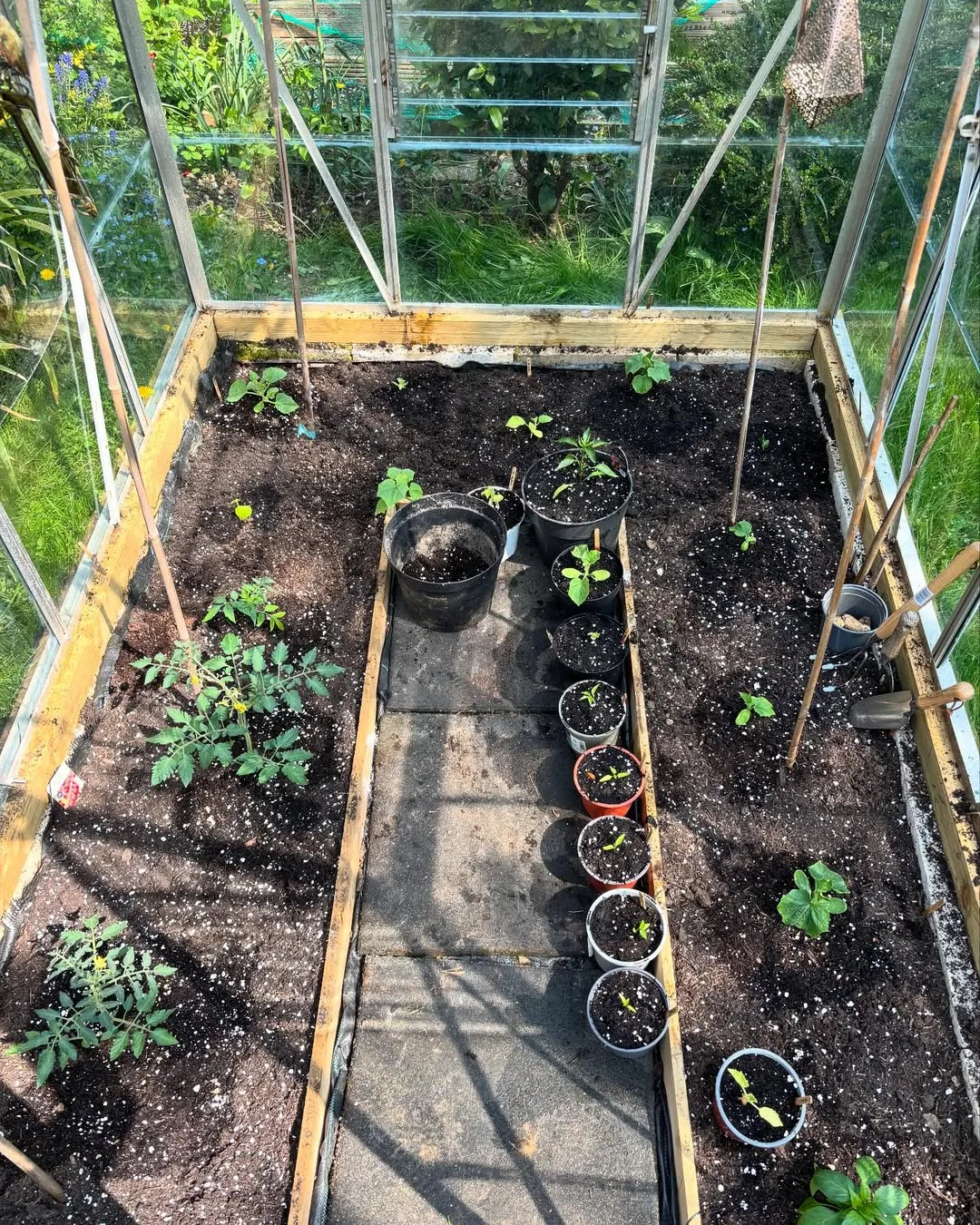
For this, your structures need a setup with window openers, a string of solar lights, shade clothes, a hygrometer, fans, and heaters.
This way, you can extend the growing season or grow off-season crops to increase yields.
The structure is also a perfect winter house for your small livestock, such as chickens, ducks, and rabbits.
You can build a greenhouse repurposing old windows or furnitures. If not, make one with PVC. For the small structure, start planning a 6×4 ft to 6×8 ft. The standard or medium size, I think you can go with 8×10 ft to 8×12 ft.
Final Thoughts
If you’ve a busy schedule, I recommend you start with a small vegetable garden. If you already have houseplants at home, it’s going to be much easier for you.
Working a few hours a week is enough with weeding, planting, watering, and occasional fertilizing the crops.
You don’t need to see your garden every morning and evening, as you do when raising livestock.

Leave a Reply