
It’s excruciating to see a white sheet of snow outside, solid ice in livestock waterers, a water pump, and a well that is inoperable every morning in winter.
Ice forms quickly and easily on the exposed water tanks, and buckets freeze up and crack.
After years of winter livestock care, I have understood the pain points and found some efficient ways to address them.
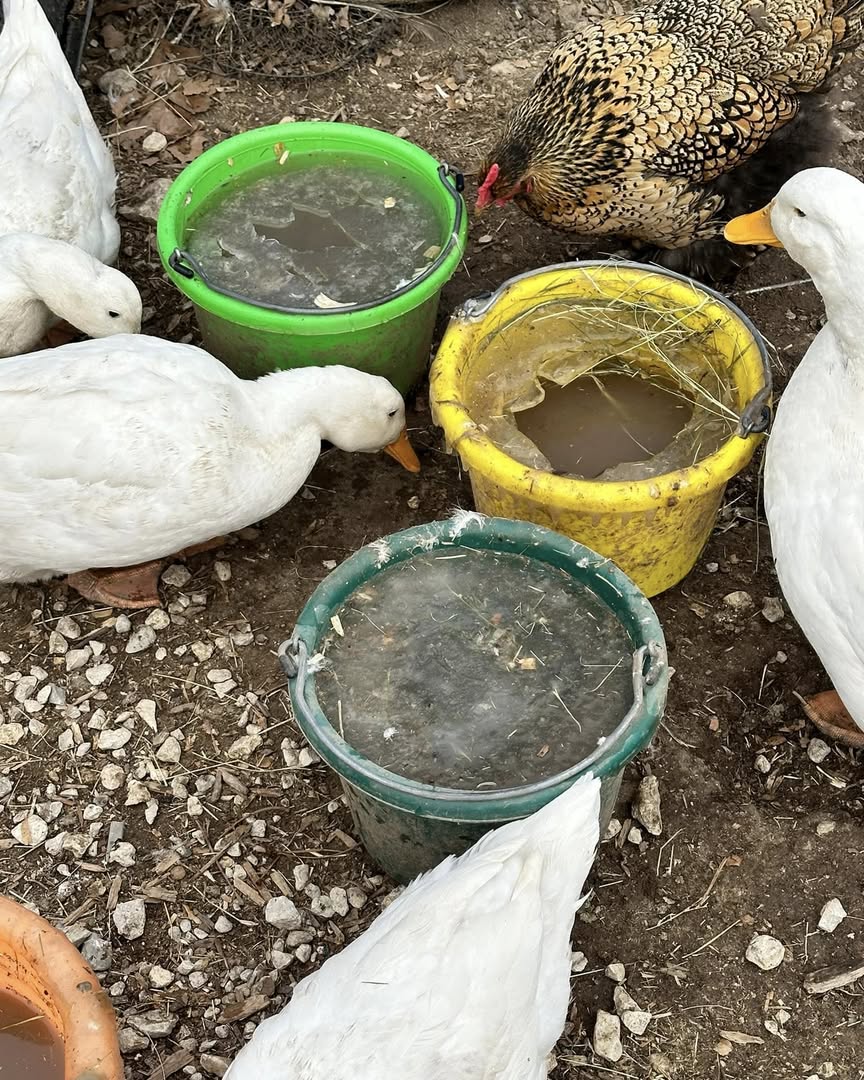
Why Frozen Water is a Serious Winter Problem for Livestock
As soon as wintertime arrives, you can see how your livestock’s water intake increases. During the cold months, animals need to expend energy to withstand low temperatures.
For this, they eat more feed to stay warm. With increased food intake, their water requirements also rise.
But watering animals in the winter is more challenging as it freezes over in no time. And animals drink less when the water is frozen or icy.
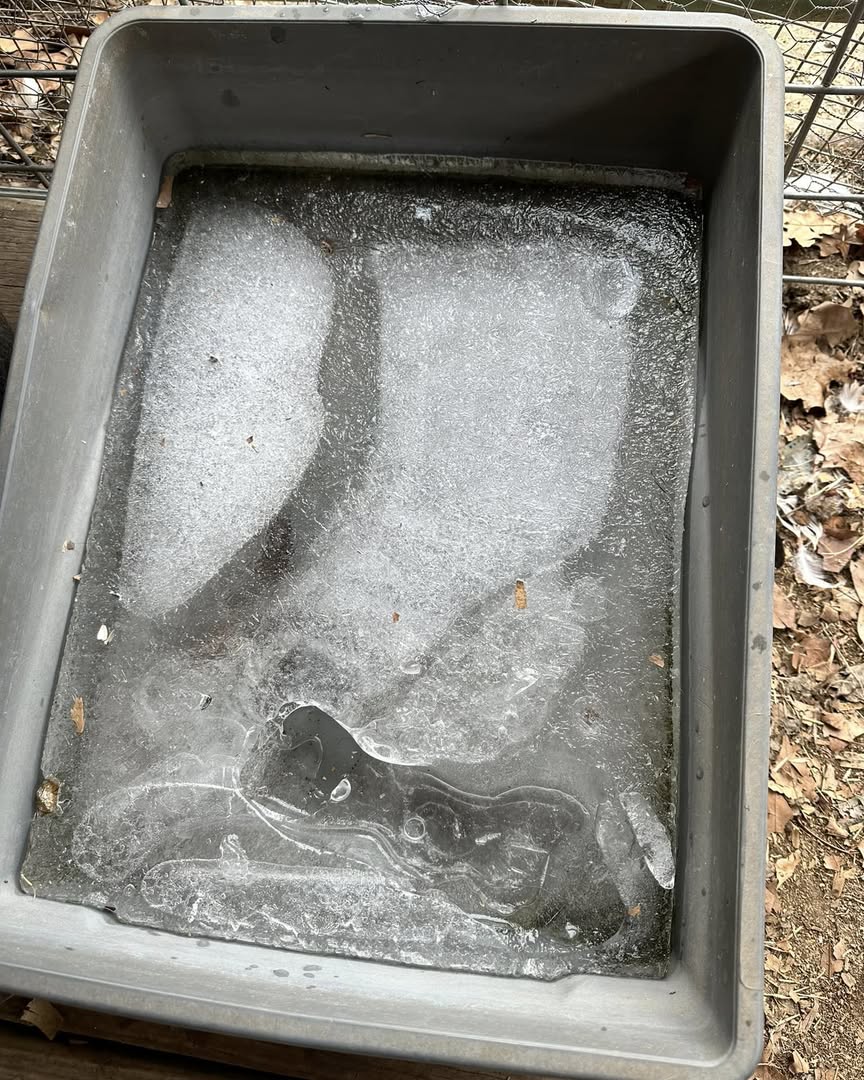
This can lead them to several behavioral changes and health impacts, such as impaction, dehydration, reduced feed intake, and milk drop.
So, keeping livestock water from freezing adds more responsibility in terms of labor, time, and money for the homestead.
Here, I have curated 12 ways to keep livestock water from freezing based on my research and experience.
1. Use Heated Water Buckets or Trough Heaters
Heated buckets are best for watering solo homestead animals in the winter. They do well in the run-in shelters and unheated barns.
If you already have a big trough or stock tank for water for multiple animals, get a stock tank heater.
Submersible heaters work well because animals don’t complain. They come with a built-in thermostat and shut down during warmer weather, and give you additional trips to the paddock or pasture.
You have to drop those electric heaters into the bucket and the trough, and leave them to work.
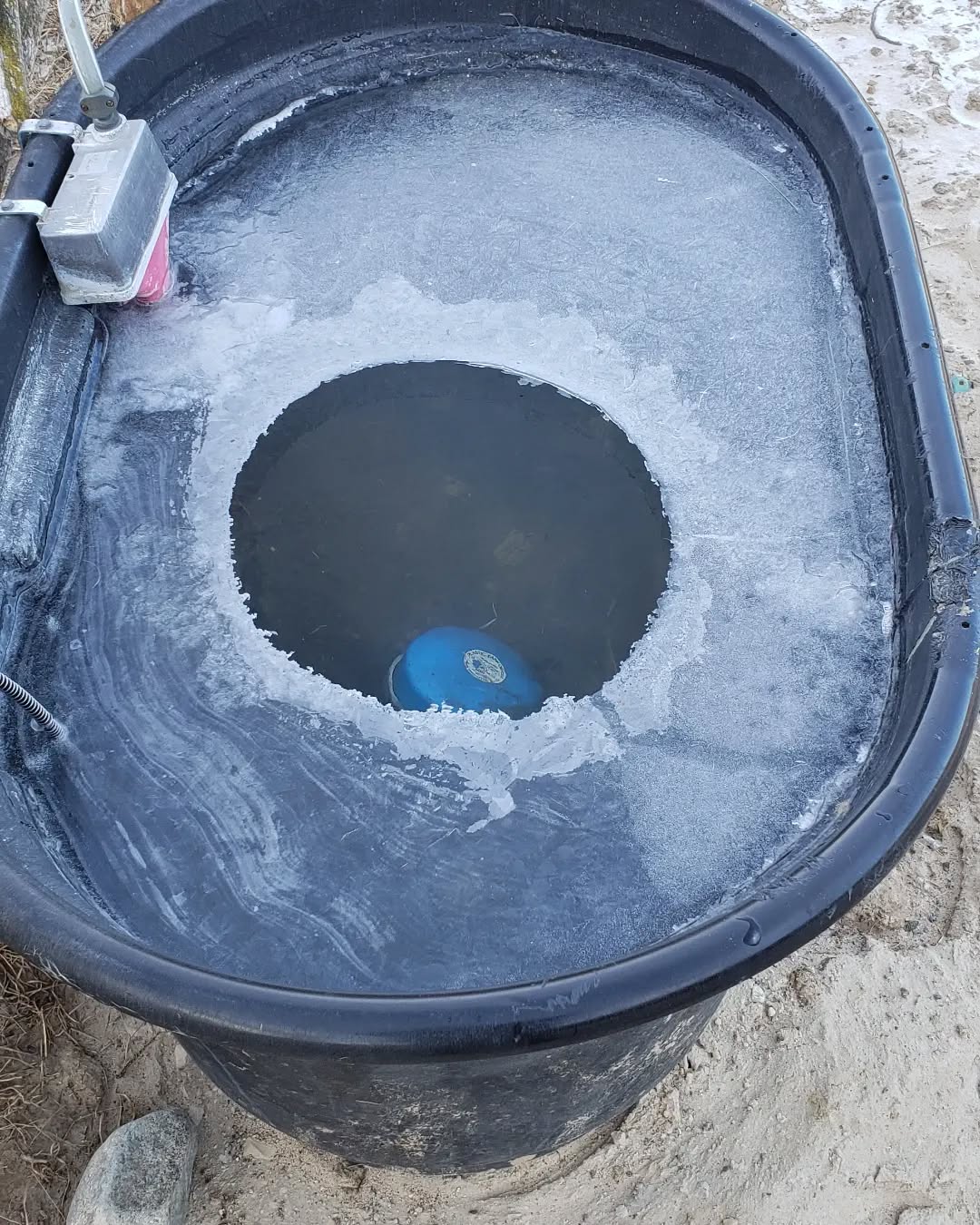
But make sure to check that the unit is working on colder days and that your animals haven’t accidentally removed it.
Also, use them with caution and make sure they aren’t ripped from their power source. You can put the cords in PVC pipes and have the heaters ready to plug in before it gets cold, so you don’t have to use your hands.
Use GFCI outlets, chew-proof cords, and grounding to ensure a secure electrical supply and prevent leakage.
If you have electricity issues, you can use propane stock tank heaters. While using the units, make sure the pilot light isn’t extinguished by strong winds.
Also, don’t forget to check fuel levels periodically.
Best for: chickens, goats, cattle, horses.
Pros: reliable, low daily labor.
Cons: electricity required (no power supply, no solution), fire safety concerns.
2. Insulate Buckets and Water Troughs
If you insulate the thing, it slows the heat loss. So, insulation around the buckets and troughs helps keep unfrozen water for a while.
I’m talking about the natural insulation without electricity and fire. You can insulate with the waterers with several materials such as foam board, straw bales, old feed bags, and rubber tubs.
I had my buckets insulated on the outside with spray foam and wrapped with rubber. You can also cover buckets with bubble wrap to schlep water every morning.
Besides, old tires insulate best. The bowl or five-gallon buckets sit well, but make sure you put a piece of foam on the bottom, then a board to hold the container.
Use black runner bowls and keep them in a sunny spot.
Also, a thousand-litre water tank wrapped in a black carpet sits well in a greenhouse enclosure. Many insulate deep-water bowls heavily and cover them with manure to generate bioheat.
Best for: chickens, ducks, rabbits, cattle, horses
Pros: DIY projects, no electricity bill
Cons: Only for mild to moderate cold, laborious method
3. Use Black Rubber Buckets to Absorb Heat
You may have noticed that when you are under the sun, you sweat more in a black t-shirt or other dark attire than in a white dress.
Black absorbs and retains heat longer than any other color. And here I talk about rubber buckets, which outperform metal and plastic.
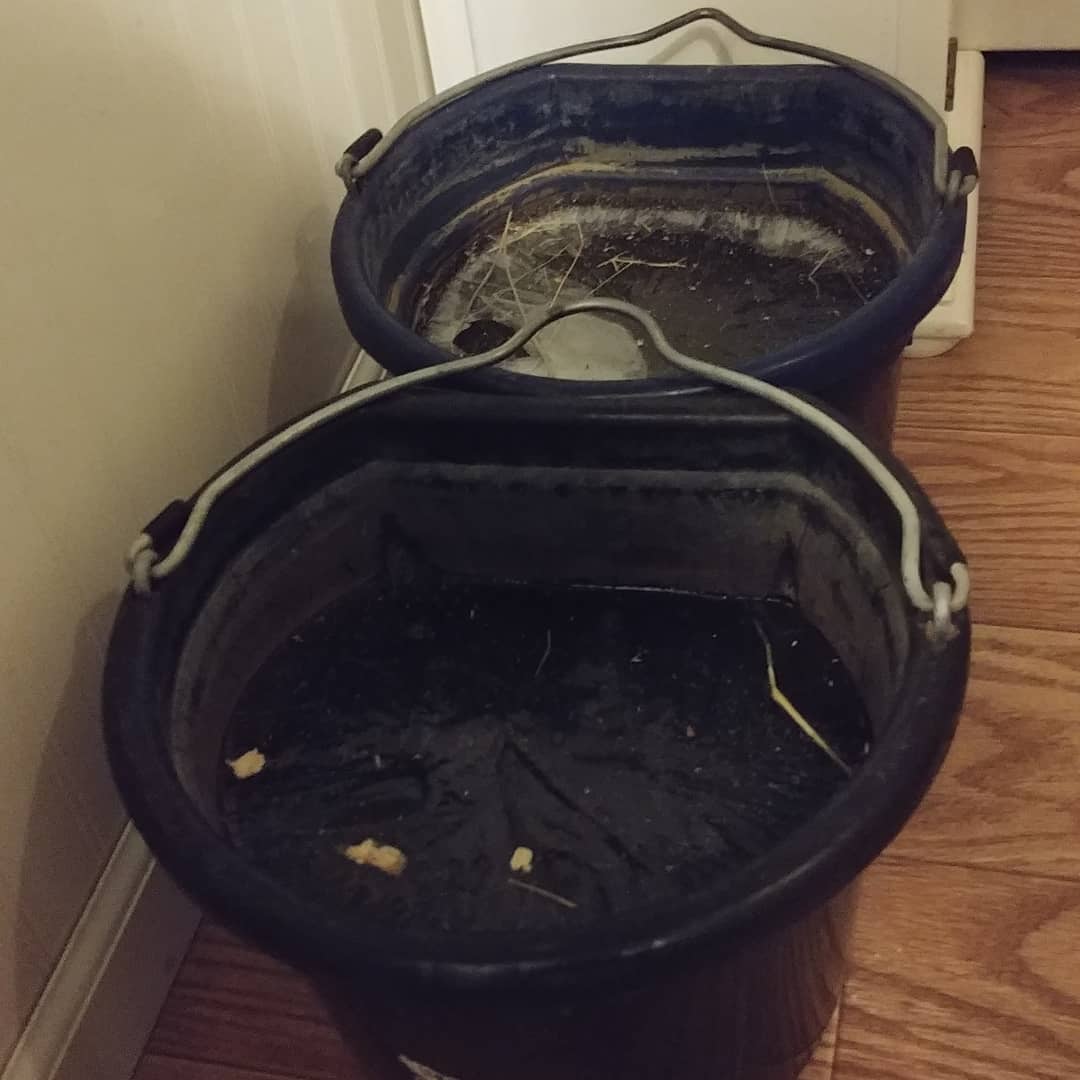
Metal rusts, and plastic hardens and becomes brittle, prone to cracking, chipping, or shattering when water freezes in winter.
But the rubber still has some flexibility, so you can easily break the ice inside or remove it.
I suggest you place the black rubber bowls in the south-facing areas.
Best for: chickens, ducks, rabbits
Pros: Long-lasting waterer
Cons: Freezes at night, not suitable for large animals.
4. Add Floating Objects to Slow Ice Formation
While still water freezes over, moving water remains unfrozen. So, you have to make water in the waterers, keep moving all the time.
For this, you can drop some ping pong balls, tennis balls, sealed plastic bottles, wooden pieces, foam boards, rubber floats, or anything that floats.
These materials break the surface tension of water, allowing some movement. This way, the water in the container takes much longer to freeze. This method is very helpful for troughs and large buckets.
And, livestock need to push the floats away to drink water.
Besides, you can install an aeration system at the bottom of the trough to keep water from freezing.
I also recommend you try a fish tank bubbler with a standard air hose and a bunch of cheap little air stones. To make it sustainable throughout the winter, install a solar system along with it.
Best: Goats, cows, donkeys, horses
Pros: Natural deicer
Cons: Safety concern as animals can chew floats or sharp objects
5. Refresh Water Multiple Times Daily (Low-Tech Method)
If you’re a hard-working homesteader, you won’t mind refreshing water frequently every day. It’s a labor-intensive but effective method. We all have gone through it at some point in our lives.
In the early days, I had to keep a 5-gallon water container next to my fireplace all winter. Even today, I need to do it, and it helps in an emergency.
Just change water morning and evening, twice a day, and this helps livestock get fresh water daily.
Or, you can tip the buckets upside down every morning, pour in some warm water, and let it melt through so it falls out easily. Refill tanks or containers.
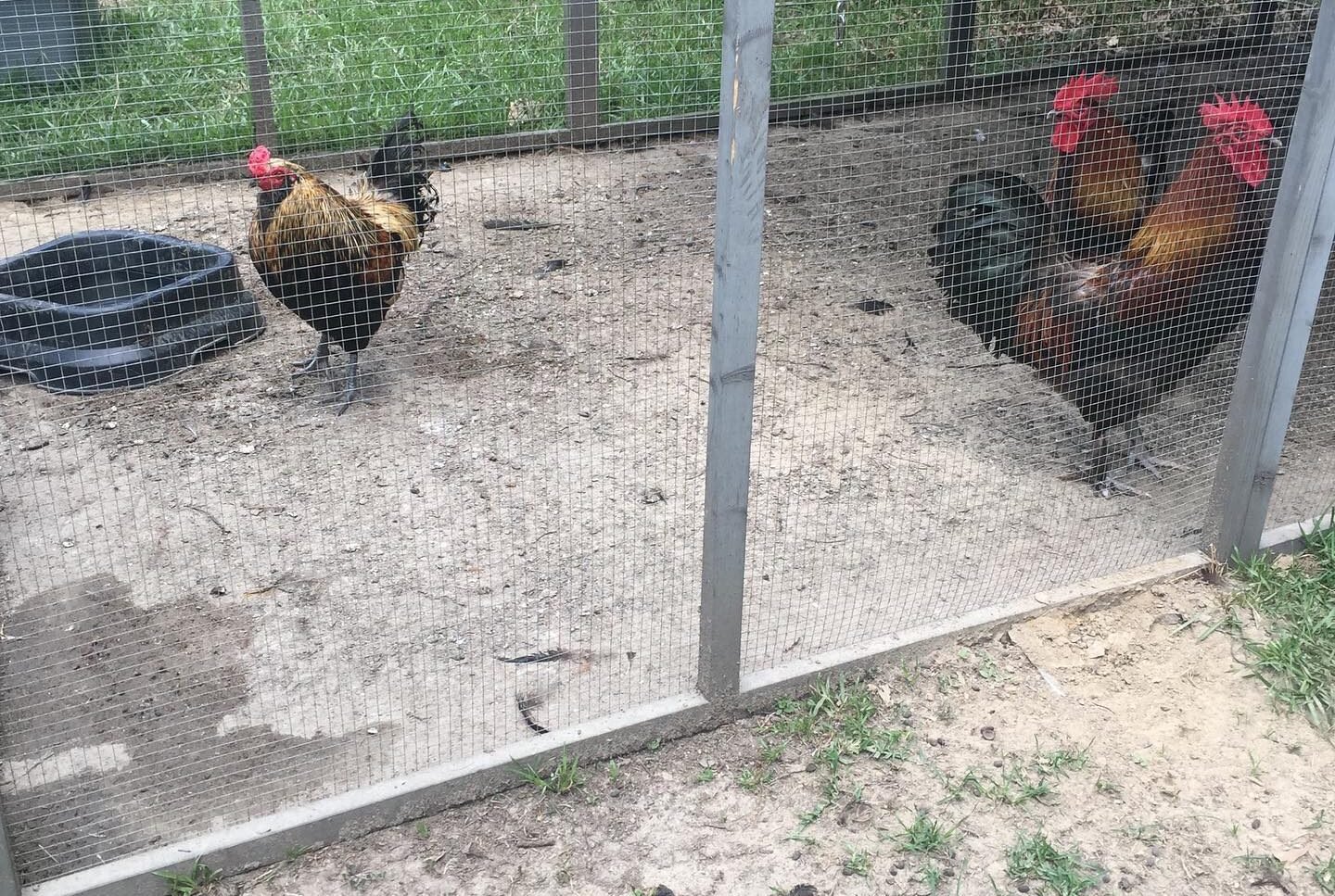
Then, break the ice in the afternoon or evening and repeat it each day.
Besides, you can swap their water tubs. Take one to the fire to thaw and the other to the barn or coop.
Because water has a very high specific heat capacity, you need to use heated rocks, firebricks, and hot water rather than live coals to thaw ice or frozen water.
I think, this schedule is suitable for small homesteads or backyard flocks.
Best for: all types of homestead animals
Pros: No additional tool or tech required
Cons: More laborious approach
6. Group Water Troughs Together
When you place a group of troughs together, animals gather there, creating a heat island. This helps weaker animals to access water without struggling with others.
For this, you need to calculate how much water your animals need.
If you fill the trough or container to that much amount they drink, there won’t be any water spare to ice buildup. Or they drink most of the water, so it won’t have a chance to freeze.
But make sure your animals are getting enough water to fully hydrate.
The bone-dry tanks suggest your animals are getting insufficient water, so you need to add more water in the waterer next time.
Best for: Four-legged animals (goat, sheep, cow)
Pros: No technology involved
Cons: Manual effort, need extra supplement anyway
7. Generate Geothermal Heat
Geothermal heat, produced beneath the earth, helps provide your animals with fresh, unfrozen water.
For this, you need to dig a deep hole and sink a wide-diameter tube (3ft diameter corrugated pipe) there. The pipe or tube should be 10 feet into the ground, and it needs to be insulated 6 feet above the inside.
Then, there must be a water reservoir or well below the frost line.
I suggest you add a hood to conceal most of the sky during the day. This prevents radiant loss significantly.
In fact, geothermal heat keeps water thawed and unfrozen most days. To make it properly functional, create a chimney.
Best for: Four-legged animals (goat, sheep, cow)
Pros: Use of the Earth’s natural heat is a sustainable method
Cons: Require heavy initial investment
8. Place Water in Sun-Protected, Wind-Sheltered Areas
You have to winterize the chicken coop or other animal shelter if you don’t want to keep water for livestock outdoors. This helps keep your animals warm and their water unfrozen.
As the wind chill sets in, water freezes faster by stealing heat from the surface. It creates a cold-air layer, which is replaced by even colder air, accelerating the ice-forming process.
So, you need to prevent water from coming into contact with drafts. For this, you need to place waterers inside the shelter, behind the windbreak, and on the south walls.
Avoid putting them directly on frozen ground. The cold from the snow transfers to the tanks or troughs.
If possible, create a place for water where it has easy access to sunlight during winter, as the Sun sometimes appears there.
Besides, you can run a small heater or lamp in the shed on the colder days. If you can’t build a shed, you need to insulate waterers and cover most of the tank tops.
Best for: all types of homestead animals
Pros: Draft-free shelter to keep warmth for animals, no tech required
Cons: Challenging in the colder days, may need extra tools to keep the water unfrozen
9. Elevate Water Containers Off Frozen Ground
There is no news that ground frost transfers. When you stand on ice or cold earth with bare feet, you also feel chilly after a while.
So, you need to place something beneath the waterer that interrupts that path and transmits the cold, instead of just leaving it on the ground.
Use materials such as wood pallets, rubber mats, and cinder blocks to prevent the temperature from rising from underneath for a while.
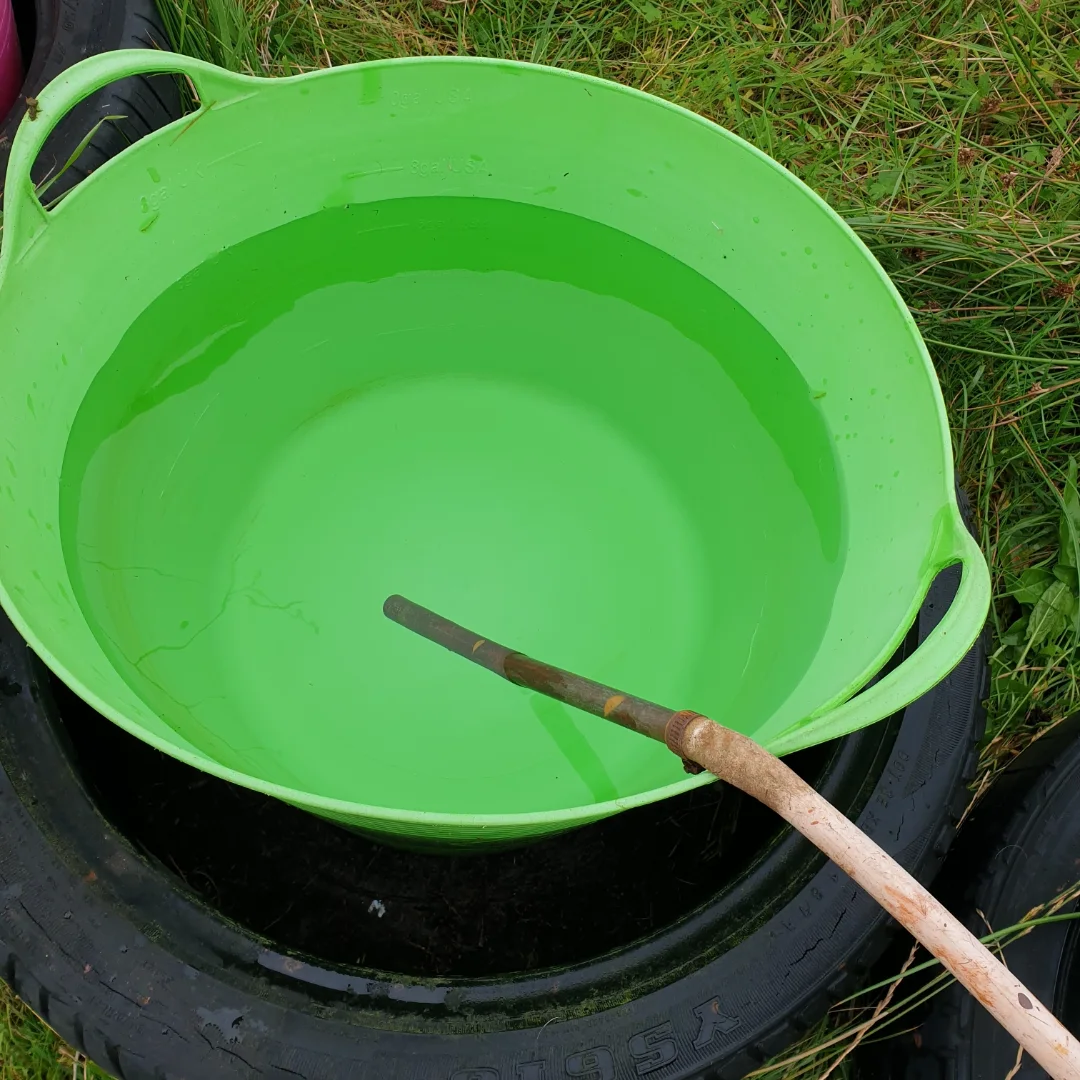
If you want to see better results and a sustainable solution, combine with insulation.
Best for: all types of homestead animals
Pros: Low effort
Cons: Unreliable, needs additional solutions
10. Install Frost-Free or Automatic Waterers
This method is suitable for a large number of animals under a single shed. It helps keep water flowing and prevents it from freezing over.
I include here a frost-free hydrant that remains outside, with a long vertical pipe and a real stop-and-drain valve at the bottom.
You need to bury it at least 18 inches below the frost line. When you lift the handle, a rod opens the valve, and water starts flowing through the pipe and spout.
The valve closes, and water flow is disrupted when you turn the handle down.
In addition, automatic waterers are designed to provide a steady supply of fresh water to livestock without human intervention. The waterers are connected to the water reservoir.
There is a paddle before the trough or tank. When the animal presses it, fresh groundwater fills the container, and the water drains once the animal finishes drinking and releases the paddle.
So, this method is suitable for long-term homesteads.
Best for: donkey, cow, horse
Pros: Sustainable solution
Cons: Large initial investment
11. Use Thermal Water Bowl Bases or Heated Mats
Heated bases and mats under standard bowls are common during winter days. They provide controlled and consistent warmth to keep the waterer insulated.
You can expect them to raise the temperature between 75ºF and 95ºF, which is still drinkable for animals.
When using this method, you need to consider the weather rating.
Best for: poultry, dogs, cats, rabbits, small livestock
Pros: Low effort
Cons: No electricity, no function, safety concern
12. Use Deep Troughs Instead of Shallow Buckets
Have you noticed why water in small buckets or buckets freezes faster compared to water in larger tanks and troughs?
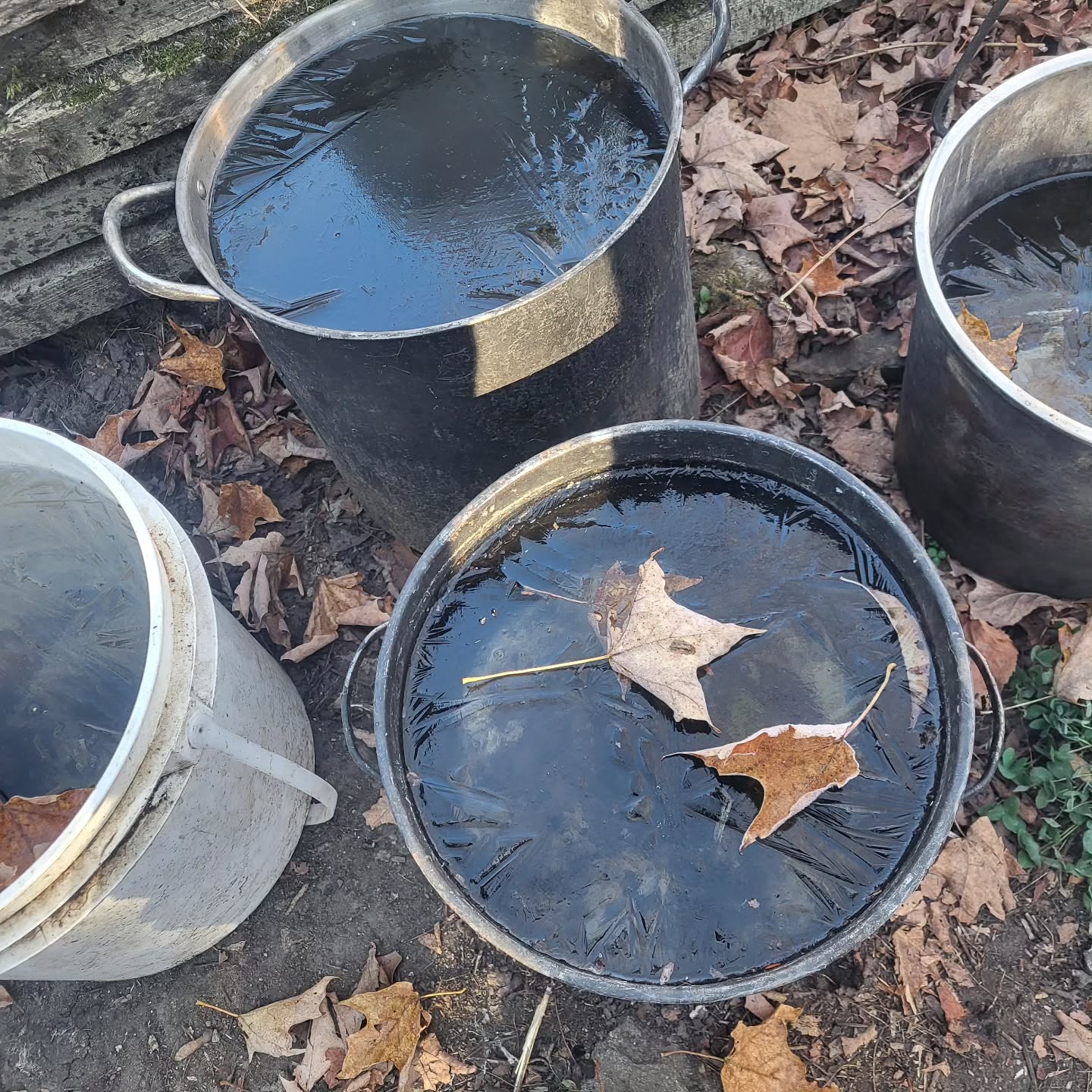
The water volume determines the freezing time. The larger the volume, the slower it freezes.
This method is suitable for large farms and large animals that require a large amount of water at once.
It recommends investing in large, deep containers. Once you fill them, you need not haul water for a couple of days.
Best for: cattle, horses, sheep
Pros: Need not add water frequently
Pros: Not sustainable, cleaning difficulty, and poor water quality
Final Thoughts
Many livestock keepers also put some saltwater bottles in the waterers to prevent water from freezing. The salty water is believed to delay freezing, which is used only for this purpose, not for drinking.
If you’re an off-grid person, you may like to invest in a solar pump.
Besides, you can build a small greenhouse to keep fresh water warm throughout the day.

Leave a Reply