
If you think you can’t afford to raise traditional cows with their high space and feed requirements, I suggest you consider miniature cow breeds.
While a single full-sized cow needs a multi-acre pasture, a single-acre homestead can support multiple mini cows, and that too with a better conversion ratio.
So, here I have curated 10+ miniature cattle breeds for different purposes.
1. Dexter Cattle
Deters are an Irish breed that originated in the 18th century. Hailing from South-western Ireland, they were named after Dexter, who was the agent of the estates of Lord Hawarden on Valentia Island.
You can tell dexters by their short legs, which are visible from their knee to fetlock. Bulls have thick, solid horns with a slight curve at the tip, and their head is short, wide between the eyes, and has straight sides.
Besides, these miniature cows are mostly solid black, but they also come in red and dun.
The Dexter bulls grow 38 to 44 inches at the shoulder and weigh around 1000 lbs when they are three years old. The same-age cows are 36 to 42 inches tall and gain around 750 lbs.
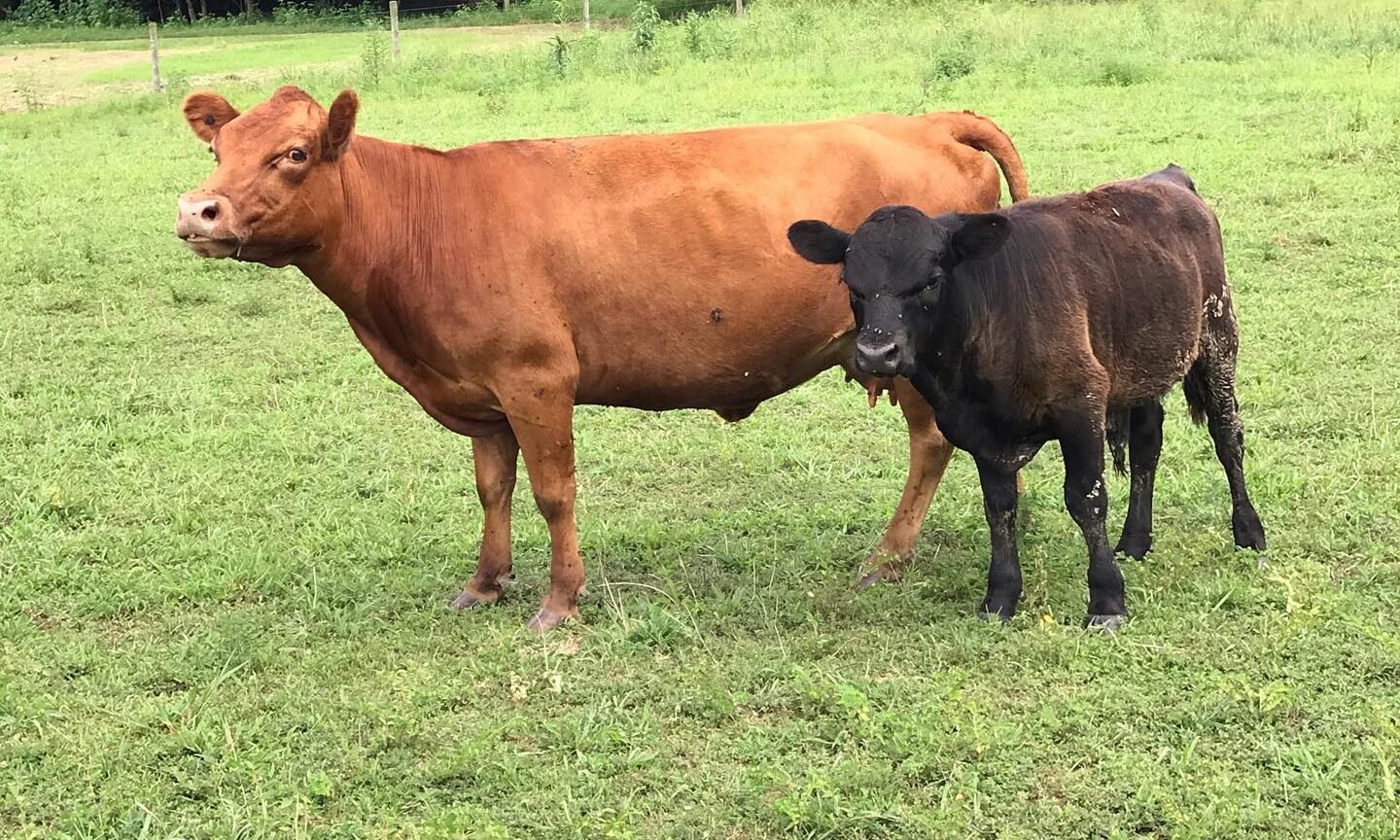
Dexters also come in varieties such as short-legged and long-legged, or Kerry type.
The stockmen can expect the cow to give an average of 1.5 to 2.5 gallons of milk with a butterfat content of 4-5%.
They also make good beef animals with maturity in 18 months. The small cuts of high-quality lean meat and graded choice, with minimal waste, are among the features of their beef.
You can dress out 50-60% beef with a slightly darker red texture than that of other breeds.
Dexter cattle are hardy animals, efficient grazers, and can live on poor pasture, making ideal choice for small homesteads.
Height: 36-44 inches
Weight: 600-1000 lbs
Lifespan: 15 to 25 years
Best for: Meat, milk, and draft
2. Miniature Hereford
Miniature Hereford cows are a smaller counterpart of the standard Hereford breed that originated in England and was later imported to the United States in the early 19th Century.
The miniature Hereford was developed by the Largent family in 1974, on their ranch in the Davis Mountains of Texas.
They’re miniature beef livestock with a red body and a white face, crest, dewlap, and underline.
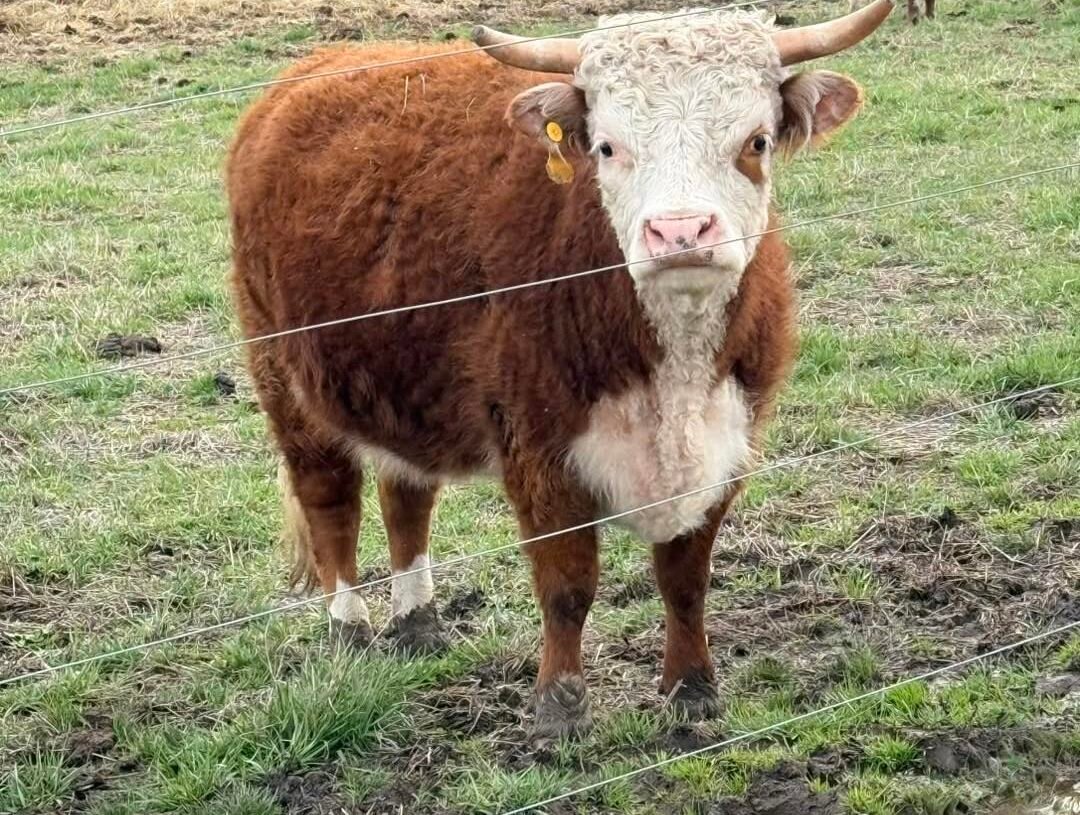
Thanks to their compact size and traditional beef cow appearance, the mini Hereford is ideal for people who need efficient meat yield on a smaller scale and keepers with only acreage.
While full-sized cows require 2-3 acres of good pasture, the single acre can feed two miniature cattle.
And the interesting part is that they eat 30-40% less than their full-size counterparts and mature up to 20% earlier.
They’re easy to handle and docile, and make a good choice for a family-based homestead.
If you’re going to own a mini Hereford, you need to understand that they prefer temperate climates and may need additional shelter and care in extreme conditions.
Height: 40-48 inches
Weight: 500-1000+ lbs
Lifespan: 15-20 years
Best for: Beef
3. Lowline Angus
Also known as Australian Lowline, Lowline Angus are mini beef cattle developed at a research center, now called Trangie Agricultural Research Centre.
Lowline Angus are modern Australian small, polled cows and are the descendants of black Aberdeen Angus cows.
Miniature Lowlines are the smallest breed of cattle, but they’re not dwarves. You can expect 8-month-old bulls weighing 300 lbs, while heifers average 240 lbs at the same age.
As they get yearlings, they grow to around 510 lbs and 420 lbs, respectively.
After they mature, 3-year-old bulls turn into, well, muscled animals standing 39-43 inches at the hip. The pioneer cows are 37-41 inches at the shoulder with an average weight of 710 lbs.
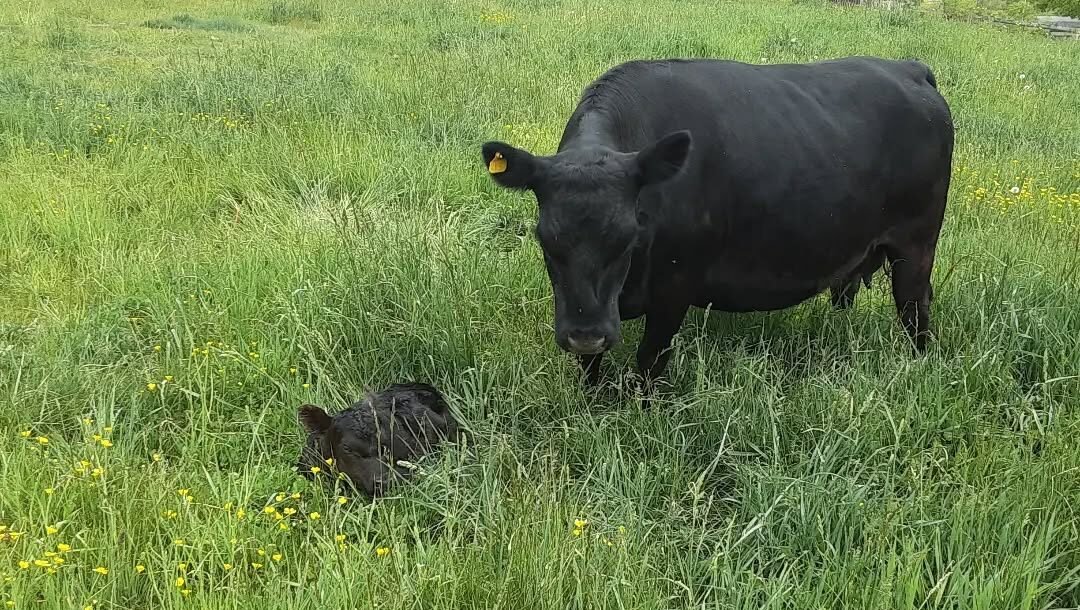
Anyway, Lowlines are perfect for small-acre homesteaders who can stock 10 of these cattle or 6 Hereford or similar-breed cows.
Also, they make great beef animals for family family-sized freezer as they’re easy to dress at home.
You can expect 55% of the total live weight to be consumed. Their meat is well-marbled, and the carcass yield is relatively high.
Don’t make the mistake of thinking their compact size means they’re less worthy.
Lowlines have an exceptional beef-to-feed ratio, yielding up to 40% more meat per pound of feed compared to standard cattle breeds.
Also, Lowline cows are mostly solid black, but a few are solid red. You can also witness white colouring in the area of the scrotum.
You can identify them by their polled and quiet temperament. They can thrive in various climates, cows calve with little or no assistance, and provide plenty of milk to their babies.
Mini cows do less damage to the pasture area compared to full-sized breeds and don’t require high or strong fencing as they’re docile.
Height: 36-48 inches
Weight: 700-1500 lbs
Lifespan: 12-25 years
Best for: Beef
4. Miniature Jersey
As the name suggests, mini Jerseys are a smaller version of full-sized Jersey cows, which hail from the Island of Jersey. These Jersey cows became popular in the United States in the 1980s.
Mini Jerseys come in several shades, including fawn, golden, honey, brindle, and darker mahogany or mulberry.
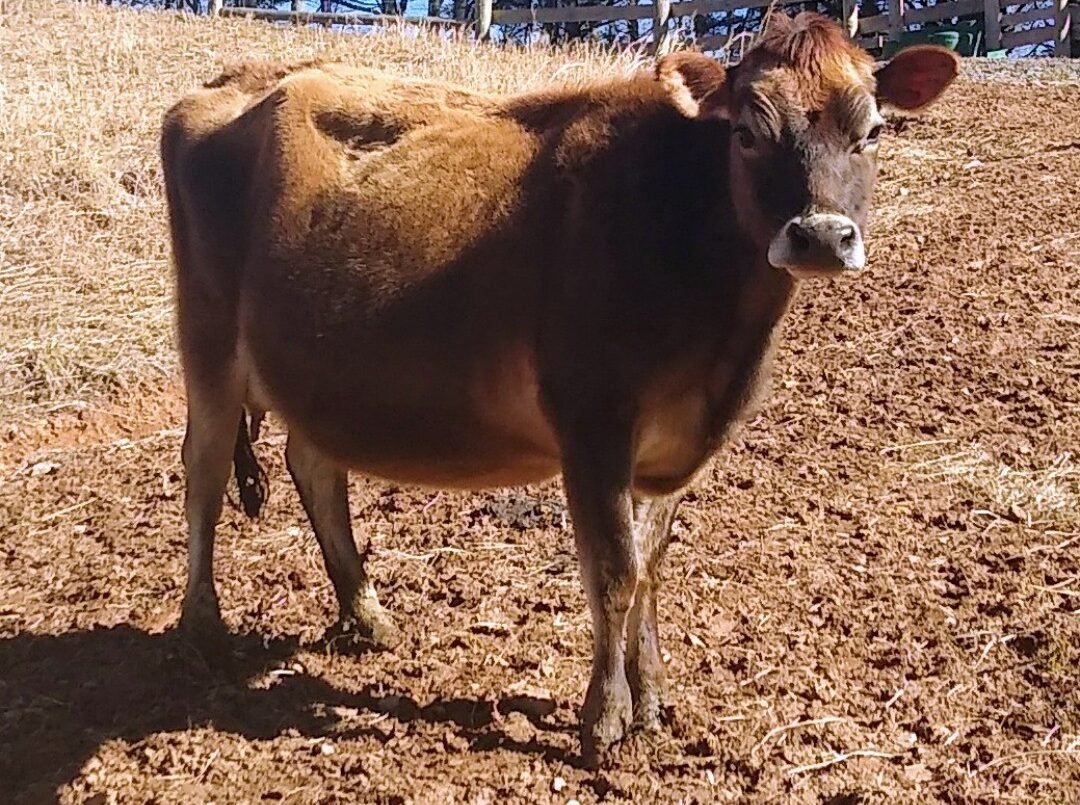
While larger Jersey bulls weigh around 1800 lbs, Jersey cows get 800-1200 lbs. But mini cattle range from 500 to 800 lbs and need ⅓ as much feed and pasture as a larger breed.
These mini cows can give 2 to 4 gallons of milk per day, but you can also raise them for meat for your family. The mink has 4.5%–6% plus butterfat and is rich in cream, which is ideal for cheese, yogurt, butter, ice cream, and many cultured dairy products.
Height: around 42 inches
Weight: 500-800 lbs
Lifespan: 15-25 years
Best for: Dual-purpose cows
5. Miniature Zebu
Miniature Zebu are native to South Asia, particularly India, and date back to ancient times, 3000 BC. They were first imported to the US somewhere in the 1920s for zoo exhibits and research.
Now, mini Zebu has been a modern American breed of zebuine miniature cattle.
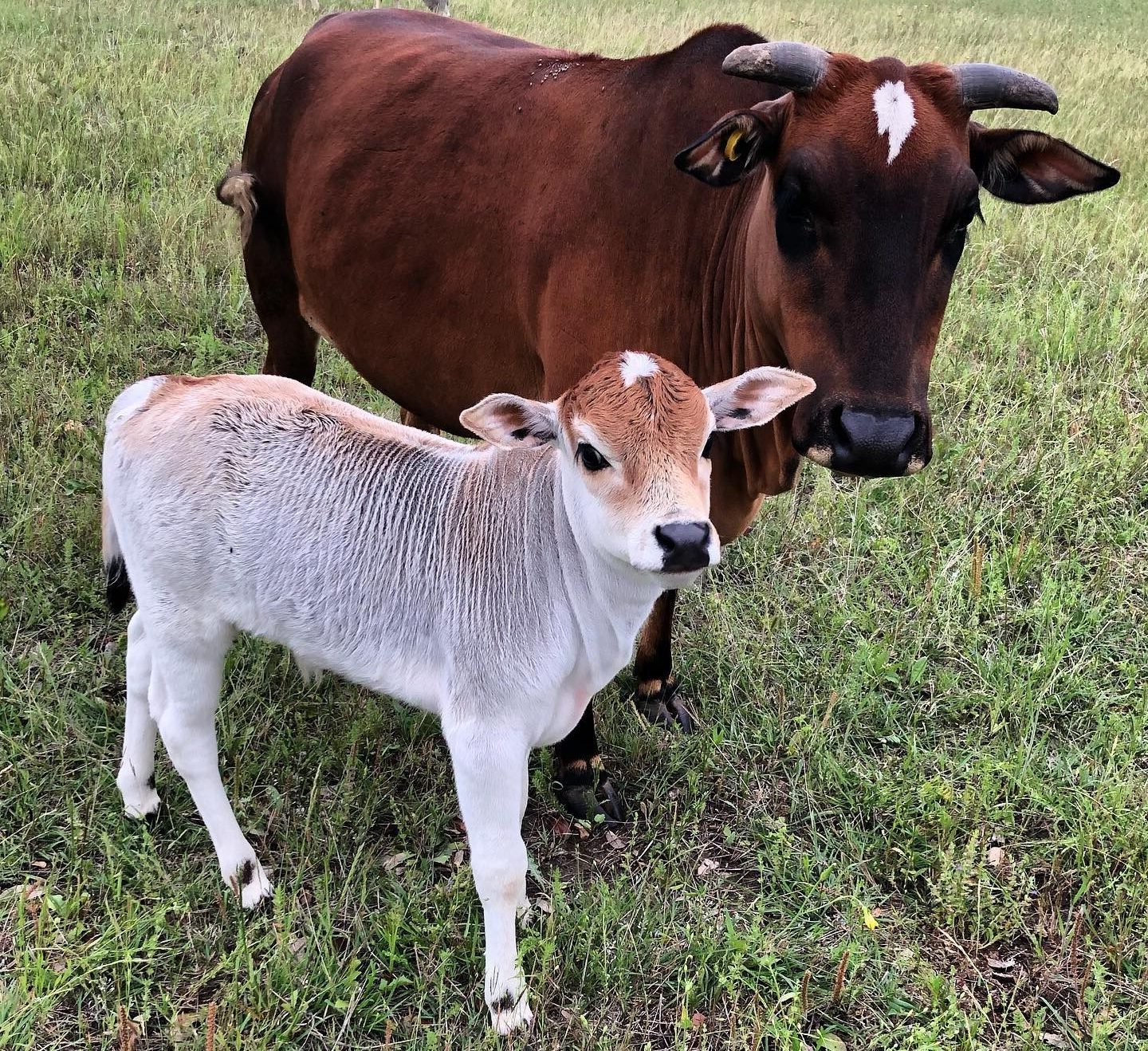
Due to their tropical origin, these mini cows can tolerate heat and high temperatures well. Unlike European cows, Zebu have a unique appearance. They have shorter, sleeker coats with tiny fur and a noticeable hump.
These cows also have a sizeable dewlap and a large hump on their shoulders that grows in size with age.
In addition, Zebu are mostly gray in color, but a few are black, red, spotted, or white. You can witness bulls with neck, shoulders, and a hump also in black.
While mature bulls weigh 400 to 600 lbs, cows grow 300 to 500 lbs.
Height: 29-42 inches
Weight: 200-600 lbs
Lifespan: 15-25 years
Best for: Meat, milk, hide
6. Miniature Highland Cow
Highland cattle are often known for their long horns and shaggy coats, which help them withstand cold weather. They have hailed from the higher landscape of Scotland for centuries and date back to the 6th century.
Miniature Highlands are a smaller form of the standard Highland with similar characteristics. They also have iconic long hair and a robust physique.
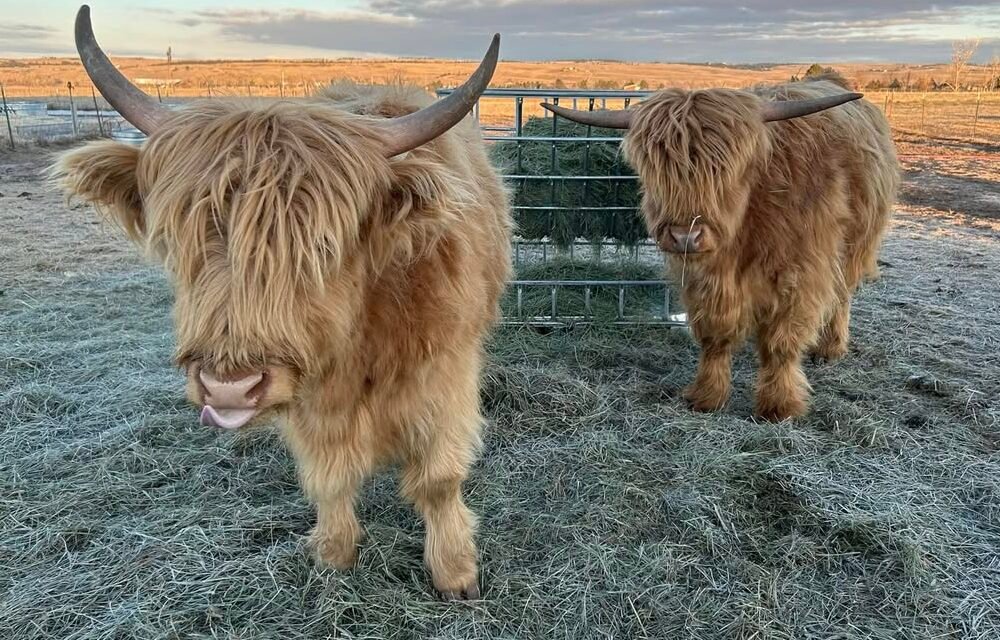
They appear beautifully with their iconic tawny red coat in most areas. But they are also black, white, brindle, yellow, and dun.
They stand anywhere between 36 and 48 inches tall at the shoulder.
People kept them for their unique appearance and docile, friendly nature, which can make them good pets.
Though their meat is also lean and flavorful, Mini Highlands are not the first choice for beef production.
Height: 36-48 inches
Weight: 500-800 lbs
Lifespan: 15-20 years
Best for: Pet
7. Miniature Shorthorn
Miniature Shorthorns are the smaller version of full-sized Shorthorns, which originated in the county of Durham in northern England. Except for size and yield, mini cows often mimic their larger counterparts in terms of characteristics.
They have beautiful horns and color patterns such as red, white, or roan.
Mini Shorthorn cows have strong maternal instincts and are easy to manage. They are also very fertile, and calve easily. You can expect calf birth weight around 22-24 lbs.
Besides, raising mini cows can double the stocking density compared to that of normal-size cows.
Height: Around 40 inches
Weight: 400- 550 lbs
Lifespan: around 10 years
Best for: Dual-purpose breed
8. Miniature Galloway
As the name suggests, the miniature Galloway is a smaller type of the larger breed, which originated in south southwest of Scotland.
Galloway cows are prized for their dark body, smooth-polled heads, wavy hair, and undercoats like beaver’s fur for centuries.
Later, Scottish farmers sold their herds to Englishmen, but these cattle did not reach the United States until the 1850s.
Anyway, Mini Galloways have three varieties: Belted Galloways, white Galloways, and Galloways. They’re known for their longevity and hardiness.
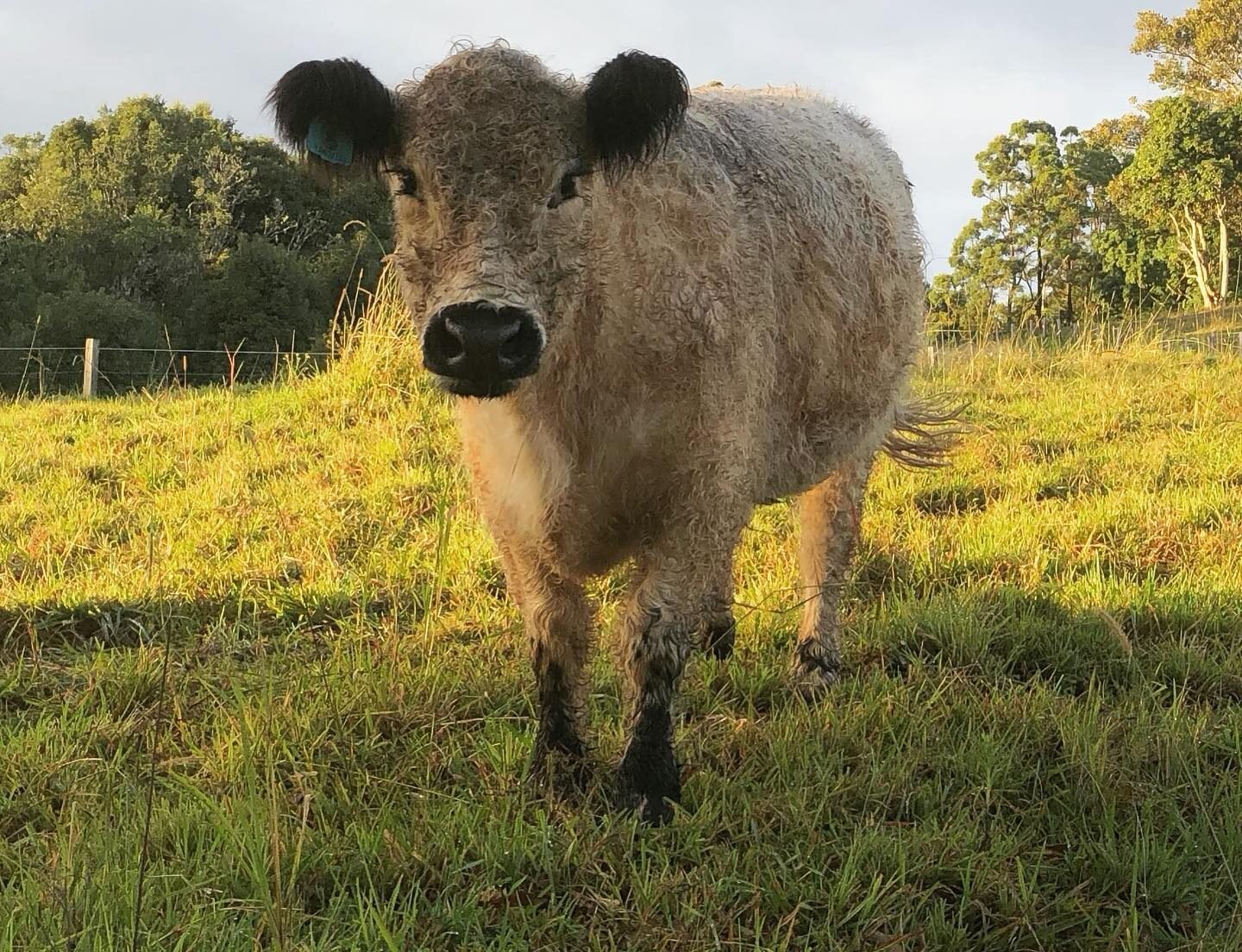
Besides, these cows are a very maternal breed with high fertility rates and easy calving. They are very hardy and can withstand winter and lower temperatures easily, thanks to their double coat.
Galloways are also a very docile and courageous herds that can prevent predators from harming their calves.
At the age of 10-12 months, bulls can get around 43 inches and grow up to 49 inches after hitting maturity in 4 years.
Height: less than 49 inches
Weight: 700 lbs
Lifespan: 16- 20 years
Best for: Dual-purpose herd
9. Miniature Texas Longhorn
Miniature Texas longhorns are bred for pets or companion animals.
When Christopher Columbus landed in the Americas in 1493, he had a small herd of Spanish cattle. After 2 centuries, 2 hundred descendants of those Spanish cows were sent north from Mexico to the missionary territory in the 1960s, which turned out to be Texas.
Then, missionaries and former ranchers vanished over time, but the cattle survived without human interference. Later, these herds became the first Texas longhorns, now a hearty and iconic North American breed.
In the late 19th century, farmers and ranchers started hedging and raising them. And Miniature Texas Longhorns are the shorter form of the taller breed with similar characteristics.
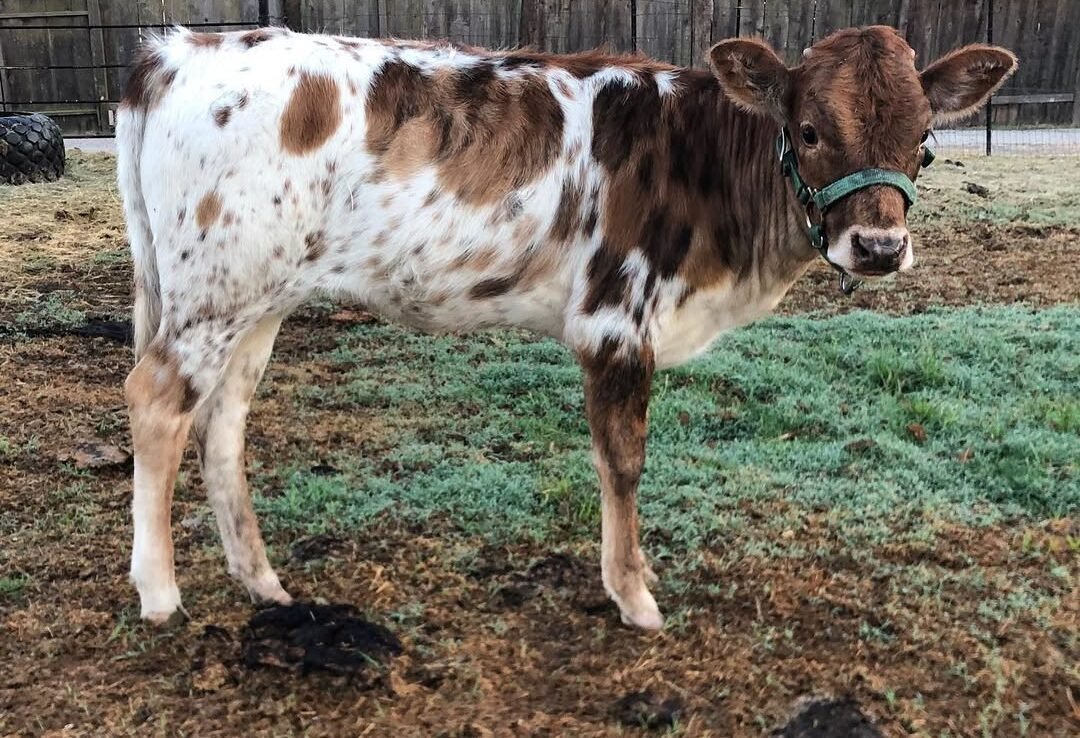
As the name suggests, these cows have long horns with a wide frame and pointed tips after a few curves.
They show a beautiful, striking coat color palette, combining reds, blacks, whites, and browns. They also have speckling or spots on their body.
Height: 45-48 inches
Weight: 300-700 lbs
Lifespan: around 10 years
Best for: Pet
10. Miniature Belted Galloway
Belted Galloways originated in Scotland in the 16th and 17th centuries, and later they were imported to the US in the mid-20th century. The miniature Belted Galloways are the smaller version of their larger counterparts.
The belties are the most distinctive and famous worldwide among other types for their black, red, or brown color with white strips along their middle body. It looks like Oreo.
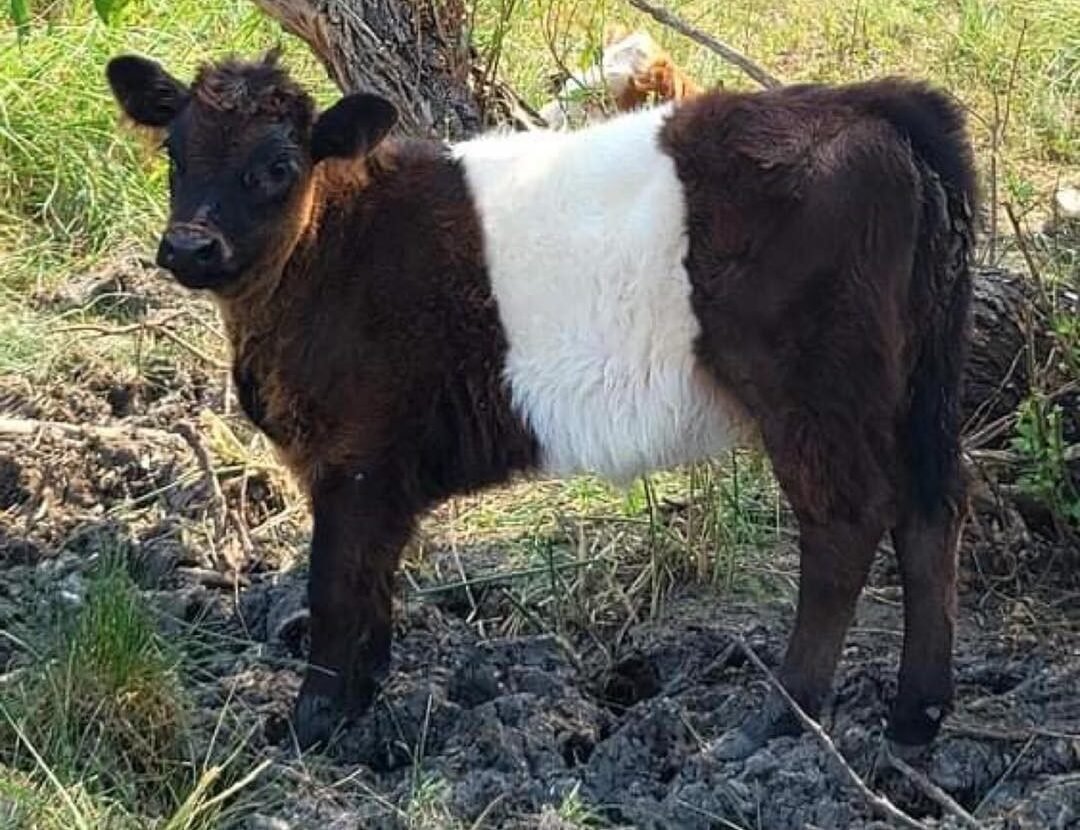
Many homesteaders or stockmen own Belted Galloways for this same appearance, which can add charm and draw attention to the animals.
But owning this breed has many other benefits, as they can tolerate cold and winter with their long, coarse, thick double coat. That hair also helps provide shade for the livestock in summer.
Besides, they make a great natural grass-fed beef herd and help cut down feed costs as they are non-selective grazers and excellent foragers.
But you need to provide them with fresh, clean water, high-quality hay, and regular parasite-control medication and vaccinations.
These mini cattle range from 36 inches to 46 inches.
I prefer a nice full belt, but any white bar around the belly indicates the belted gene is genuine.
Belties can be good dual-purpose cows, but I like to raise them for their beef, which is very lean under the double coat.
Height: 42-49 inches
Weight: 650-950 lbs
Lifespan: around 20 years
Best for: Dual-purpose and pet
Additional Miniature Cow Breeds
- Miniature Brahman
- Miniature Simmental
- Miniature Panda Cow
- Miniature Dutch Belted
- Miniature Murray Grey
- Miniature Devon
- Miniature Brown Swiss
- Miniature Guernsey
- Miniature Ayrshire
- Miniature Wagyu
- Miniature White Park
Final Thoughts
Miniature cows are a wise swap for sheep and goats if you need beef and enough milk for the family. Try keeping extra calves if you focus on milk production.
But, you should also be prepared to care for mini cows with more water, feed, a slightly larger pasture area, shelter, and vaccinations.
I know mini cows are fun to raise on the homestead, but you need to have experience, especially for ones with horns.


Leave a Reply