
Whether you want Thanksgiving and Christmas table birds or want to raise meat year-round, raising turkeys is an ideal choice.
I have been quite comfortable raising heritage turkeys. Though they’re lighter and smaller, they give a much richer taste and flavor than hybrid and overweight breeds.
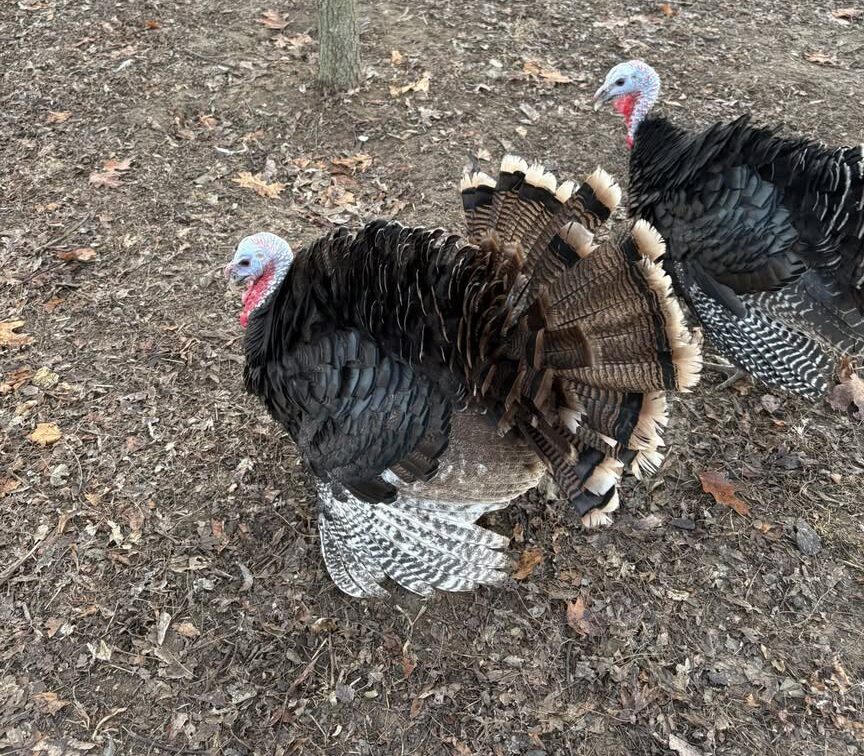
If you buy enough poults and keep two best tomes and 4-5 hens over winter, you’ll get plenty of chickens next year and continue with the table birds throughout the year.
Why Raise Turkeys
Rich Nutrition Meat
As poultry, turkeys have white and dark meat and are rich in nutrients and taste.
You can prepare turkey as a traditionally roasted whole bird or as a crown. These giant table birds are also suitable for serving with stuffing and trimmings.
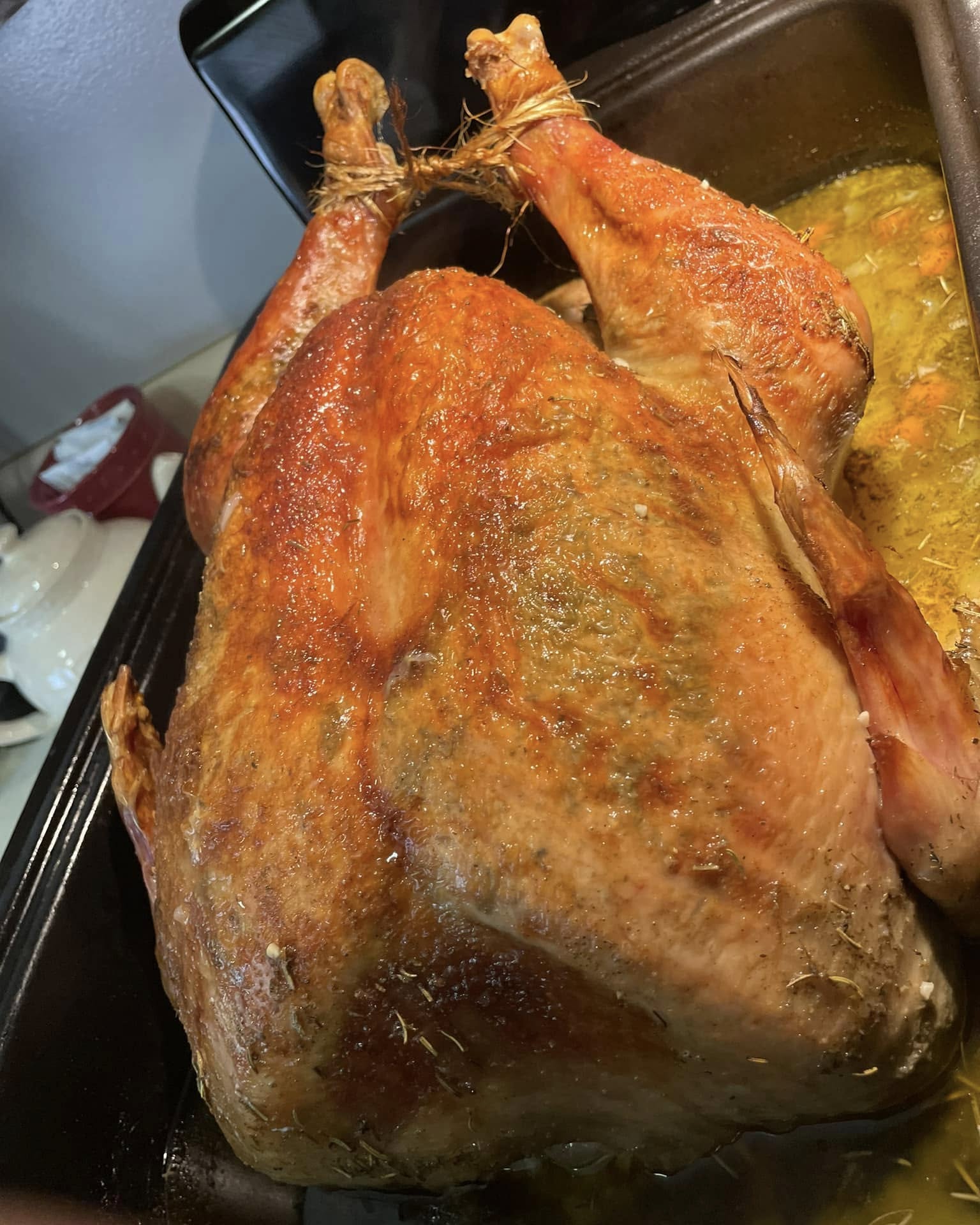
Anyway, turkey meat is rich in protein and has a lower fat content. It contains 6-8 grams of protein per ounce, and turkey breast and thigh can contain 22-30 grams of protein in a 4-oz serving.
It also provides a good source of vitamins B3 and B6 to promote a healthy metabolism and immune system.
Easier and Faster to Harvest
I prefer raising turkeys for meat because they are larger and easier to process.
While meat chickens reach 10 lbs at maturity, turkeys can weigh 45 lbs. 1 turkey is about 1 and a half chickens at the time of harvest.
Turkeys have a bigger body size, so it’s easier to get your hands on them and pull the guts out.
The broiler chickens have their bottom feathers always dirty with mud, litter, and earth. Be they in the coop or the chicken tractor, they get the dirt on their breast and feathers.
But turkeys remain cleaner because they stay above ground. So, you won’t feel dizzy when processing the birds.
I often hatch heritage turkeys in the spring and harvest them in the fall. They are smaller than the broad-breasted turkeys at the same age, but their meat quality is quite good.
They’re Docile
You won’t complain that your birds are aggressive and always want to chase your kids and visitors.
Turkeys are very friendly, so you can lift them up and handle them easily. Even your kids can move or house your bird flock easily in the evening.
They also make companion animals with homestead animals, such as chickens, ducks, guinea fowl, geese, pigs, goats, and sheep.
Delicious Meat
Turkey meat has a leaner, tougher texture than chicken, with a deep flavor. Even the older hen meat is more flavorful. You can expect the following meals from each cut:
- Breast: brine and smoke for lunch meat
- Bones: roast for broth; you can also pick out the small meaty bits to use in soup.
- Legs, back, thighs, and trim: Mix these with either pork or beef brisket fat to make breakfast or other turkey sausages.
Getting Started
It’s not a different place where you buy chicken chicks.
I suggest you try to get your turkey chicks from local hatcheries, which are cheaper, and the chances are high that they will survive and do better in the same climate and environment.
Like any other birds, the best time to bring chicks home is spring. But you must know which turkey breed you need to have and how many.
Let me give you some ideas. There are several turkey breeds, but I suggest you choose Broad-Breasted Bronze and Broad-Breasted Giant White turkeys, which can grow faster and produce more meat.
If not, try heritage breeds such as Bourbon Red, Narragansett, or Midget White. I like heritage turkeys for their superior flavor.
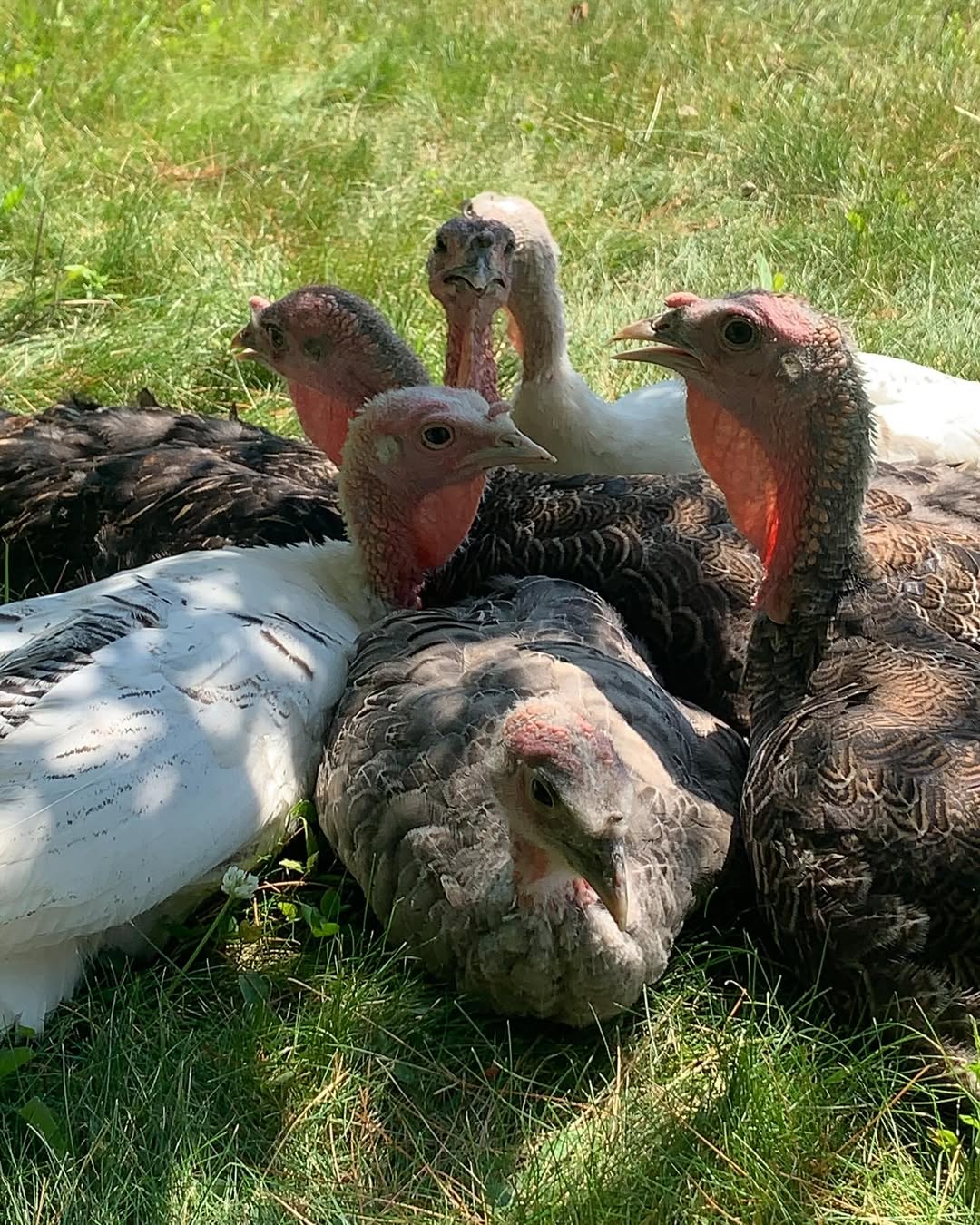
As turkeys are social birds, you can start with 3-6 birds for your backyard.
But if you focus on meat for your homestead, add 10-12 chicks per flock, depending on your meat requirement or the size of your family.
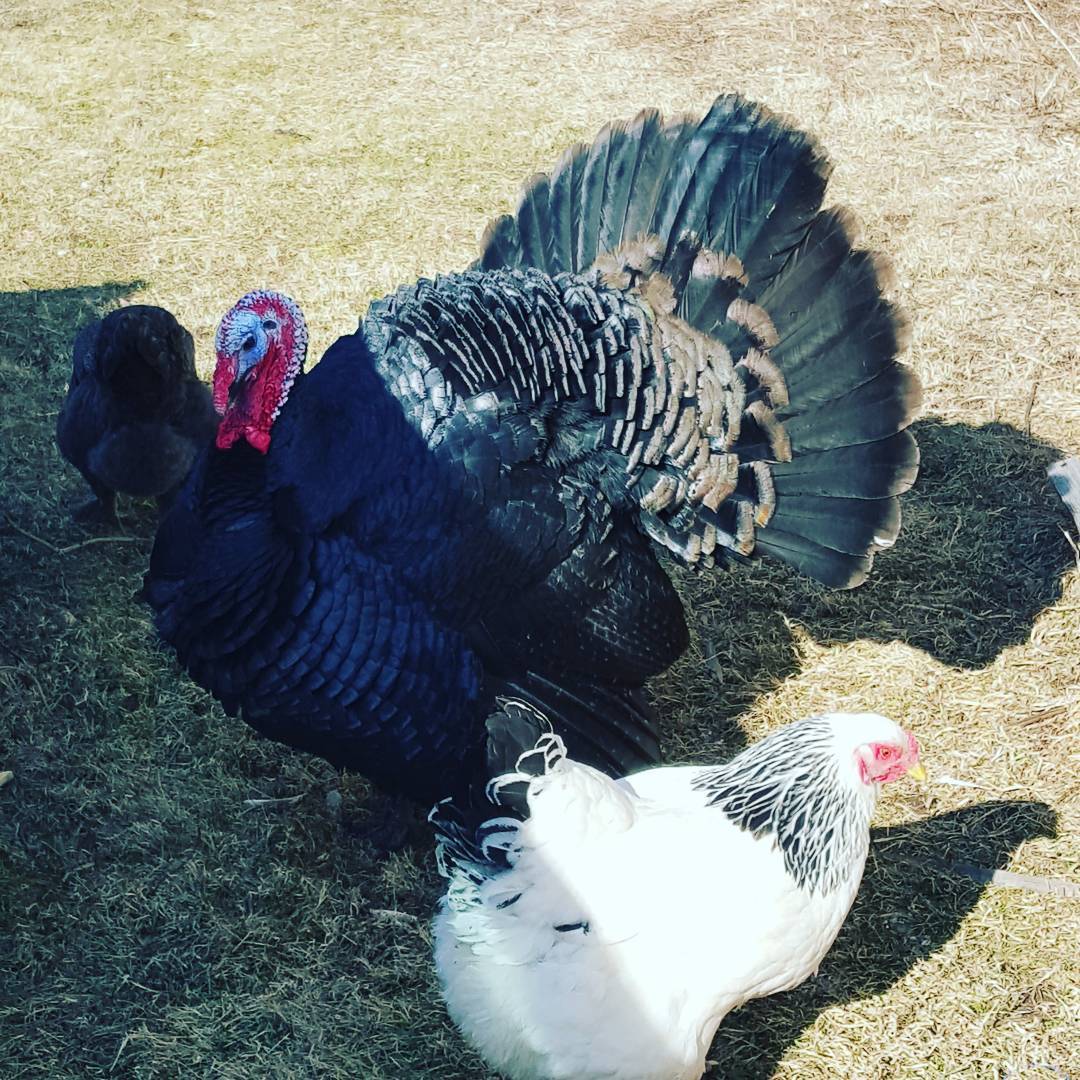
Keep 1 tom per 3 hens together to avoid competition and aggressive behavior.
Anyway, after ordering chicks, prepare the brooder.
Are Chickens and Turkeys the Same in Raising?
If you already have one that has been used for chickens, clean the setup, add new bedding, and your brooder will be ready. Chickens and turkeys can use the same brooder setup.
The difference is that turkeys grow bigger than chickens and require a bit larger setup if you have planned the same number of chicks as you used previously for chickens.
If you’re making some guesses about raising turkeys and chickens being the same, you can treat turkeys and chickens the same way, but you need to pay attention to some factors.
When they’re juvenile, you want to keep them separate from the flock.
After keeping them as a separate batch until they’re grown up and independent, you’re free to release them to the turkey flock. I’ve been using A-frame run for this purpose for quite some time.
If you don’t have a separate area like this, you can add a fence between the paddock or barnyard (which will be for the main flock) and a space where you can put your young chicks.
Space Requirement
Brooder Setup
As I mentioned earlier, turkeys grow faster and bigger, so they need 2 square feet per poult in the brooder until they are 8 weeks old.
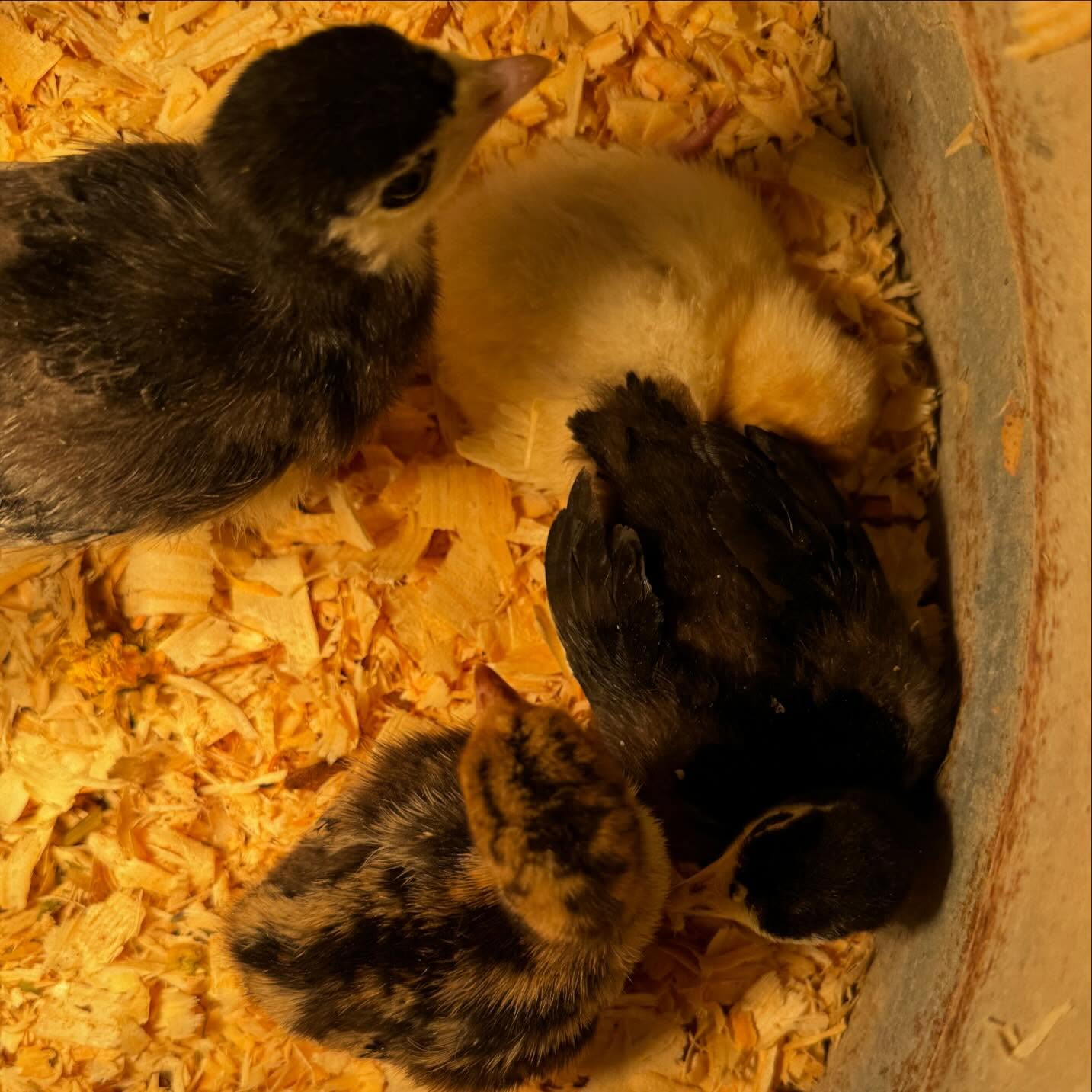
Add a heater and maintain the temperature around 95-100 degrees Fahrenheight for the first week and reduce it by 5 degrees every week after that until your birds are fully feathered.
You don’t need to worry about the mess that you expect from the ducks. Still, I suggest you keep them in a container with high sides and a hard floor.
Besides, add wood shavings as bedding, and then a waterer and feeder for the chicks.
Coop & Run
When they’re large enough with the feathers, you can shift them into their permanent house or coop.
There, they require a minimum of 3 square feet per bird if they’re 8-16 weeks old.
Also, you can keep them in a space between 5 and 8 square feet per bird when they are around 16 to 20 weeks of age and up to their market weight.
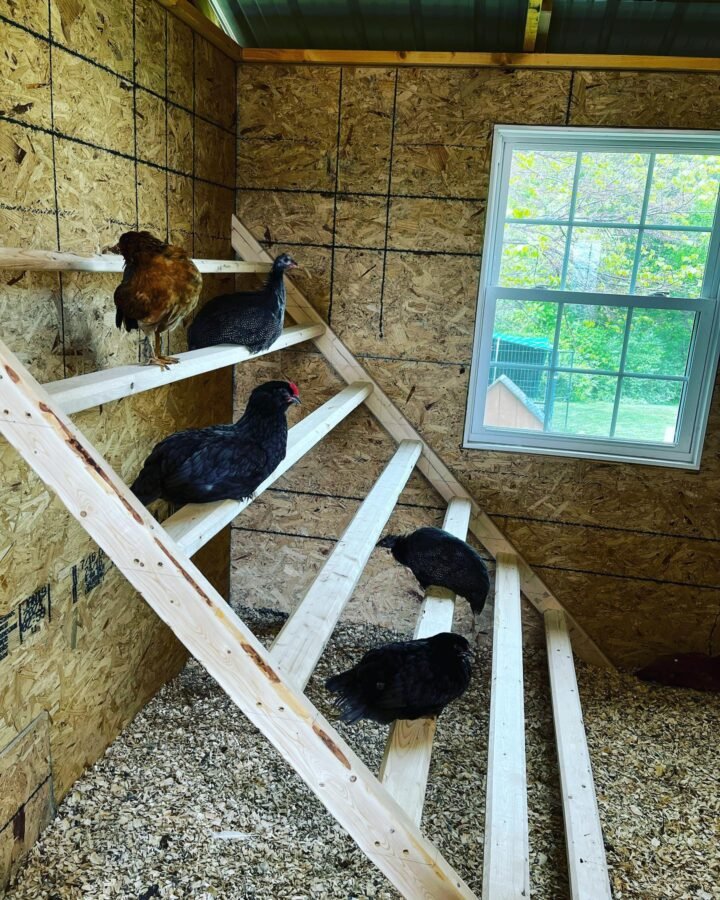
If you want to add a roost for them, make one or many from wooden frames, which need to be 2 to 3 feet off the ground. It should provide 5-8 square feet of space per bird.
But I don’t recommend installing perching for commercial or heavy turkey breeds, as they are too heavy and may cause blisters.
So, your confined structure also needs to be 5-6 feet high to flap and provide ventilation for birds.
You don’t suppose to raise turkeys to lay eggs if you want them for meat.
But you want to breed an extra batch of turkeys, or you want the eggs anyway, keep a nesting box, which can be roughly 2 square feet, and add dry bedding there.
Outdoor Setup
You can also have free-ranging turkeys as an option if you own a homestead. But you need to make sure you have arranged a predator-safe area.
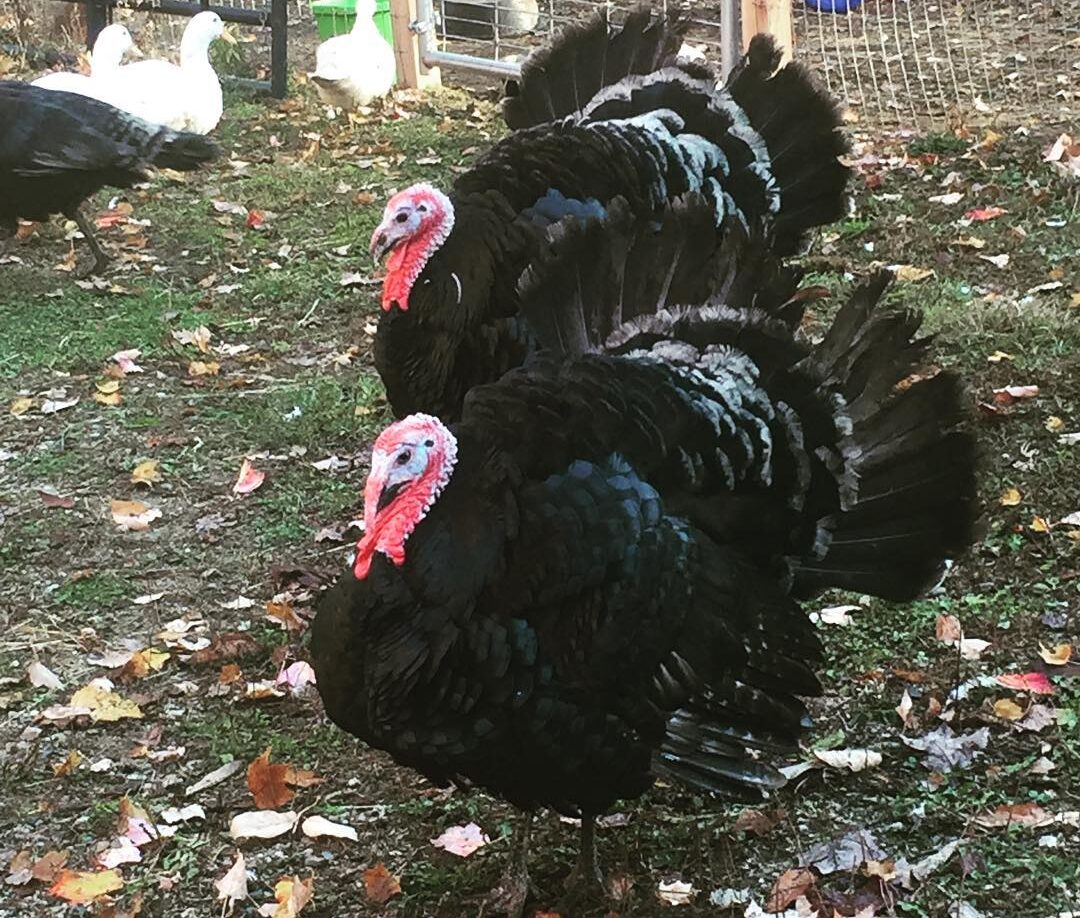
Also, keep in mind that they can fly, especially heritage and domestic turkeys, which can jump and fly up to 5-6 feet. A few may also reach second-story windows.
So, one solution can be that you have to create a large pen with electric poultry netting or a large aviary-style run with netting.. But this system should also allow birds to pasture.
Besides, you can build a small coop with outdoor access for a small flock.
And for this purpose, a tractor-type house is an ideal choice. This helps you prevent bird escapes and protect them from predators.
Feeding & Water Management
Think of turkeys as large or giant chickens, which require more space and more feed.
Just like you raise chickens for meat, you also need to treat turkeys the same way with feed, starting with starter crumbs, then grower pellets, and finally maintenance pellets.
But the difference is that turkey poults eat gamebird feed as they require higher protein intake.
Thanks to the turkey starter, which contains 28-30% protein, you can feed it to newly hatched turkey chicks for 8 weeks.
This ensures rapid, early growth in birds.
Many keepers also feed their birds with starter crumbs with 22-2% protein for 5-8 weeks.
When they are 8-20 weeks old, switch to a turkey grower that contains 20-24% protein. Your birds keep growing in size and weight.
Finally, harvest them when they are over 20 weeks old.
But until then, feed the grown-ups with turkey finisher in the final weeks. This feed contains 18-20% protein.
If you want adult turkeys for some more time, you can use turkey maintenance feed, game bird feed, or all-flock feed, which have 15 to 20% protein.
You can also give some healthy treats such as leafy greens, fruits, and vegetables in moderate amounts.
I often have a small fodder system with barley grain and rotate 7-8 trays.
Plums, apples, and sweetcorn can be their favorites.
But avoid avocado, onions, beans, and fruit pits and seeds, as well as tomato and eggplant leaves. Also, don’t give them processed food, sweets, chocolate, or dairy items.
Besides, crush the eggshells and oyster shells, then mix the powders into their diet. This helps provide the calcium intake.
Expect your toms to eat 2.5 cups of feed and hens to consume ⅔ cups per bird.
Want to Reduce Feed Cost?
It takes 4 lbs of feed to make 1 lb of turkey meat.
If you feed your birds only game bird ration, you will find the heritage turkeys consuming around 75 lbs of feed before they reach harvesting age.
But don’t worry, there are ways to reduce this feed cost.
If you allow your birds to free range in your backyard or pasture, they scratch and peck for some nice feed for themselves.
The grass, seeds, grains, bugs, spiders, worms, and even lizards can be their best forages.
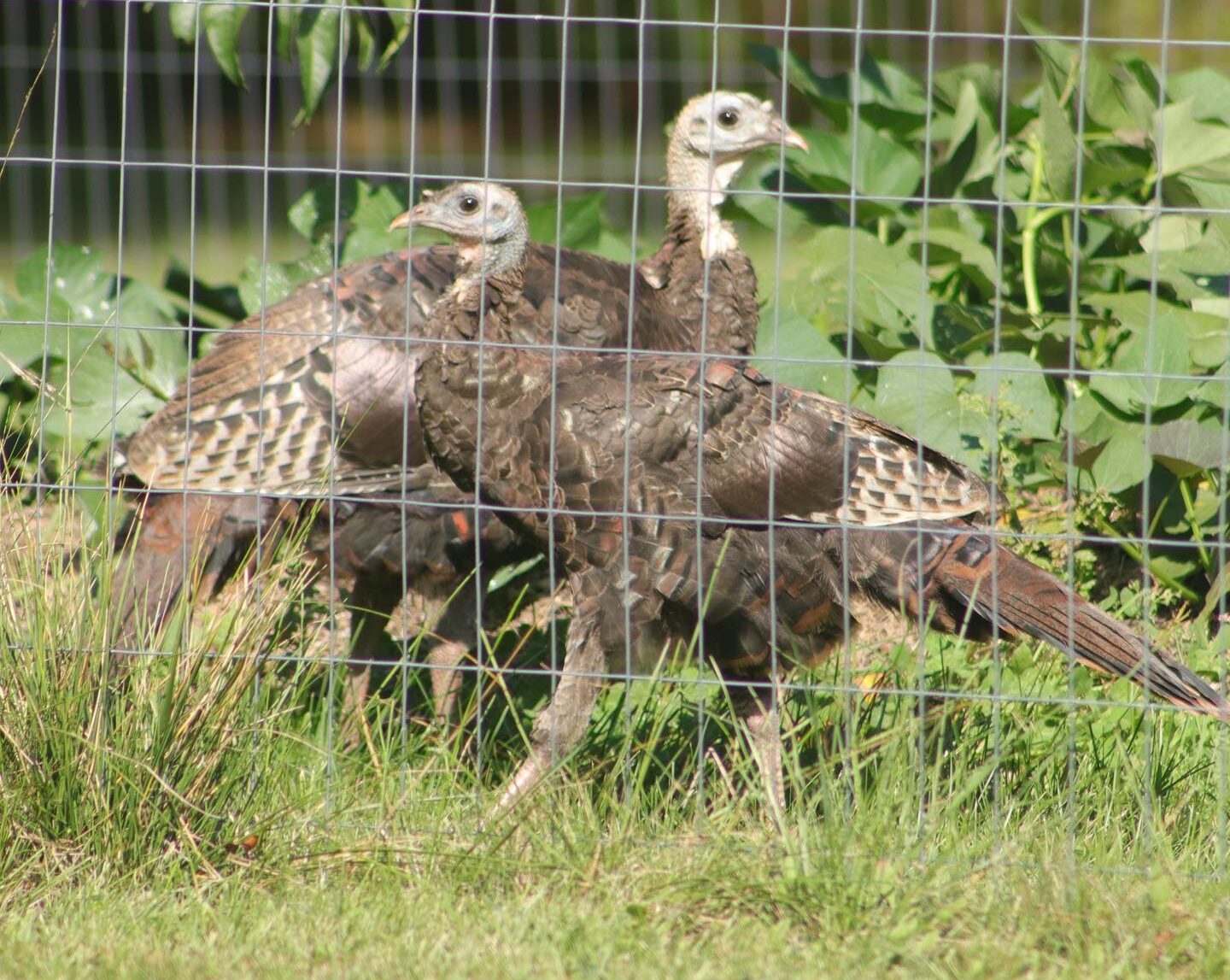
My turkeys run, chase each other, search for bugs, and eat grass all day. I don’t overfeed them; I only give them a couple of buckets of feed in the morning.
Still, they grow fast, big and fat.
Do you know turkeys use their legs and heart muscles while foraging and running around?
If turkeys don’t have heart attacks, they are also not prone to broken legs
To avoid their boredom, you can hang the cabbage, zucchini, or pumpkins, or pierce these vegetables on a stick, before them, so that your birds can peck at and fill themselves.
There are garden and kitchen wastes that can be great feed for turkeys. But don’t give them raw meat.
Water Intake
Give your birds always clean water. If they run out, refill the waterer to help avoid overdrinking, as it can cause digestive issues.
But don’t worry, they need twice as much water as the amount of feed your birds consume in a day. For instance, if a tom eats 2.5 cups of feed, it should drink 5 cups of water per bird.
But hens don’t drink much and live on 1.5 cups of water a day per bird. But they will need more full bowls in the summer, and make sure you keep your livestock water in the winter.
Processing Turkeys
The hybrid turkeys grow faster and reach market weight in 14-19 weeks, while heritage turkeys take longer and are harvestable only between 28 and 32 weeks.
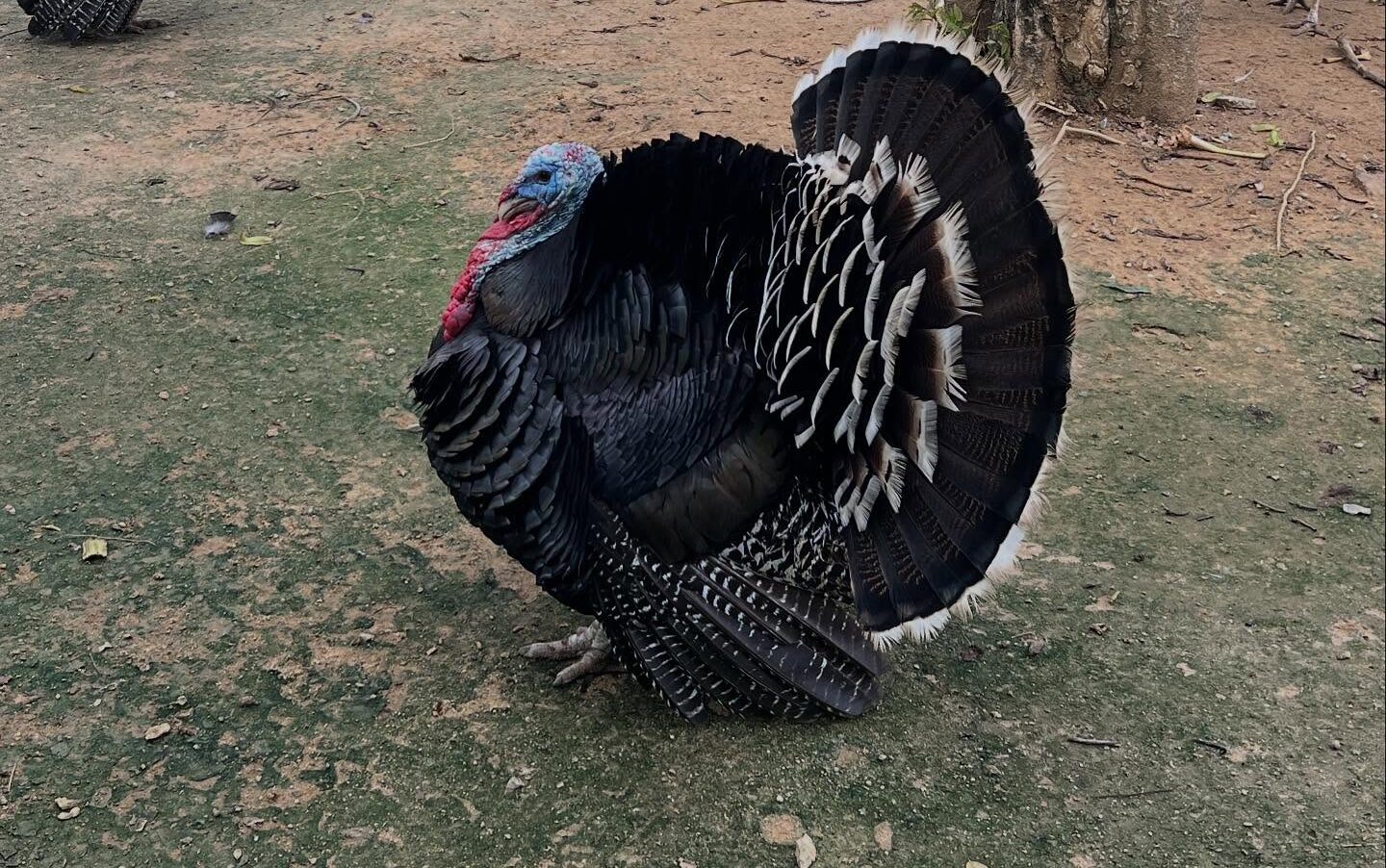
Expect hens to get ready for processing earlier than toms. And I like heritage birds that are at least a year old.
It’s like processing a large, overgrown chicken, which isn’t difficult. Take a huge scalding pot, and you may need bigger pluckers than you do for backyard chickens.
You’re going to dress out about 75% of a bird’s live weight. I often break down the carcasses of turkeys into breasts, thighs, wings, legs, and backbones. If you want to eat fresh, you’re ready to go.
But if you want to preserve it for Thanksgiving or other events and for later uses, vacuum-pack the meat into portions.
There are large poultry shrink-wrap bags available in the market to pack turkey meat and put them into the freezer.
Final Thoughts
If you want to raise turkeys for meat year-round (not just for Thanksgiving), get some heritage birds and hatch new chicks.
For instance, I use an incubator (which automatically rotates the eggs) and hatch 2 groups of chickens from March through October, sometimes before it gets too cold.
So, I often get an average of 30 chicks per hatching group. Then, I rotate some of my older hens out every season for stews and treats for my homestead dog, and keep the younger ones going until they are productive.
Leave a Reply