
Ducks like small plants with new shoots and leaves in the pond, but they also need a few mature-sized plants along with tender, tiny ones.
Plant vegetation that helps with muddy duck ponds, algae buildup, or dirty water, so that your waterfowl remain safe and enjoy more.
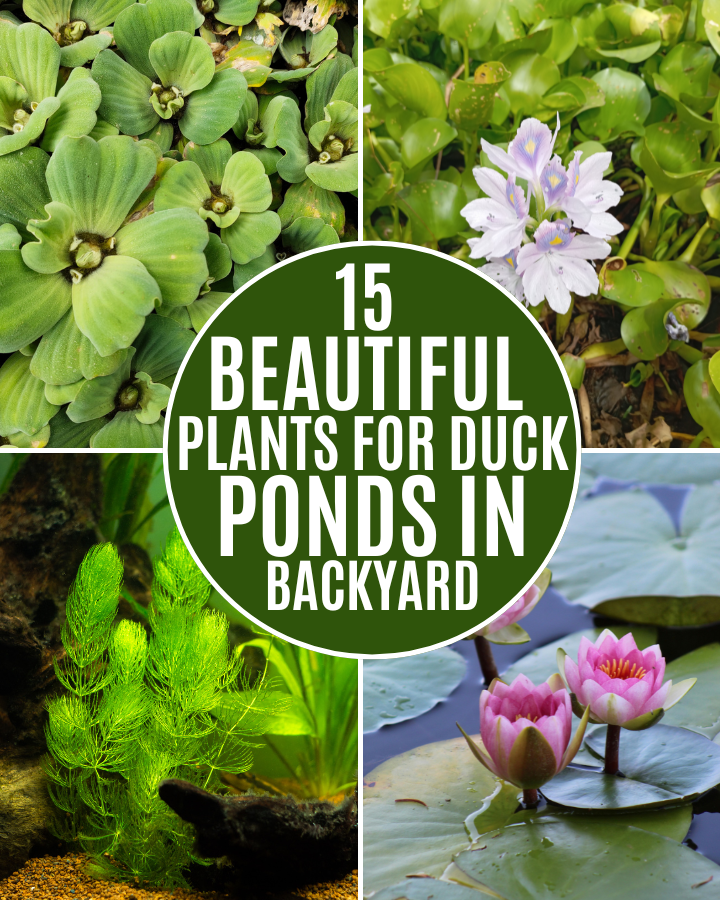
If you’re just starting out, let me show you a list of the best plants for a duck pond that provide natural water filtration, shade, habitat, and natural duck feed.
Floating Plants
Water Lettuce
These aquatic plants have soft green rosettes above water and roots underwater. They absorb excess nutrients, help reduce algae, and provide shade for underwater species (fish, if you have kept them).
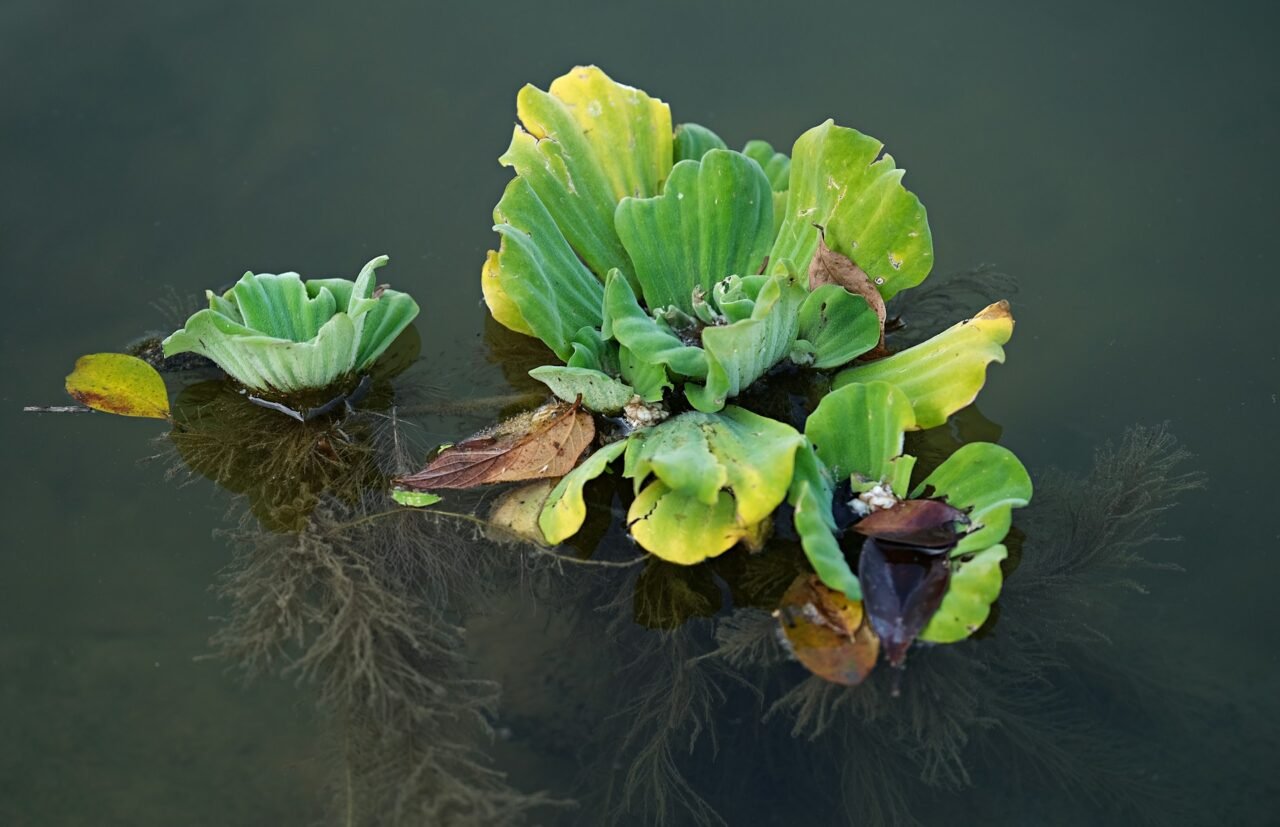
Ducks nibble the roots and leaves of water lettuce while taking a bath or swimming in the pond.
They make good treats for ducks and pigs on your farm and homestead.
These plants grow best in warm or tropical climates and multiply quickly. If you throw one lettuce into your pond, you will find it completely filled with lettuce in only a few days.
So, you need to thin out these plants every few days in the spring and summer if your waterfowl cannot finish eating them.
It becomes essential because they can block sunlight from entering underwater, and the thick vegetation also makes it hard for ducks to play in the water.
Duckweed
Duckweed, or Lemna, is a tiny water plant (let’s say the smallest flowering plant) with three petals. They grow in dense colonies and make a green blanket over the water.
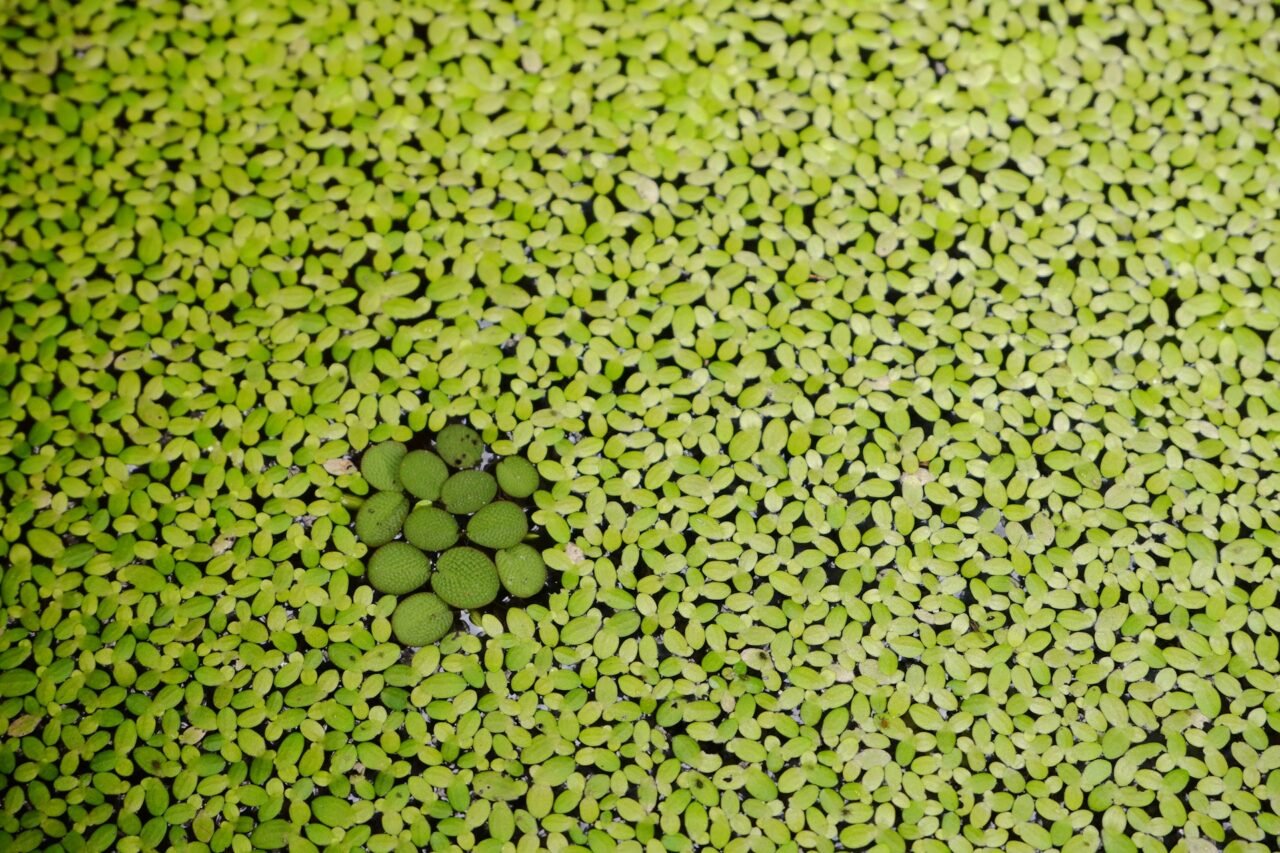
You can see them in the calm water or a natural wetland.
As the name suggests, domestic ducks love it as a protein source. Even fish for home farming, such as goldfish and Koi, eat duckweed.
Duckweed also removes excess nutrients such as nitrogen and phosphates and filters contaminants, including bacteria to keep a duck pond clean.
I also love how it blocks mosquitoes from laying eggs and generating a population.
Water Hyacinth
Water hyacinth has several uses. For example, you can use it as an organic fertilizer and use it as animal feed and silage for cattle, geese, ducks, pigs, and other livestock.
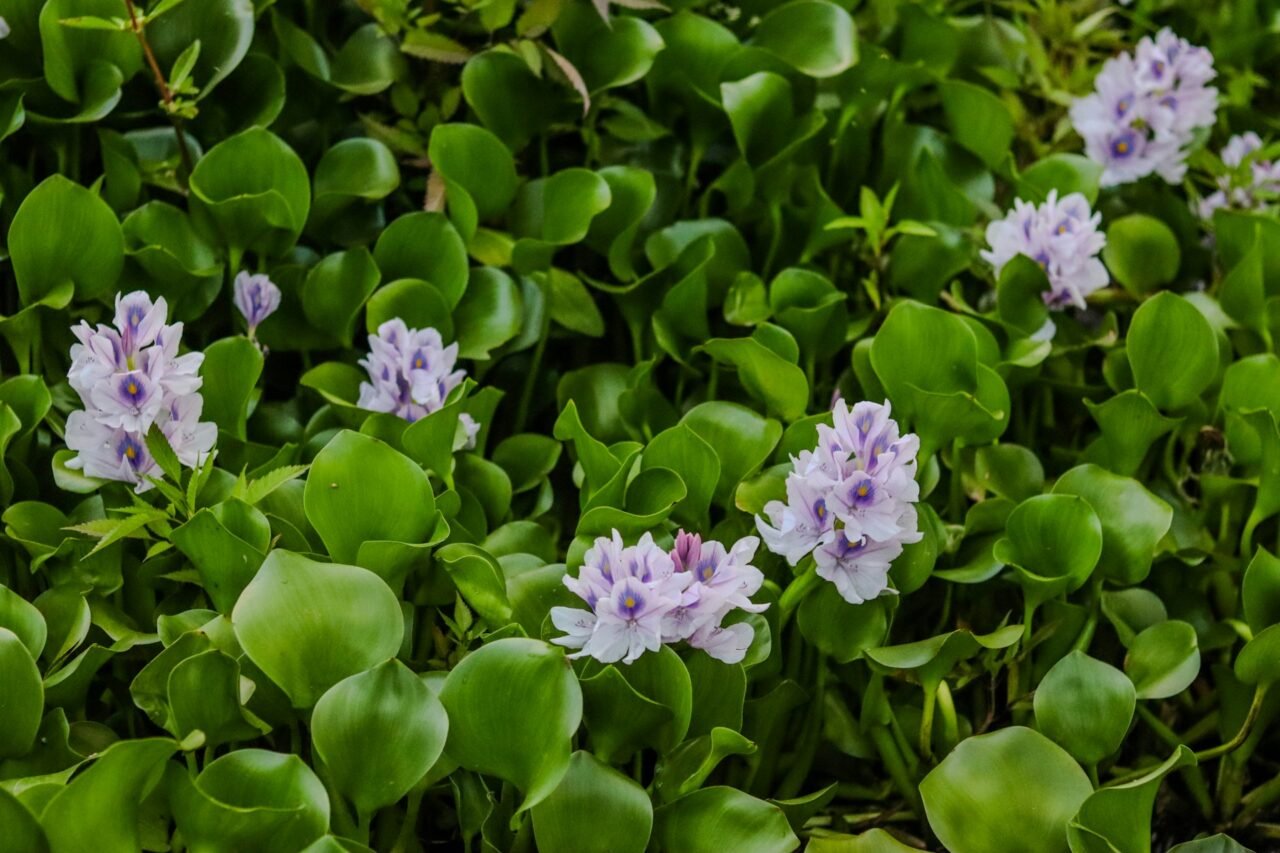
You can tell this plant by its purple flowers and thick roots.
They also help remove nitrates and water waste.
As they grow prolifically, you need to keep them in a separate section of the big pond. Make sure you have kept enough for your waterfowl, as they cannot swim through dense hyacinth vegetation.
If not, you need to remove or thin out the plant colony every few days.
Submerged Oxygenating Plants
Hornwort
Hornworts are like racoontails, which grow underwater and in the form of whorls, with up to 12 whorls per plant. They are often found in ponds with depths of about 7 feet.
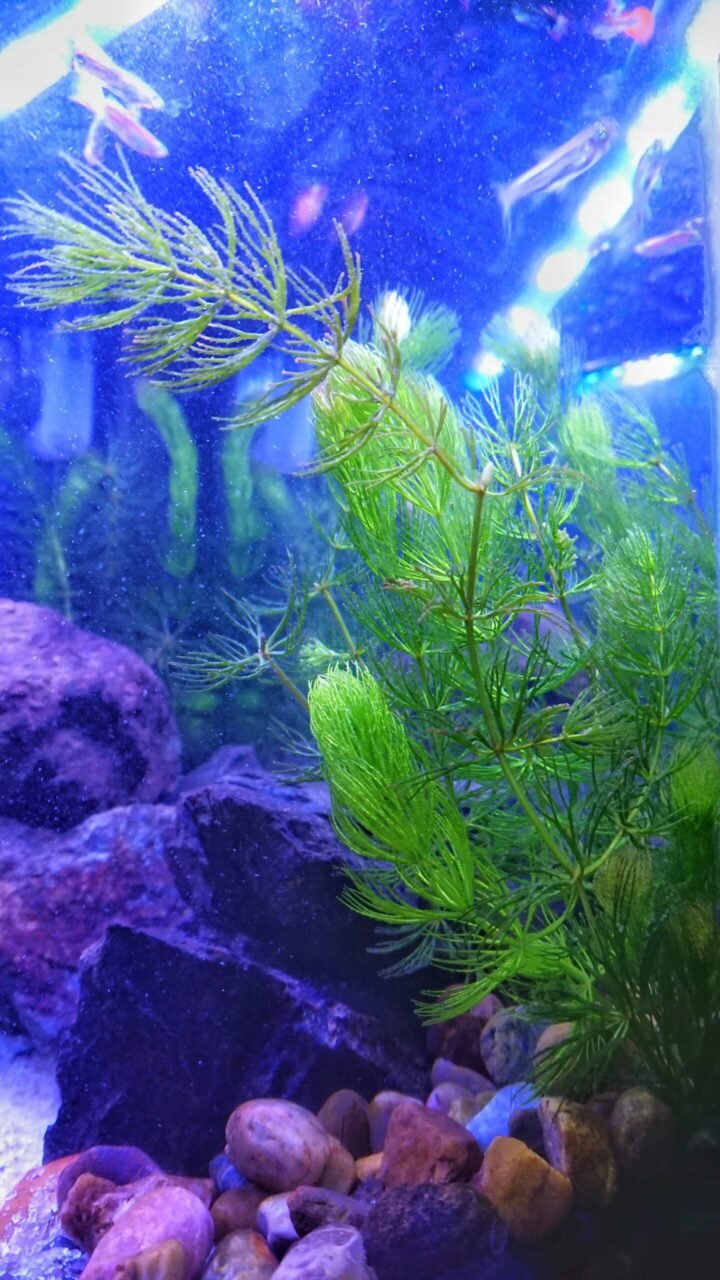
In the wild, they protect small animals like frogs and fish. You could also have found hornwort aquarium plants in the fish tank.
They can float or anchor in the water and oxygenate the pond, helping improve fish and pond health.
Besides, they maintain the water balance in the pond.
Marginal Pond Plants
Pickerelweed
Pickerelweeds are aquatic plants with purple or violet-blue spiky flowers in the shape of a funnel. They grow in the marshes, sluggish streams, and shallow water ponds.
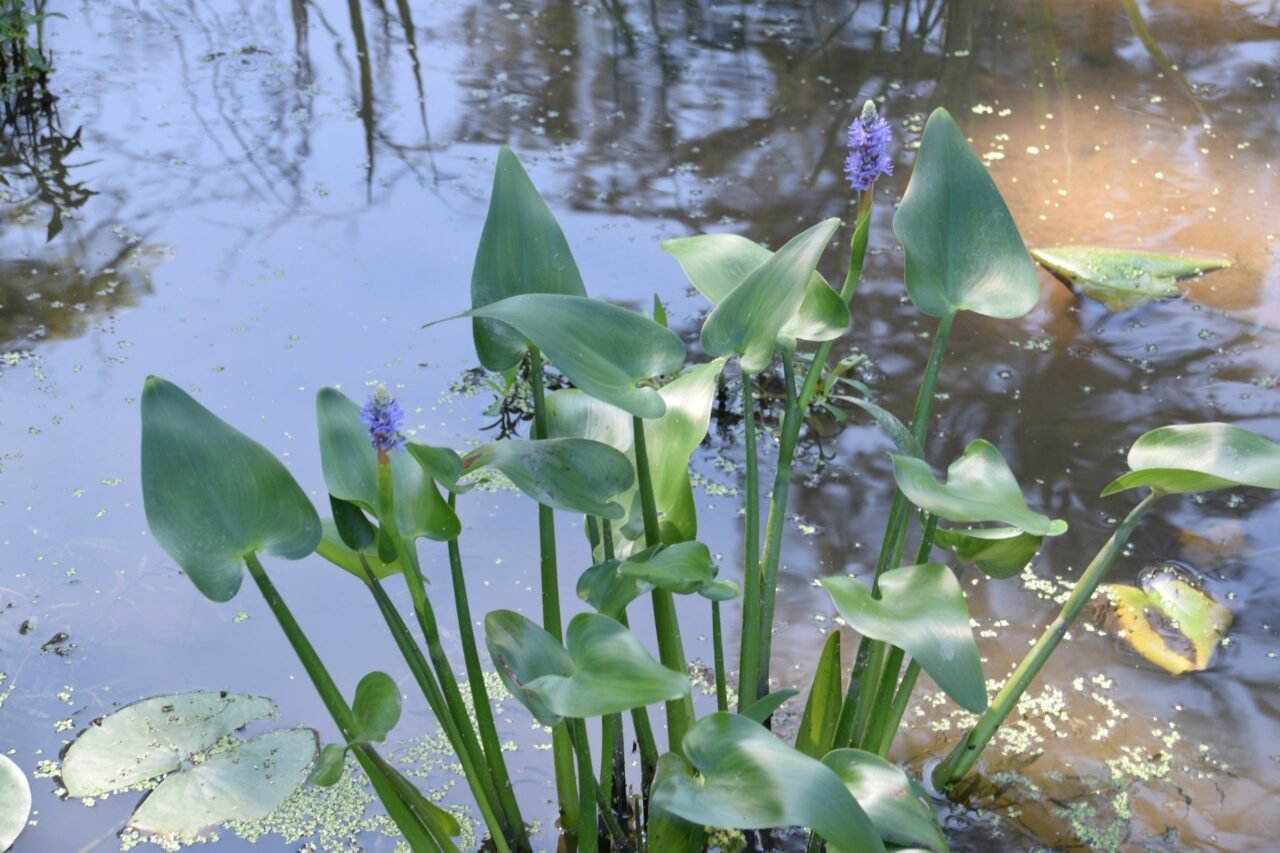
They reach 3.5 feet in height and add charm to your backyard garden.
Their young leafstalks make good silage for your ducks and other livestock. In the pond, waterfowl enjoy picking their seeds when ripe.
You can plant these flowers in the littoral zone all around. They work as a natural fence to the pond.
Water Mint
Water mint is a herb with hairy, toothed leaves in an oval shape. They boast reddish stems and bloom with clusters of lilac-pink flowers at the end of each stem.
You can see these flowering plants in the damp places and water bodies such as rivers, pools, canals, marshes, and wet meadows in the wild.
They prefer shallow margins.
Their leaves have fragrance and are used to make food and drink flavorful.
Watercress
Not only ducks and other livestock animals, but you can also eat watercress. It is traditionally used as a leafy vegetable.
Watercress looks like the seedlings of vegetables such as cauliflower and fodder.
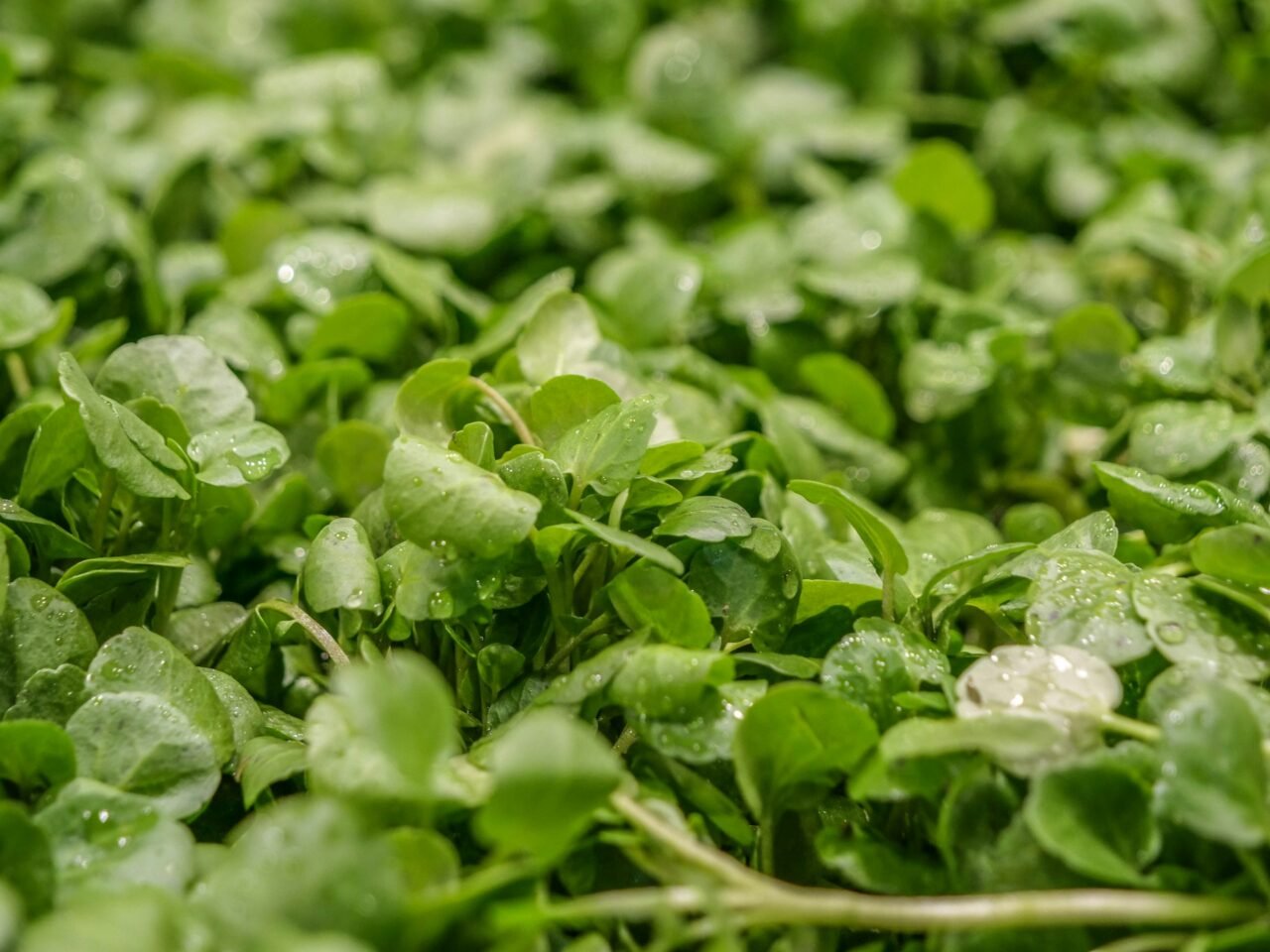
Their stems are hollow, which helps watercress float. Their leaves are compound in pinnate form. Watercress also produces small, white, and green inflorescences in clusters.
You can cultivate watercress in the backyard pond or on a large scale. They are best suited to hydroponic cultivation with slightly alkaline water.
Marsh Marigold
Are you dreaming of bright flowers with black and white ducks in the pond?
Marsh Marigold produces cup-shaped yellow flowers. They flower from March to May.
You can find these flowers in the wild, such as marshy areas, near streams, wetlands, and rock crevices. When growing in the garden, make sure they get full sun.
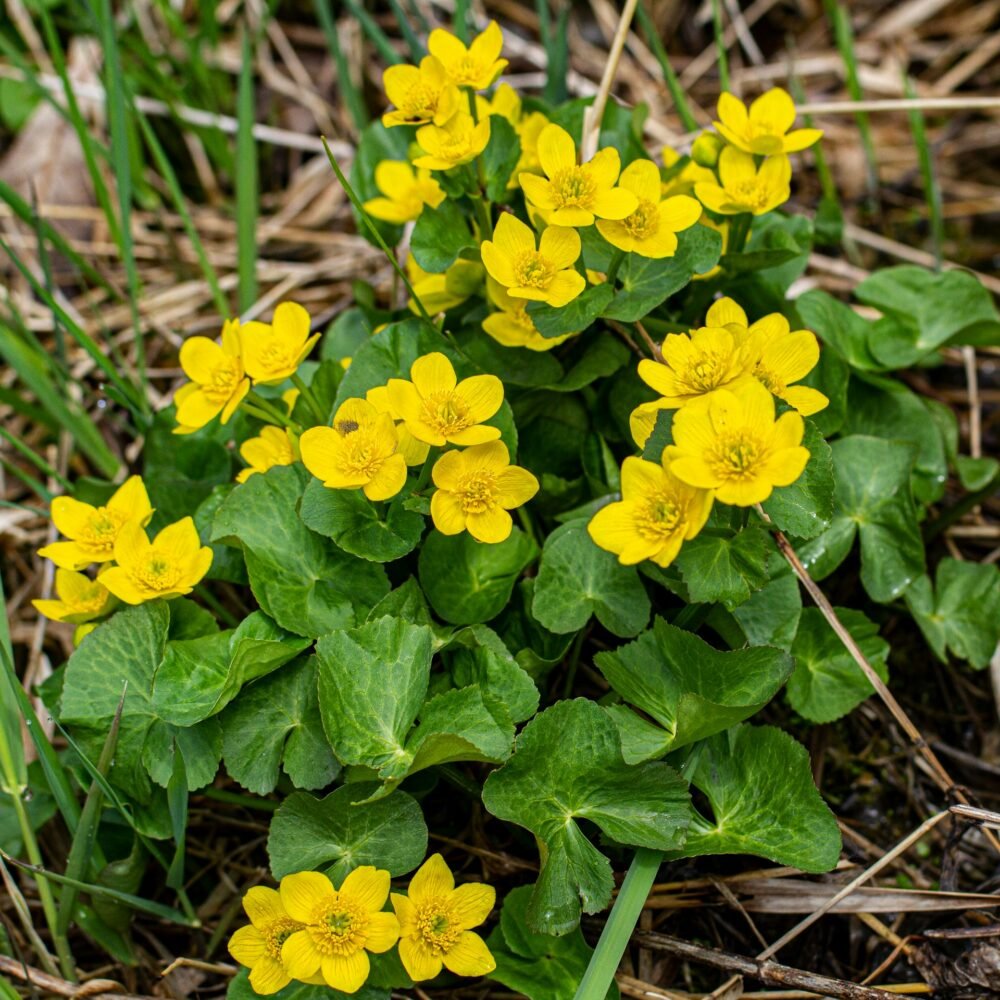
Don’t worry, they also withstand extreme winters and always add charm to the pond.
Ducks and small wildlife get food from the seeds of Marsh Marigold.
I suggest you plant Marsh Marigold in the rain gardens, along the edges of duck ponds and in ephemeral ponds.
Arrowhead (Duck Potato)
I’m talking about the Arrowhead plant that you grow as a houseplant inside the home.
You can tell these arrowhead plants by their dark green arrow-shaped leaves with rounded leaves on the surface of the water and narrow leaves underwater.
They also produce small, white flowers that have a dark center.
If you ever notice them, you can see these flowers open in the afternoon and early evening.
The waterfowl, such as ducks and geese, also love eating tubers of arrowheads, which are rich in carbohydrates. They also consume arrowhead seeds in the pond.
Anyway, Arrowheads are excellent for pond edges.
Lotus
No need to mention that lotus is a beautiful ornamental pond plant, which blooms with white, pink, yellow, red, blue, and purple flowers.
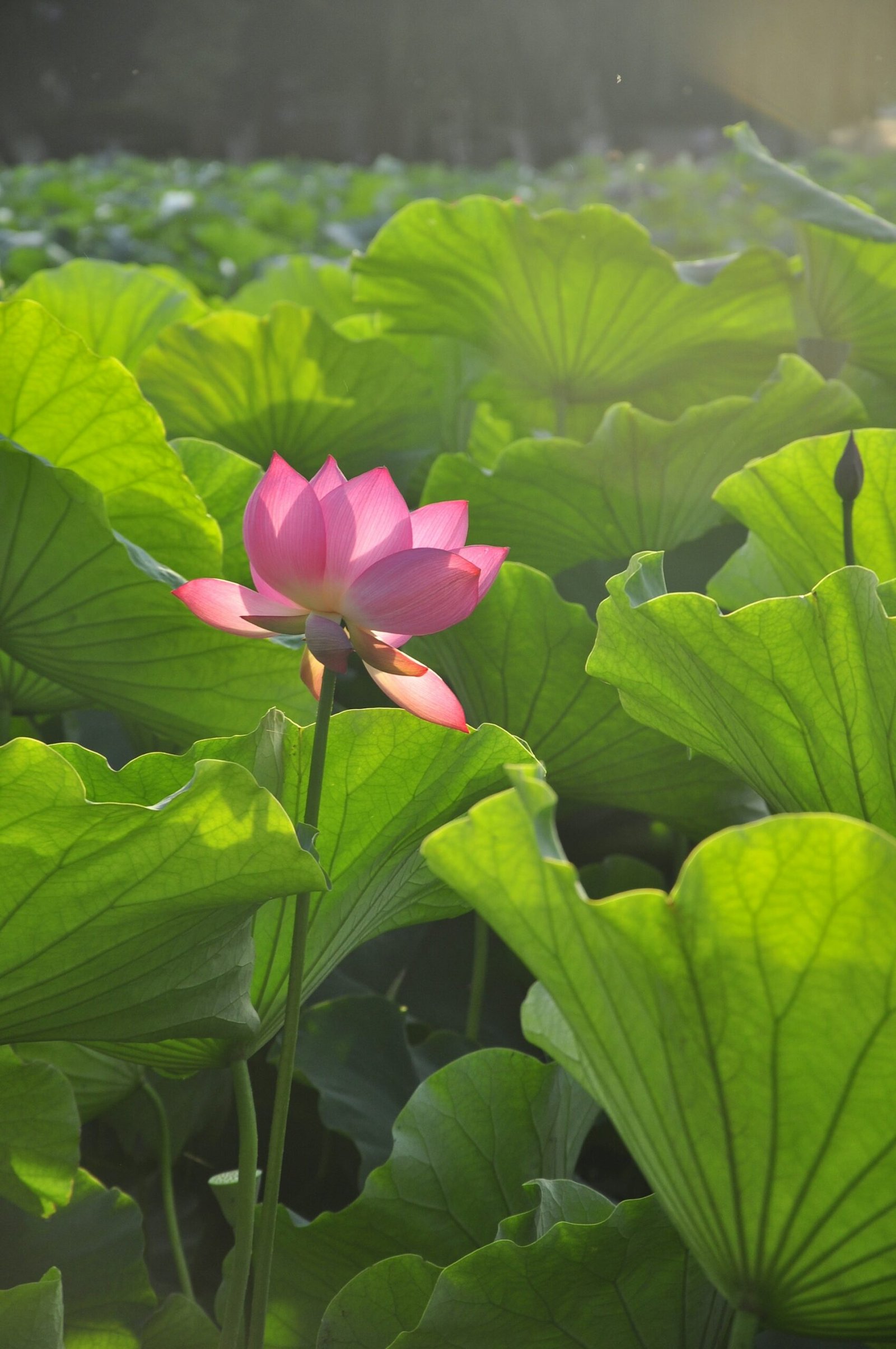
With their large leaves, they provide shade underwater and help reduce algae growth in the pond.
Each part, including flowers, seeds, stems, leaves, and rhizomes, is equally useful in a homestead or other case.
For example, their leaves can be used as temporary food containers, making them eco-friendly alternatives to household items.
Water Lily
Don’t mistake water lilies for lotus, as they are distinct aquatic plants. They have bowl-shaped flowers, though.
Whereas lotuses have rounded petals, elevated, showerhead-like seed pods, and circular leaves, water lilies boast pointed petals and notched leaves.
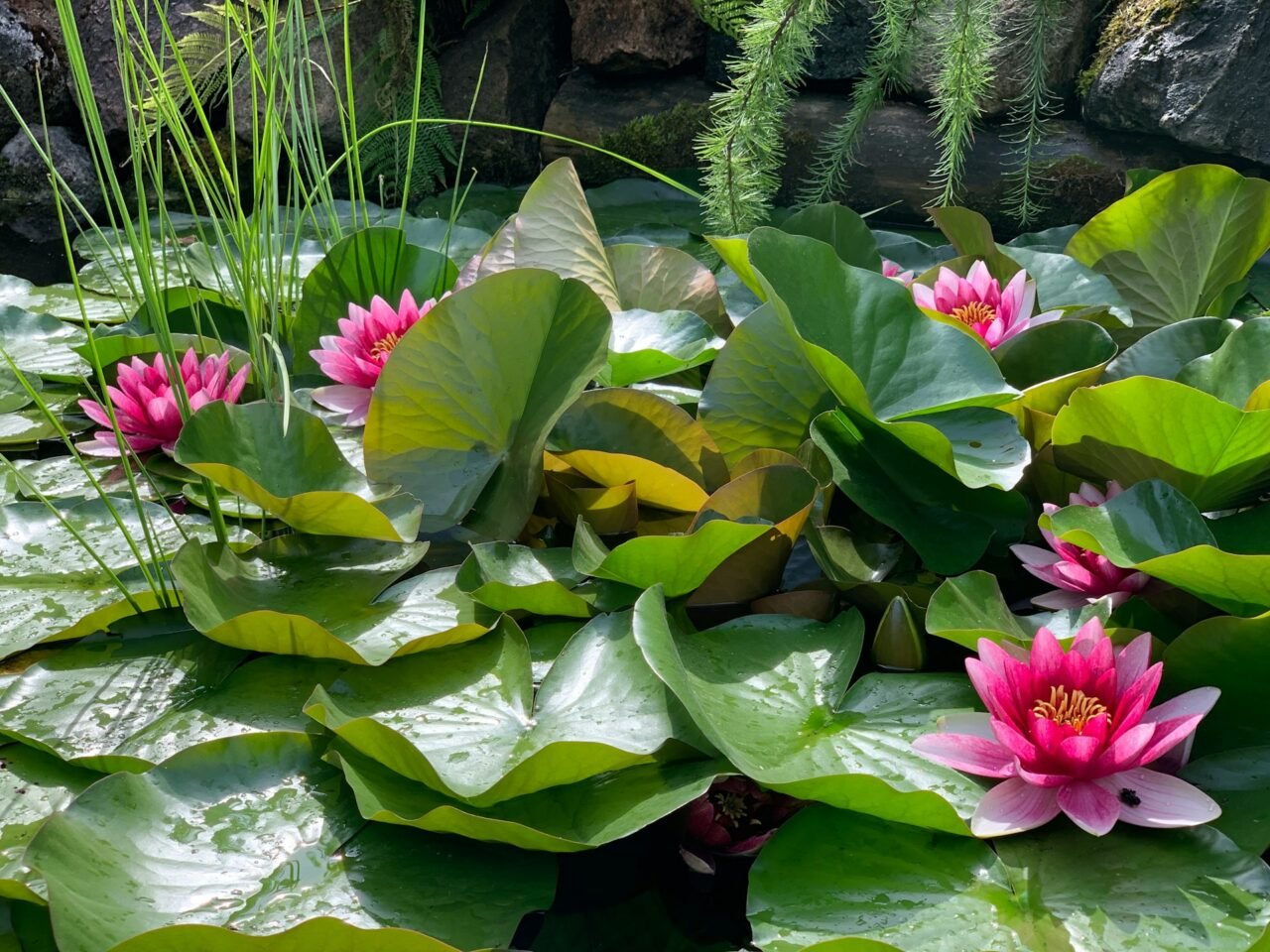
Did you notice water lily flowers and leaves are small and float in water, while lotus flowers and leaves grow above the water, reaching 1-6 feet tall?
Lilies also bloom in several colors, such as white, yellow, pink, red, and orange.
Blue Flag Iris
Blue flag iris grows 2 to 3 feet and requires very moist or wet, humusy to sandy soil. You can easily find these plants in boggy, acidic areas with full sun.
You can tell them by their sword-shaped, green foliage and beautiful 3-4 inch violet-blue flowers.
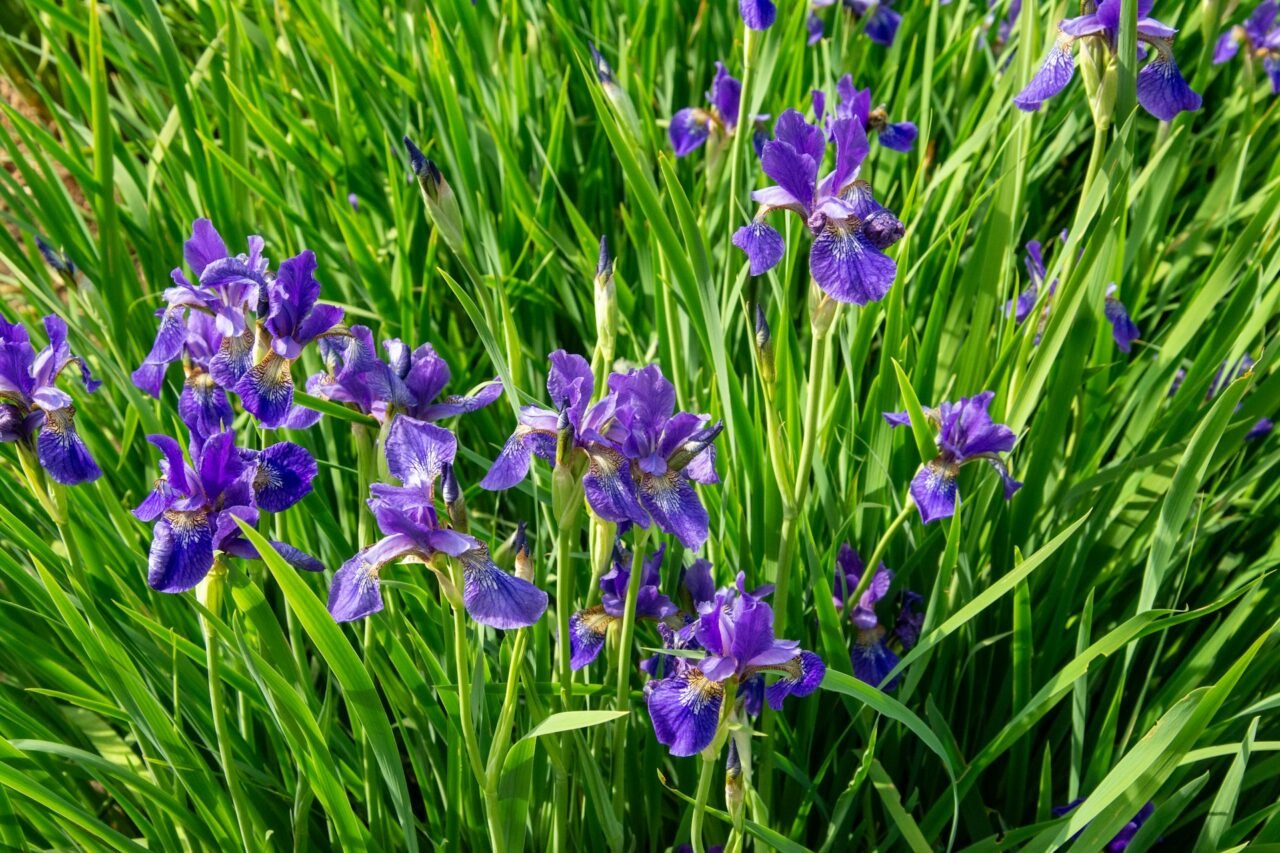
They can tolerate the light shade in the summer and the cold in the winter.
Many landscapers use these flowering plants as pond borders in the garden. They make perfect edge flowers or plants in ponds and lakes, which attract wildlife and ducks.
So you can plant these flowering plants in a pond margin, rain garden, water garden, and other wetland areas.
Taro (Elephant Ear)
This is one of the Colocasia plants with large leaves that mimic elephant ears, hence the name.
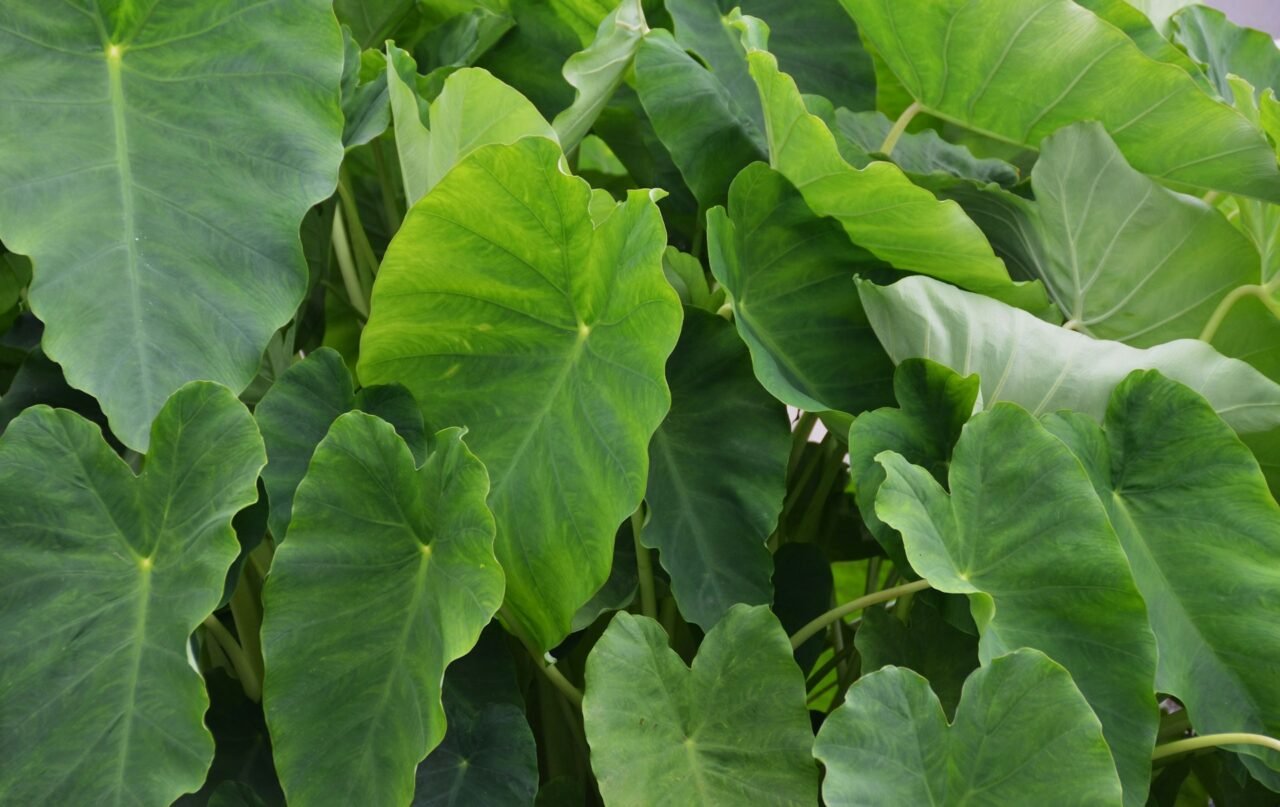
They grow from bulbs, produce stems, and have large, heart-shaped, green foliage. Many people use these plants as a good source of food. The plants also make good saliage for livestock, including pigs and ducks.
Taro are tropical plants, which grow well in the hot and humid summers.
You can mow these plants for animal treats every few weeks as they regrow from their stems.
Cattails
Cattails are upright perennial wetland plants that reach 4 to 9 feet in height. They boast long, tapering sword-like leaves and short, stick-like flowers.
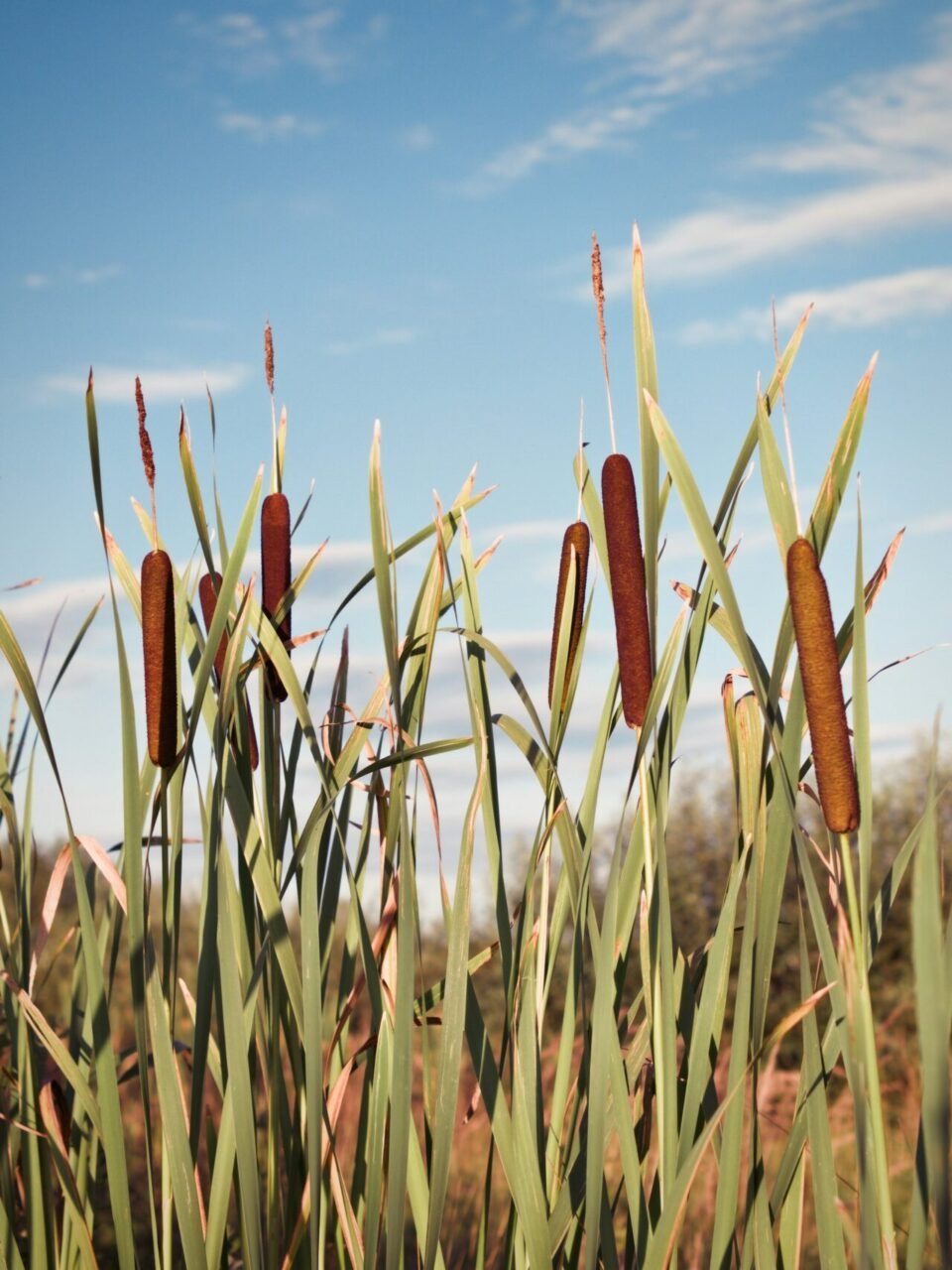
The flowers are produced on a dense cylindrical spike. Since their flowers are brown and fuzzy, they are called cattails.
They grow best in large marshes and along the edges of lakes and ponds in the wild.
These plants shelter wild birds and cover the open water, providing habitat for fish and insects. They also help protect the banks of your pond from soil erosion.
Papyrus
Papyrus is a tender, herbaceous perennial plant that creates towering stands of reed-like plant colonies in wetland areas.
They grow to 10-15 feet tall, with unique feather-duster-like heads. To grow well, they prefer boggy soil and standing, shallow water in shade ranging from full to partial.
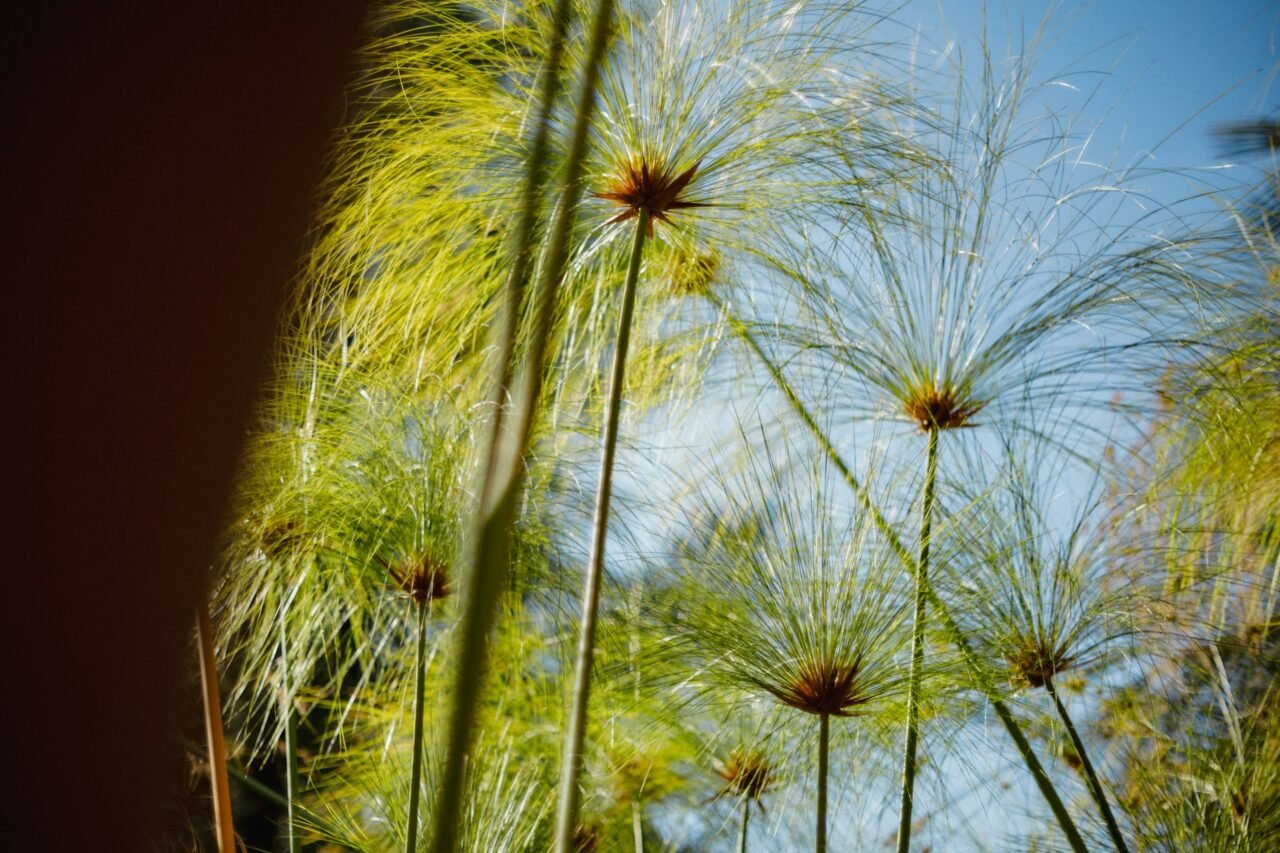
They help reduce nitrates in the water and filter water waste.
If your pond is open and exposed to strong winds, Papyrus plants cannot survive because their stems are very weak.
So, make sure you plant other plants around or along with papyrus in the pond.
Final Thoughts
While swimming, ducks often leave dirt and debris from their feathers and litter, which can easily pollute the pond water.
They also forage for food in the water, so growing plants for a dock pond helps maintain clean water and keeps it safe for waterfowl.
While these plants enrich the duck pond, they also provide treats for your birds.



Leave a Reply