
My grandparents had some hives of bees as far as I remember when I was a kid, around 3 or 4. I ran down the rows between kale plants, sunflowers, and strawberries, watching bees come and go.
I’ve wanted them ever since, but my parents didn’t approve because they are afraid of stings from tiny bugs.
Once I grew up and settled down, I decided to stick to my family homestead roots.
If you ever wonder whether to keep these, let me share some key beekeeping benefits that can motivate you.
1. Fresh Raw Honey
Obviously, that’s why you should do beekeeping at the first stand. The reward is delicious!
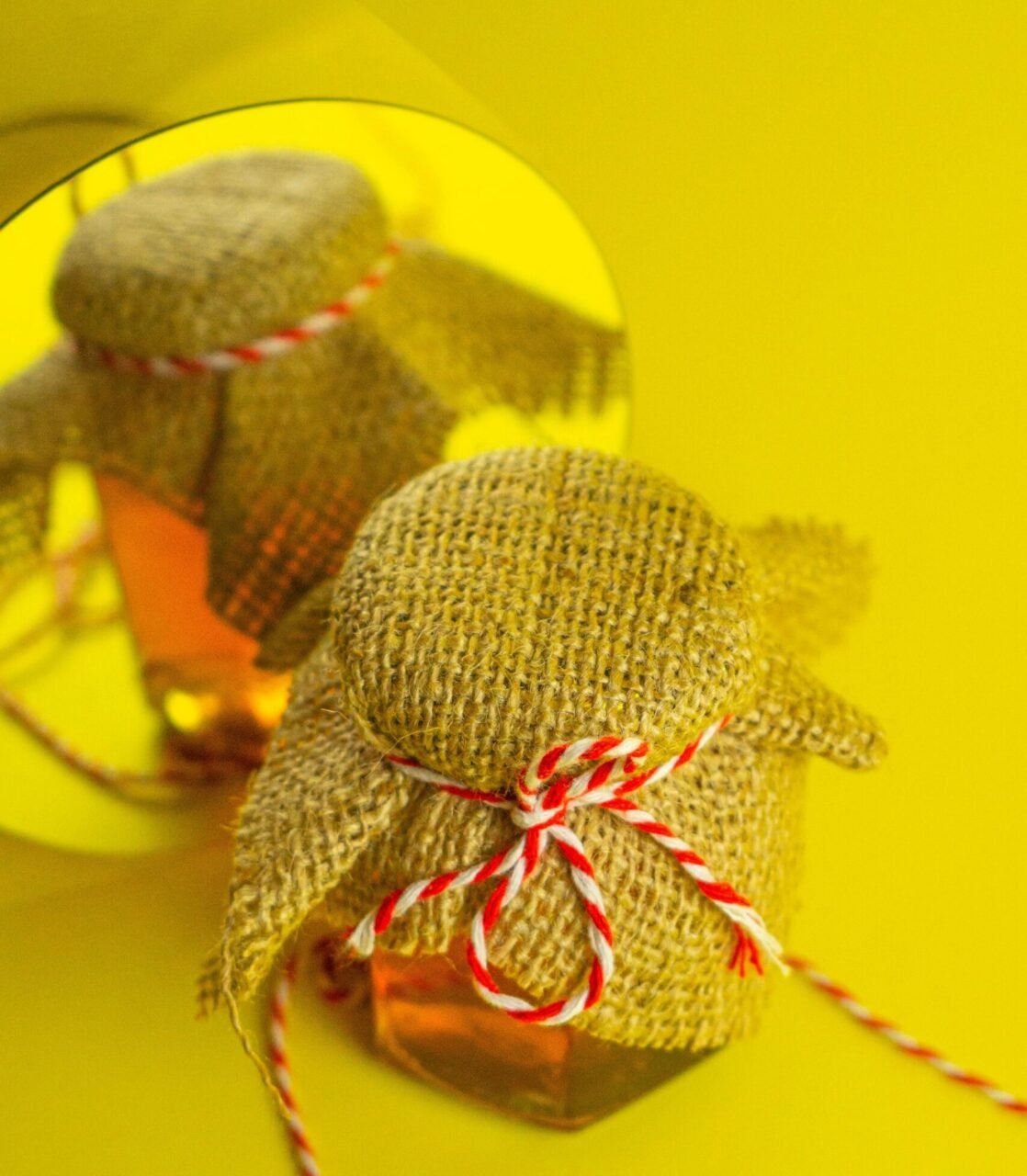
My father often complained about the sugary texture of the store-bought honey whenever he bought some jars.
Then, I asked, “why don’t you let me get our own honey?” He only remained quiet after that.
A single hive can produce 30-60 lbs of honey per year, depending on forage and climate.
This helps you create your own supply of sweeteners and improve your eating habits. No sugar or processed sweeteners!
You can add it to a cup of tea or toast. Or eat it directly from the honeycomb.
Don’t worry, you can preserve the extra honey in the jars with a tightly closed lid. It has a long shelf life.
Fresh honey from the hive has antibacterial and anti-inflammatory properties. It is also a good source of antioxidants, which help keep your skin glowing.
Besides, it also soothes coughs and allergies.
2. Increased Garden Pollination
Honeybees travel far (supposedly 1-2 miles) to forage for nectar on the flowers. While doing it, they come across several male and female flowers by their tiny legs.
This way, they help pollinate vegetables, fruit trees, berries, and flowers. Besides bees, birds, and other bugs, so do other bugs.
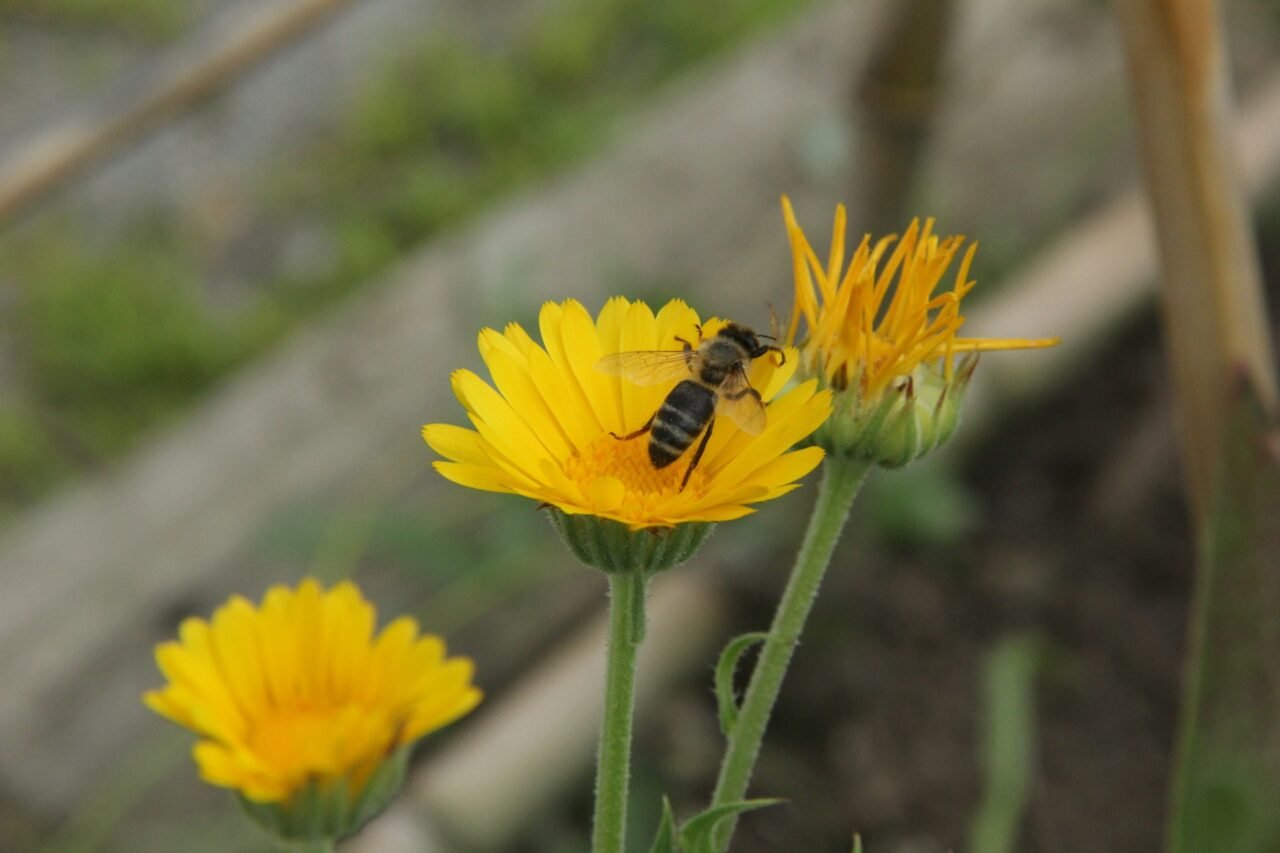
You can see them swarming in cucumbers, squash, apples, peaches, cherries, and plums.
The more pollinators in the garden or on the farm, the larger the harvests or the better the crop yields.
So, make sure you identify beneficial bugs and don’t repel them from your garden or orchards. Many gardeners and farmers sprinkle pesticides to get rid of them.
Do you know 75% of the food we eat depends on pollination?
So not only you but also your neighbors benefit from the garden through your beekeeping.
3. Beeswax for Homemade Products
I love doing DIY with beeswax. Candles, lip balm, hand cream, salves, soap, and food wraps from beeswax are favorites and expertise.
There are more. Body lotion and wood furniture polish essentials, or cutting board conditioners.
Don’t worry, beeswax is natural, chemical-free, and sustainable.
To get wax, you need to render, melt, and filter the honeycomb. When you have leisure time in the winter, you can create homemade items for yourself and gifts for others.
4. Extra Income From Honey and Hive Products
Money, money..yes!
Your hobby can be a sustainable source of income or a side income stream through beekeeping.
Honeybee owners can sell products such as jars of honey, beeswax items (household items, natural cosmetics, and skincare products), propolis, and honeycomb.
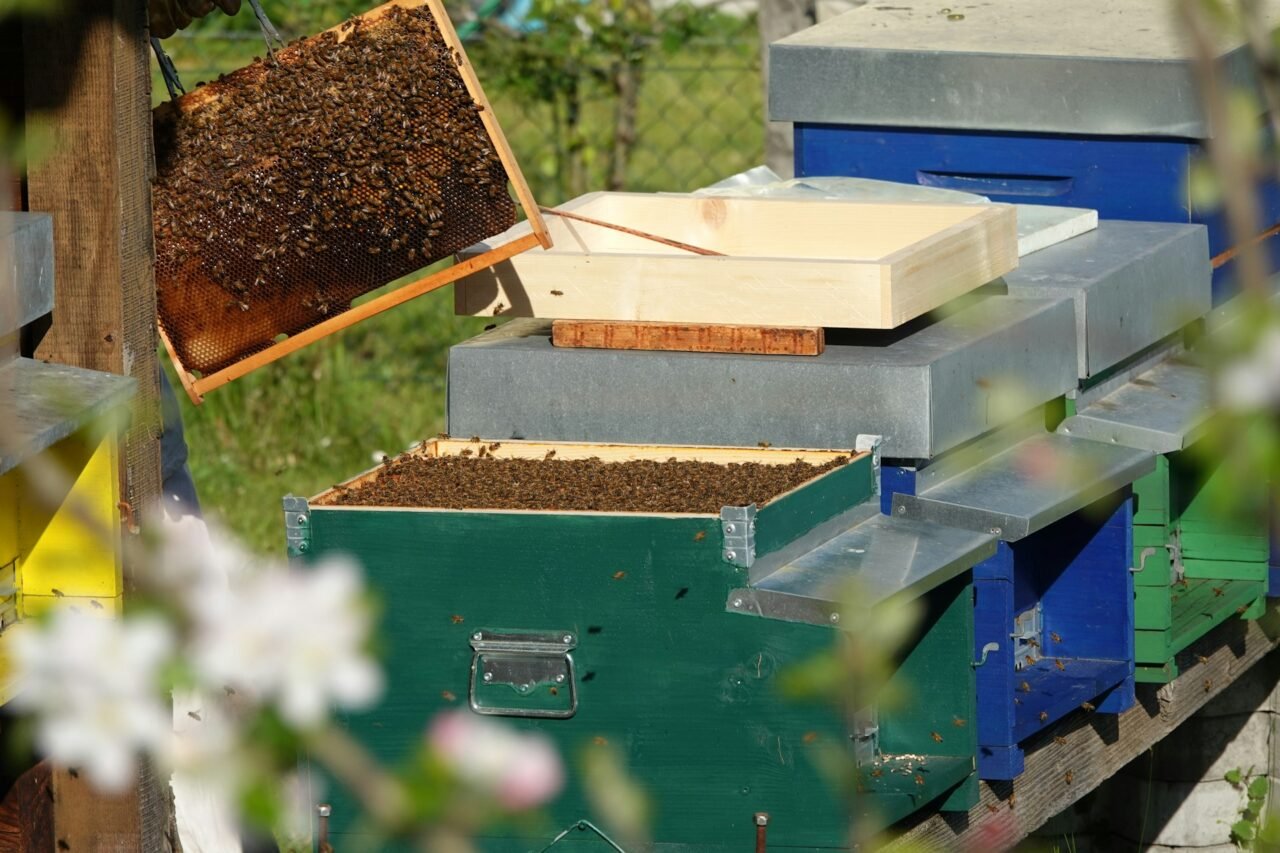
I’m also planning to set up an online store for the same. My homestead folks have already been doing it with profit in hand.
Local farmers and small-scale producers do it.
So, beekeeping can also be a small-scale, profitable business, which provides local employment and supports the local economy.
5. Supports Local Ecosystems and Biodiversity
Bees and other pollinators are inseparable in the ecosystem. If they are removed, the entire food chain breaks down.
They pollinate wildflowers, trees, and native plants, and support wildlife and a sustainable environment.
When bees pollinate, the plant gets fruit and throws seeds after ripening. Then, only a new generation of plants grows to continue the healthy ecosystem.
You can even see urban beekeeping. With people’s safety in mind, owners are still thriving in this business.
Urban beekeeping draws nature close to busy city life. Bees pollinate plants in gardens and parks and help them fruit and produce seeds.
So beekeeping is not only for us or our close surroundings, but it also gives benefits to the whole wildlife and planet.
6. Low Space Requirement Compared to Livestock
Need a large house, big budget? Nah!
Beekeeping requires less of a budget than raising chickens, goats, or cows. The hive can easily fit in a small backyard, garden corner, or orchard edge.
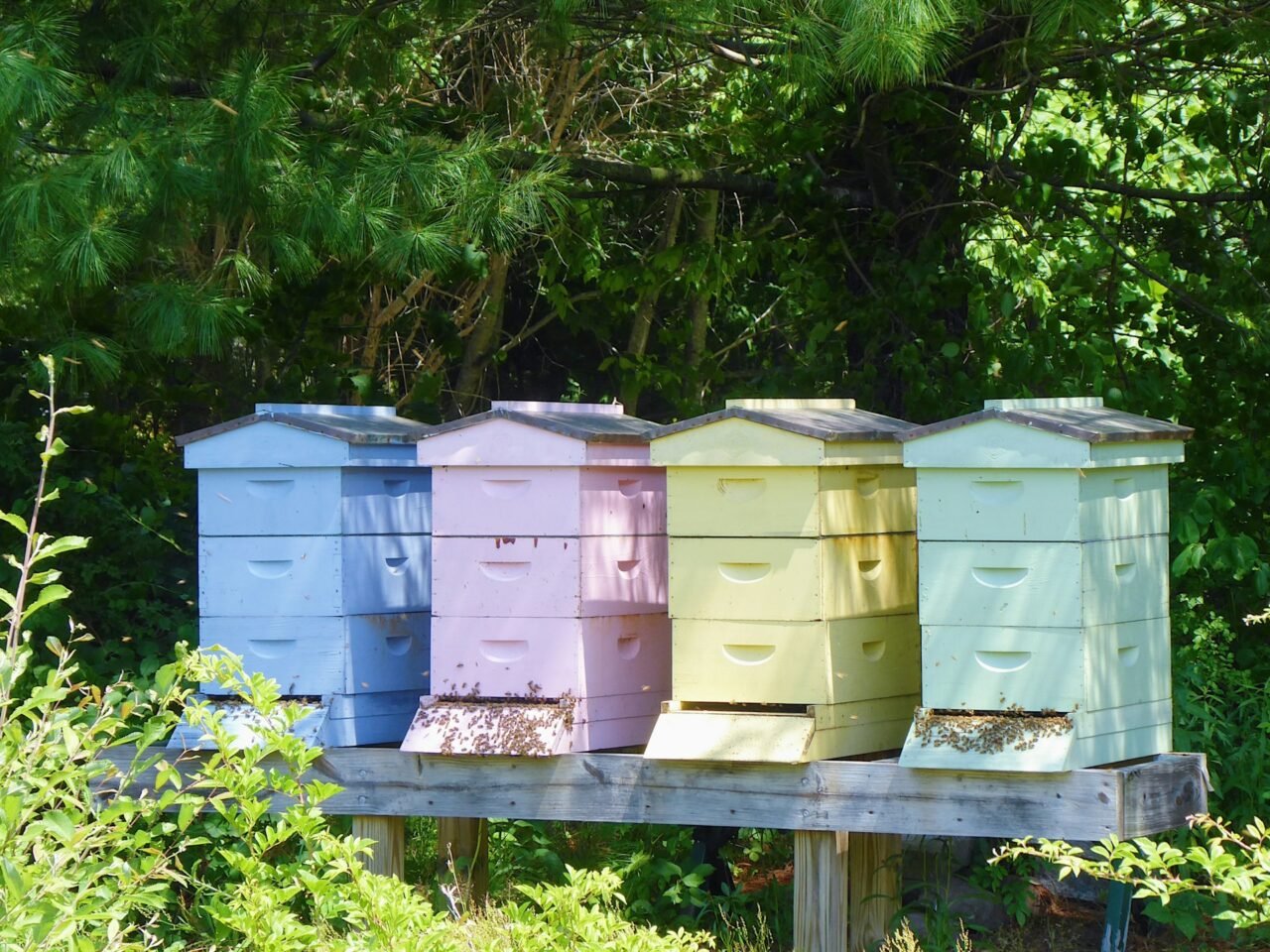
It is also ideal for urban homesteads or small properties.
If you want to keep bees, you need to invest in protective gear, hive kits, and other beekeeping supplies.
Once everything is settled, you will find that honeybees are low-maintenance or less demanding livestock.
They have their autonomous colony to run the hive and make honey.
The owners only need to do weekly maintenance. If you want to keep them throughout the year, you need to insulate the hive for winter. And other energy goes for harvesting honey.
Occasionally, there are other costs, such as new equipment or a new queen or colony, but the profits cover all these expenses.
7. Perfectly Fit in Homestead and Hobby Farm
Like other livestock, bees also reward you with delicious honey, which you can share with others.
Small in size, hives come in handy and don’t make a fuss about limited space.
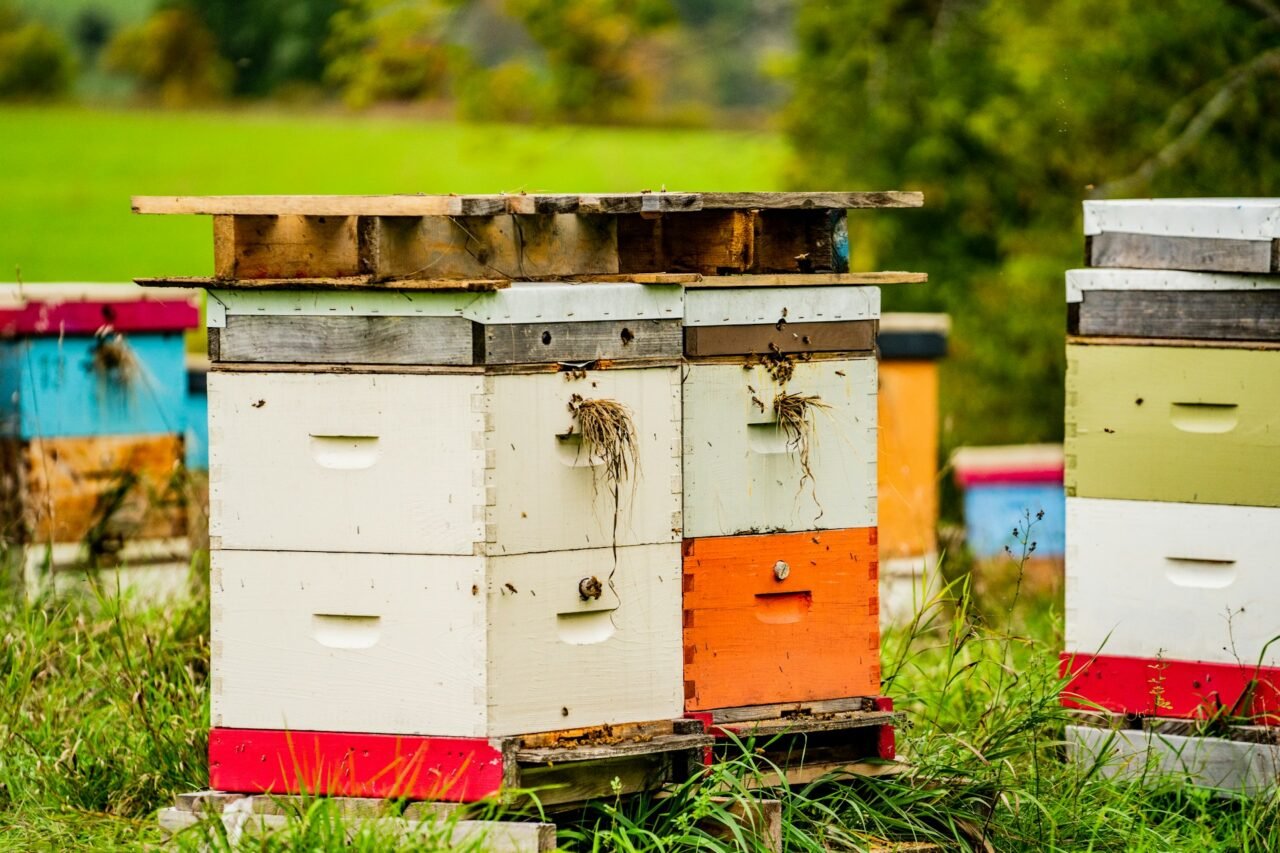
So, family-owned homesteads and farms can easily maintain them with limited energy and time.
But beekeeping doesn’t make you lazy and boring. Initial setup, hive relocation, maintenance, and harvesting need some labor, which makes you physically active.
It also gives you some creative freedom in choosing the bee suits. There are several suit styles in different colors. Veils and jackets are also there for your comfort and protection.
8. Be an Active member of the Beekeeping Community
While beekeeping, you can connect with the beekeeping community on social media, where people can discuss problems and share motivational stories.
#beekeeping #apiculture #savethebees are some of the trending hashtags on social media through which people catch the buzz about honeybees daily.
You can also find the nearest beekeeping clubs or associations that may loan honey extractors, gear, and other equipment to members. They also arrange for mentors occasionally.
From setting a hive to harvesting honey, you can learn the process in detail with firsthand experience.
There, you can also discuss the benefits of beekeeping and share your own experience to observing the bee behavior.
I never miss a chance to attend such events. Several things I have learnt about bees and profitability.
9. Educational and Rewarding Hobby
Whether you’re an only hobbyist or a small farm owner, beekeeping has more to offer in terms of knowledge and fun, keeping harvest aside.
Beekeeping teaches patience and deep observation. Flight patterns, comb-building, lining, communication, and brood-rearing in honeybees are interesting core topics in beekeeping.
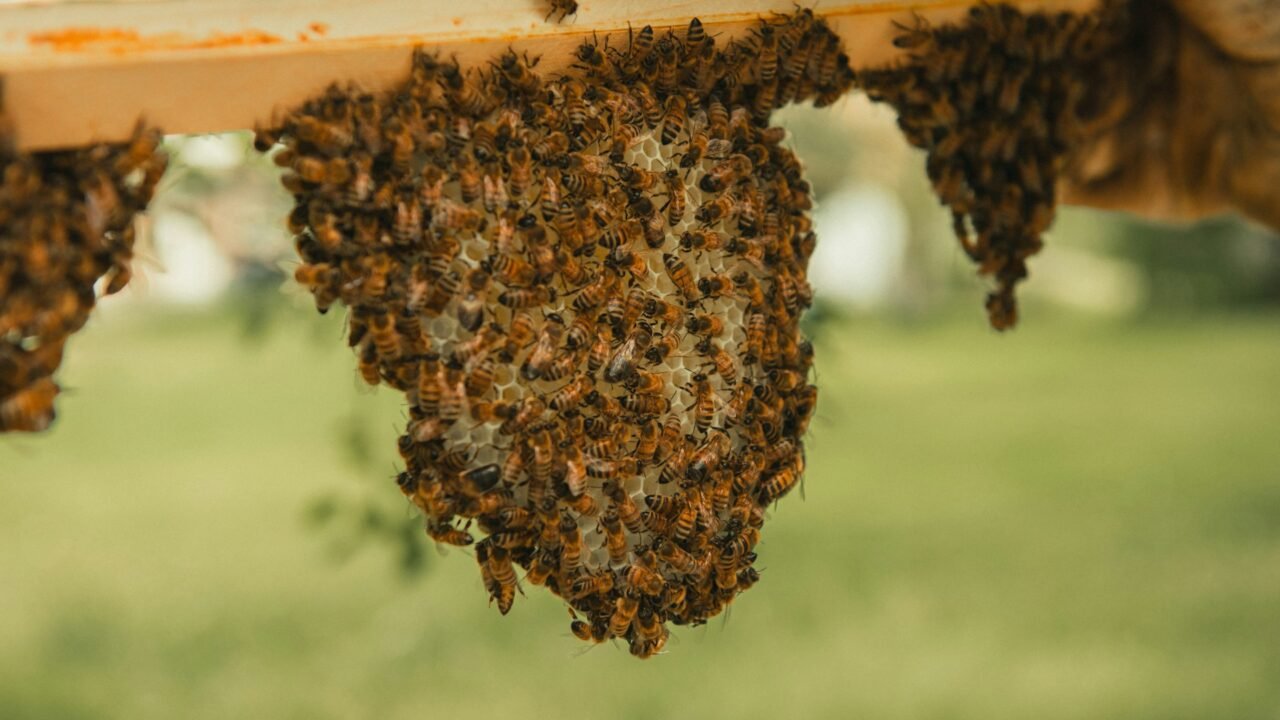
This can be a great educational activity for families and kids.
You can see how a queen creates a colony of new workers, which live in all-in-harmony. In the winter, you also learn their hum inside the hive.
It tells that a colony of bees is active.
Keepers and owners find new revelations about bees every day, and you won’t run out of learning ever.
An expert in beekeeping is not only about maintaining a healthy hive but also about experimenting with new techniques that can benefit the colony and its goals.
10. Boosts Mental Health
I often place a lawn chair in the backyard near the hive and enjoy watching the bees come and go. There, I hold a glass of pineapple juice and sip under the shade in the spring.
Do you know that beekeeping has a therapeutic effect?
It acts as a form of therapy for the human mind. Pinpointing the queen in the hive, or just watching busy creatures go about their daily tasks, brings joy to the eyes and mind.
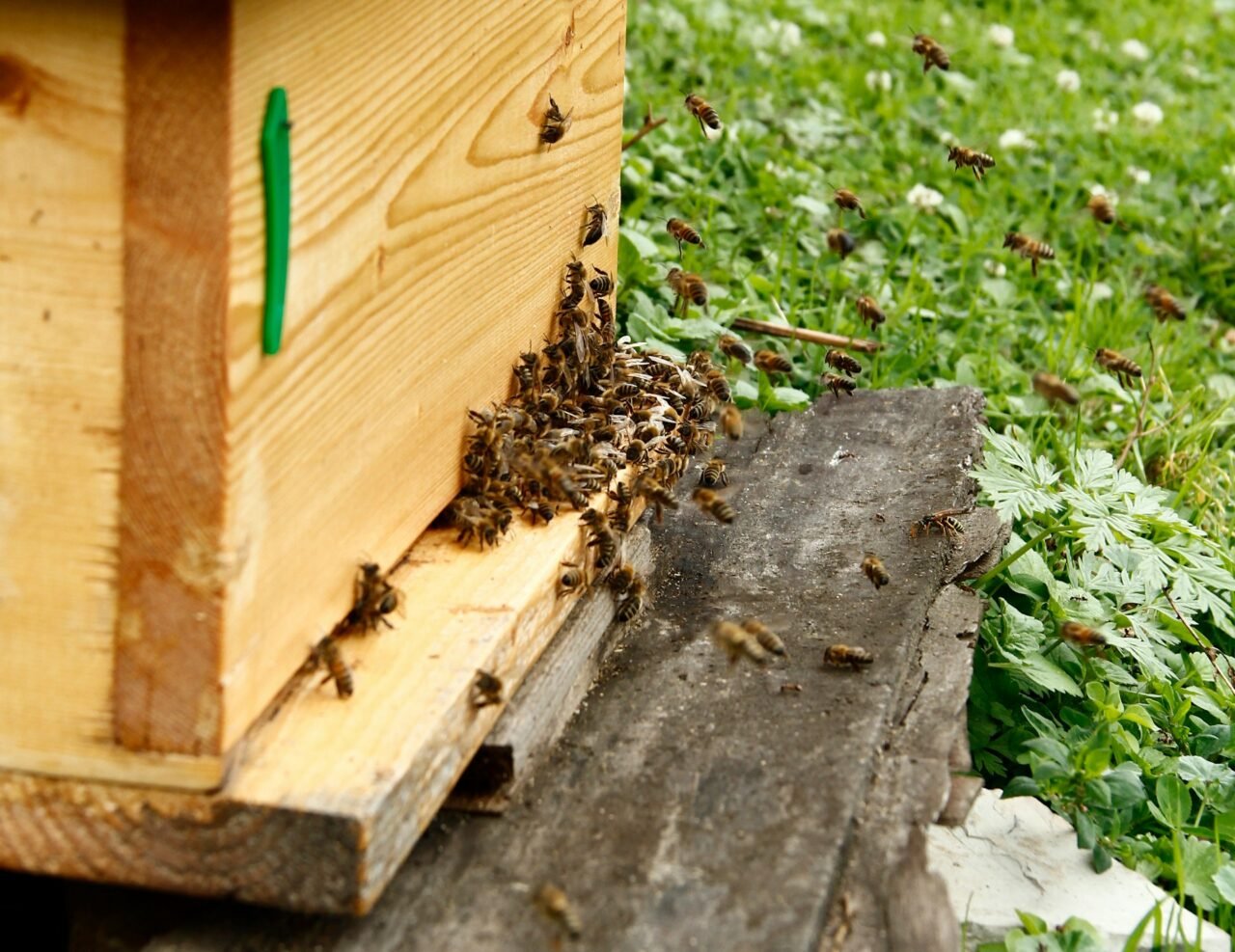
This helps you disconnect from the hustle and bustle of life and brings you closer to nature.
So, keeping bees helps calm you down and relax, and reduces stress and anxiety.
To begin, go outdoors, focus, be patient, and attend to each and every detail of the beehive.
For me, beekeeping is a Zen-like experience, and it’s quiet, tranquil, methodical, and soothing fun.
Final Thoughts
My first year of beekeeping was an amazing experience of learning about the queen and workers, making changes, and harvesting large jars of raw honey.
Whenever I was stressed out, I had a routine of sitting next to the hive in the evening, when bees were settling down for the night.
When winter came, I thought they were gone, but thankfully, they showed up again on the first warm day of spring.

Leave a Reply