
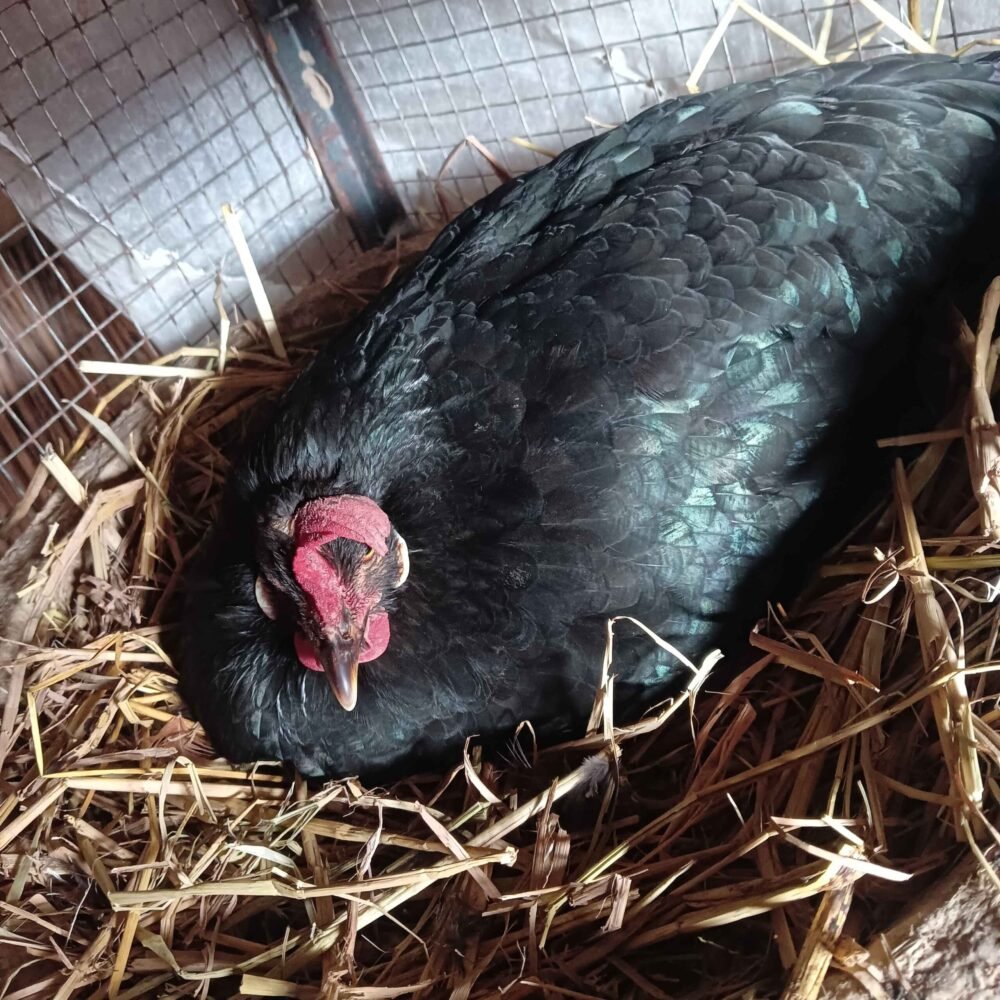
I had a broody hen in January, which was sitting on her eggs next to a pullet in the nesting box. Then, the first time layer started crowing when she found her nest empty.
And I also found eggs nowhere, but when I checked the brooder’s nest, she had hidden an extra three eggs under her wings.
That’s how hens steal others’ eggs. Let’s learn what I found out about such sneaky and unusual behavior.
Why do Hens Steal Eggs?
In fact, broody hens steal eggs from others, even from a bit of a distant nest, yet without paws like other animals.
Besides, other hens also find it inviting to keep laying their eggs in the broody’s nest.
So, if you leave hens doing this all, you’ll find only one hen sitting on a pile of eggs, which she cannot hatch entirely.
This can make things complicated in the flock, with a few chicks ready to go outside while others are waiting for pipping.
So, you must understand why some bloody hens steal eggs with the following possible reasons.
Going Broody
Broody ladies want to hatch as many eggs as possible, so they have a strong natural instinct to gather a full clutch of eggs.
For this, she collects or steals eggs from surrounding, unprotected, or exposed nests.
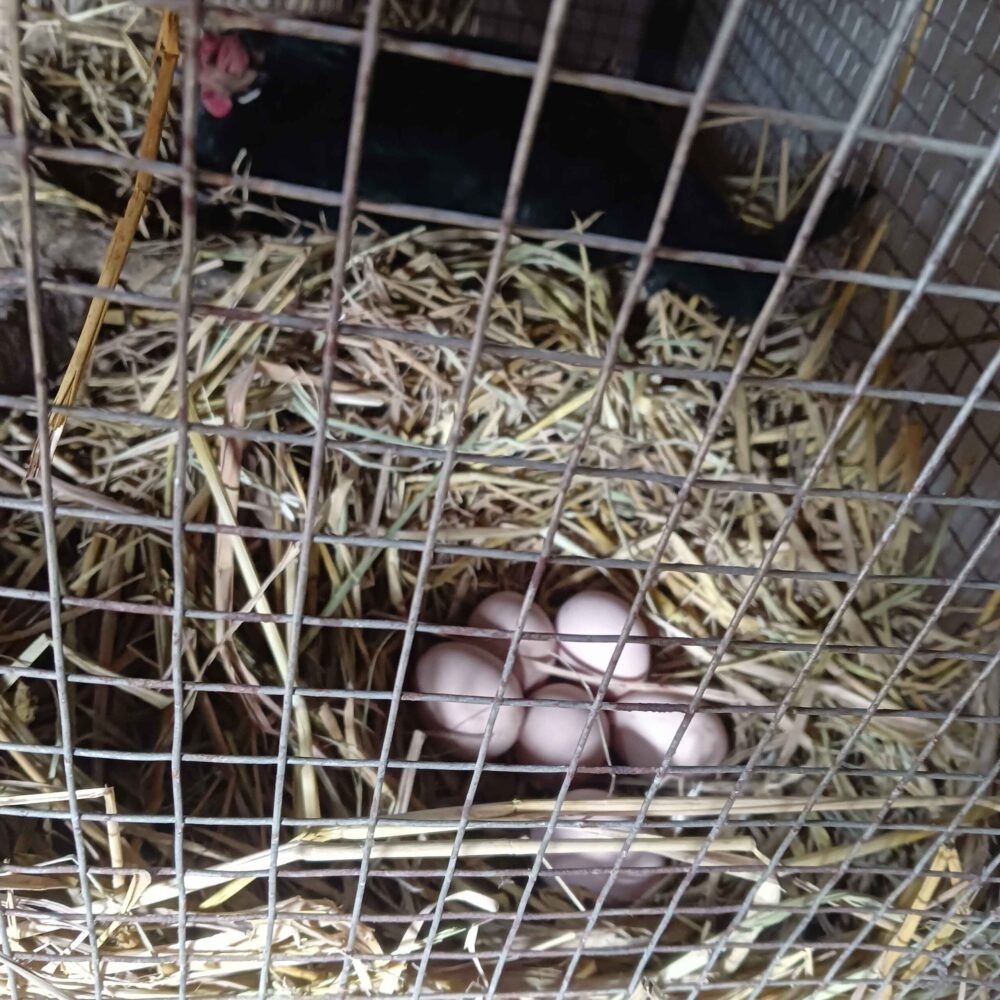
My grandma would yell, she cannot lay more and steal from others.
Lack of Nutrition
I see my broody hens sitting on their eggs for a whole day, with a momentary skip when they need food and water. If you provide them with a feeder and waterer there nearby their nest, you won’t come out.
They won’t leave their nest as they want to take care of their eggs.
So, they may lack sufficient calcium or protein in such a situation, so they peck others’ eggs and consume them to satisfy their need.
If you ever notice this, you must have found some eggshells around the nesting boxes.
When this becomes a habit, breaking an egg, tasting it, and eating it, others also learn it very quickly, making them imitate the same.
Broody hens are very peeved: they lay eggs every day, peck them, and don’t try to hatch them.
Curiosity or Boredom
When hens have nothing to do in the nest except warming their eggs, they can become bored. Roosters may sit next to her, which has different benefits.
Pullets also observe the broody hens and sit around their nest, and sometimes, they poop on their feathers, because the broody cannot do anything.
When alone, they grow curious to see others’ eggs around them and grab them out of boredom and curiosity.
How do Broody Hens Steal Eggs?
After the layers left the coop, I piped their nesting boxes and found that the broody hen got up. Walked over to the other nest and gently picked up their eggs.
Then, she returned to her box, laid it down, and sat over eggs spanning her wings. I stood there shaking my head.
These broody hens steal eggs from others in some particular ways, though they don’t have hands.
It is interesting to see hens tuck the eggs under their beaks and chests. They tuck each egg under their chin, neck, or chest and move to their nest box.
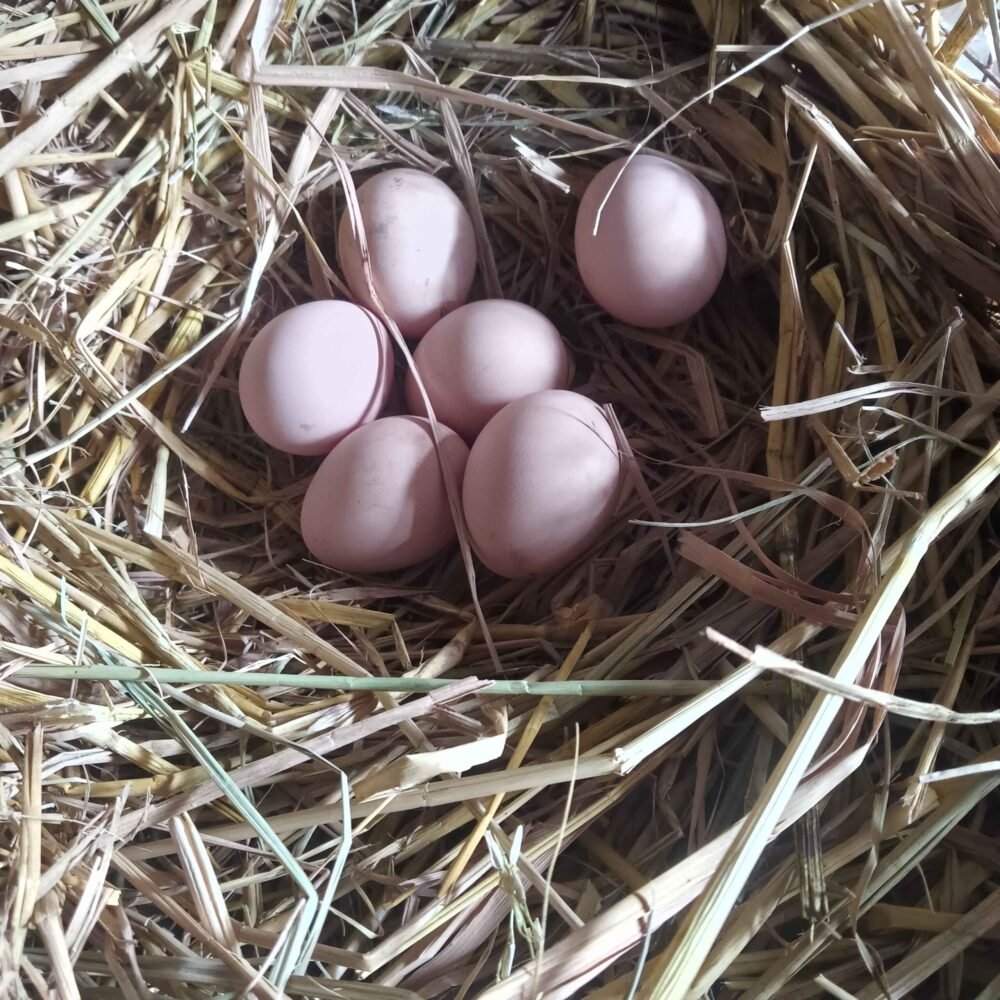
If not, they roll eggs with their beaks. They pull eggs using their head from others’ nests and drag them to their own nest.
I have seen many egg laying chicken breeds rolling eggs from one nest to another and sitting on them. They also roll eggs across the yard to their new hiding place, where they would like to sit.
Even after breaking up their sitting, they can steal eggs from others after a few days (I have seen my hens do it after 30 days).
Some old hens even carry eggs under their wings and transfer eggs from nearby nests into their own. They scoop eggs, which I had never seen anything like this before.
My barred rock hen would pick her desired nest. When I noticed her nest, she had only four eggs. To my surprise, she had fourteen eggs the next day.
Then, she had 18 eggs two days later. When I came out early on day 3, I found her on the other side in a different box, standing 1 egg underneath her.
Then, she waddled sneakily to her nest, lowered her wings, and plopped 8 eggs there.
What’s the Solution?
If you cannot notice or allow your broody lady to sit on a pile of eggs (including stolen ones), they may have a staggered hatch with a 10-day lag.
So, she is likely to leave those eggs unhatched as first-hatched chicks demand care and feeding. This signals to the hen’s hormones that they need to shift their role from the incubating role to nurturing.
The latter eggs tend to develop only partway, and the embryos don’t survive because there is no warmth left in the eggs. So, you need to find some solutions!
Mark Each Egg
If you cannot prevent other hens from accessing the nest with incubating eggs, I recommend marking each egg so you can easily identify deposited eggs and remove them.
I use Black Magic marker and draw a ring around the entire egg. You can also make crosses on the shell or some other symbols based on your preference.
This way, you do not need to touch the eggs to check for marks. Don’t worry, hens do all the turning when incubating and hatching.
Remove eggs volunteered by others. If they don’t start at the same time, you can move them back under the original hen.
Collect Eggs Regularly
Hens stay broody for about 3 weeks and rarely eat or drink. They don’t take care of themselves, so they look thin and weak.
In this situation, they tend to lose weight and become more susceptible to parasites. So, you need to collect and store eggs regularly to prevent this.
I have lots of hens, some as old as 3 years and more, and I only allow 10 of them to go broody. Half are sweet and smart, and the other half are somewhat dumb. They forget where they put their eggs.
These dumbs don’t hatch successfully and don’t make good mothers, so I plan to cull them after their next clutch of eggs.
Final Thoughts
If you want your broody hens to hatch their eggs successfully, you need the right plan. First, you need to decide which eggs you want to hatch.
It can be based on appearance, temperament, and egg-laying capacity.
Save these eggs for over a week and store them in a cool place. When a broody bird is likely to sit in her nest, you can place those eggs under her.
If you ever doubt the fertility of eggs, you can check it using candling.







Leave a Reply