
Christmas is around the corner, winter is coming, and your chickens are likely to experience cold stress.
So, you need to prepare for winterizing your chickens. Also, you have to check your chickens with their feathers, feet, and combs every few days from December to February.
If it’s your first winter raising chickens, read this post where I have shared my experience.
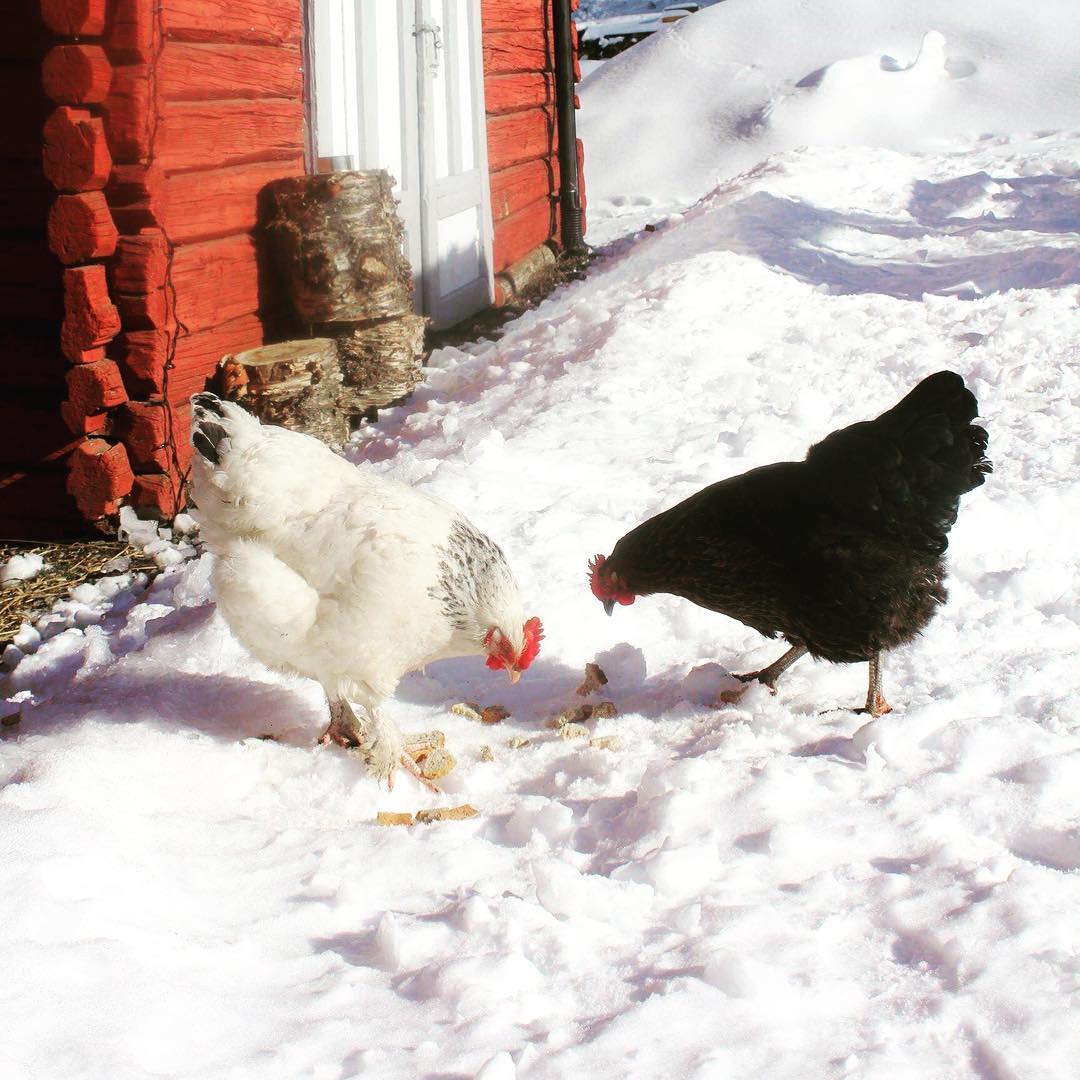
How Cold is Too Cold for Chickens?
This depends only on the chicken breed and how cold-tolerant they are. The heavy breeds or chickens with small combs and fluffy feathers can easily withstand cold climates every day.
But Mediterranean breeds don’t do well on chilling days. Leghorns are pretty cold-hardy, but they have a large comb and wattle, which makes them susceptible to frostbite.
So, you need to more learn about and get cold-hardy chickens for raising in winter.
Also, some fragile chickens, such as ornamental breeds, elderly chickens, and baby chicks, are over-sensitive to temperature changes and drops.
So you have to watch out for them and provide special care for them in the winter.
In the Midwest in the United States, it gets down to -40 degrees Fahrenheit with the wind chill and draft.
And temperatures dropping below 0 degrees Fahrenheit are typical between December and February.
Many chickens can survive 0 degrees Fahrenheit without any assistance, and some also tolerate even lower temperatures.
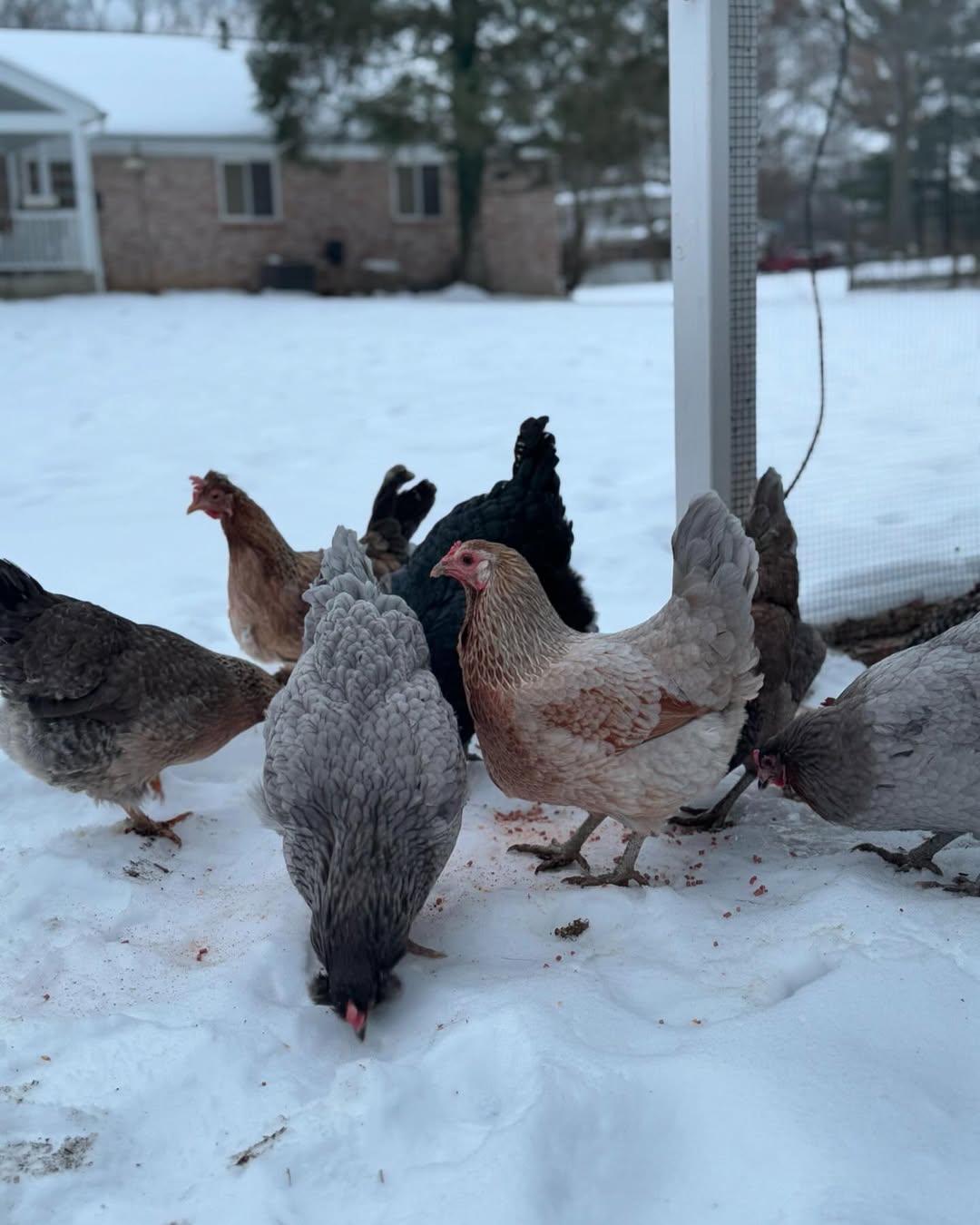
You can expect your chickens to do well outdoors in the run around -10 down to -20 degrees Fahrenheit, provided there is no wind.
Hardy birds don’t need additional insulation or a heater around these numbers.
Of course, you don’t want your chicks to suffer from freezing temperatures, so you need to set up a brooder and maintain a temperature of 95 degrees Fahrenheit for the first week.
Then, you can reduce the temperature by 5 degrees Fahrenheit each week until they’re fully feathered or they’re 6 to 8 weeks old.
Many claim they keep their birds without additional facilities at temperatures below freezing, as if chickens don’t feel cold. So, I want to debunk the following market myth about chickens that they never get cold.
- Chickens’ feathers are heavy downcoats, so they don’t get cold.
- Chickens have an internal body temperature of about 106 degrees Fahrenheight.
- You only need to worry about summer for your chickens.
- If you buy chicks from the breeder who lives in the same climate as yours, those chickens can survive in your climate as well.
You need to understand that your chickens get cold and lock them in the coop if they show the following signs.
Standing on one leg, puffed up, hurdling in the group, eyes closed, shivering, inactive, and with frostbite.
If they show these signs during the day, you must realize how worse it is at night.
Winter Coop Setup
Make sure your chicken coop is draft-free in winter. To make it, you can seal the holes or cracks and wrap the coop with the windproof coverage, anything as a tarp or plastic.
Besides, you can add hay stacks around the coop outside or place them along the wall inside if there is enough room.
Many keepers shift their chickens to their garage in the winter as it is cozy and has plenty of space to add tools and coverage to trap warmth inside.
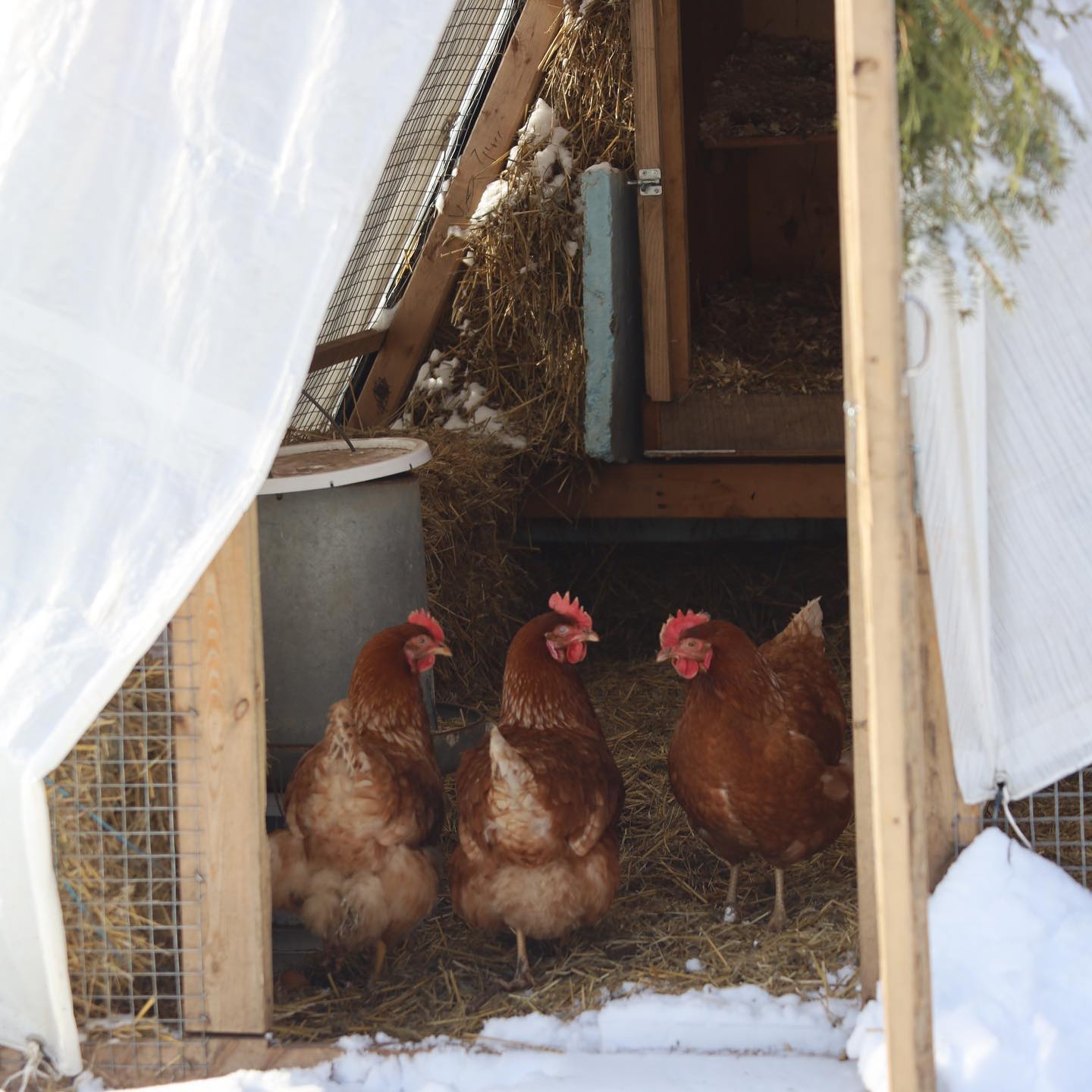
The horizontal area where your birds move, eat, and sleep should not have air movement.
Plywood, rigid foam boards, cardboard, and old quilts are other alternatives to block the draft and prevent the warm from escaping.
But don’t seal your coop airtight. It needs to have ¼ of ventilation, as most of the time chickens have to spend in the coop and throw their waste on the bedding, making it dirty quickly.
Besides, birds often create moisture condensation through their breath, body heat.
This increases humidity and ammonia, which rise to the top of the coop and need to be escaped through the window or the roof.
But don’t add ventilation in the area where you place roosts or where your chickens perch, as the cold wind can cause frostbite to their comb.
Also, you can keep your chickens warm in winter by adding warm bedding such as pine shavings, chopped straw,
Boredom Busters
Chicken Roost
Chilling wind and snowfall, and storms can make your chickens stay longer in the coop, sometimes many days and nights.
So, you need to arrange boredom busters to keep birds busy and entertained in the winter.
The first automatic thought that pops up is chicken roosts. Their perches need to be 2x4s, and make sure they have a good grip on it with their legs.
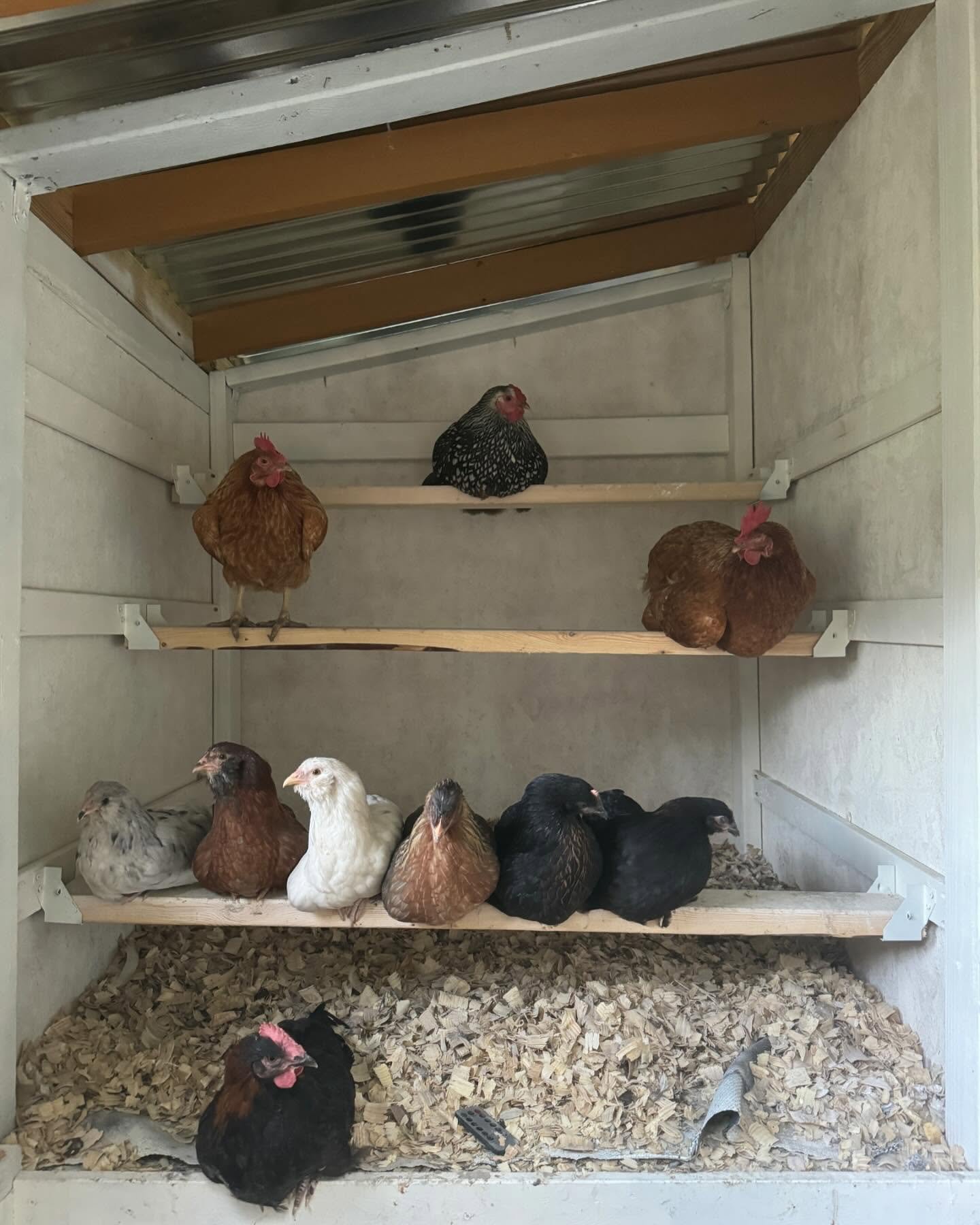
So, you can make a roost flat and wide with a 4-inch.
Chicken Toys and Enrichment
While chickens are busy scratching their bedding every time, you can give them other things to play with.
You can also get some success with the colorful Xylophone, wind chime, tambourine, and old metal garbage can lid.
I have lots of large parrot toys with colorful chunks of wood and bells, and my ladies enjoy playing with them.
Besides, give your birds a double-sided ladder. Cut holes in bottles and fill them with scratch. The swinging tire and a large nesting box also help a lot.
Whether it’s summer or winter, you don’t need to forget to add a chicken dust bath area.
Chicken Treats
I love the pop bottle idea. You can just poke holes in a clear water bottle and fill it with treats such as sunflower seeds, cracked corn, and mealworms.
Recap and toss the bottle before the birds. When they peck at it, it needs to roll and dispense goodies for them.
Your chickens have hours of fun kicking the bottle around to slowly release the food. Make lots of bottles like this, as most hens tend to hog them.
Besides, you can hang some greens and vegetables, such as broccoli, kale, and carrots, in the coop, but accessible enough for birds to reach them.
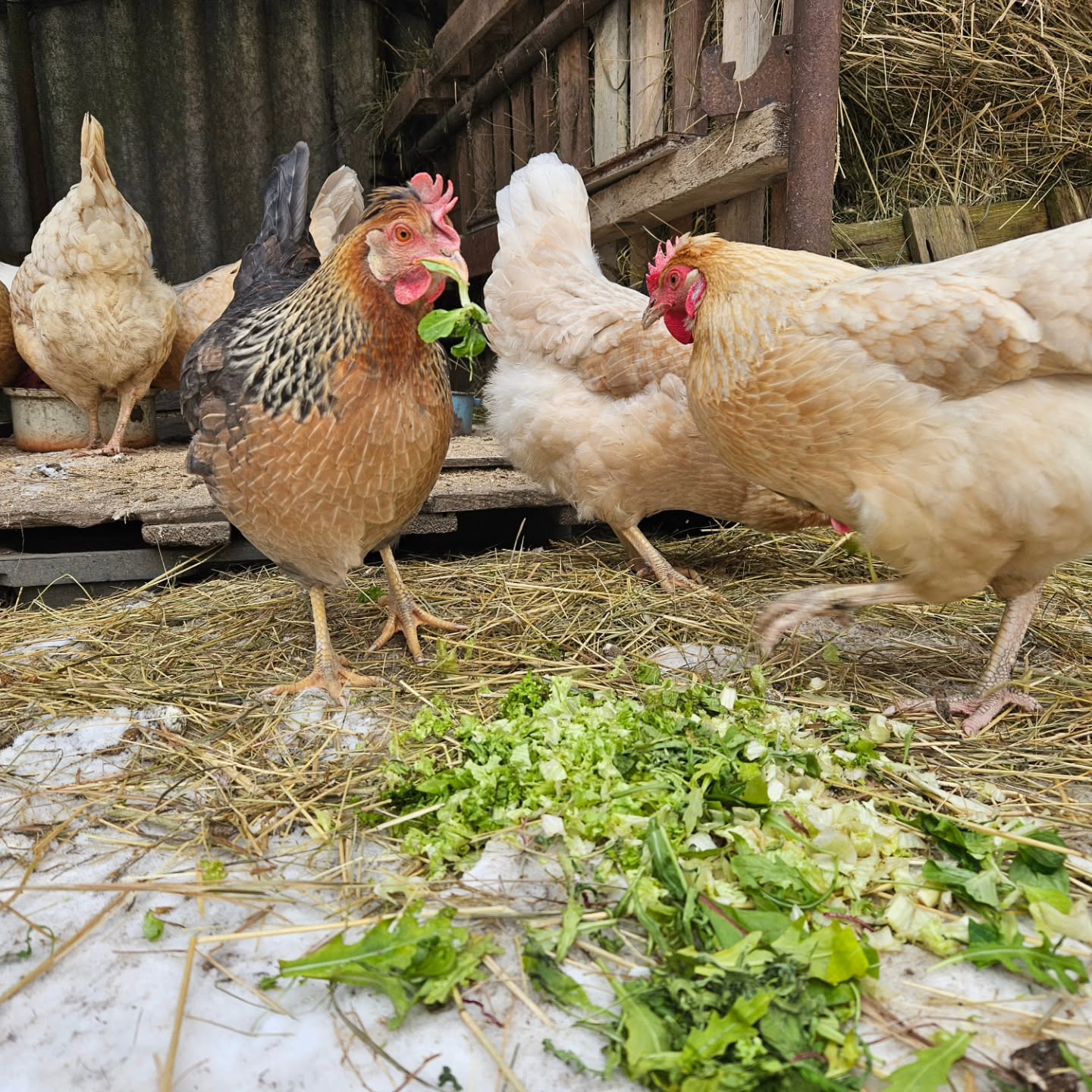
If you have raised some bugs for them. That’s great. Super worms, soldier worms, and crickets can be very entertaining for your backyard chickens.
Feeding Chickens in Winter
While you offer treats, you can’t escape providing your chickens with their diet. Make sure the bulk of their diet comes from chicken feed.
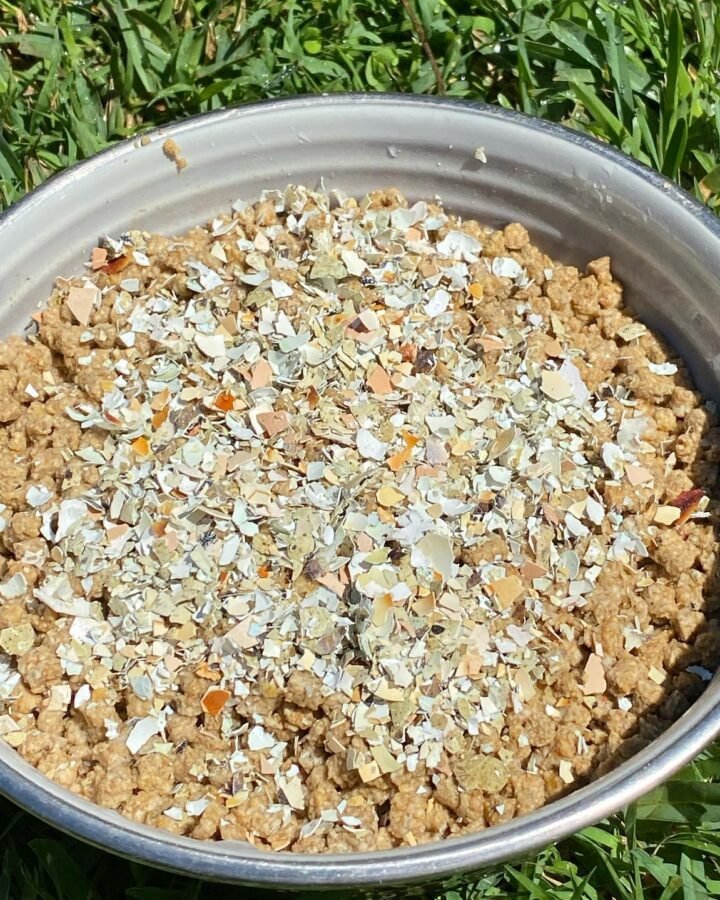
I give mine a warm mash of oats and feed them dust mixed with occasional beneficial add-ins in the mornings when it’s pretty cold.
Before they go to bed, I also toss a couple of handfuls of cracked corn before them (it slowly digests), which helps them stay warm, particularly on cold nights.
What I later do is to change it up, but not to add too much of anything like kitchen food scraps, so that the birds still have a nutritional balance in their meal.
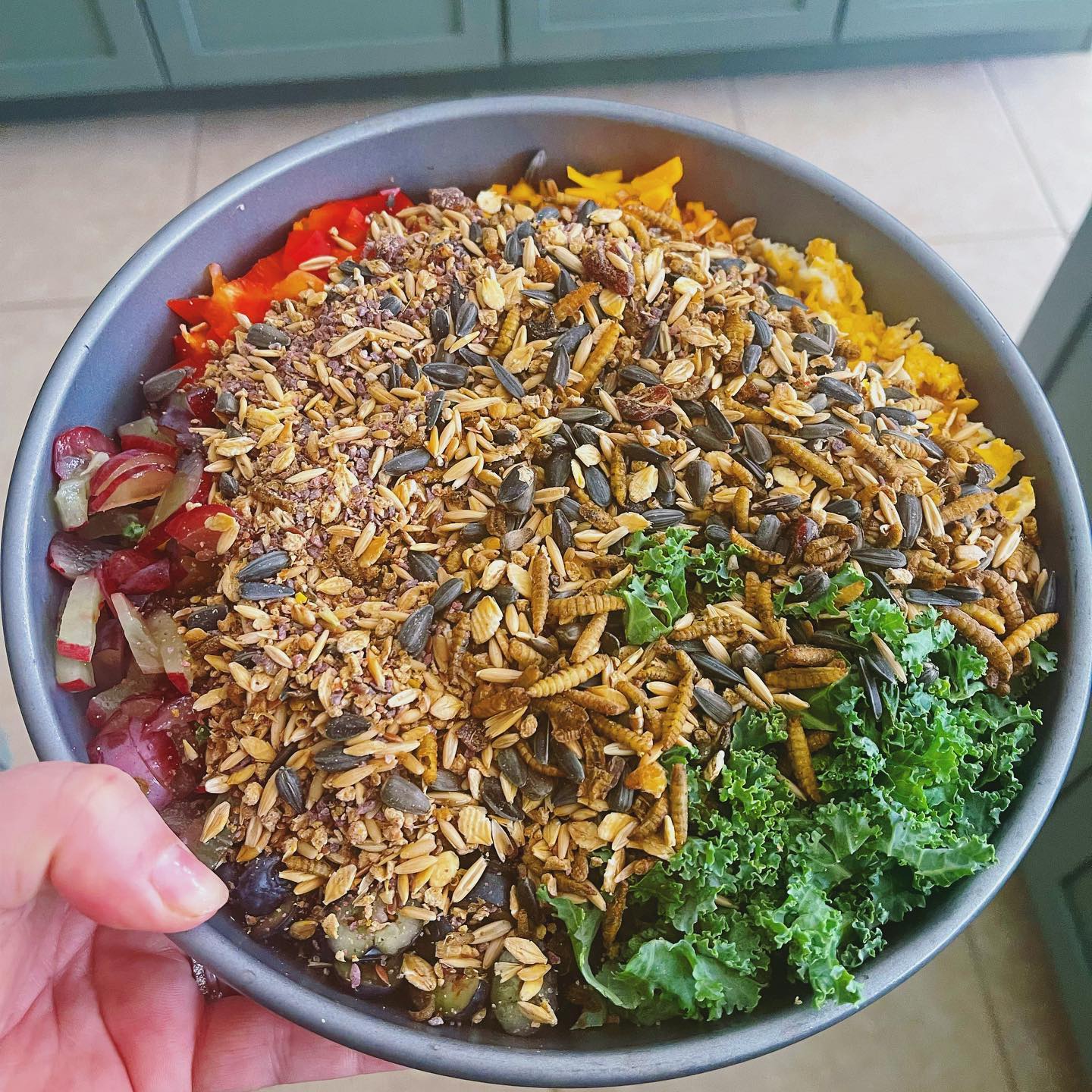
You can store chicken feed from local neighbors or farmers. Also, give them scraps, bugs, and whatever calories that can be scraped up or recycled on the homestead or farm.
The store-bought feed costs a lot, so what I’m doing is growing my own chicken food to reduce my dependence on pellets, and here are my plans so far.
- Growing your own fodders: You can grow lots of plants, easy to produce chicken fodders, such as oats, corn, wheat, and others. But what I like is the Mammoth sunflowers that offer super oily, high-fat seeds for birds. You don’t need to process them. You only need to chop the tops and throw them on the ground before your birds.
- Pumpkins and Melons: These are great treats for chickens as they love eating their seeds and pulp. Cut them in half or smash them open, and your chickens are ready to peck their meal.
- Sunchokes: This is a great plant, which offers leaves and tubers for chickens to eat. It is a hardy perennial, so you can put it around your chicken runs.
- Amarnath: I love this plant for how much it produce beautiful, small seeds. You needn’t clean the seeds to feed your hens. Besides, you can feed them the plants after chopping the tops.
- Compost piles: They’re goldmines of bugs, worms, and warmth for the birds. They love running around the piles and scratching everything.
- Vermiculture: A Small container can host thousands of earthworms, and your chickens don’t blink their eyes to swallow them.
Chickens eat most of the same grains and vegetables that we do. Also, they have table leftovers or scraps.
If they’re free-ranging, they still forage on the snow in the winter like grubs under the soil. If it thaws a bit, they can find dormant bugs in leaf litter, dried grasses, and crop seeds.
Water Management
Even in winter, you need to add water regularly, along with broth, grains, pellets, and kitchen scraps, to keep your chickens hydrated.
Even though the water that you change freezes daily, you need to give them supplemental fluit throughout the moist feed.
In the cold months, I use black rubber tubs and add rocks that I heat on the stove. This helps thaw the frozen water and keep it from freezing for a long time.
So, you can control the amount of water and rocks.
But you can also top it off with warm water or change out the rocks and refill when the waterer freezes.
If you want to work with an electric waterer system, you can buy some heated dog bowls and place them outside the coop and under the runs.
They work great. If you feel frequent power outages or interruptions, you can keep some gallons of water. This will help you in emergencies when it’s too cold to use the hose or the well pipes freeze over.
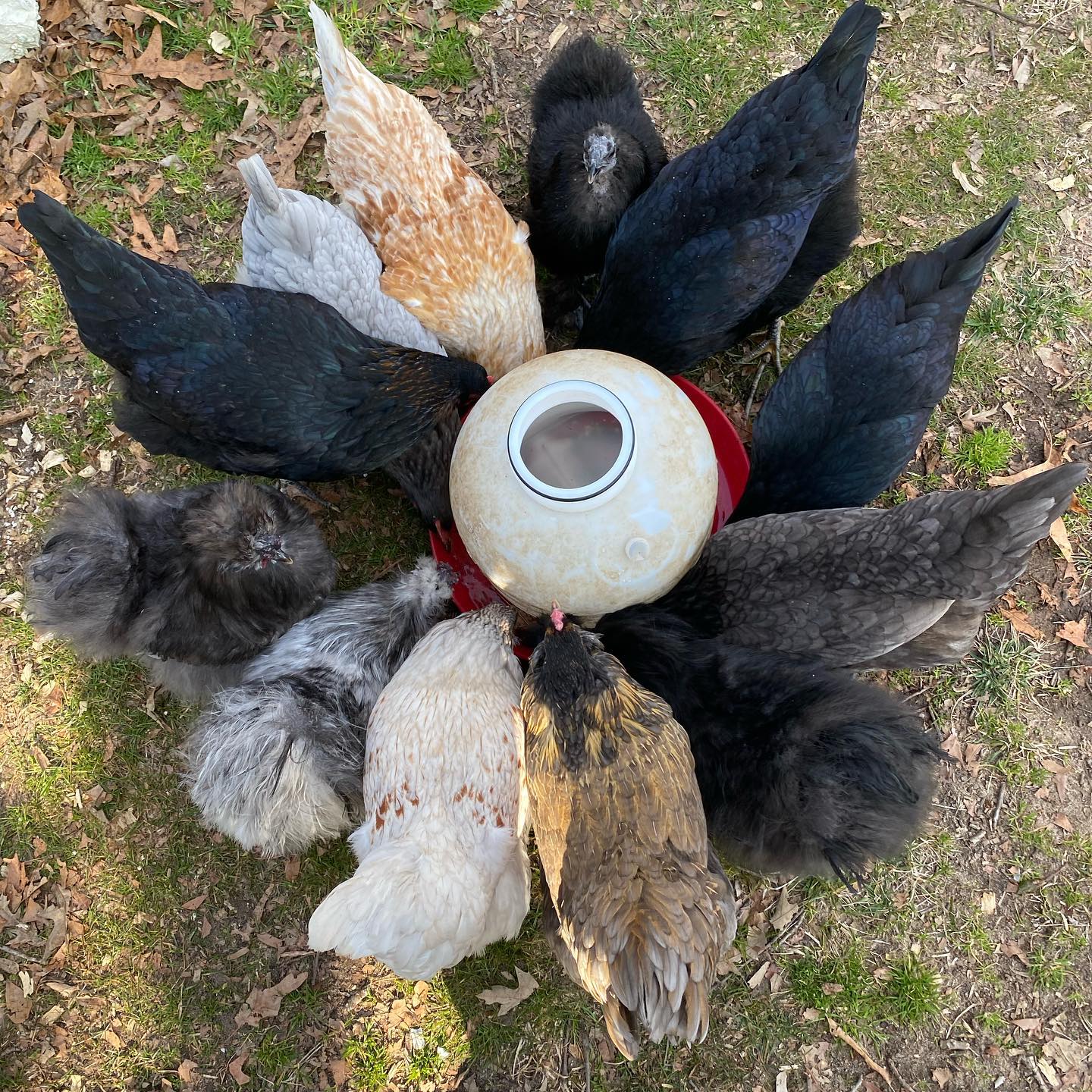
Anyway, you can bring out the fresh water once in the morning, when you let your birds out of the coop.
Then, take the frozen one to thaw. When you finish feeding chickens in the afternoon, you can swap out the now frozen waterer for the thawed one. It’s like rise and repeat.
Final Thoughts
Until your chickens are dry, you needn’t worry about severe winter or snow.
Heat lamps or anything electric that insulates the coop won’t help, as when the power is disrupted, your chickens start shivering and suffer more.
Instead, you need to winterize your chicken coop with natural insulation, the deep litter method, and proper ventilation.

Leave a Reply