
Old hens reduce laying eggs after two years and stop giving eggs soon, so I cull them and rotate the layer flock with new pullets.
Then, you may also want bloody or non-bloody ones that only lay eggs consistently. Heritage chickens can be perfect for replenishing your stock, so you needn’t spend on new chicks every spring.
If you have already built a coop and want lots of eggs in a basket, the following egg-laying chicken breeds would be the best picks.
1. Rhode Island Red (RIR)
My RIR ladies give tough competition to some of the hybrid chickens. They brag about heritage line chickens that adapt easily to various climates and do well in both coops and free-range.
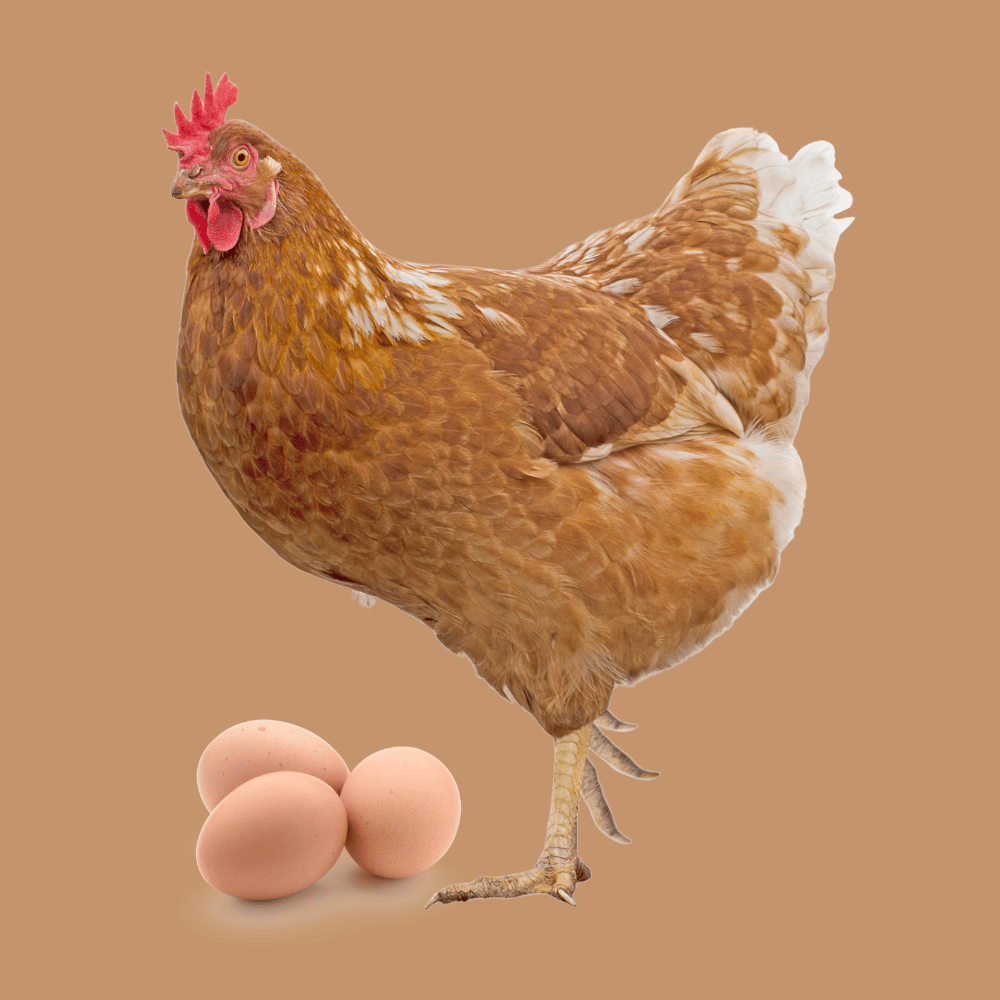
My grandparents raised it, and it’s also in my favorites.
The pullets mature between 18 and 20 weeks, start laying 5-6 eggs a week, and yield up to 300 eggs a year.
They’re classic and old town girls that go broody, hatch eggs, and make excellent mothers.
Don’t worry, RIR is also a dual-purpose breed, with hens weighing around 6.5 lbs.
Egg Color: Classic Brown
Eggs per Year: 250-300 eggs
Lifespan:5-8 years
Best For: Dual-purpose breed and small farm owners and homesteaders
2. Leghorn
I don’t know if you’re aware that Leghorns are the same chickens bred to produce high-yielding hybrids such as White Stars, ISA Browns, and commercial White Leghorns.
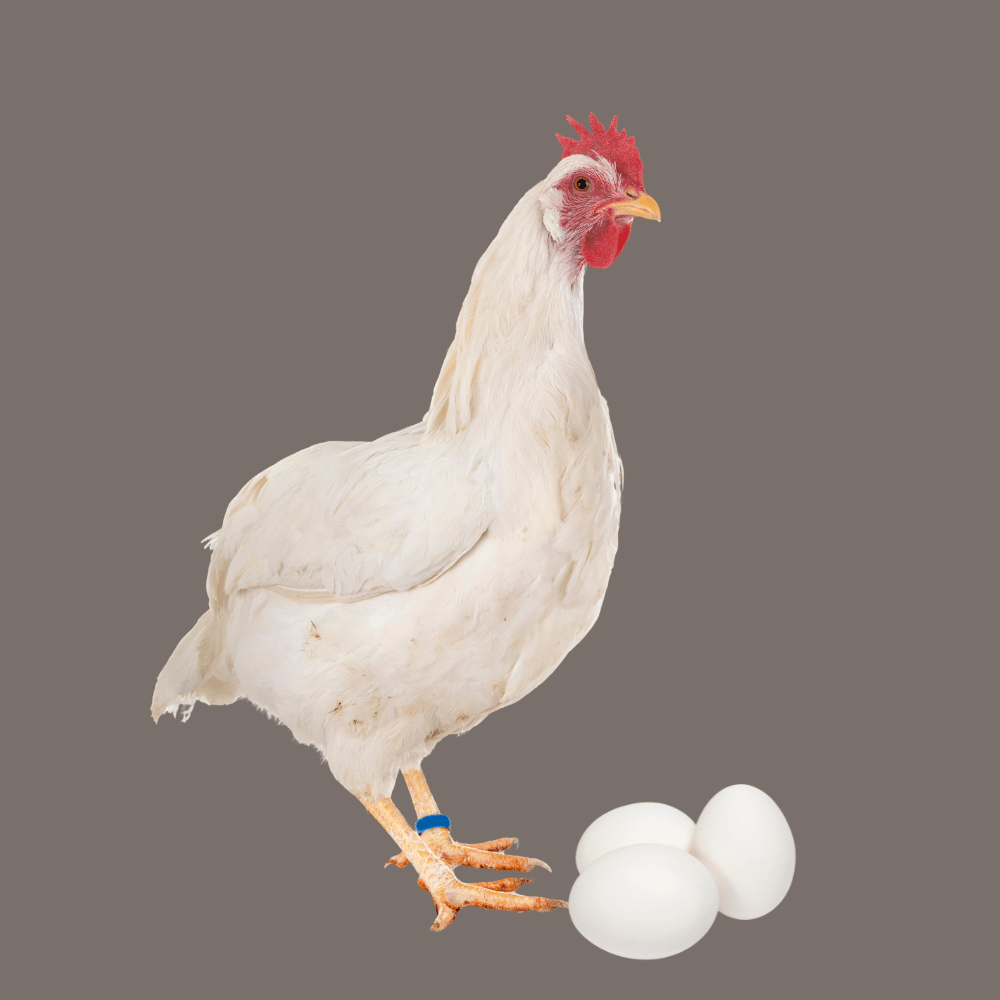
Leghorn is a purebred that gives 280-320 per year, so it’s no surprise that your ladies are giving four plus eggs every week.
Though they’re excellent layers, they don’t sit on their eggs and find it hard to thrive in a cold climate.
I’m being honest that they’re very active and flighty, so you need to build a big pen or high netting fence for them.
But they’re best for warmer climates and are very feed-efficient.
You can expect them to lay eggs between 16 and 20 weeks and continue laying eggs for 3-4 years.
Egg Color: White Eggs
Eggs per Year: 280-320 medium to large eggs
Lifespan: 4-7 years
Best For: Large flocks and budget-conscious homesteads
3. Plymouth Rock
Plymouth Rocks or Barred Rocks are very hard-working chickens that make excellent dual-purpose birds.
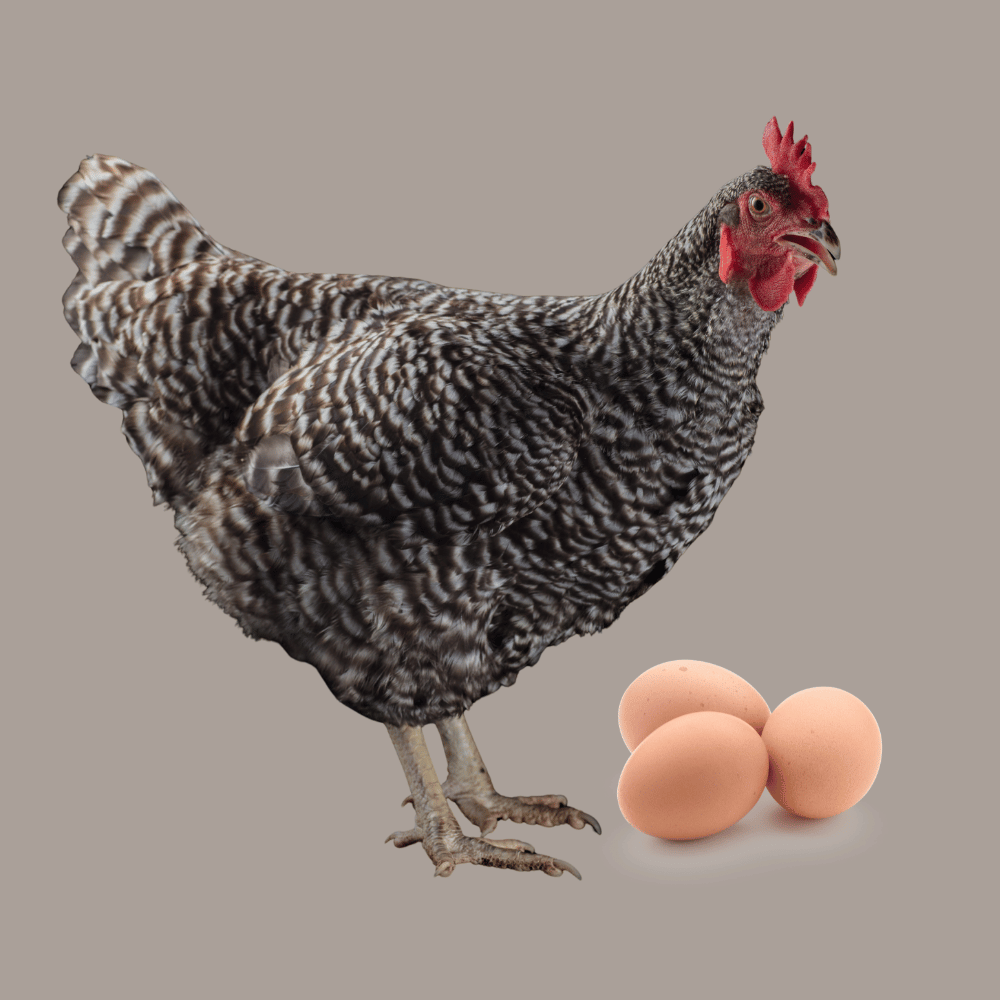
They make reliable layers that give 200-280 eggs per year with 4-5 eggs per week.
These hens will start laying around 18-20 weeks. You can also see their nest full of eggs in the winter as they are cold-hardy birds.
They are good egg-sitters and make good mothers as well.
Egg Color: Brown
Eggs per Year: 200-280 large eggs
Lifespan: 6-12 years
Best For: Families and mixed flocks
4. Sussex
I wonder why Sussex hens are underrated but power layers. They lay eggs year-round, including winter.
You can expect your hens to start laying eggs as soon as they are 16-20 weeks old. As they breed dual-purpose birds, the ladies yield 200-250 eggs per year.
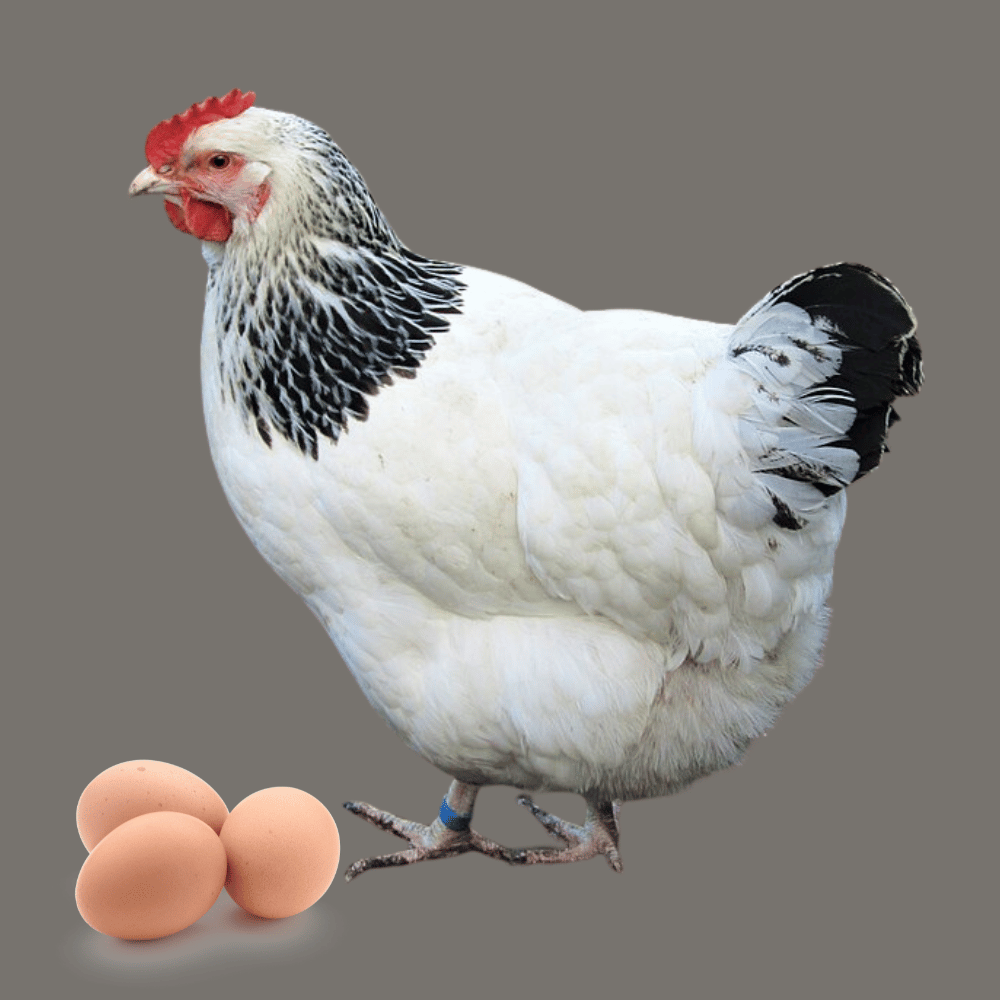
They’re calm and curious in nature, so you’re free to put them in confinement or leave them in the free range.
Though they’re owner-friendly, I find them a bit noisier than most of the other layers.
Egg Color: Light brown
Eggs per Year: 200-250 medium-sized eggs
Lifespan: 5-8 years
Best For: Heritage dual-purpose breed
5. Australorp
This Australian chicken breed is famous for record-breaking egg production with 280-300+ eggs per year.
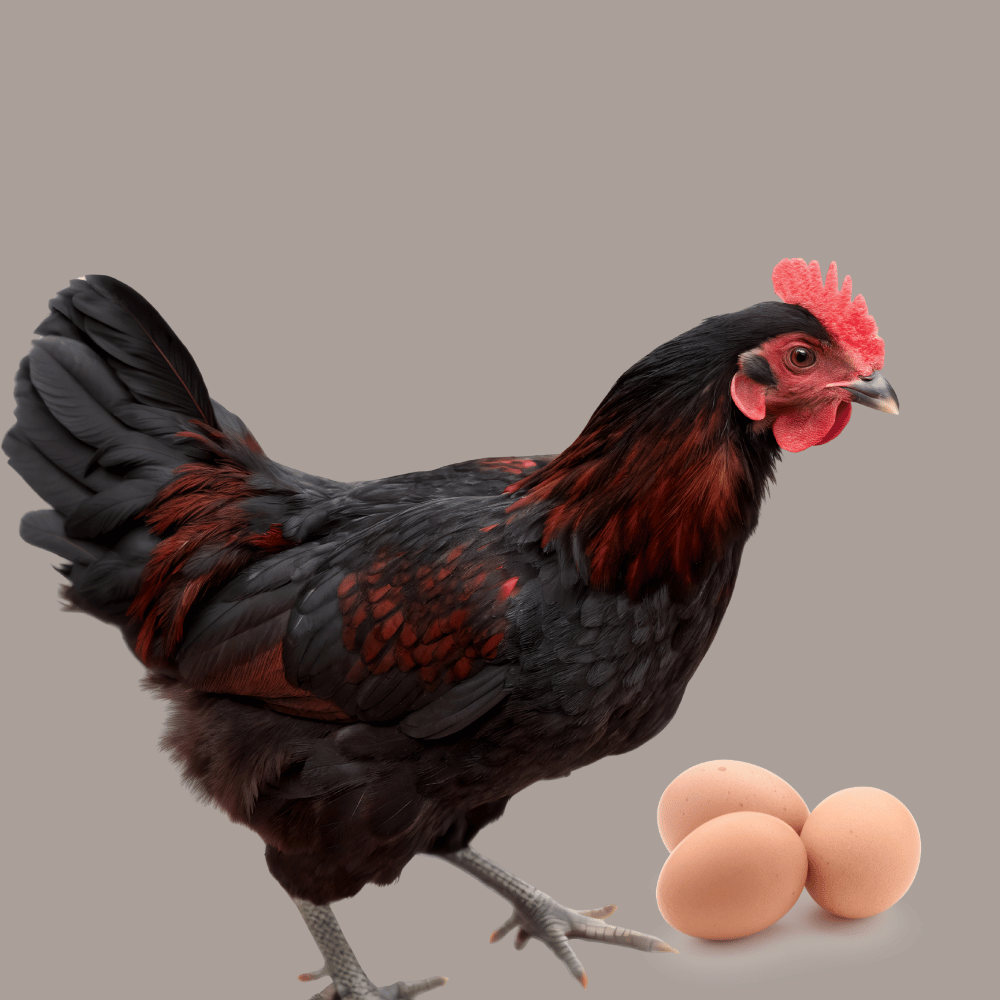
The black hens start laying between 20 and 28 weeks and also make winter layers to fill your egg basket year-round.
After they lose productivity, you can also make them table birds.
While raising hens, Australian chickens are quiet and docile, low-maintenance, and fuss-free and make beginner-friendly chickens.
Egg Color: Tinted to light brown
Eggs per Year: 280-300+ medium to large eggs
Lifespan: 5-8 years
Best For: Backyard homesteads
6. Isa Brown
Isa Brown is a big name in the egg industry, a hybrid with robust performance.
They mature early and start giving eggs for 18-20 weeks. In the first year, they can give upto 300 large eggs, and in the second year, you can expect up to 350 eggs.
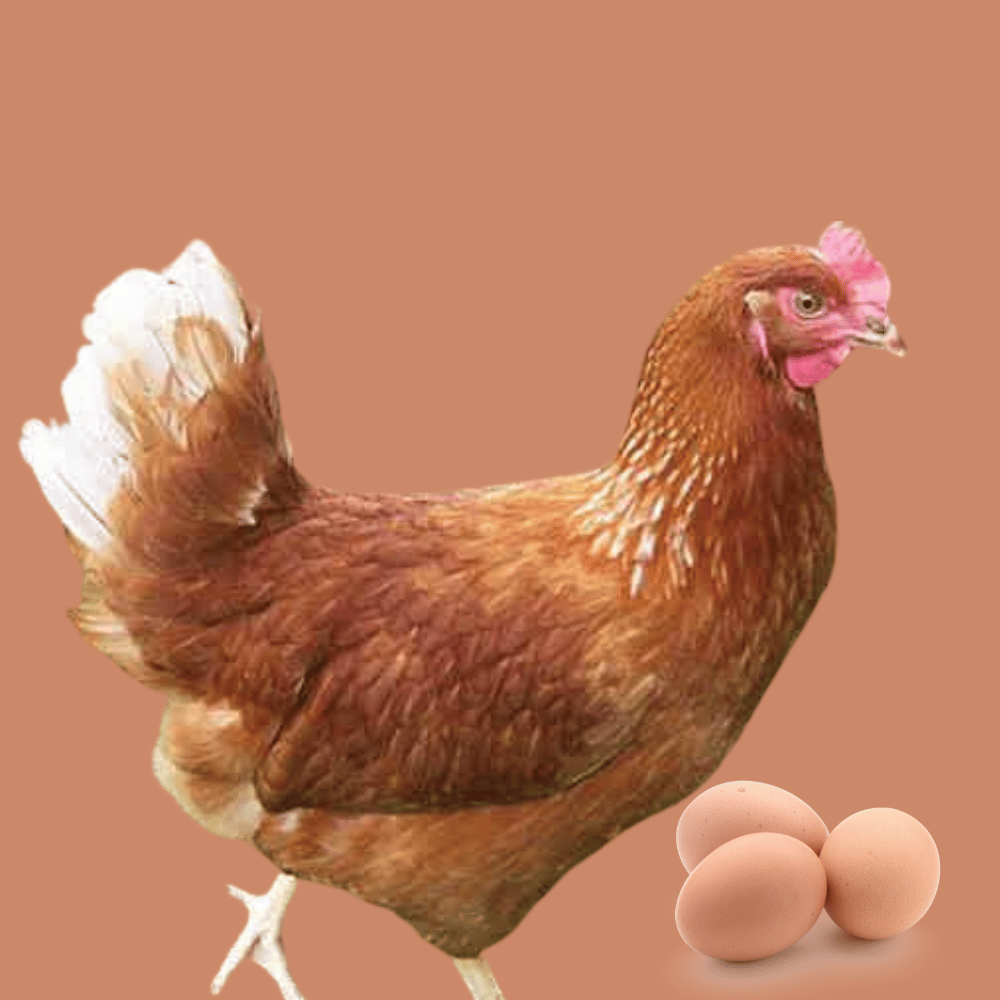
But they’re short-lived birds, so you cannot expect more.
Isa Brown chickens are calm and docile, which makes them family-friendly and easy to raise.
Egg Color: Brown
Eggs per Year: 300-350 large to extra large eggs
Lifespan: 2-3 years
Best For: Temporary Backyard Chickens
7. Lohmann Brown
This is a result of a cross between a New Hampshire rooster and a selected brown layer. It has commercial-level productivity with 300-360 eggs per year.
You can expect the hens to produce 5-7 eggs every week.
As they are small birds, weighing only around 4 lbs, you need to keep them separate from other breeds and flocks. It’s better to raise in captivity.
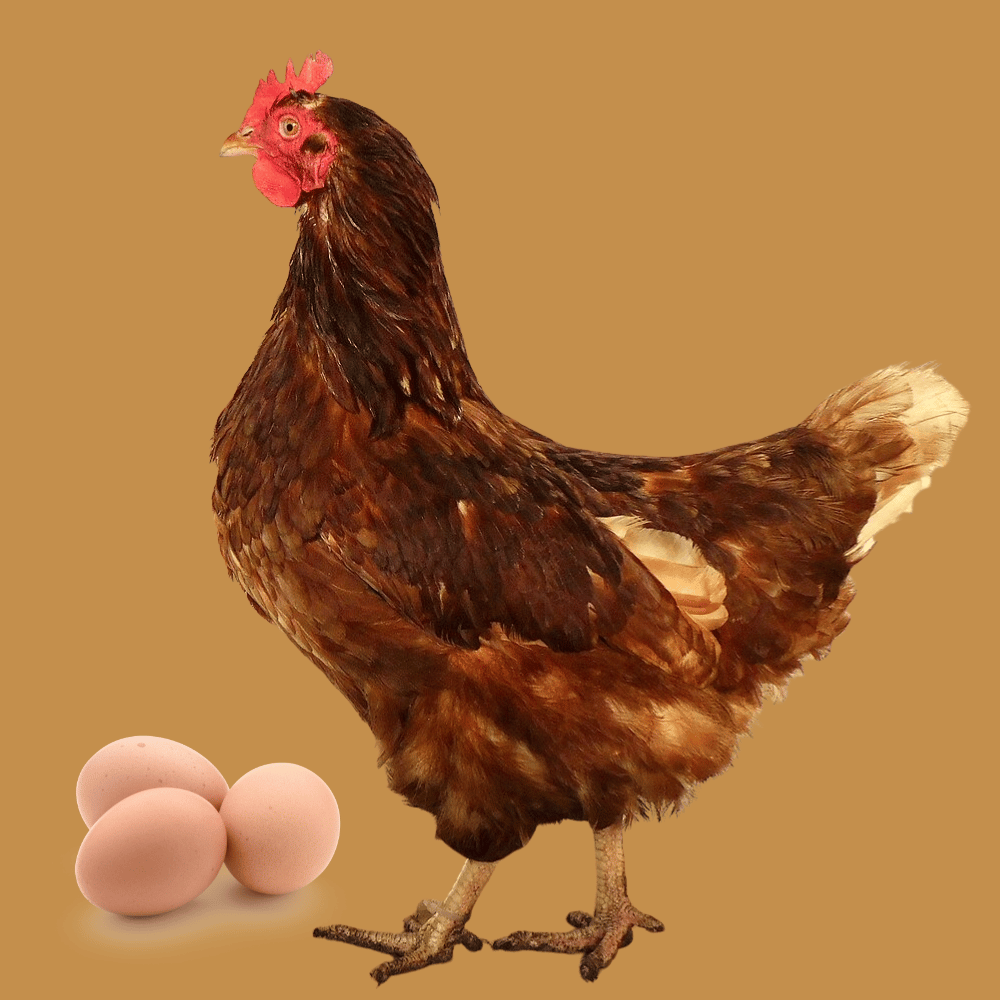
They start laying between 14 and 19 weeks and reach their peak productivity at 72 weeks.
Egg Color: Brown
Eggs per Year: 300-360+ large eggs
Lifespan: 2-3 years in a commercial setting, 5-7 years in a backyard setting
Best For: Large egg farms
8. Golden Comet
This hybrid chicken breed is sweet, docile, and people-friendly, and makes a prolific layer year-round.
They grow fast and start giving eggs from their 16th week, but some can lay for around 20 weeks, depending on their health and feed.
Anyway, Golden Comets lay around 300 eggs per year.
Thanks to their friendly and calm nature, they do well in mixed flocks also.
Egg Color: Brown
Eggs per Year: 250-320 large eggs
Lifespan: 3-5 years
Best For: Temporary backyard chickens, commercial layers
9. Red Star
Like Black Star, Red Star is a prolific layer and a sex-link breed, which means you can tell the gender on the same day of hatch.
They start laying at 28-24 weeks old and produce 280-360 eggs per year.
Though they’re consistent layers with a calm and curious personality, they can be aggressive and dominant to other docile chicken breeds.
Unlike other hybrid chickens, Red Stars can do well in both hot and cold climates
Egg Color: Brown
Eggs per Year: 280-360 large eggs
Lifespan: 5-8 years
Best For: Prolific, consistent, and hardy layers
10. Plymouth Blue Rock
Unlike the purebred, Plymouth Blue Rock is a hybrid chicken resulting from a cross between a Blue Andalusian rooster and a Barred Plymouth Rock hen.
They share many similarity to that of Plymouth Rocks, such as a calm, docile, and friendly nature.
With that, they are known for their unique appearance (often mottled and lavender-colored plumage) and sex-link chicken benefits.
These chickens start laying between 16 and 24 weeks and produce 250-260 eggs per year.
Egg Color: Brown
Eggs per Year: 250-360 large eggs
Lifespan: 6-12 years
Best For: Long-lived dual-purpose breed
11. Hamburg
I like Silver Spangled hamburgs, which are unique, with beautiful white plumage and polka dots at the feather tips.
They are smaller, strong layers that give small to medium-sized eggs. You can expect them to yield 150-200 eggs or more.
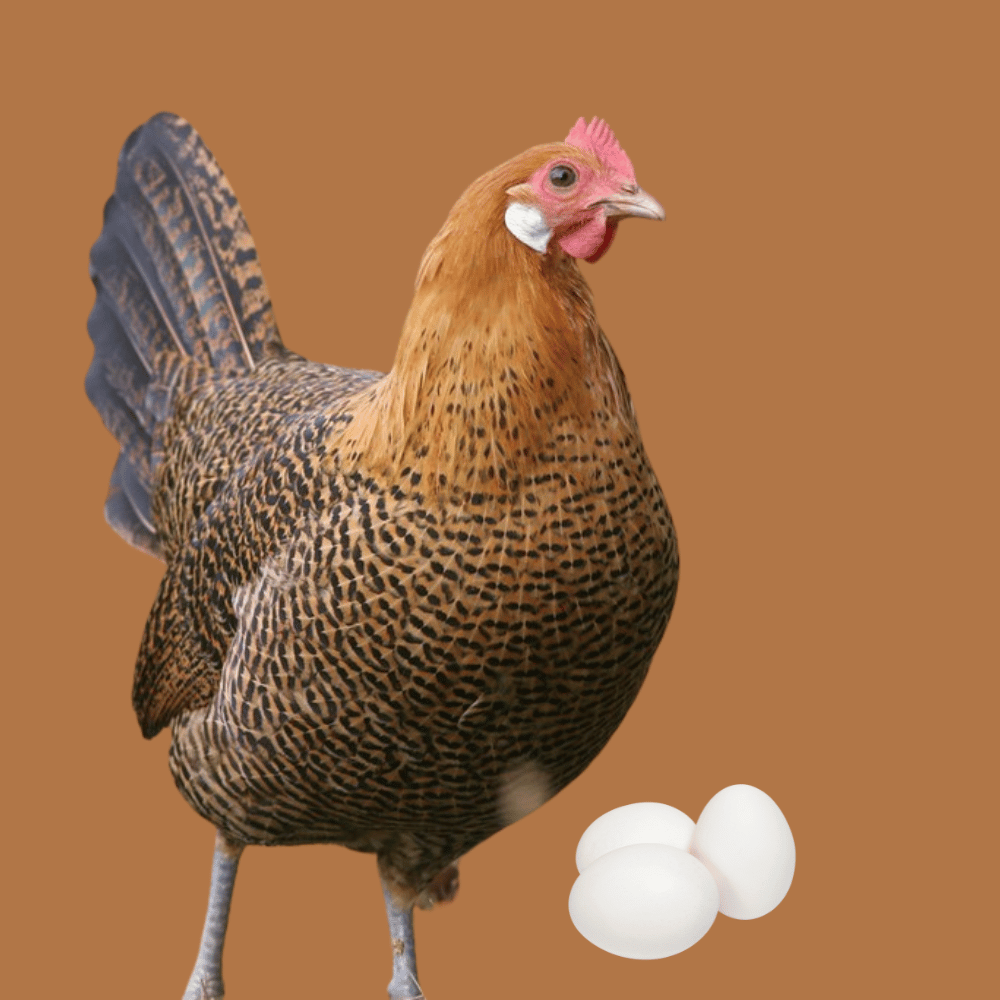
Unlike other domestic chickens, they have a wild personality, are flighty, and don’t want human interaction.
So, they are excellent foragers and do well in free-range setups. They can take anywhere from 16 to 20 weeks to lay their first egg.
Egg Color: White
Eggs per Year: 200 eggs
Lifespan: 5-8 years
Best For: Small backyard, single homesteader
12. Fayoumi
Fayoumi look more like game birds, often compared to the roadrunner in appearance.
They’re small, smart, hardy (excellent disease-resistant), and excellent foragers. Though their eggs are small, they’re consistent layers that lay around 150+ eggs per year.
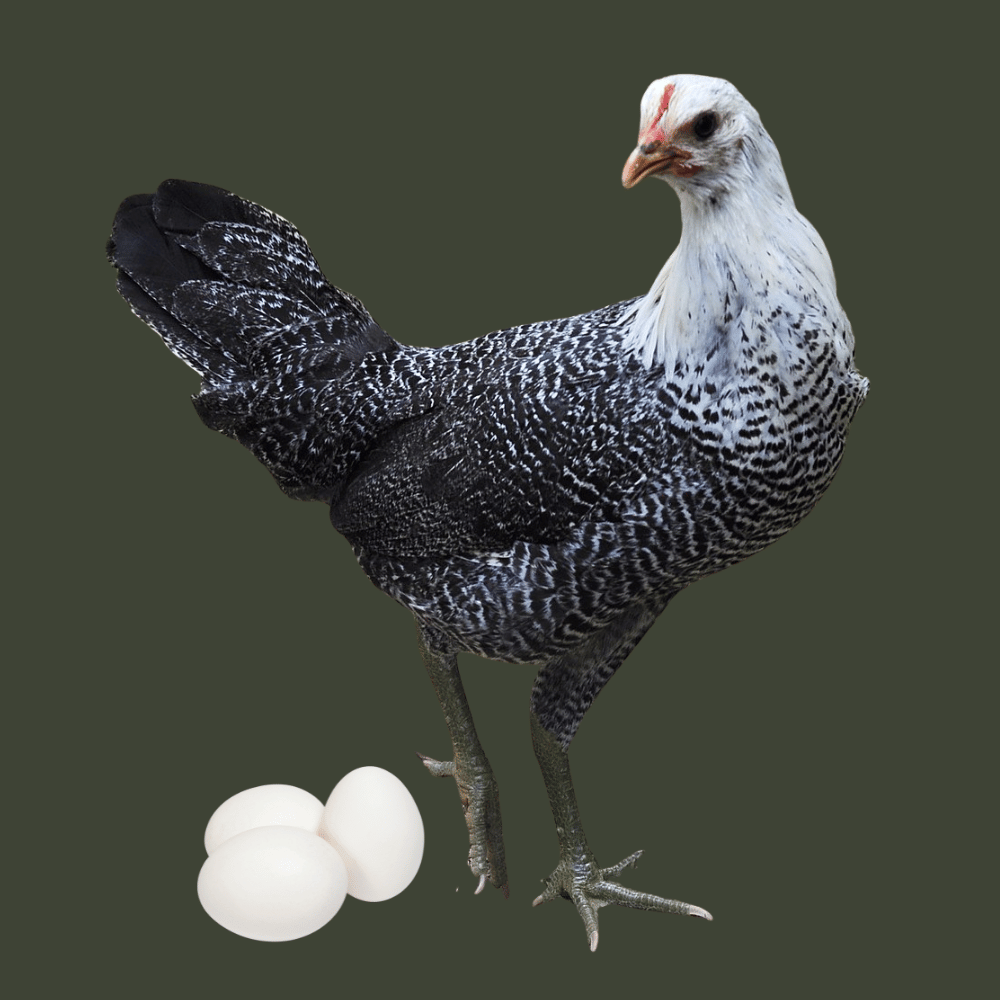
Expect these birds to lay around 16-20 weeks. They have excellent heat tolerance so they thrive well in tropical regions.
Egg Color: White to cream/tinted eggs
Eggs per Year:
Lifespan: 5-8 years
Best For: Low-input systems
13. Ancona
If you have kept this Mediterranean chicken, you must have known how powerful layers they are. You can expect them to give 180-250 eggs per year.
They’re highly active, efficient foragers, and show wild nature.
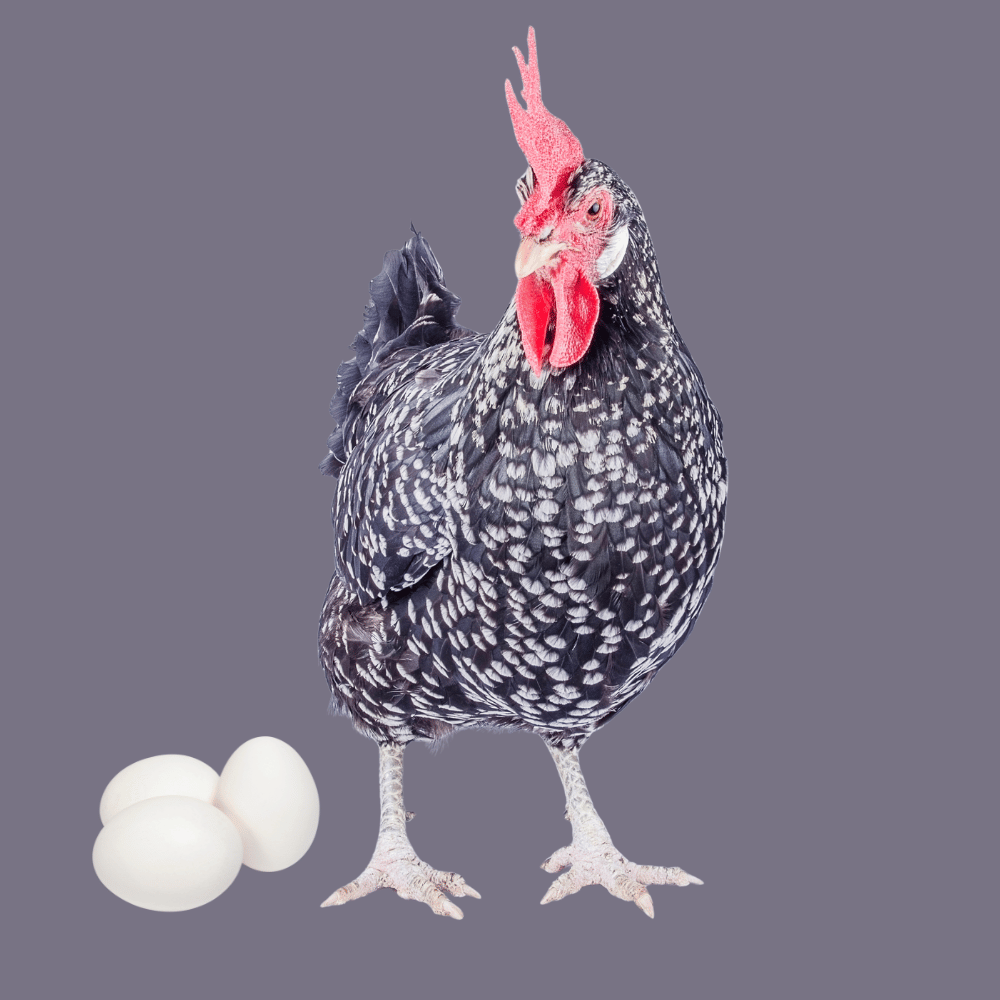
One interesting thing is that they are highly independent, lonelier, and don’t want to eat or hang out with the flock. But they want you to handle them.
If you want to raise these chickens, you need to wait for 20-23 weeks for their first egg.
Egg Color: White
Eggs per Year: 180-250 large eggs
Lifespan: 5-8 years
Best For: Hardy and good layers with pet quality
14. Wyandotte
After slim and small chickens, I have also added some fat chicken breeds that can serve as dual-purpose birds.
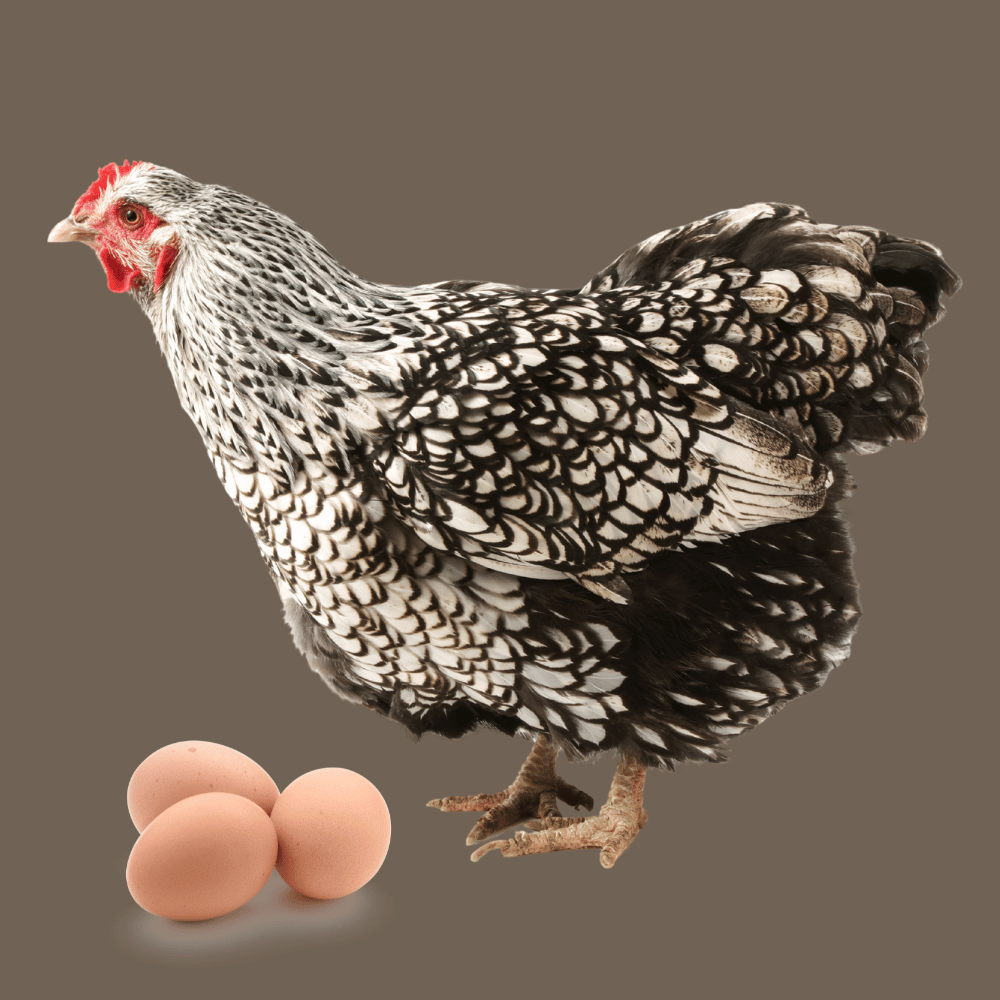
Wyamdotte is a classic example of a homestead chicken, being a beautiful yet valuable for meat and eggs. They can lay between 150 and 250 large eggs per year.
Thanks to their fluffy and heavy plumage, they make cold-hardy winter layers. The hens mature around 18-24 weeks and start giving eggs.
Though they are sweet, docile, and easygoing, they can be vocal at times, especially after laying eggs.
Egg Color: Brown
Eggs per Year: 150-250 large eggs
Lifespan: 6-12 years
Best For: Dual-purpose breed with egg-laying ability
15. Easter Egger
Want some chicken breeds for colored eggs?
Easter Eggers lay beautiful blue and green eggs. You can expect them to lay 200-280 eggs per year, with 4-5 eggs per week.
They usually start laying eggs between 20 and 24 weeks, but I have also found them laying as early as 18 weeks and as late as 28 weeks.
The hens are active, docile, curious, and friendly, so even beginners can raise them well.
Egg Color: Blue and green or olive
Eggs per Year: 200-280 eggs
Lifespan:
Best For: Backyard diversity and egg baskets
Final Thoughts
You don’t need a rooster strictly for layers, but I feel I want one around the flock, as they are productive and natural breeders.
While commercial and high-yielding chickens are more prolific layers, they are often short-lived.
So, for the backyard and homestead, you want heritage breeds and dual-purpose chickens.


Leave a Reply