
Broody hens don’t take care of themselves and remain in the nest without eating or drinking enough. They also stop dust bathing, preening, and socializing as a part of the flock.
You can also see your egg basket empty as they also stop laying during their broodiness. These are all worth it for her hatching eggs into new chicks.
But what if you can hatch their eggs in an incubator and have them lay only more eggs? You have to break your broody hen, and here is how you can do it.
What is a Broody Hen?
After laying a clutch of eggs, chickens want to sit on their eggs. Most chickens go broody, especially heritage chicken breeds such as Orpingtons, Plymouth Rocks, Sussex Silkies, Cochins, and Brahmas.
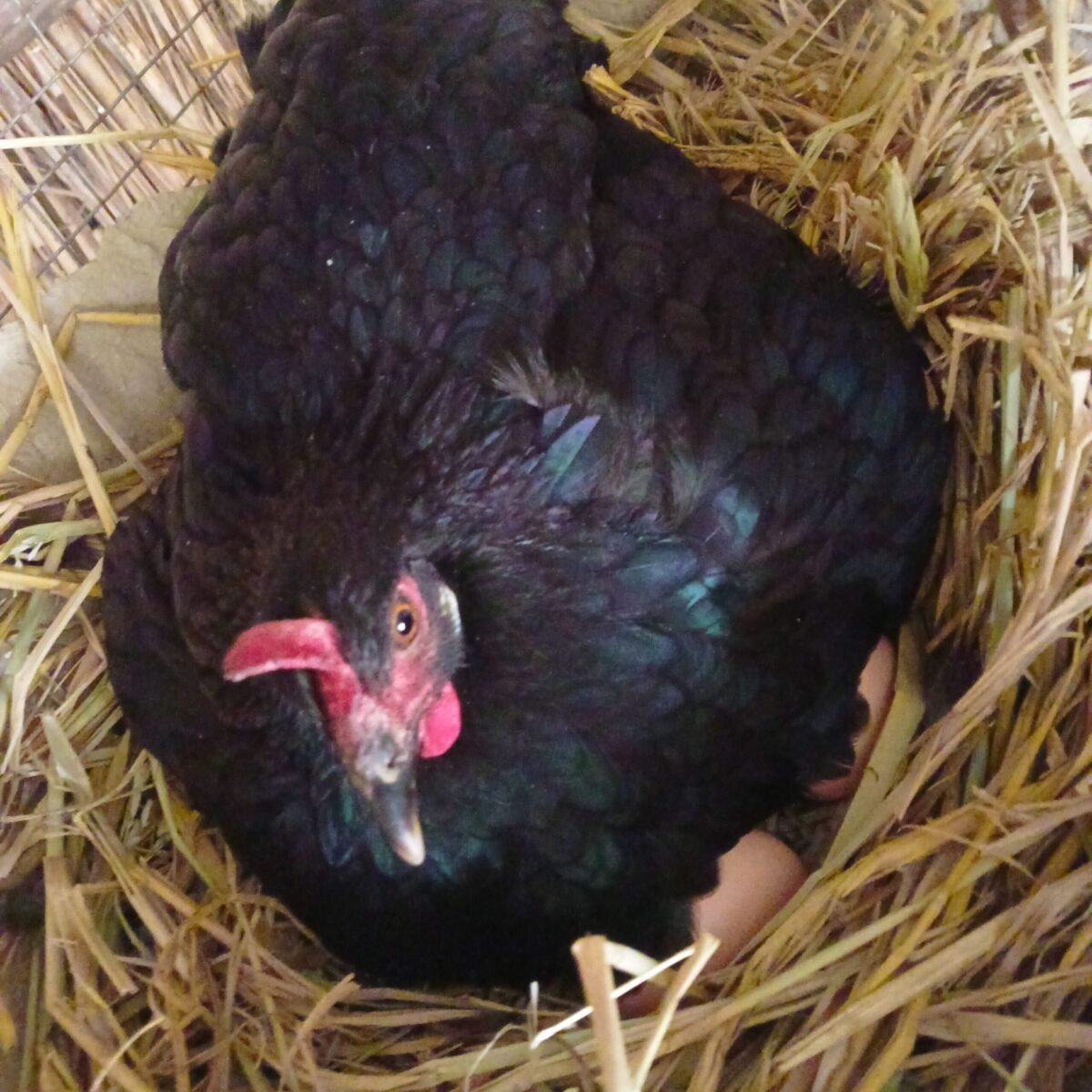
But not all chickens become broody, such as Leghorns, Hamburgs, and Welsummers.
Those that go broody have a strong maternal instinct and make responsible and good mothers. And those that lack broodiness don’t hatch their eggs, and make bad mothers.
Anyway, when hens decide they are ready to hatch their eggs, they develop hormonal changes, which trigger them to go broody.
They have a natural instinct to hatch a clutch of eggs, and this can occur even if there is no rooster.
Broodiness is a condition in which hens sit on their eggs for the whole day. If you want other eggs to hatch, you can simply place them under the hens. They don’t complain about it.
After 18-21 days, your hens finish hatching their eggs, and their chicks are ready to leave the nesting boxes.
When you allow them to go outdoors, they can raise their chicks under their protection without human interference.
Signs of Broody Hen
When you see your ladies cease laying eggs, you must know that they’re taking a rest or have just gone broody.
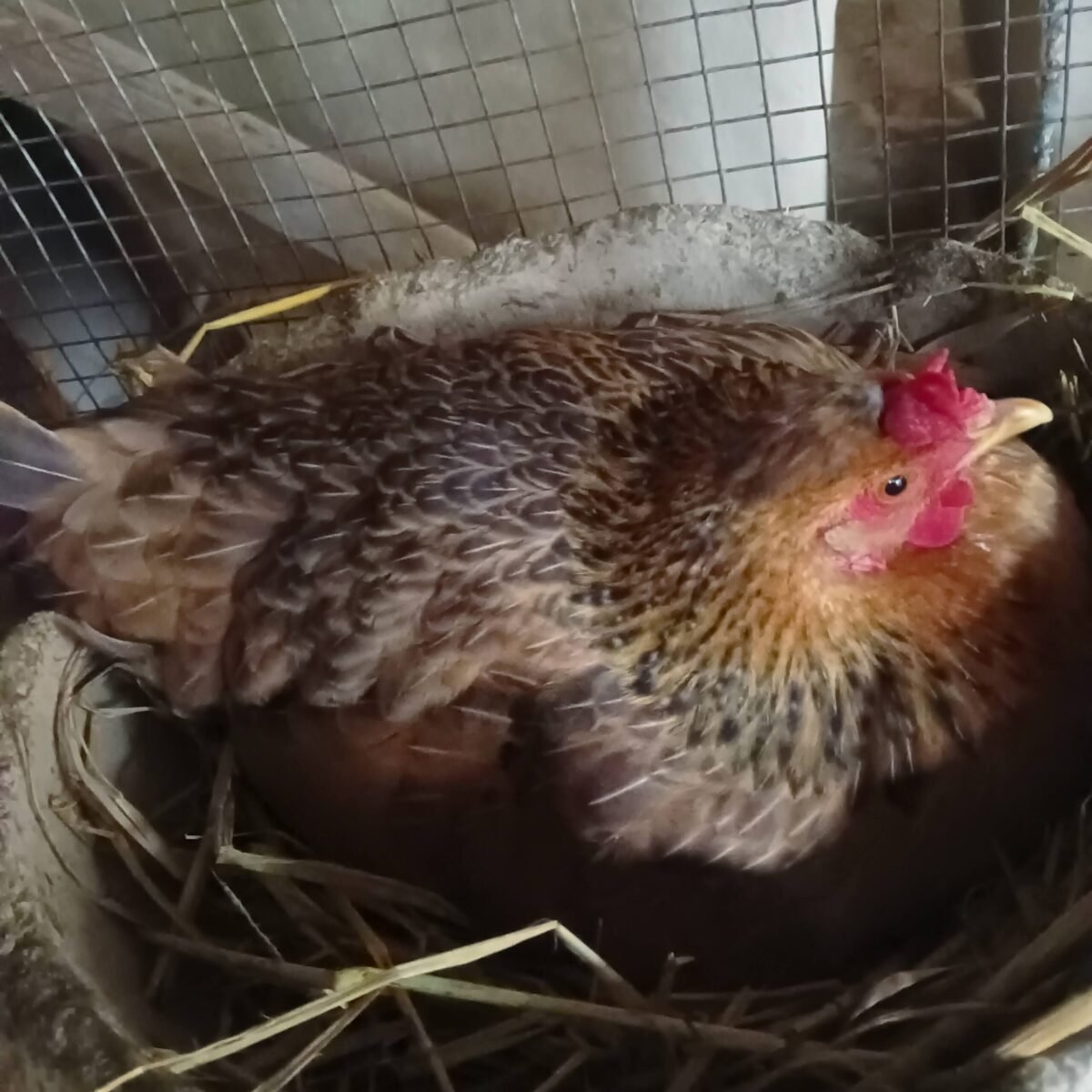
They stay in the nest box all day while sitting on their eggs. You can notice them leaving their nests or eggs and going outdoors to take a short break for food and water once or twice a day.
The ladies puff up their feathers to trap heat under their wings.
During their broodiness, hens also pluck their breast feathers to increase body temperature and warm the eggs.
They grow pale, lose sheen in their plumage, and lose weight as they feel unwell for a long time.
When roosters and some other hens or pullets roam around their nests, they start growling.
And they become so protective that they become aggressive and tend to peck other birds when feel disturbed. Before their broodiness, they are docile, calm, and timid, but suddenly they turn into authoritative and dominant.
Why You Might Want to Break Broodiness
Simple: if you want your hens to continue laying eggs, you should restrict them from sitting on their eggs.
While sitting on eggs all day, they don’t have time to take care of themselves, so they look unhealthy. They lose their feathers, charm, and weight, and put their lives at risk when hatching eggs.
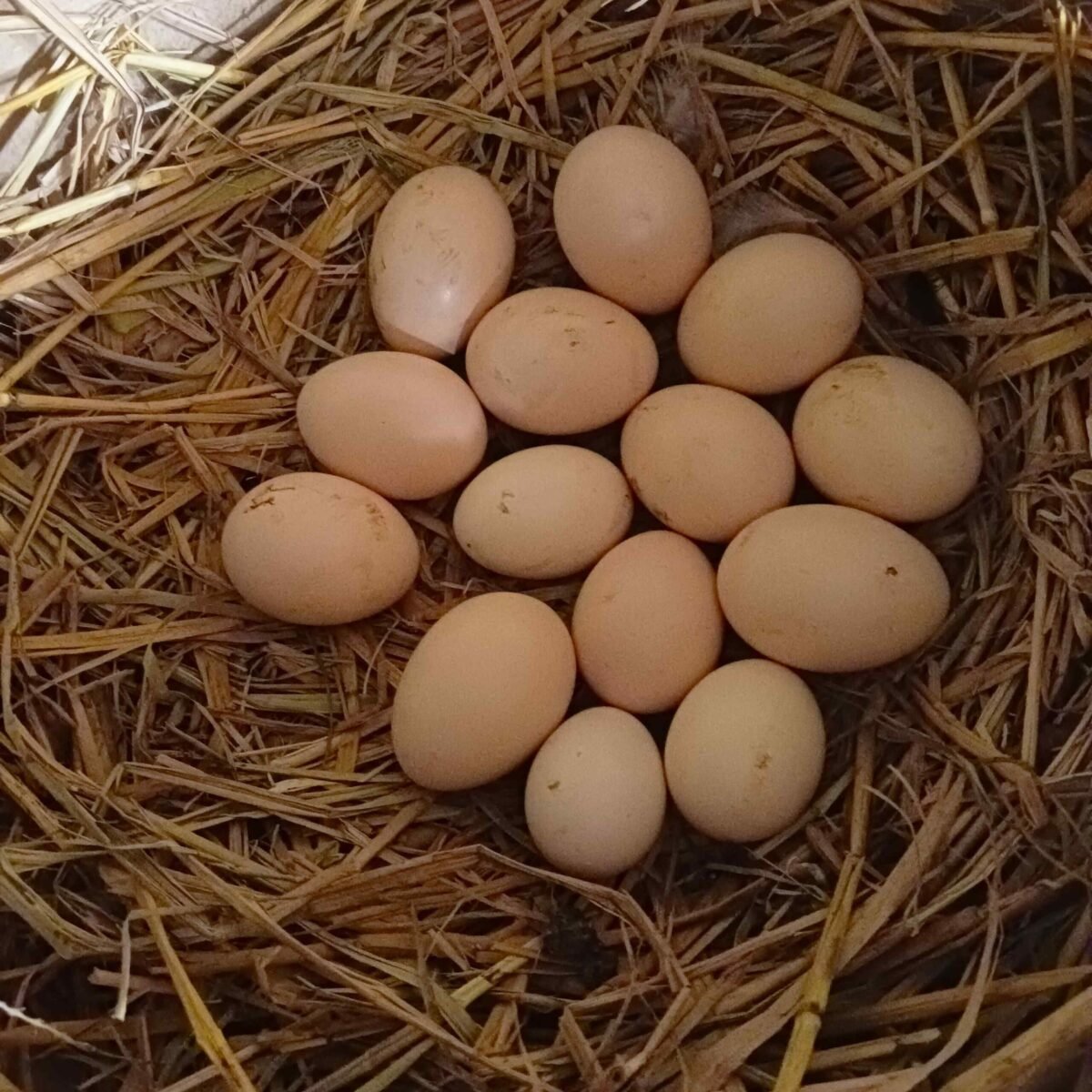
Other hens also cannot use the same nesting box if a broody hen has already occupied it.
Inexperienced pullets and young hens often make mistakes when they go broody for the first time. They sit on their eggs for a while and quickly become bored and quiet after a week or two.
This causes fertile eggs to go to waste without hatching into new chicks. So, you should be ready to put the eggs in an incubator if a similar case ever happens.
Or, you can slide their eggs into other broody hens’ nests.
If they have no fertilized eggs, it’s no point for chickens to go broody and sit on their eggs.
Besides, many hens are not interested in newly hatched chicks as they still care about their eggs in the nest.
I have seen my hens keep their recently hatched chicks under their wings for two days. The chicks are hungry, but they don’t want to leave their nest.
It’s good, as chicks are moist and need warmth to dry out. So, hen’s warm feathers are the best to create a cozy environment if you don’t have a brooder. But sometimes, they cannot survive if not fed soon.
And it’s not always 100% hatching success from the hen’s incubation and hatching, as I often found one or two eggs left in the nest unhatched.
Besides, predators can easily capture broody hens as they are sitting in the same place all the time. And they do it with their plan, as broody birds have their nest on the ground floor, which makes it easy for predators to get a free meal.
Hens also don’t want to leave their eggs and young chicks. So, you have to protect your chickens from predators by providing a secure coop and a nest box.
Another problem is that broody hens are loud and get aggressive. When you reach their nests and slide your hands on their eggs, they may peck at you.
They want to protect their eggs with their beak, wings, and claws.
If you live in a warm climate, I definitely suggest you break your broody hen. Since the environment is already warm, and as the hen goes broody, she might get unbearable warmth under her wings.
When You Should NOT Break a Broody Hen
If you have fertilized eggs and want chicks to raise new flocks, you should not allow your broody hen to sit on and hatch their eggs.
This may help you cut the cost of an incubator and brooder if you haven’t already owned one. My first year of homesteading was the same strategy.
7 Proven Methods to Break a Broody Hen
Chickens can go broody at any time of the year, but the warm seasons (spring and summer) best help them.
The first time layer has a higher chance of getting broody, but again, hens can go broody at any age in their life.
Many become broody every spring, but some show their broodiness only twice or a few times in their lifetime. Anyway, let’s see how you can break a broody hen.
Method 1: Remove Eggs Immediately
Remove your ladies and collect eggs daily. If you have a large flock of hens, visit their coop twice a day with an egg basket.
After collecting, you can store chicken eggs for later use.
This helps prevent the gals from completing their clutch for hatching eggs. Some are dumb, so they don’t realize it and continue laying eggs.
But a few are smart and start growling when they find their nest empty. As a result, the broody hens also steal eggs from others near their nest.
If you find them, replace the eggs in their previous positions and collect them again only to prevent nest buildup. This helps discourage broodiness early.
Method 2: Block Off Nesting Boxes
I mean, keep locking your coop and nest during the day so that broody hens become active. I find it very useful for those who are not very determined, broody, or mildly broody hens.
Once your girls have finished laying eggs, lock them out of the coop.
They shout around the coop, demanding to be allowed in. If they don’t find a way out, they make themselves comfortable in the dry grass or mulch, nesting away from the flock.
In such a condition, I often lure my hens with homemade chicken feed and treats.
When it’s near dark, I open the coop gate and place those broody hens in the chicken roost bars. Next morning, check if they still want to nest or roam with their flock.
Method 3: Remove the Hen from the Nest
Make your chickens develop a habit of leaving the nest box once they have laid eggs. If ladies still hang out after laying eggs, gently nudge to get them out of the nest and coop.
They can ruffle their feathers, stretch their wings as if they are about to jump on you, or simply keep their body low and grumble at you.
Also, they can peck at you to protect their nests.
If they returned to the coop, you have to take her off several times per day. So, you need to place her near food and water.
This way, they may forget their aim to nest for a while and return to their normal flock behavior.
Method 4: Increase Light and Activity
Hens find dark places very cozy and secure for laying eggs and sitting on them. Open windows and doors during the daytime and place the chickens in the secure chicken run.
Or let your girls free-range in the garden or pasture.
Give them a handful of treats, such as scratch grains, sprouts and fodders. I think vegetables to peck at also works.
Besides, you can also add flock enrichment to keep hens away from their nest, such as outdoor chicken dust bath and perches.
Method 5: Use the “Broody Breaker Cage”
This is the most effective homesteading method.
You need to capture your hen and put it in a cage so it cannot access its nest. This method is for stubborn birds.
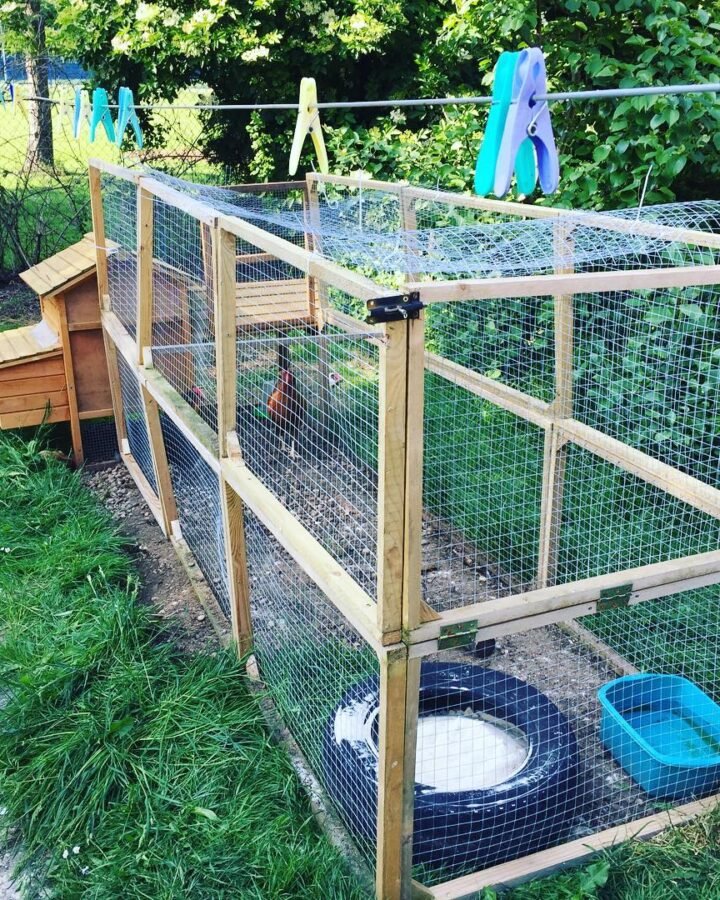
The cage can be anything from a wire dog kennel and a rabbit hutch to an enclosed pen. Make sure it is a wire-bottom cage and elevate it slightly off the ground.
You can use cinder blocks, bricks, wooden beams, and small crates to keep chickens off the ground. This halts the birds from scratching the dirt and ground.
The main aim of this setup is to make chickens uncomfortable and bored. The birds have nothing to do in the cage with little space.
No nest, no perching, no foraging!
But this doesn’t mean you hurt your birds. You need to provide regular care, including food and water, in the cage. Also, allow airflow to cool the hen.
It can take 2-4 days and even 6 days for chickens to return to their normal flock behavior. If they show up changes in their behavior, release them before nightfall and inspect if they go with the flock or look for the nest.
If the result is unsatisfactory, cage the broody again until she recovers from her broodiness.
Method 6: Reduce Nest Comfort
Remove nesting materials temporarily, such as straw, wooden shavings, or whatever you put on the bedding and nest.
Also, make the nesting box less appealing. Fill the nest with pebbles or mustard plants. Learn about plants that chickens dislike!
Also, add a distraction. For example, you can introduce a new chicken to the existing flock at night. When a broody hen learns something happens in the flock, she might try to intervene in the conversation.
When she knows a new member is in the flock, she may spend the whole day establishing a new pecking order.
Method 7: Treat with a Cold Water Bath
What if you make chickens feel cold?
They cannot sit in the nest under the shade and need to go outdoors to dry themselves in the sun.
Fill a sink, wash tub, bucket, or any container you have with cold water. If you lack cold water, add some ice cubes to chill it, but not freezing cold water.
The water should be enough that, when you gently submerge the chickens in it, the birds have water on their front bodies, where they lack feathers while brooding.
This lowers their body temperature and shocks the birds, and kicks them out of their broody mood. It helps stop incubation instincts.
How Long It Takes to Break Broodiness
The earlier you take action against their broodiness, the faster you can break your broody hens.
Hens snap out of their mile broodiness in 2-3 days. They are not very determined for eggs and a nest.
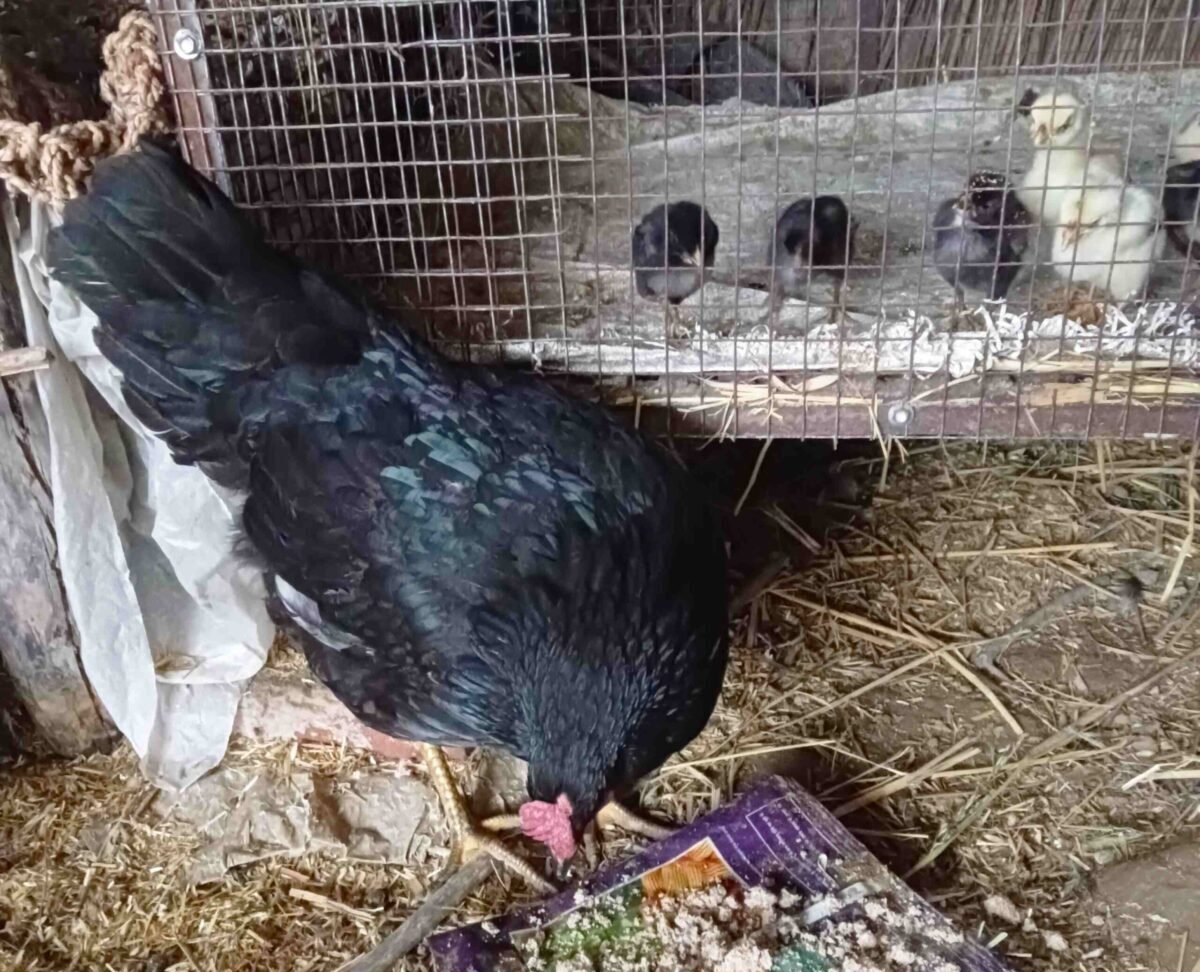
But some are stubborn and have strong broodiness, which can take at least a week or two to return to their normal behavior. This can also extend up to 4 weeks.
This also depends on chicken breed, age, season, and flock environment.
Many keepers place chicks near broody hens, which provides instant satisfaction and boosts their mothering and nurturing instincts.
But that doesn’t stop their strong desire to sit on eggs in the nest.
When you put all your strategies and efforts in, and nothing works, you need to let them hatch their eggs. If you don’t want chicks, you can sell them after 6 weeks.
Tips to Prevent Future Broodiness
Collect chicken eggs daily without leaving a single egg in the coop. If left, they may eat their own eggs or hide them, causing egg buildup that can intensify their broodiness.
When pullets or hens start singing, you should know that they are looking for nests. So, give them enough nesting boxes. Each layer should have its own nest box.
Reduce dark nesting spots in the coop with enough light. Also search for hidden chicken, nests, or laying spots in the coop, run, or backyard where they often forage.
Don’t allow your birds to go idle; keep them active. You can give them treats, perches, dust bath, or other enrichments.
Final Thoughts
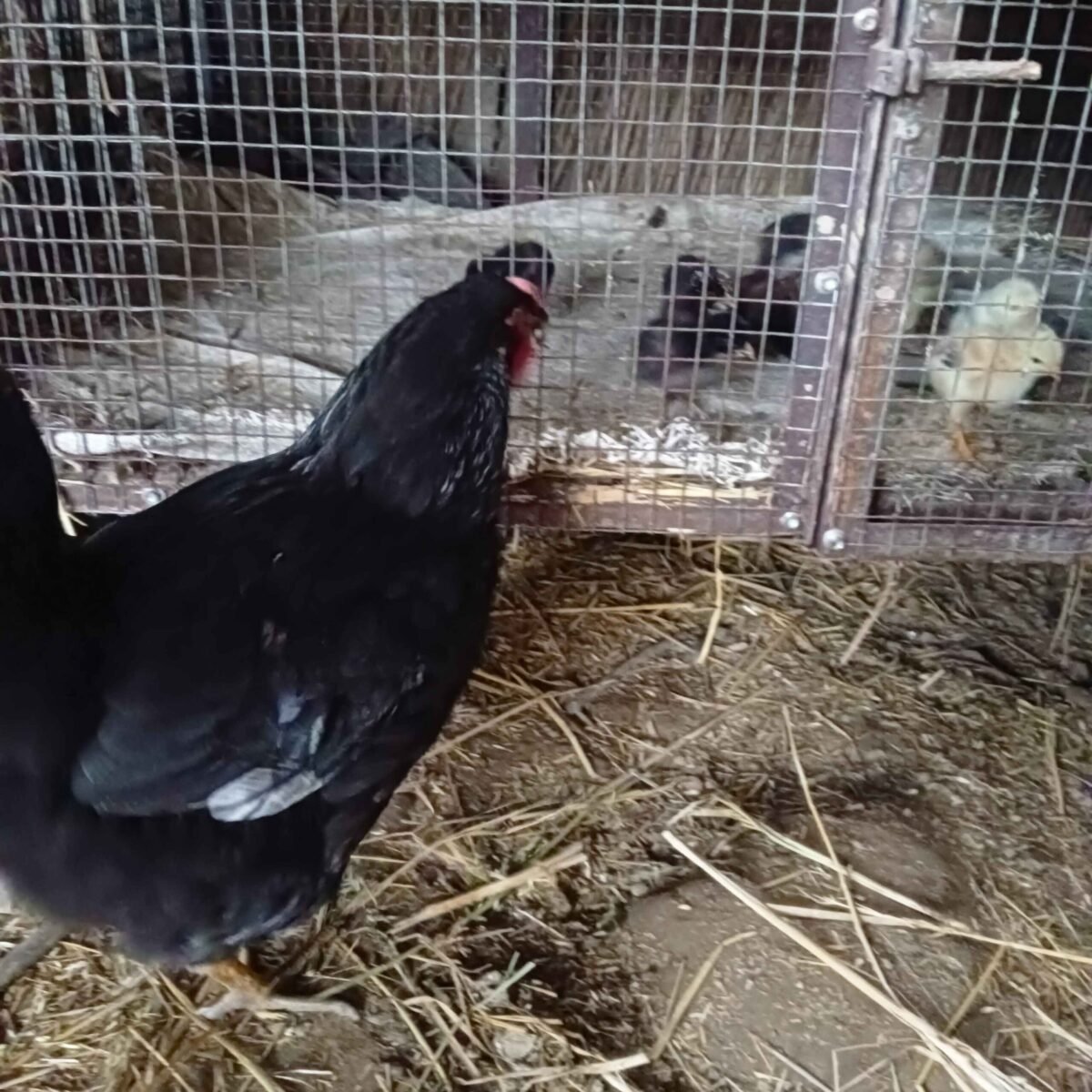
Broodiness is a stressful condition in which a hen stops her usual flock behavior and wants to sit on her eggs all the time without leaving her nest.
Broody hens return to their normal behavior when you disconnect them from their longing for the nest.
You can expect your hens to continue laying eggs after 2 weeks of recovering from broodiness.




Leave a Reply