
Whether you’re on a small farm or in a backyard setup, or only hatching a plan for your future off-grid life, you need a sustainable meat source.
The rabbits and chickens are the popular homestead livestock that provide you with a rich, flavorful protein source in a small space and time.
In this post, I’ll be sharing my thoughts on what worked for me while raising meat on my homestead.
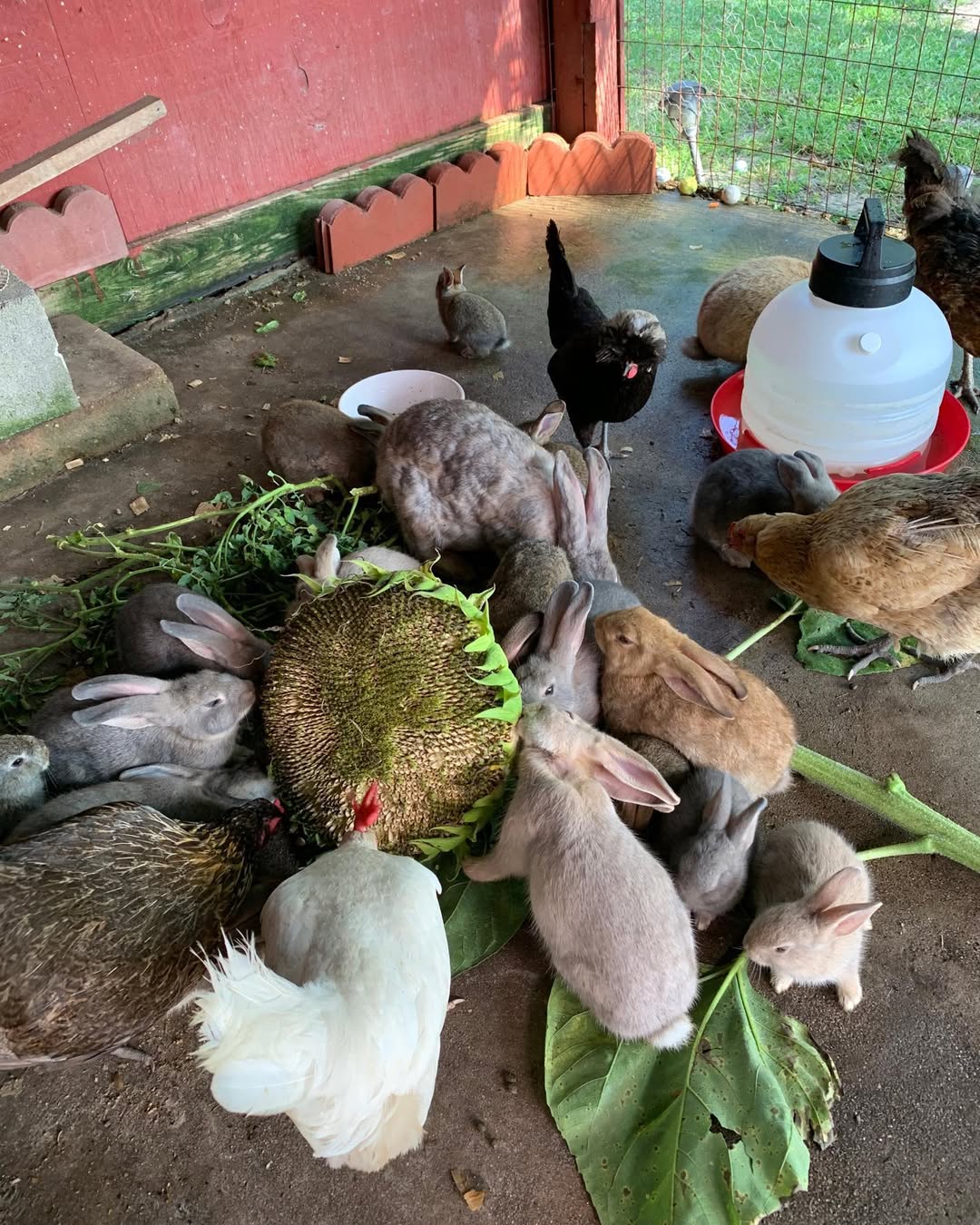
My Experience Raising Rabbits and Chickens
One thing you must admit is that rabbits are very hands-off. I raise bucks and does in a colony. They burrow into the ground and are happy with whatever they do there. As a keeper, I have to provide a steady supply and process bunnies.
While harvesting, it’s harder to do with cute four-legged animals than with a bird. But I keep it a part of my schedule.
On the other hand, chickens need significant care for the first week with a brooder setup and tender feed. You have to tend them frequently.
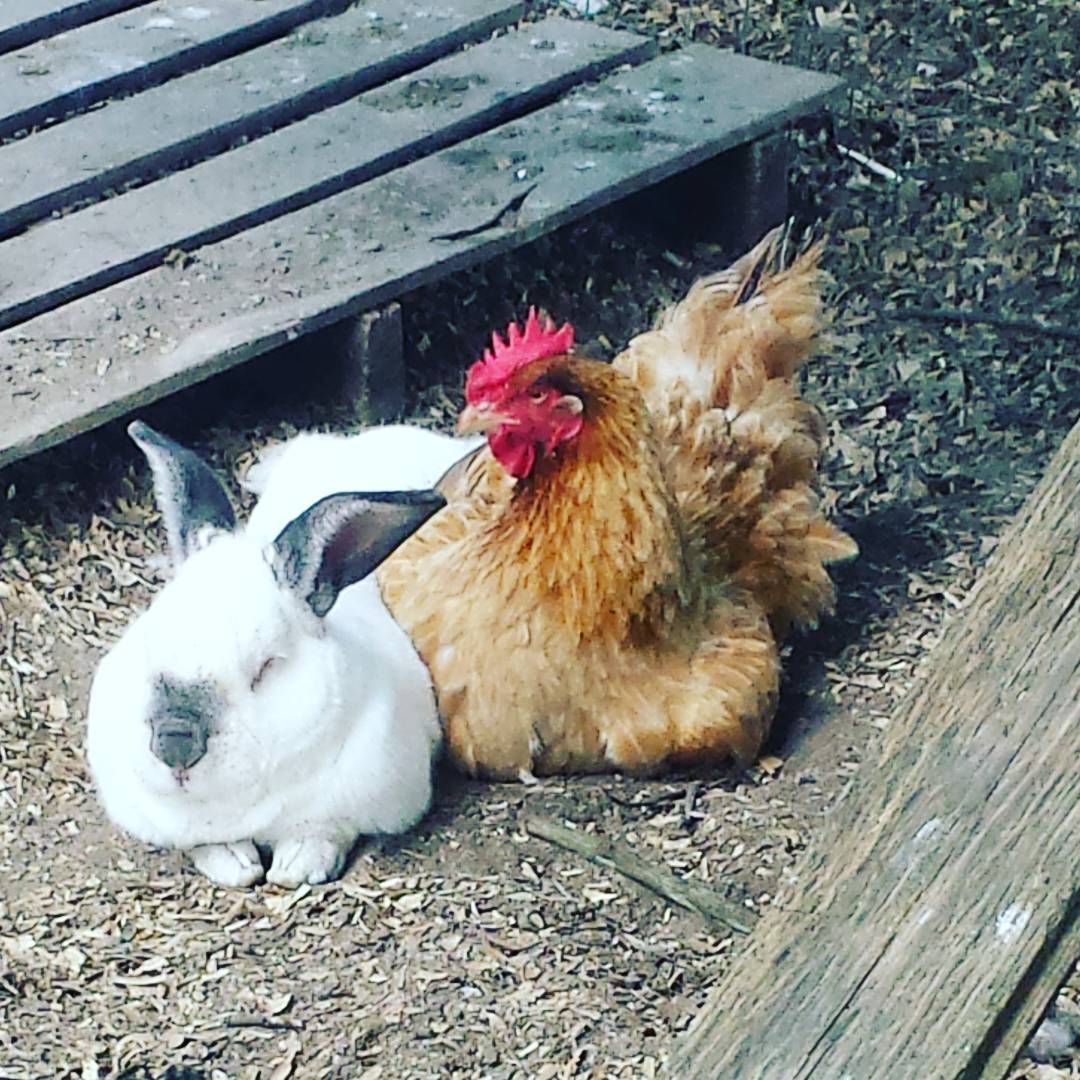
Rabbits can be left to their own zone and device.
Until you don’t have an incubator and you’re not okay to work along with it, you have to depend on hatcheries or other people to keep the rotation of raising different batches of flocks.
Both animals make great fertilizer for my backyard garden. While rabbit litter goes directly on the soil, you have to compost chicken manure first.
Chickens help manage table scraps efficiently
Harvest
The hens give you eggs per week throughout the year, and after they get old, the old ladies make a good pension for table birds.
But you get only from rabbits when you harvest them.
Chickens are voracious eaters that feed on whatever they get from bugs, pests, grass, veggies, scraps, grains, and many others.
Rabbits have a much more limited diet and treats, and changing quickly can be a problem for them.

It’s easy to control when chickens breed. If you don’t want chicks, don’t let your hens sit on eggs.
But I find it a bit trickier to restrict bunnies from reproducing. Either you have to separate the colonies of bucks and does with feed, water, and shelter, or you just get kits when they breed.
You can keep a rooster to get many benefits with hens. Pick the right heritage breeds, and mama hens do their job after that. They do 90% of the nurturing chicks and teach them everything from foraging to save themselves from predators.
I find chickens super easy to add new breeds to my flock. You only need fertilized eggs or day-old chicks of the breeds you want.
Keep the eggs or babies under a proven mama hen at the right stage of her broodiness. I mean, early for chickens and late for chicks.
This helps you diversify your chicken breed or flock without even moving your live birds on and off your properties if you have fertilized eggs.
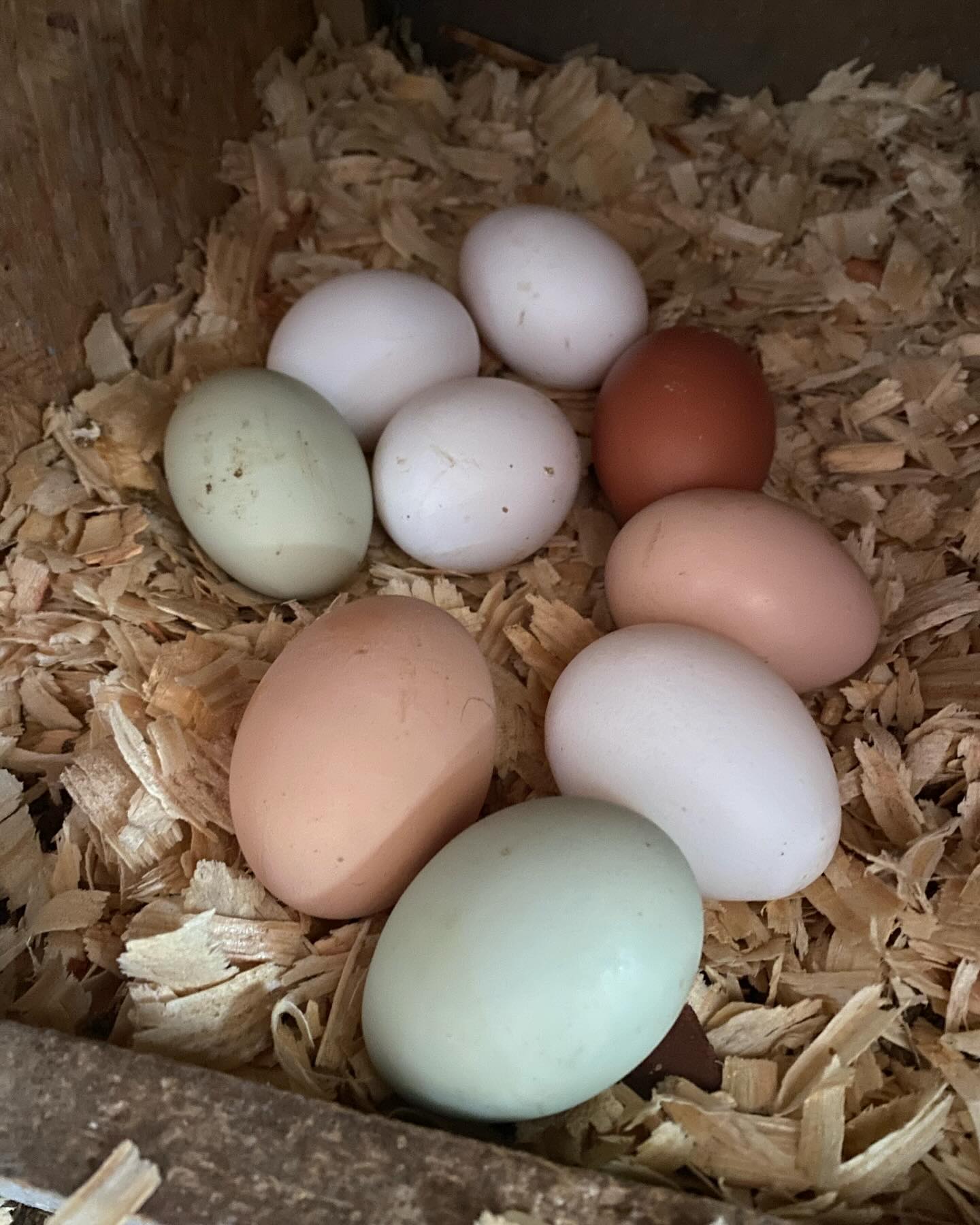
On average, layers can lay around 20 eggs per month. This way, 20 large eggs weigh about 3 and 1/2 lbs.
Besides, meat chickens weigh anywhere between 6 and 8 lbs or more, depending on the breed. They have got white meat to make different types of dishes.
The story with meat rabbits is that they get 6 to 8 kits per litter, and you can process them between 10 and 12 weeks.
Expect them to be around 5 lbs per animal. Their meat is dark, juicy, and has a gamey flavor.
So, a single laying hen lays 8 lbs of protein, while one rabbit produces 20 lbs of dressed protein ready for the table.
.
When continuing, the chances are high that your bunnies are already bred back, and perhaps they have another litter in the box.
So, you have another batch of 6-8 kits that are already on their way,
Processing
I don’t need more than a shear to process rabbits on my homestead.
But when you have to harvest your chickens, you may need kitchen shears, a scalding pot, a plucker, and a lot of help.
And you must have some good skills when doing it.
It’s much easier to pull the hides and guts from a rabbit. At the same time, you have to find a big mess on your hands if you process large numbers of birds.
But bunnies are really clean. You can process them on a small foldout table.
Cost Effectiveness
While raising meat on a homestead, you should not focus only on self-sufficiency but also on saving money.
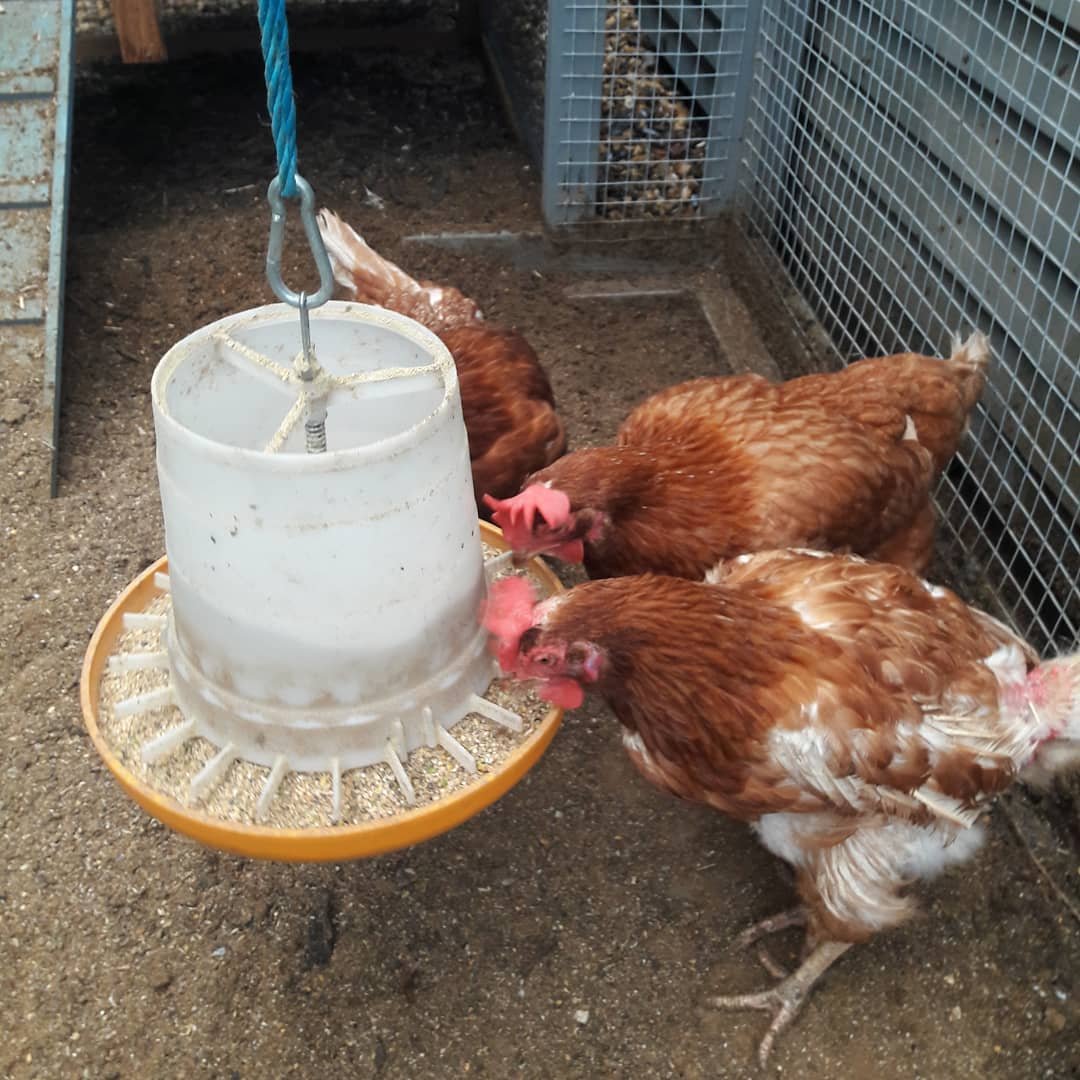
Chickens require a coop or chicken house, a protected foraging area or chicken runs, feeders, and waterer.
You can put your arguments for free-range chickens, as you do not need to spend money on a run or any such setup.
If you plan to process your birds yourself, you need pluckers, restraining cones, propane, kitchen shears, and many other items.
These can cost you thousands alone.
But rabbits need only a cage or a hutch, a feeder, and a waterer, which come in a couple of hundred dollars. Maybe $500, depending on the number of animals.
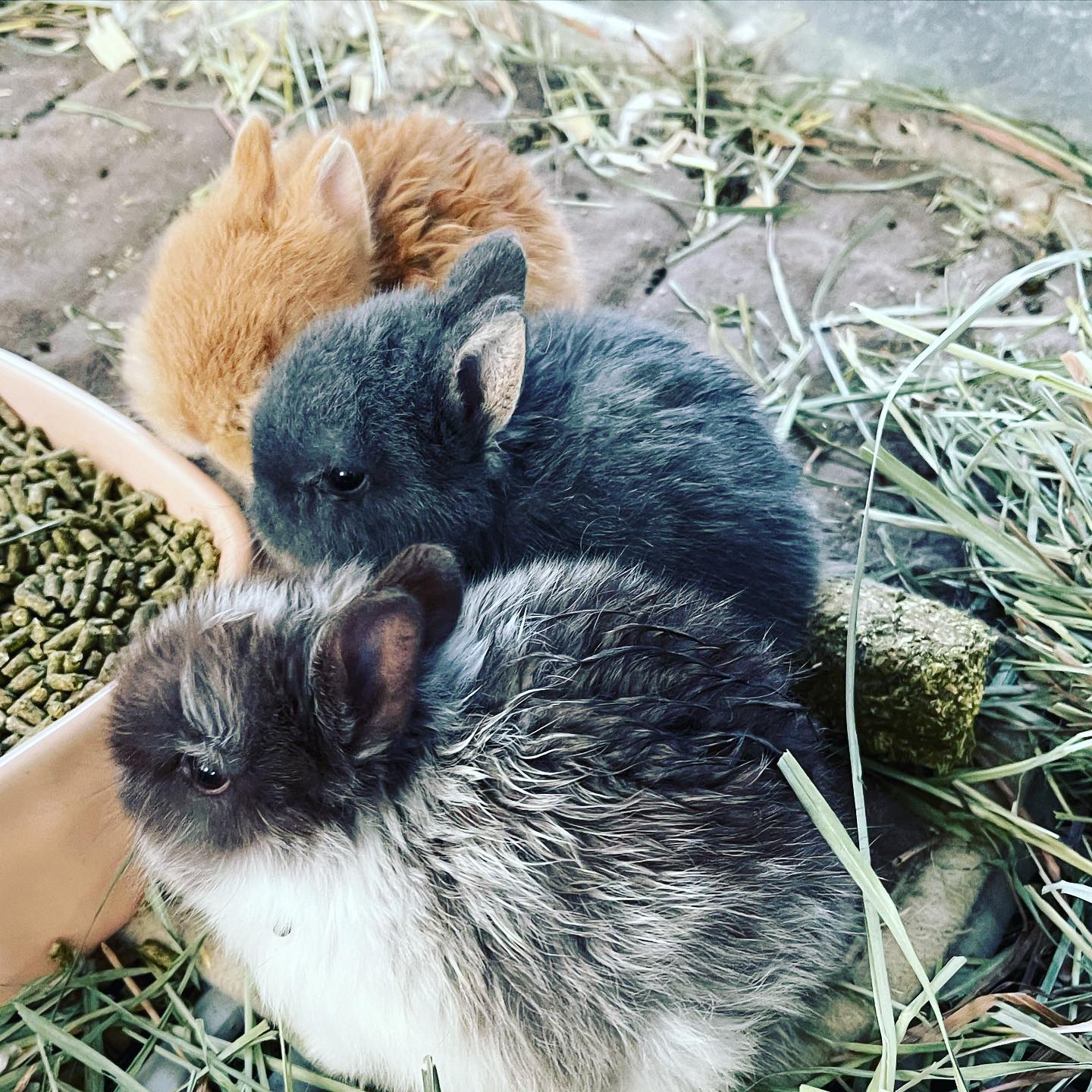
Now let’s talk about the cost of buying babies of these livestock.
On average, meat chicken chicks come at $3-5, depending on which hatchery you order from. If you raise Cornish cross, they become ready to be processed within 6 – 8 weeks.
But you need to expect them to eat 15-20 lbs of feed per bird, and store-bought feed is roughly around $0.25-0.40 per 1 lbs of feed.
So, I recommend you prepare your own homemade chicken feed at homestead to cut down the feed cost.
If you plan to outsource the process of your chickens, you need to spend $2-$4 per bird and expect the total cost of $8-$15 based on your setup.
For the meat rabbits, the biggest cost goes to the breeding stock, which is around $30-$60 per animal.
Once you find the breeding trio (1 buck and 2 does), you will get continuous production.
Kits become ready to be processed in 8-12 weeks, depending on the breed.
And what I have noticed is that they consume less feed overall. You can expect a frier rabbit eating 4-6 lbs of pellets and some forage.
The 50 lbs of feed bag can cost anywhere between $13-$15, and the final cost would be $3-$6 per bunny.
To reduce the cost, you can feed your animals garden scraps, grass, greens, and leaves. Once you get your breeders, you can feel that rabbits are cost-effective in the long run.
Chickens are a bit expensive per pound of meat than rabbits, but they are still affordable.
Time Efficient
Meat chickens grow faster, and take anywhere between 6 and 9 weeks to mature and be processed.
They’re messy and gone without notice if conditions are unfavorable.
I know, rabbits grow slower and take around 10-12 weeks to get market weight, until you have faster growing breeds.
You have to harvest your birds in a group in one working day, which can be exhausting.
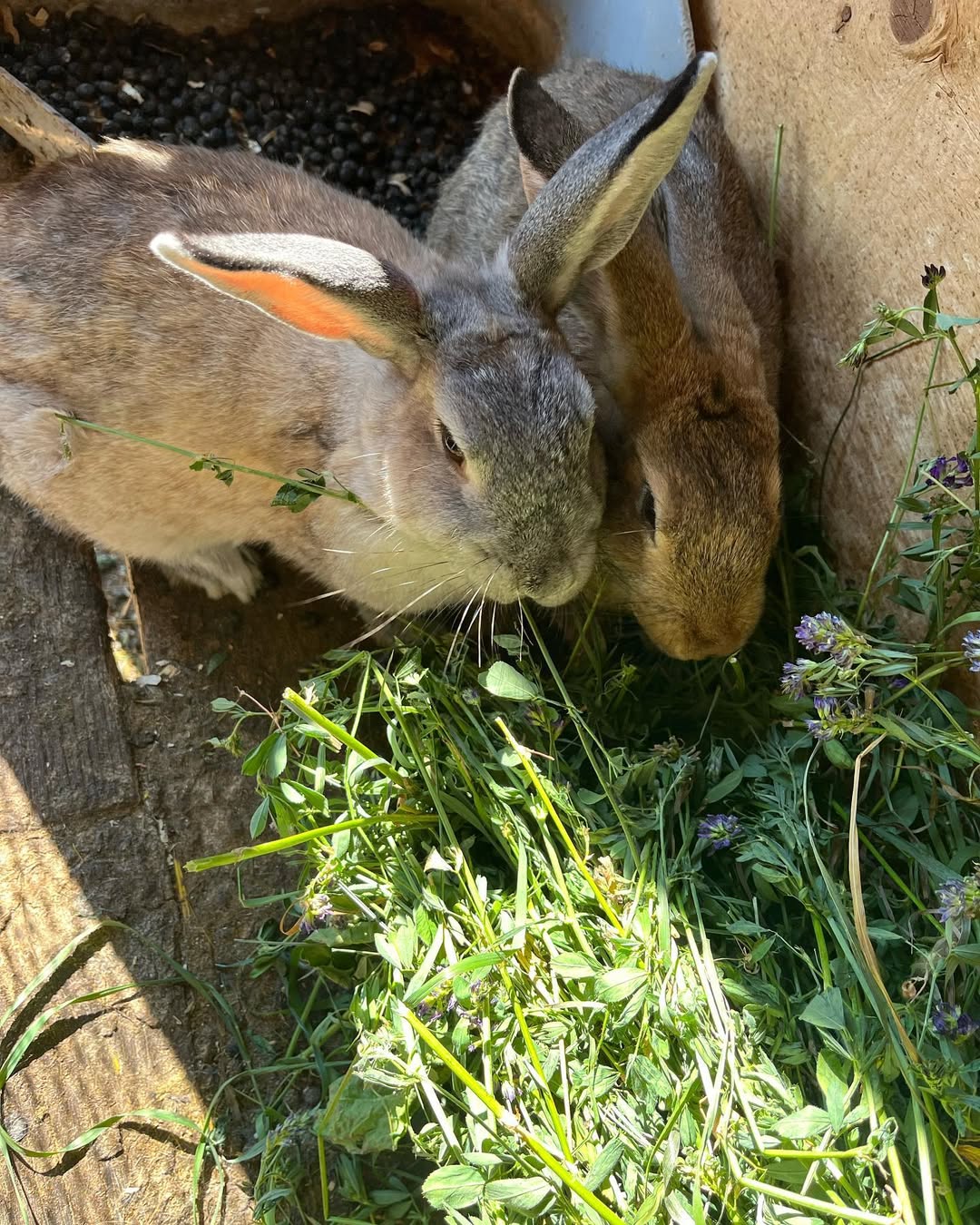
With rabbits, you don’t need to put in daily labor, feed, water, and a quick checkup. When processing, you can do it flexibly. Also, you can do it at once as needed.
But the breeding and kindling require skills, planning, and tracking.
So, if you want a big payoff in under 2 months, chickens are the best option. But for those who want to spread out the workload and skip the chaotic schedule of processing, rabbits are a good way to go.
Easy to Raise
Chickens are super easy birds to start, but they’re more prone to health issues such as heat stress, disease related to the heart and legs, and predator attacks.
Besides, they are loud and smelly and require more space.
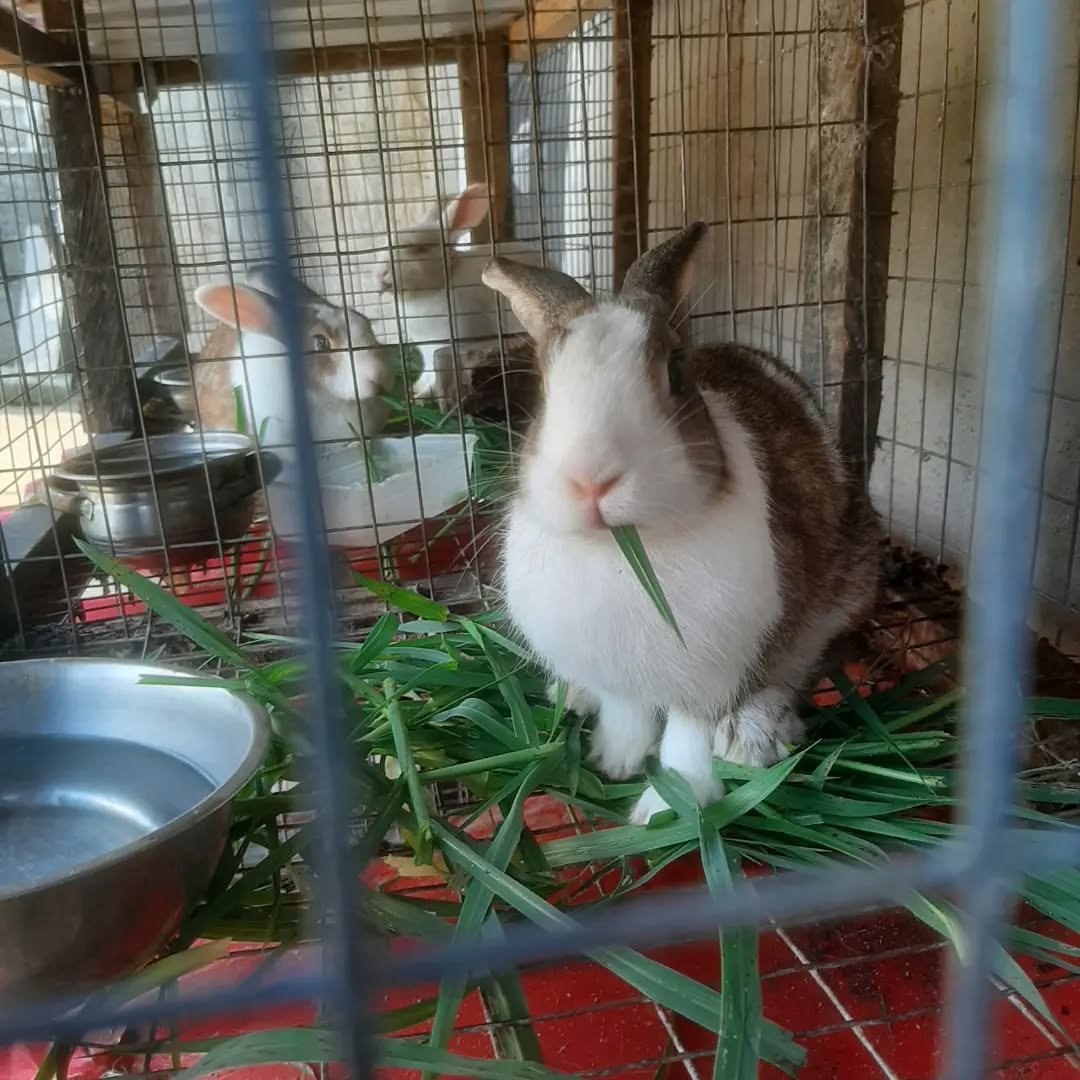
On the other hand, rabbits are quiet, clean, and busy livestock and make great animals for backyard and urban settings.
Many claim to have health benefits when raising rabbits, but I don’t find any proof to support it.
But bunnies have low odor in the hutch if you regularly clean it. I also admit that they can get overheated, so you need to provide shade areas with good ventilation or airflow.
Many keepers cannot process their rabbits as it’s emotionally harder. But it depends on the person.
Every first-time keeper can feel it, but if you treat them as food and want to manage them, you have to reduce the number.
So, I find raising rabbits is overall easy with limited space and close neighbors.
You cannot call yourself sustainable until you stop ordering chicks from hatcheries. So, you have to hatch your chicken babies, which is not possible in hybrid chickens.
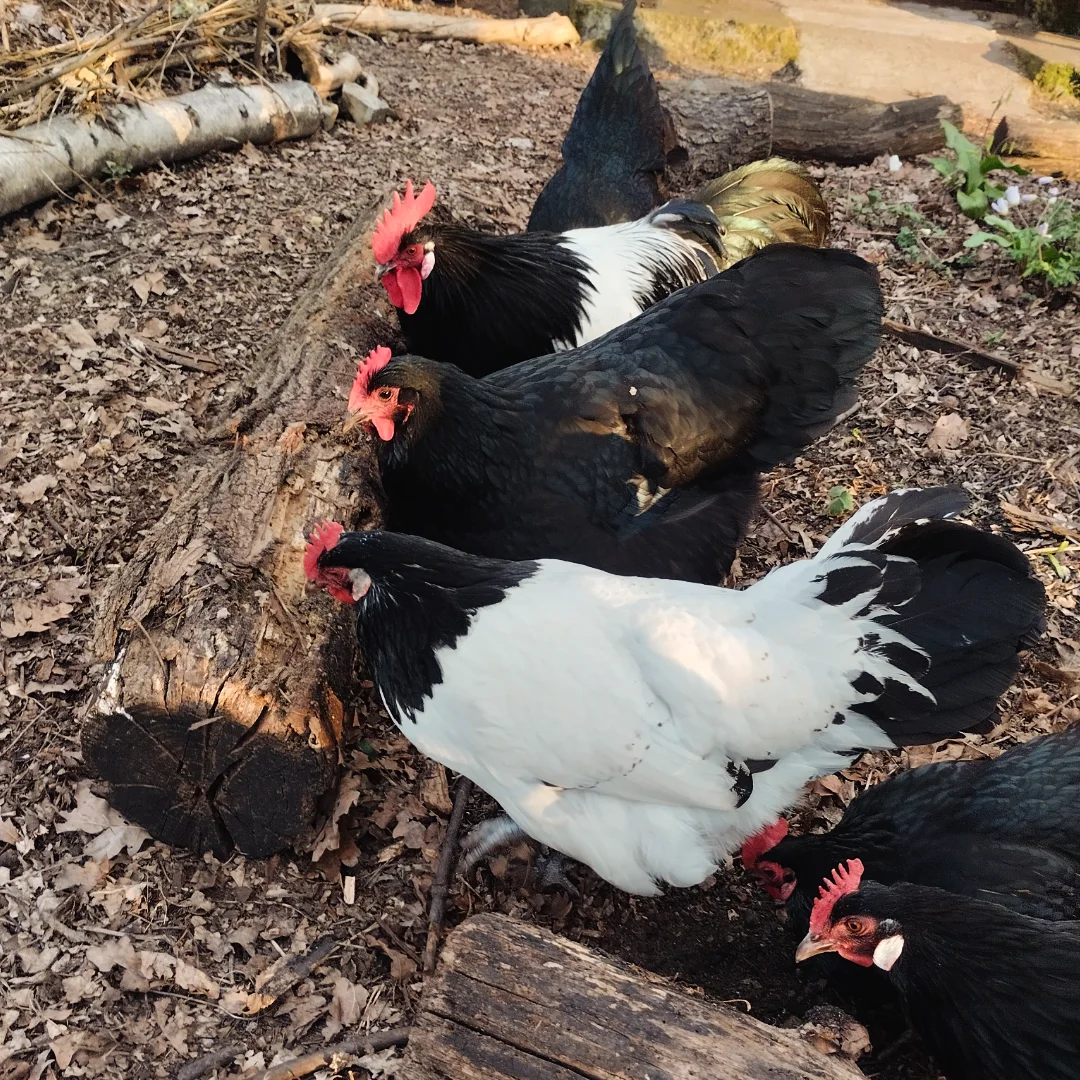
Heritage chickens produce true breeds, but they can take anywhere between 6 and 8 months to mature or 4-6 months to be processed.
The time is a big gap here as the litter of your rabbits gets a market weight in 12 weeks.
Profit Making
You need to admit that neither of these animals is going to pay for themselves, much less money, if you compare them with other big livestock.
Or you have to keep hundreds of chickens and rabbits on the farm or homestead.
Raising and breeding rabbits is more difficult than putting them in a cage and waiting for the harvest. These animals are very delicate and have pretty specific requirements.
If you want to sell pedigree rabbits for breeding purposes, you have to spend a lot of time and energy maintaining the breed lines.
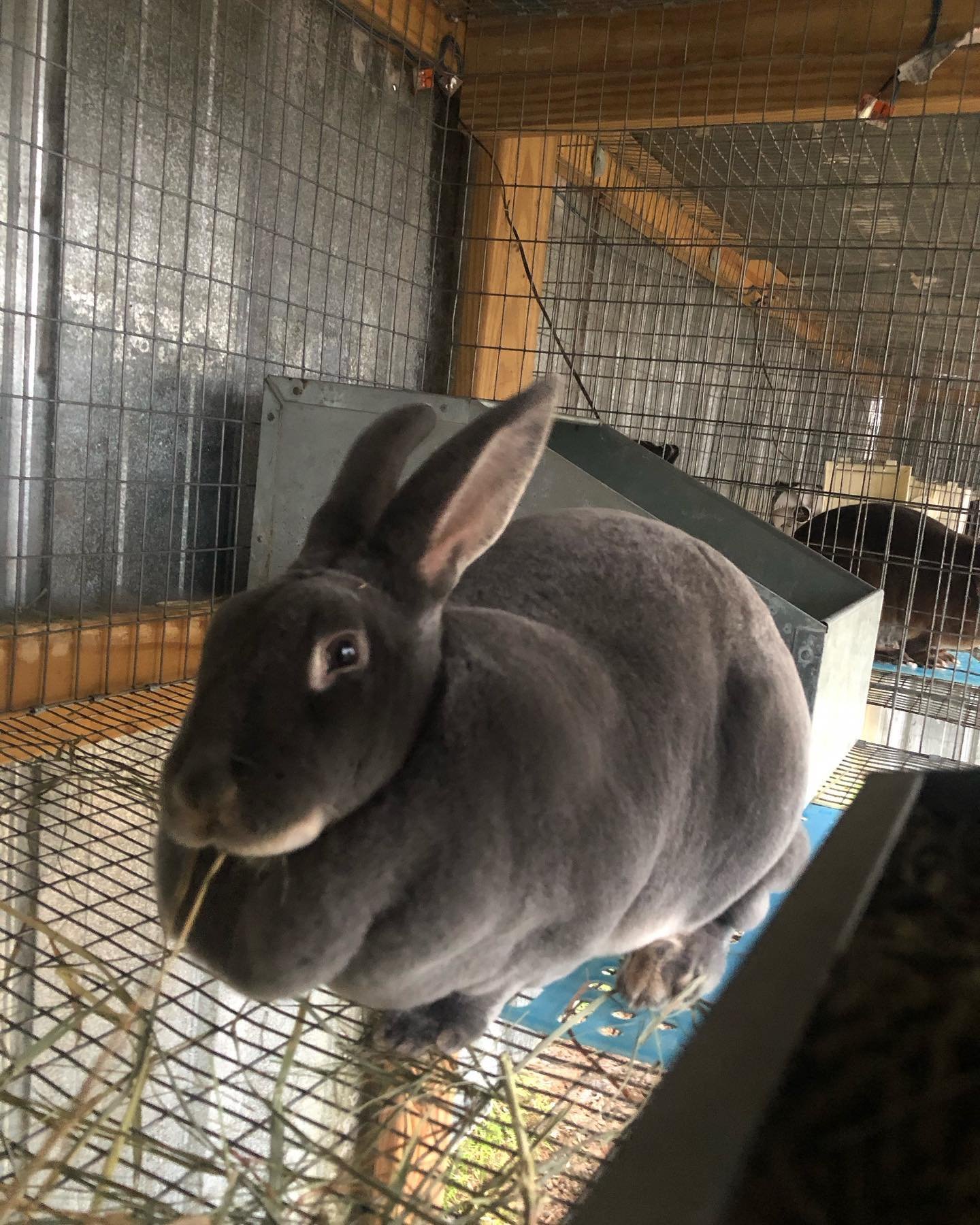
To keep the lines, you have a relevant breed. You have to maintain the strong and proven rabbit broodiness to make people interested in your livestock.
They don’t care about random backyard pedigrees as they want bunnies with show quality, good genetics, and strong lineage.
The long-term market for pet bunnies is also slim. You may sell one here and two there, but you cannot keep going with it.
Chickens are, on the other hand, easy as well as hardy birds, and it’s a really wise choice if you’re just getting started. But their values depend on their multi-purpose characteristics.
The easy and simple way to make these birds come close to paying for themselves is to hatch your own chicks. After breeding, roosters should make table birds.
You can eat and sell their eggs. Chicks or pullets are also part of your profit if they’re in large numbers.
If you specialize in a single or particular heirloom or heritage breed, you can make more out of selling chicks, pullets, and cockerels than you will with the bunnies.

The rabbits have smaller lean carcasses.
Plus, buyers are not going to look for details into the show history, incubated breed lines, or scrutinize your expertise.
You can learn to incubate your chicken eggs by trial and error.
Final Thoughts
Chickens give eggs, meat, and lots of nitrogen-based manure, which needs to be composted. To keep them, you need grains. They live on insects and greens, but they still lack balanced nutrition.
If you keep rabbits, they have fur, meat, and urine, which can be used as a pesticide and liquid fertilizer. Besides, you can directly use their manure in the garden without composting.
Particularly, they don’t need grains. They live on grass and vegetables, and you can expect a higher feed-to-meat conversion ratio.
While chickens can be time-effective, the easiest to raise, I prefer rabbits.
But it’s a bit hard to sell rabbits for profit, as they are not popular in the US like chickens. Chickens are the king of the gourmet market.
You can sell live chickens or processed whole or parts every day.
Many who eat rabbits raise their own stock.
At the end, there is no perfect answer to opt for between rabbits and chickens. If you have enough space, you can raise both.
Rabbits can be for a year-round meat, and chickens can be for a big harvest.


Leave a Reply