
After years of herding, I came to know that raising wool sheep is more laborious than keeping dairy or meat sheep.
This doesn’t mean they are worthless; they produce a lot of fiber for knitting and weaving and help keep your wardrobe sustainable.
While these sheep may contain parasites and attract other diseases, make sure you find the best sheep breed for wool to raise on a homestead or farm.
1. Merino Sheep
Merino is a household name among homesteaders, ranchers, farm owners, and shepherds who require fiber year-round.
They produce 8-11 lbs of wool on average, depending on different strains, with staples 2.5-4 inches long.
You can find several strains such as Peppin, Saxon, German, and Delaine. While Saxon gives 6-13 lbs of greasy wool a year, Peppin has a yield of around 40 lbs.
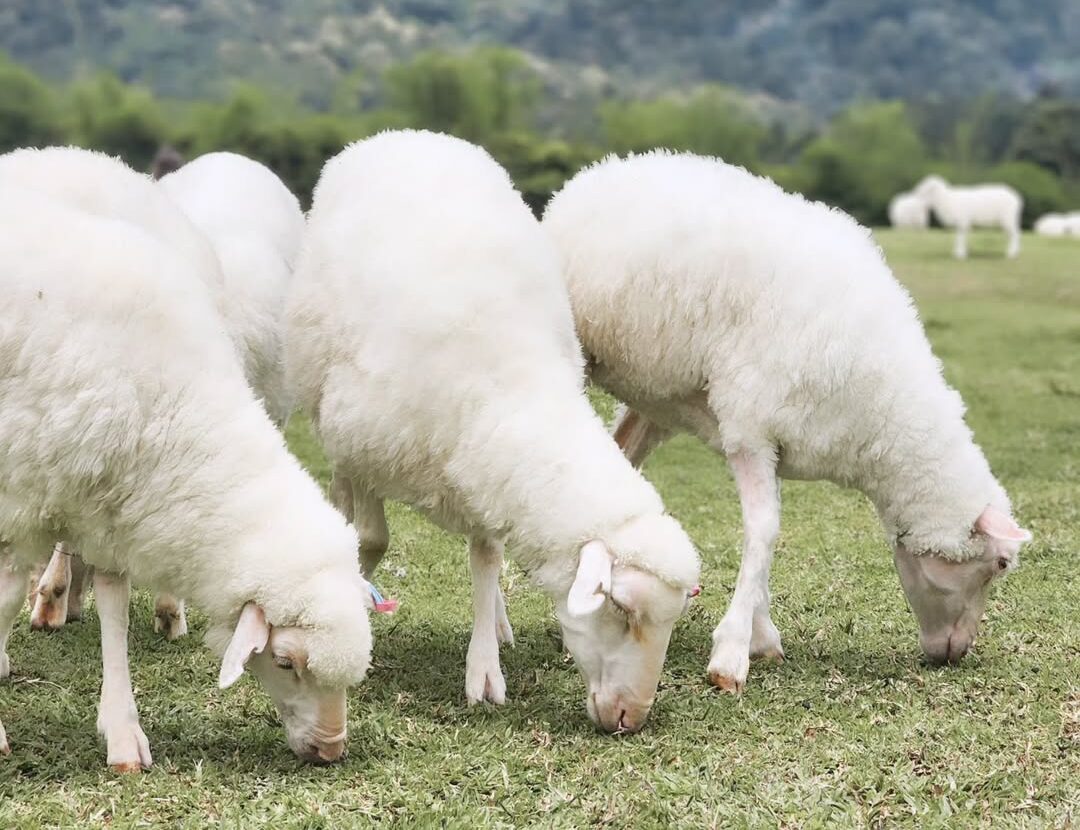
They have a high grease content in their wool, so they yield a dirty fleece.
But you can expect fine wool around 20 microns, with soft, excellent felting properties. Some may also produce 12-micron wool, which is almost the size of cobwebs.
Merino sheep are hardy herds and excellent foragers. They’re bred for wool, as their carcass size is smaller than that of meat sheep breeds.
You need to shear the wool at least once a year, as it keeps growing.
Wool Quality: fine, soft, high-micron value
Wool Color: White, ranging from bright white to cream white
Best Uses: luxury garments, fine yarn
2. Rambouillet Sheep
This is a large-bodied sheep that produces a longer staple than Merino’s but has less sheen. You can expect a mature ewe to give a fleece weighing 8-18 lbs per year with a yield of 35-55% wool.
Their fleece stable range from 2 to 4 inches in length and has a fineness of 18.5-24.5 microns. I feel their crisp wool is finer than
Merino’s, which adds loft and elasticity to the fiber.
So, many wool artists use this fabric to weave in a mixed fabric of cotton warp and wool weft.
Also known as the Rambouillet Merino or the French Merino, Rambouillet ewes are crossbred with medium-wool and long-coarse-wool rams.
This helps get rugged breeding ewes with heavy, attractive medium wool.
Though it is mainly bred for wool, you can also raise Rambouillet sheep for meat as well.
Wool Quality: Fine wool with crimps
Wool Color: White
Best Uses: Next-to-the-skin fabrics, baby garments, and rugs and blankets
3. Corriedale Sheep
Corredale is a result of the crossbreeding between Longwool rams (Lincoln) with Merino ewes, which produce medium-soft wool.
Medium wool means you can weave it directly against your skin. The bonus is that they make superior outerwear, hats, gloves, rugs, jumpers, blankets, and knitwear.
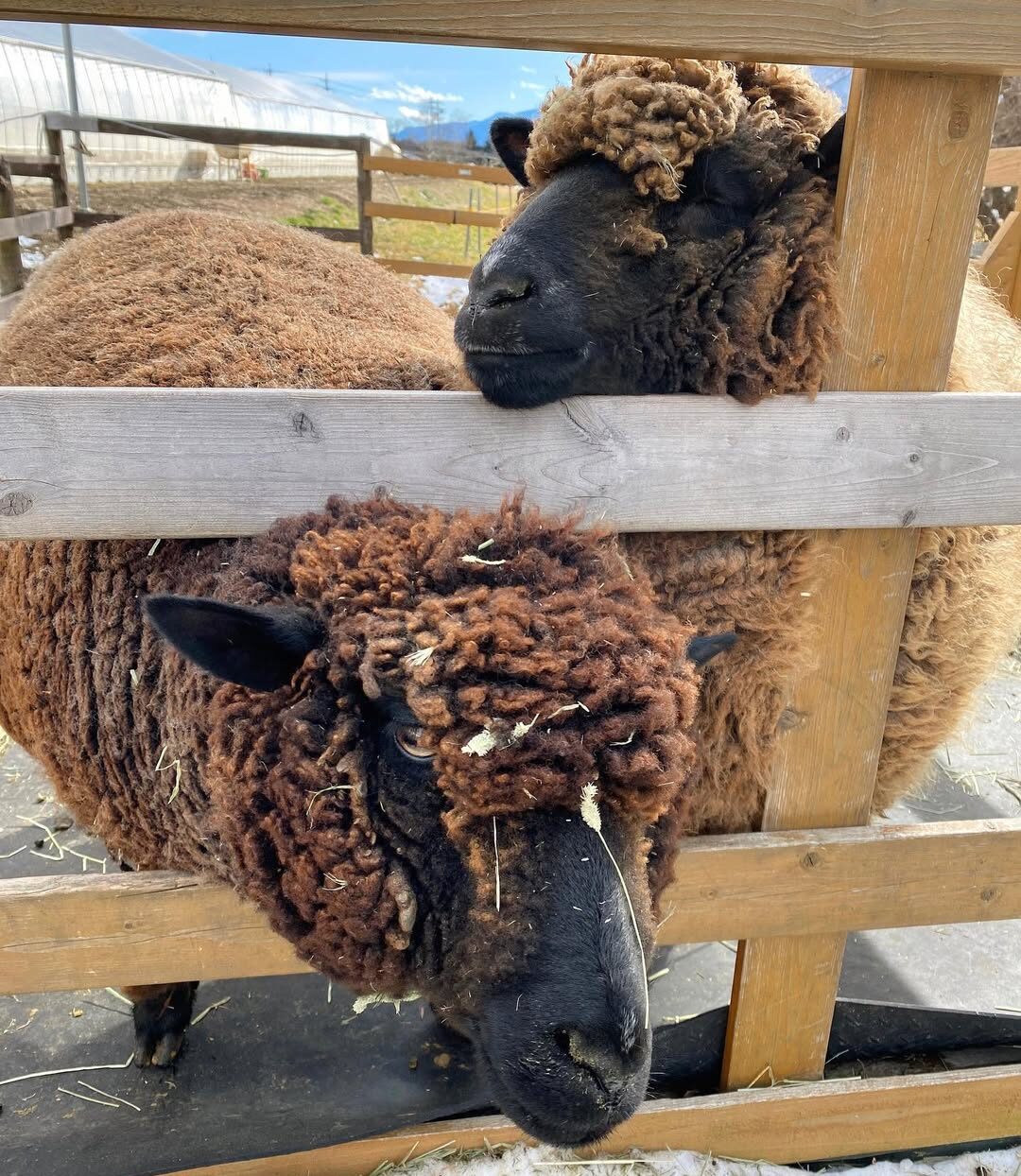
Anyway, a mature ewe can give 10-17 lbs of fleece with 50-60% of yield. Their wool ranges in diameter from 31.5 to 24.5 microns.
It feels bright, dense, bulky, and soft-handling.
Besides, Corriedale is a dual-purpose sheep that can be bred for meat, as it has a large frame and good carcass quality.
Wool Quality: Medium fiber
Wool Color: Soft cream to darkest brown/black
Best Uses: blankets, rugs, knitting wools, tweeds, and worsteds
4. Romney Sheep
I like Romney sheep for their uniform, semi-lustrous fleece that hangs in separate locks. You can witness crimp from the butt to the tip of a lock.
Though it has more crimp than other longwool breeds, the wool has minimal cross fibers between the locks.
As sheep produce wool with 31-39 microns, the finer grade is of rough grade and is not good for garments directly used against the skin.
The mature sheep is expected to produce fleece worth 9-12 lbs, with a range from 65% to 80% in yield. If you see a very light shrinkage after washing, it must be due to the grease content.
When I am working with this wool, I feel a different quality in it, especially an earthy look and feel.
You can shear Romney wool once or twice a year during spring.
Wool Quality: Longwool with lustrous traits
Wool Color: Black, gray, silver, and brown
Best Uses: Carpets, warm blankets, and robust outerwear (that doesn’t directly touch the skin)
5. Lincoln Sheep
Lincoln is a large, heavy-fleeced sheep from Britain.
They produce coarse, wavy, long, and lustrous fleece with 36-40 microns. While mature rams can hold fleece weighing around 45 lbs, ewes carry 13-20 lbs with a yield of 65-80%.
These sheep have the longest staple wool, measuring 8-15 inches, and their fleece grows 12 inches per year.
The sheep has heavy locks that twist into a spiral near the ends, so you need to make some effort to straighten them after shearing.
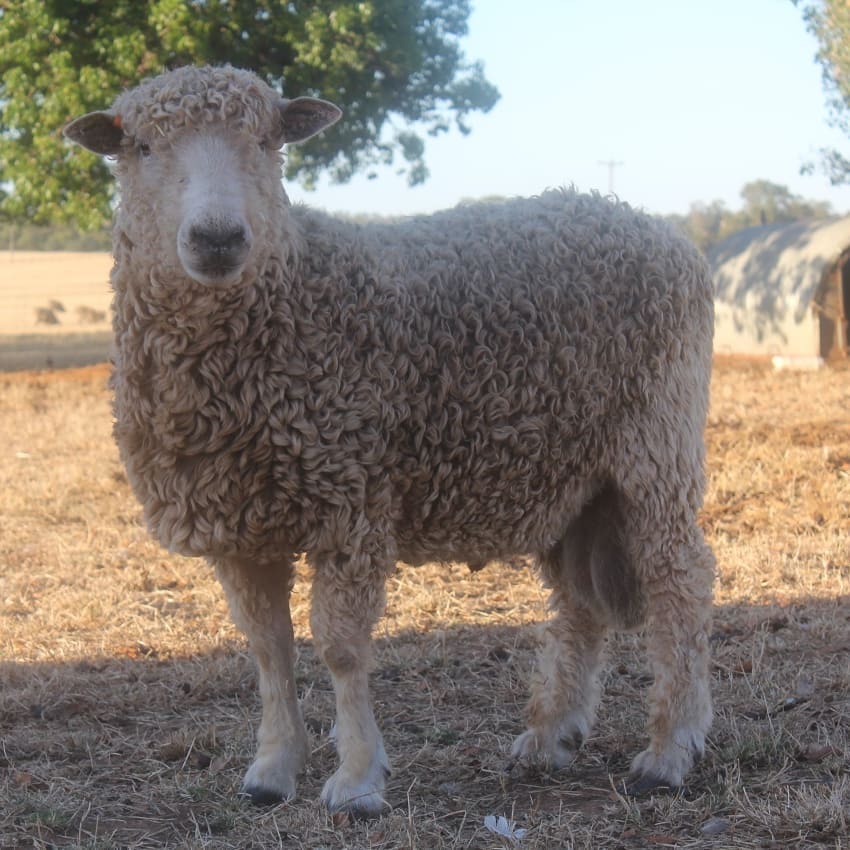
As their fleece grows rapidly, you need to shear the wool twice a year.
While raising, you need to understand that they need good nutrition to perform well, irrespective of their hardiness.
Besides, they make good and easy lambing mothers, and beginner-friendly herd with a calm and docile personality.
Wool Quality: Longwool with lustrous traits
Wool Color: White or different color shades ranging from gray, silver, and charcoal, to black
Best Uses: Rugs, outerwear, and pillows
6. Leicester Longwool Sheep
This is a medium to large sheep breed with heavy, curly, soft-handling, and lustrous fleece. Their dense fleece has spiral-tipped staples measuring 8 inches.
You can expect these herds to weigh fleece from 11 to 15 lbs, and sometimes up to 20 lbs.
And their wool is coarse, with a diameter of 32-38 microns, which can be felted. You can shear their wool twice a year.
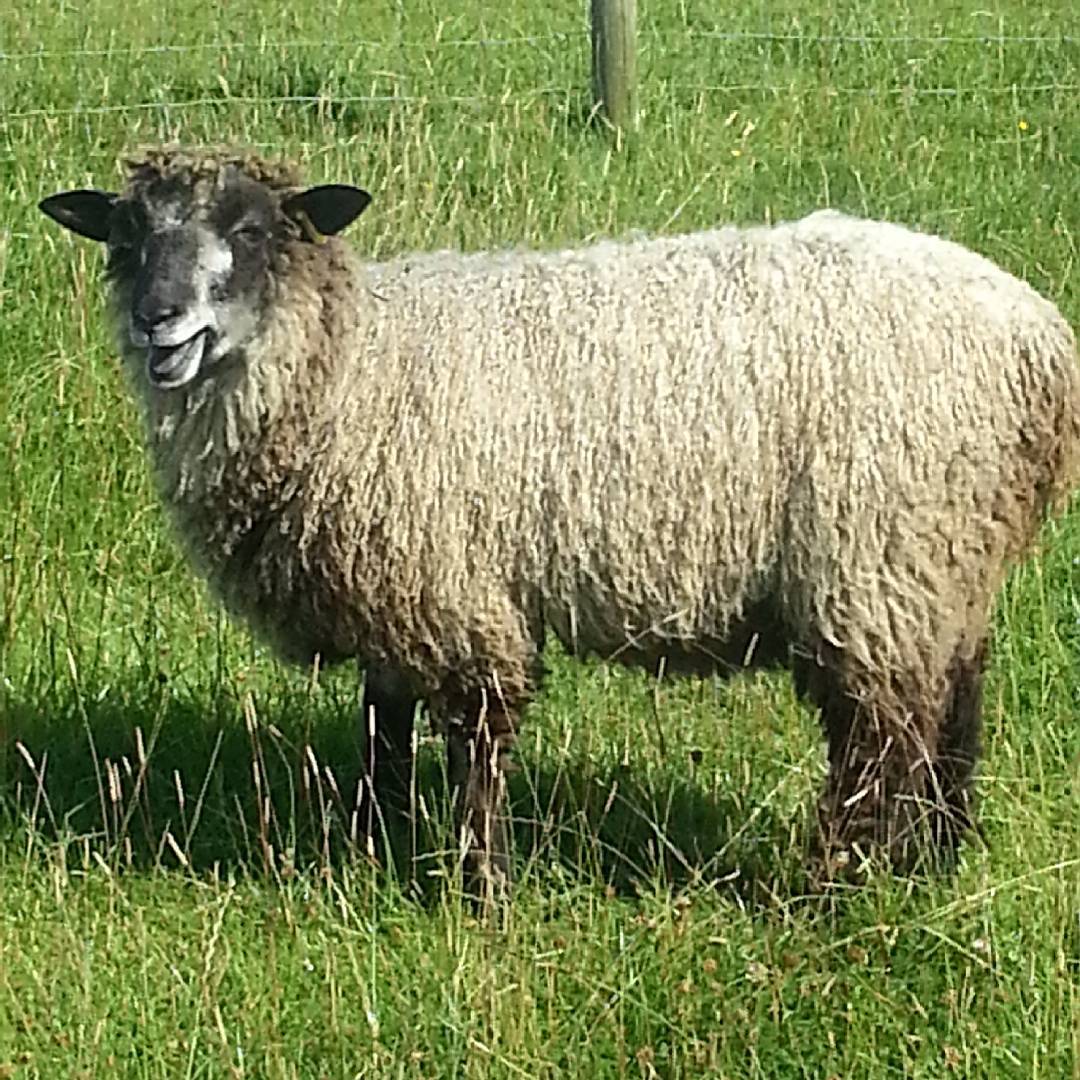
Their longwool is durable, so you can use it to make hats, mittens, shawls, lacework, sweaters, and boot socks.
These herds are great grazers, which can maintain or clear your land efficiently. They’re docile and easy to handle, but don’t bother much about herding dogs.
Wool Quality: Longwool with shine and crimp
Wool Color: White, black, dark brown, and dark gray
Best Uses: Lace knitting, outer garment knitting, and crochet
7. Shetland Sheep
Though small, Shetland sheep produce a fine, soft, crimped, and strong fleece. In fact, they have three types of coats, including kindly or single-coated, long, and double-coated fleece.
Their fleece ranges from wavy to straight.
Each fleece weighs 2-4 lbs, has a diameter of 20-25 microns, and has a staple length of 2-4.5 inches.
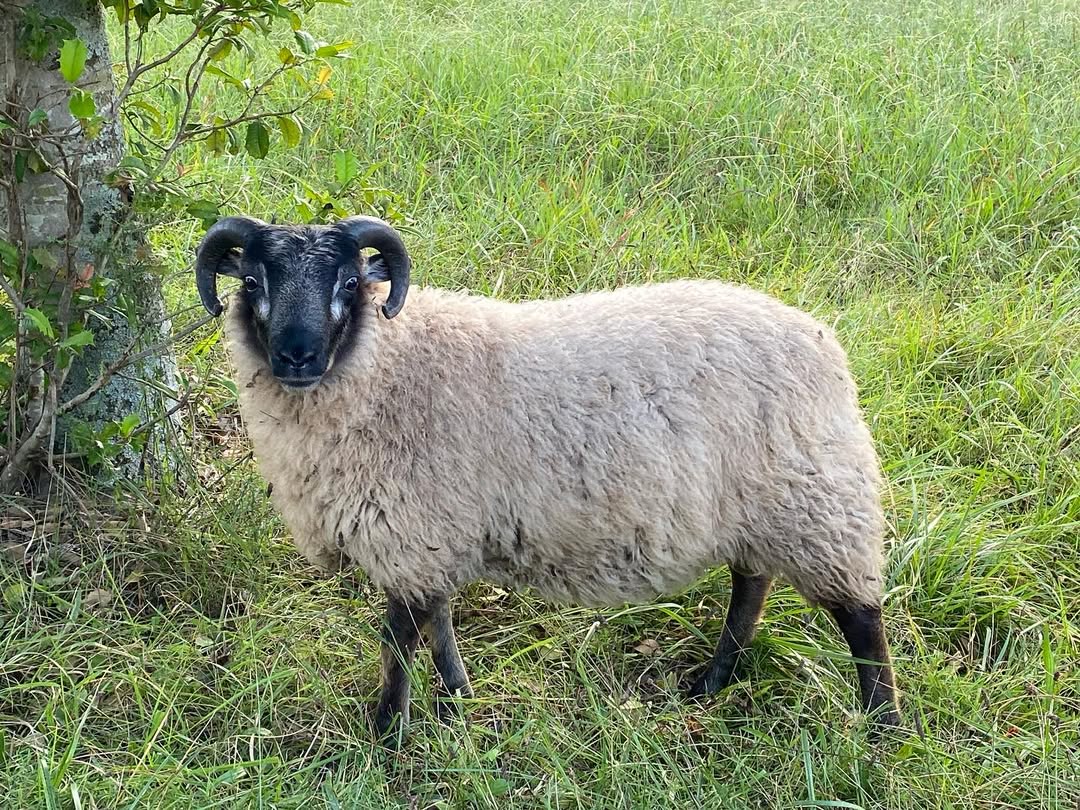
Their wool is well-suited to make gossamer lace, knitwear, and fine tweeds.
Anyway, these heritage sheep are cold-hardy, calm, smart, and docile, which also adds charm to your homestead or farm.
Though they grow slowly, Shetland are thrifty, easy lambers, very adaptable, and long-lived.
Wool Quality: Fine to medium wool
Wool Color: White, moorit (reddy or brown), fawn, gray, shaela (silvery gray), dark brown, and black
Best Uses: Lace, shawls, and finely worked socks
8. Icelandic Sheep
Though Iceland is more into meat production, it is raised as a dual-purpose breed. These sheep generate fleece between 4 and 7 lbs.
They are double-coated sheep with thel and tog. Their tog (which is an outer coat and true wool) grows 6-8 inches in 6 months.
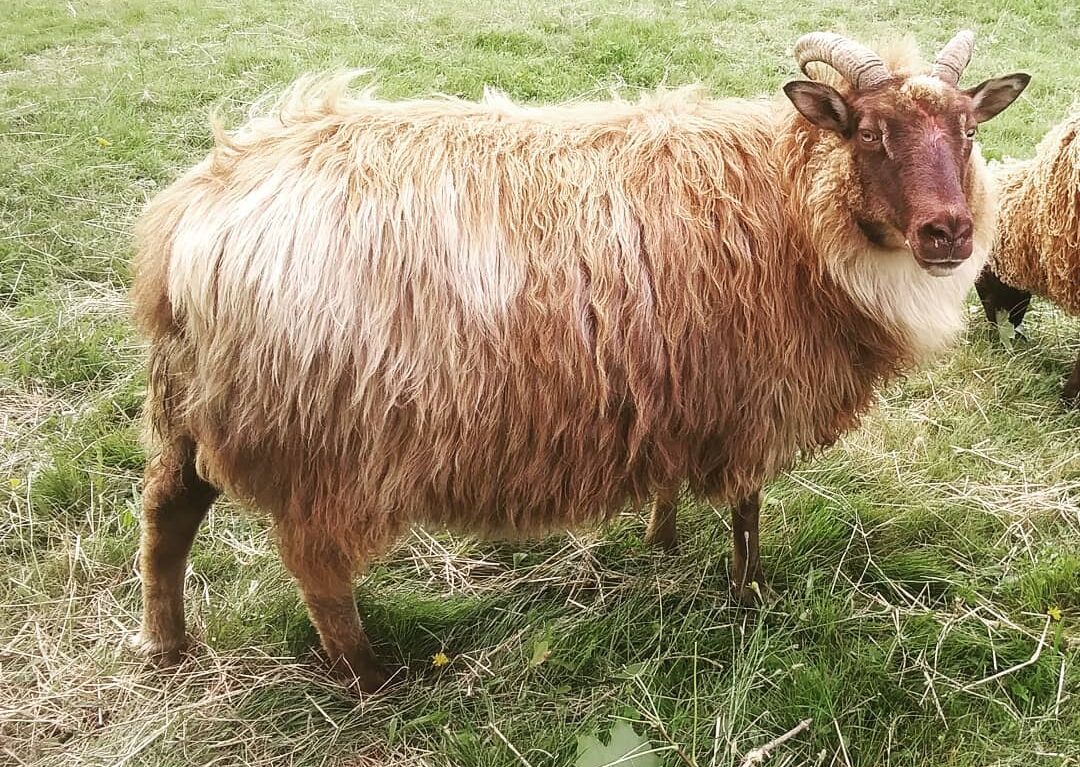
It is lustrous, strong, long, coarse, and durable, with a diameter of 27-30 microns.
Besides, their tel (which is an undercoat) includes fine wool with a staple of 2-4 inches and fineness of 19-22 microns.
Don’t worry, their fleece is open and not very greasy.
Wool Quality: Fine to Coarse
Wool Color: White, medium silver, lilac, black, different shades of grey, and brown
Best Uses: classic Icelandic sweater, traditional Lopapeysa, coats, and other rugged items
9. Jacob Sheep
This breed is really versatile, which is bred for meat, wool, and hides. Yes, they produce open, soft, and light wool with little grease (lanolin).
They are medium-wool sheep that produce fleece weighing 3-6 lbs, which vary in crimp and fineness.
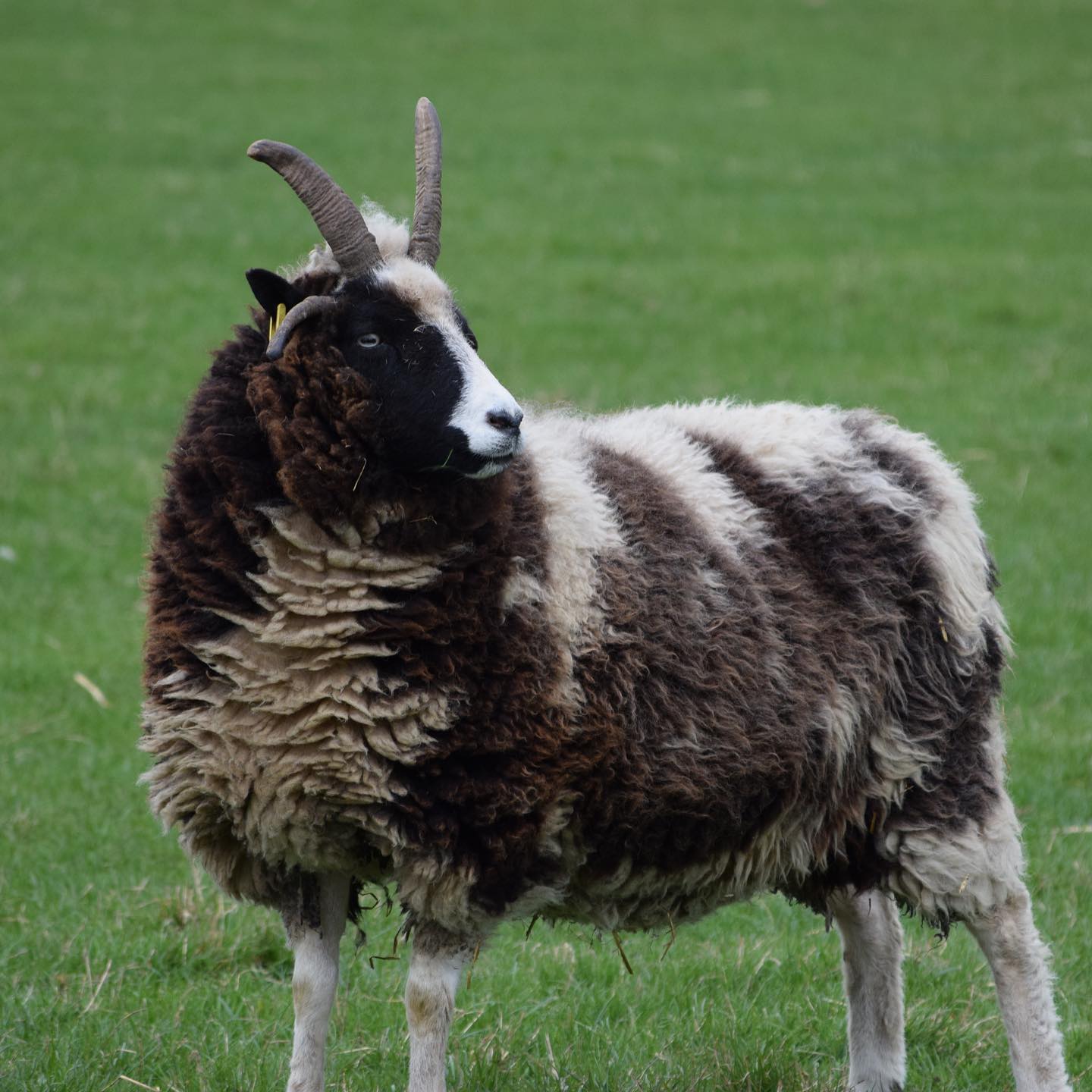
Also, they have large black spots with well-defined edges on fleece.
To prove the above, their wool ranges from 3 to 7 inches in staple length and has a fineness of 26-37 microns.
Anyway, Jacob sheep are calm, docile, and easy to care for, and you can shear their wool once a year in the spring.
Wool Quality: Medium-grade wool
Wool Color: White and black, brownish, or lighter color (which is called lilac)
Best Uses: Kitting, crocheting, felting, and weaving.
10. Cotswold Sheep
The Cotswold sheep is a large, long-woollen, dual-purpose sheep.
They produce a thicker, longer, and curlier fleece that hangs in locks. It’s beautiful to see their forelock falling over their face.
Every year, they yield 13-15 lbs of wool with a lustrous, silky sheen. Their fleece has a stable length of 7-13 inches and a fineness of 33-42 microns.
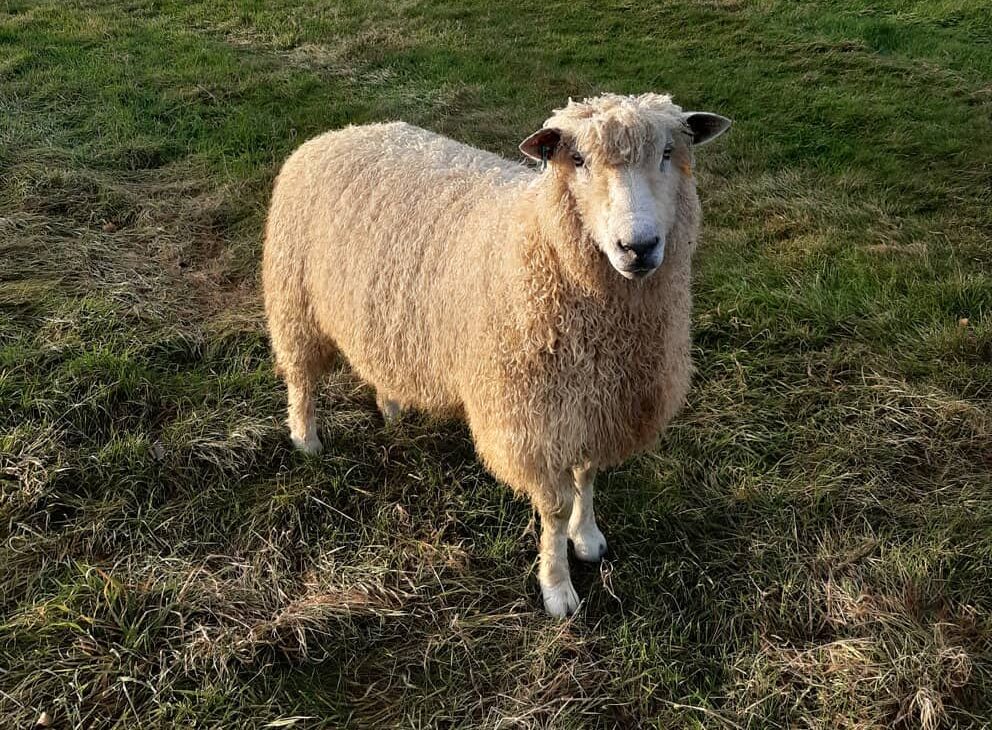
Woolcrafters appreciate the wool for its strength, length, luster, and dyability.
Like other longwool breeds, Cotswolds are also slow growers and take around 2 years to mature. But the good news is that you can harvest Cotswold sheep wool once or twice a year.
Wool Quality: Coarse
Wool Color: Silver, bluish-gray, black, and charcoal hues
Best Uses: Outerwear, carpet, and rugged items
Final Thoughts
It is quite a joyful moment to make some winter clothes from your own raised sheep wool. If you have some woolcraft, you can monetize your live animals in the local or online market.
Besides, you can raise hair sheep instead of wool breeds.
If you have 2.5-3 acres of pasture, you can easily raise 4 ewes and 1 ram on your homestead.

Leave a Reply