
Relax. Goats are arid climate herds, so you can compare them to camels for their ability to deal with heat and drought.
Native to Africa, goats regulate their body temperature through their horns. If you have disbudded goats, they might have difficulty recovering in hot weather.
But don’t worry, you can keep your goats in summer in the following ways.
1. Provide Plenty of Shade
In the summer days, animals like anything but the sun. So, they need shade to save themselves from scorching light and heat.
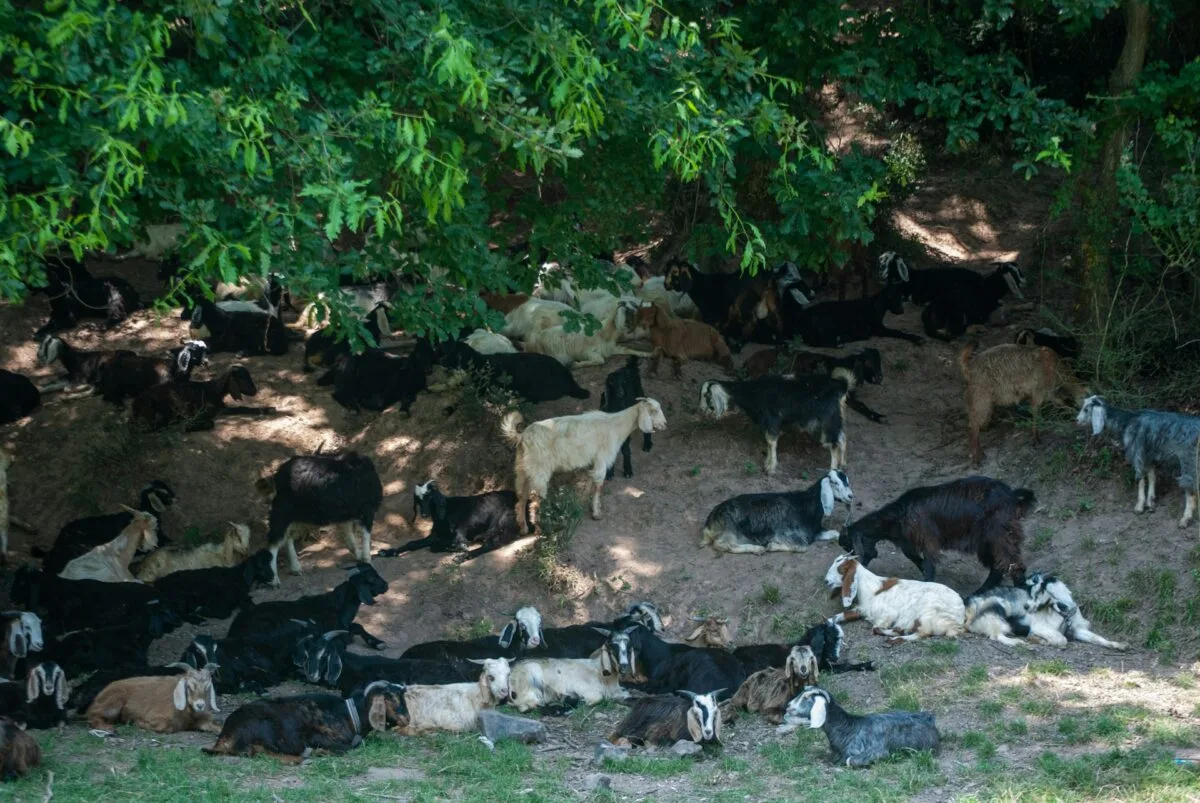
The shade can be natural, such as a tree, or artificial, such as a shelter, shade cloth, or tarp.
Goats enjoy foraging in the woods under the canopy. If not, you can provide them with the mobile shade structures for pasture rotation.
While trees and brush provide cool shade through evapotranspiration, reflective-roof shelters can be great for mobile or paddock setups.
Also, you need to position the shade to block the afternoon sun, as the heat wave is at its peak then.
2. Ensure Constant Access to Fresh, Cool Water
Fill the herd trough with cool, clean water. You can also add some cold ice cubes to the container to keep the water refreshing.
The still water heats up quickly, so you need to use shaded troughs and multiple water stations. Also, change the water frequently during the daytime.
Your goats may drink 2 or 3 times more water, or 25 percent of their weight, in the summer.
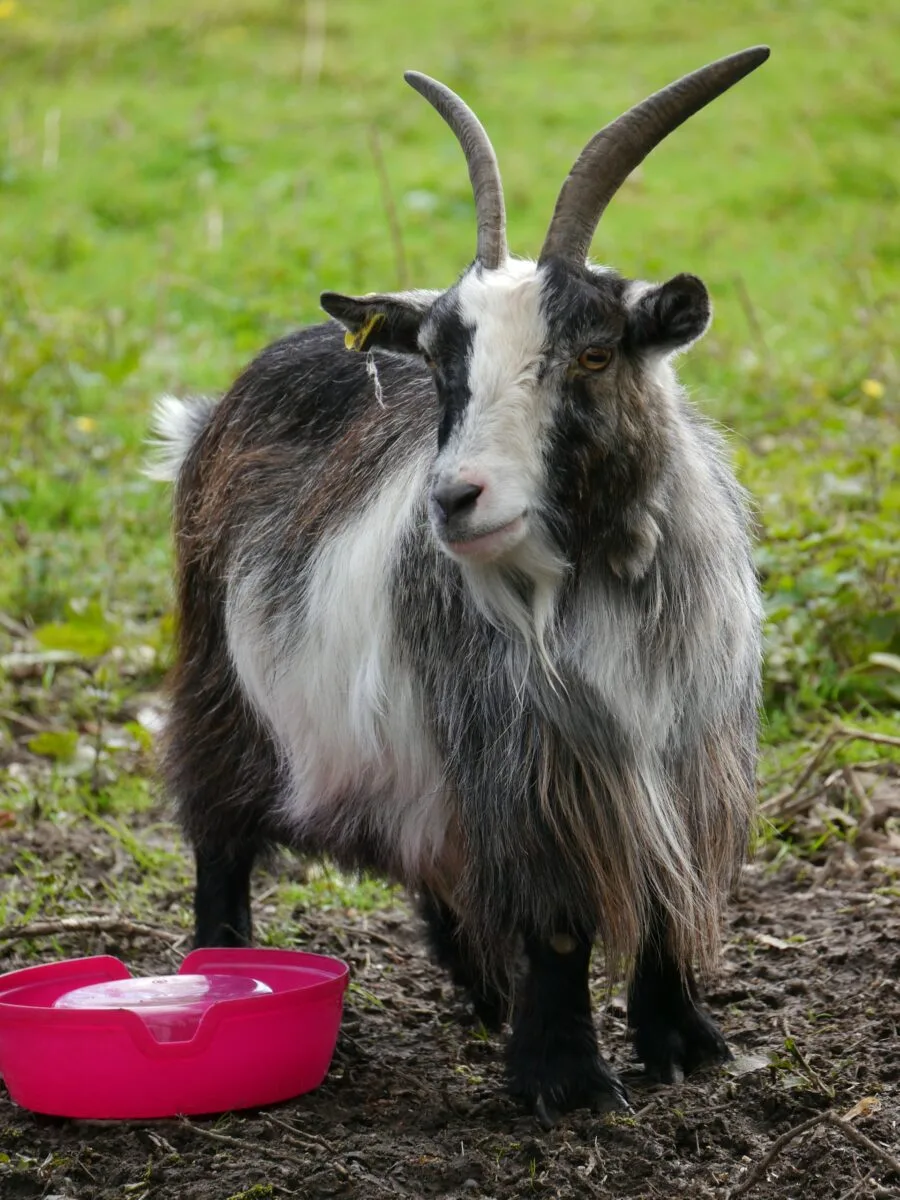
They drink more water after returning from forage than when remaining and eating in the barn.
During the extreme heat, you can add electrolytes to the plain water. But avoid pouring it into all the tanks, as some herds may not drink water because of its taste.
To make them drink more, you give them some minerals or salt to lick. The herds also love drinking water mixed with some molasses or apple juice.
Besides, you can use electrolytes in other conditions, such as during lactation or transport.
Make sure the herds relax between 10 am and 4 pm.
3. Improve Airflow in Goat Shelters
Closed-wall barns or shelters can trap heat, causing herds to suffer from warm temperatures with poor ventilation.
So, you need to make enough space for airflow throughout the shelter from the inside out. So, you can either use cross-breeze design or open-sided shelters.
Besides, you can install fans during stagnant weather.
Also, build raised shelters for better airflow underneath. Avoid trapping heat, transporting, and handling during hot days.
4. Use Misters (When Appropriate)
The misters or sprinklers in the shaded setup can definitely lower the temperature and provide cooling mist for livestock.
Misting should only be with room-temperature water.
Though goats don’t like getting in water, a misting can be a great relief for them on scorching days.
Misters can be more effective in dry climates than in humid regions.
If you have electrical setups in the barn or shelter, make sure you avoid misting or sprinkling in that area.
Also, don’t overwet animals’ bedding.
5. Adjust Feeding Times
Feeding can generate heat inside the body, so animals often hesitate to eat, which can reduce appetite.
So, you need to give them food when the environment is cooler. Early morning or late evening can be ideal times for feeding.
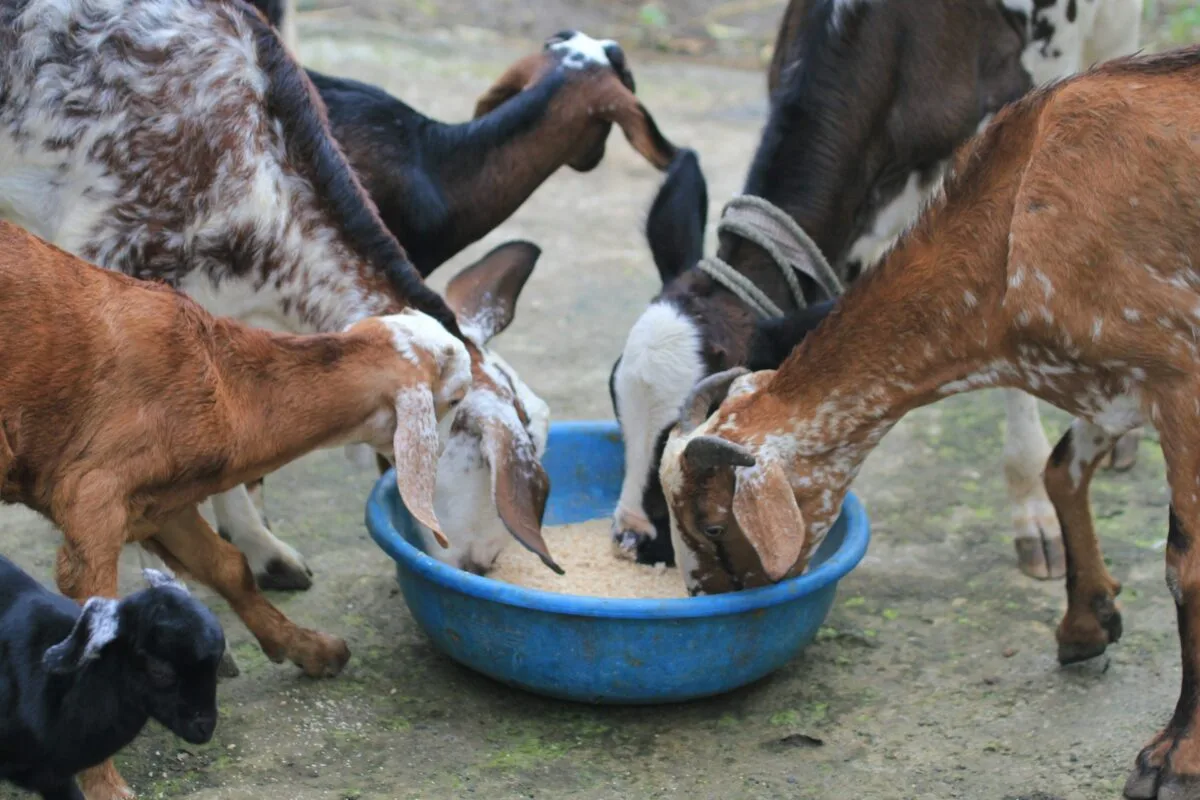
Also, drive them to pasture and move them to new paddocks at the same time.
Focus on high-quality forage and use high-fat, low-fiber feeds so that herds don’t generate excess metabolic heat.
6. Offer Cooling Treats and Hydrating Foods
Like humans, animals also enjoy cold or cooling snacks and more hydrating foods on summer days.
You can give treats such as frozen fruits or ice blocks. Herds like licking ice and consuming cold fruits to feel cool.
Foods with high water content, such as watermelon, cucumber, and leafy greens, can be summer blessings for them. You can grow foods for goats in your own garden.
But treats should not make up more than 10% of the main diet, so avoid overfeeding them.
7. Provide Dust Baths or Cool Ground Areas
I often see goats playing in dirt or dust and sitting on the gravel. Actually, they seek cool dirt to help them regulate their temperature.
The dust bath also helps them remove parasites from their body.
Like a chicken dust bath, you can make one or more dust bath areas for your other livestock, including goats.
Choose a shade location with ample airflow and create dirt patches. You can add sand and wood ash to enrich the area.
8. Groom and Manage Coat Length
As their coats are thick (especially in woolly breeds), goats for wool may feel the heat quickly while foraging in the sun.
So, you need to brush them to remove excess undercoat.
Long-haired breeds may feel lighter and feel the air passing closely through their skin. But don’t oversheathe the herd to reduce sunburn risk.
9. Reduce Overcrowding in Barns
More goats mean more heat in the closed shelter.
Make sure you provide each goat with 20 square feet of space in the shelter. Overcrowding in the herd can cause them to struggle for food and water.
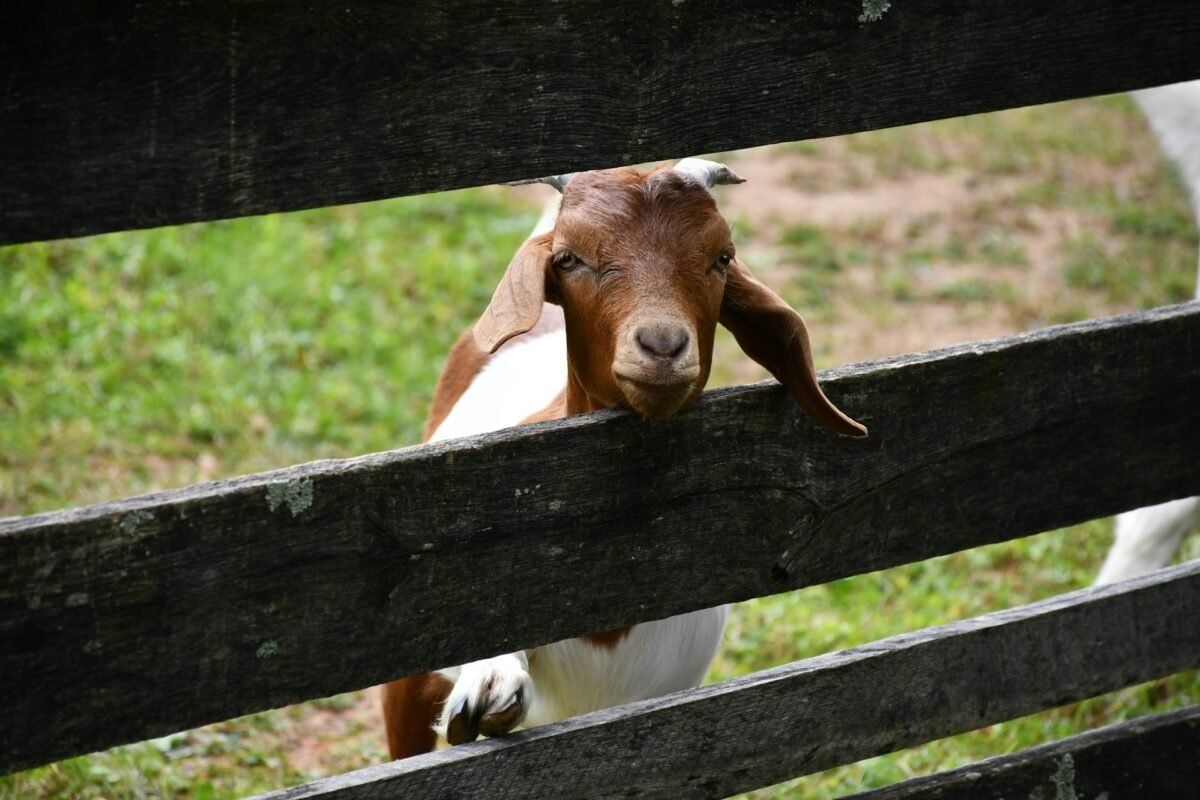
I see my old does kicking each other when they happen to eat in the same trough.
Also, rotate pasture to avoid the buildup of heat zones.
10. Watch for Signs of Heat Stress and Act Fast
Anything above 84 degrees Fahrenheit can make it difficult for goats to remain normal.
And when they cannot regulate their internal temperature to a safe level, it is called heat stress or heat stroke.
You can expect their internal body temperature to exceed 104 degrees when they enter this situation.
The early signs can be panting, drooling, lethargy, and reduced eating.
So, your first job is to get the goats in the shade, give them water, and make them cool by providing enough airflow.
If the body temperature of the goat crosses 104 degrees Fahrenheit and does not respond accordingly, you need to call a vet.
Final Thoughts
It’s not that difficult to keep goats cool in summer if you provide them with basic care. Shade, fresh, cool water, and forage or fodder in the morning and evening are enough for a subtropical region.
In the tropics, you may need to provide extra care, such as misting and using fans.
I see my goats sitting under the semi-shade canopy without complaint.







Leave a Reply