
I had 17 free-ranging ducks on a 1/4 acre in the initial year, which made it really hard for me to raise them, so I had to expand their space.
Mostly, they like muddy areas where they play and find bugs. If you have spacious free range for forage during the day, and a secure coop or pen at night, you can start raising ducks for eggs and meat.
Headstart your journey with a complete blueprint I have shared here for you!
Before You Start..
What I love about ducks is that they are hardy and survive better than chickens. Once they are a week old, you have less chance of losing them.
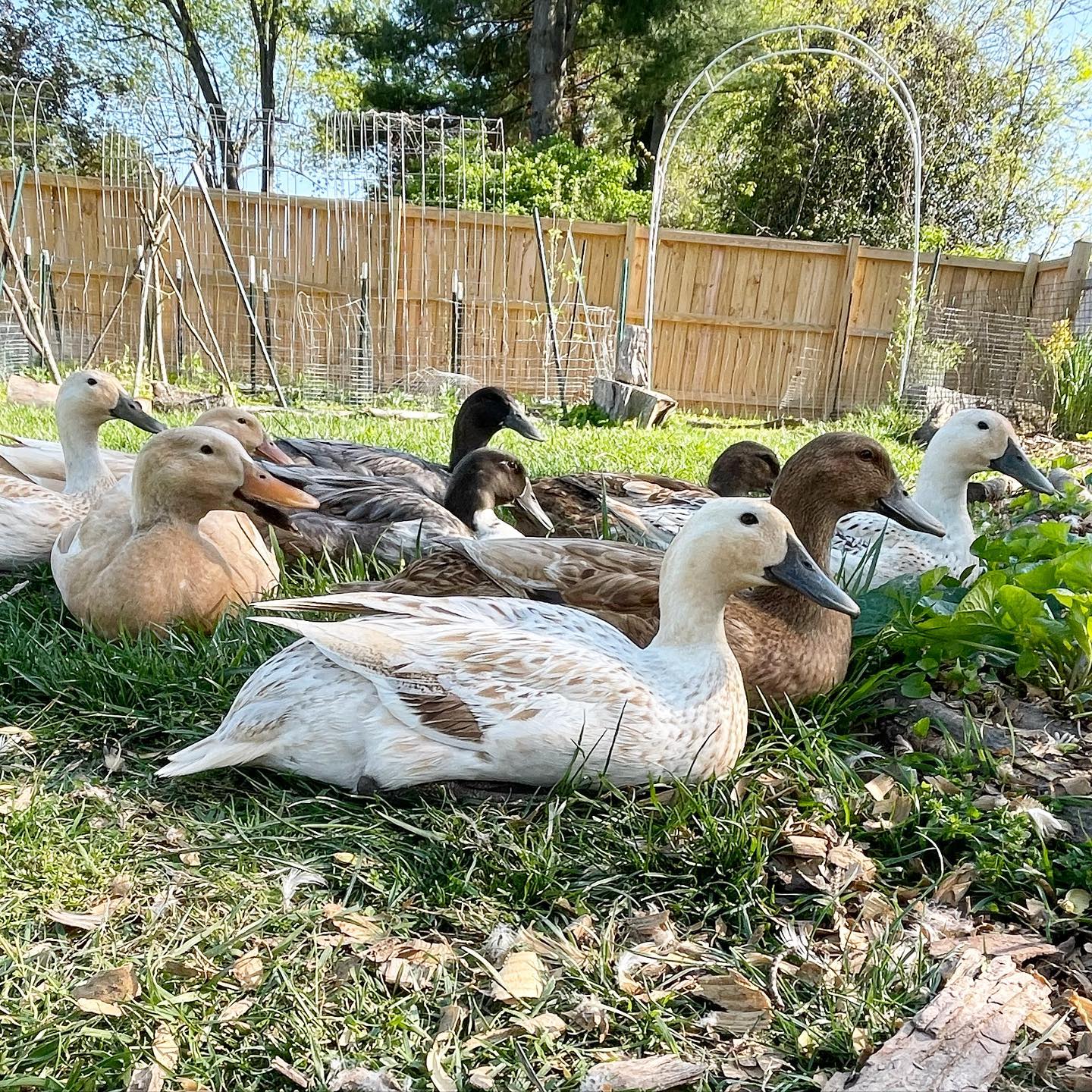
Also, they grow faster than chickens and give more eggs with less maintenance and care. (Probably, beginners find these animals more than easy to herd.)
If allowed in the garden, ducks eat slugs, snails, earthworms, freshwater shrimp, and other bugs. But whenever they walk, they leave their footprints with their watery droppings (oh! I recall it again).
My appetite aches when I have to work with their manure.
They are considered the messiest (if not one of the dirtiest farm animals). They eat mud, drink from a waterer, and straddle, walk, or bathe in it only to make keepers replace it more frequently.
If you raise ducks, you can’t avoid building a pond for them or installing at least a water tank for them.
You see your neighbors complaining about the noise of the birds raising to the next house to yours. Ducks are louder than hens.
Thanks to their waterproof feathers, which make ducks healthy, but their heavy and wet feathers make them more vulnerable to four-legged predators. They cannot escape the fence in a difficult situation, as most domestic breeds are unable to fly.
Ducks are social animals and cannot live without a flock, so you need at least half a dozen of them for your backyard.
Raising Your First Ducklings
Have you decided which breeds you are going to raise?
I started with Muscovy ducks, which I find to be more intelligent than other breeds, larger, quieter, and great layers (not the best, but more than enough for me), as well as great mothers.
They’re also protective and deter small predators easily. Like chickens, they perch off the ground and like to fly around when they see the zoomies.
You can raise the best duck breeds based on your requirements and the conditions of your raising zone.
After receiving the boxes of ducklings, introduce them to fresh water and feed them by gently touching their bills. They can’t find their need on their own, but as they grow older and their downy fluff is replaced with feathers, they start getting independent.
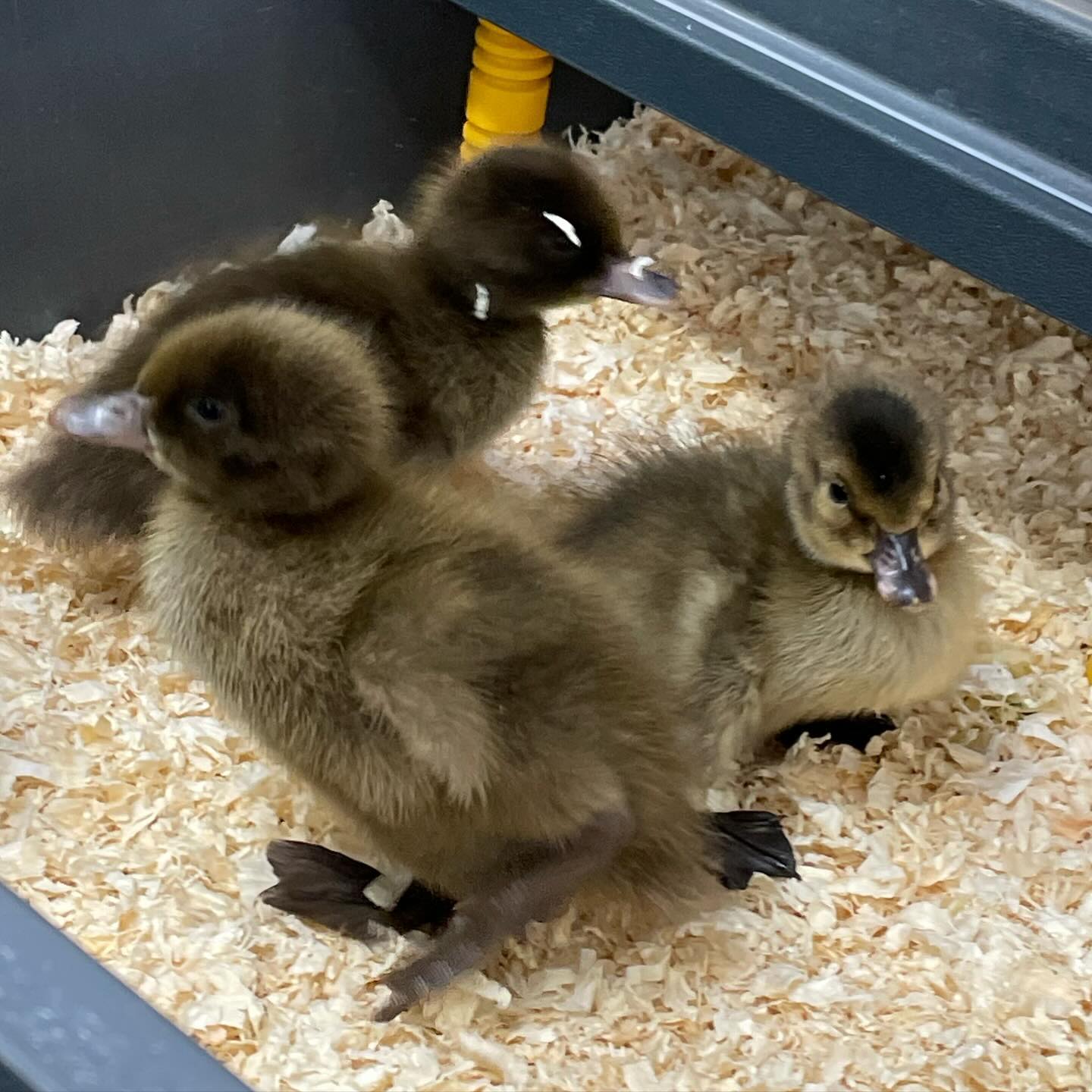
So, they need a safe, warm brooder with water and feed amenities. The most practical place for keeping these young birds is the bathtub (easy to clean). If not, you can raise them in a cattle trough, a puppy playpen, or a plastic crate.
But baby ducks grow quickly, so you need a large accommodation very soon. Anyway, when raising these, meet the following requirements.
Heat and Temperature
Install a heat lamp with two red bulbs or a Brinsea Eco-Glow. Your ducklings need a temperature of 90 degrees Fahrenheit on the first day, and then you can decrease it by 1 degree each day.
When they’re 6 weeks old, they can survive in the environment and free range outdoors.
Beddings
Ducklings drink and discharge watery poop every here and there, making the surface of the brooder really messy and slippery. So, you either have to place the rubber shelf liner sheet or the rubber bath mat for better grip on the feet.
After a week, you can place a layer of chopped straw or pine chips (chip-size shavings, not fine ones). They end up eating the powdered savings.
Feed and Water
Mostly, ducklings need high-protein feed and niacin (Vitamin B3). Also, you can feed them brewers’ yeast to help develop bone for the first 2 weeks. I often mix around 1 cup of brewers’ yeast per 20 lbs of feed.
Ducks need to submerge their bills in the water, so you need to provide young birds with a deep waterer. Give them shallow, flat-bottom bowls or containers.
Ducklings are likely to sink into the water if the bowl or dish is too big and deep. Room temperature water and a mixture of ⅓ cup of sugar per gallon can make them happier for the first few days.
The week-old needs half a gallon of water per week, and when they get 7 weeks, they empty a gallon of water daily. It means they drink three times more water than chickens.
Also, you need to keep changing water and make sure they get fresh water every day.
Tub for Swimming
Ducks are born swimmers and bath enthusiasts, so you can give them a small rubber water tub. Let them enjoy the bath under your supervision and dry them outside before returning them to the brooder.

By the time they are 3-5 weeks old, ducklings can explore the outdoor environment for short periods. And you can set the 6-8 week old out as long as the nighttime temperature doesn’t drop below 50 degrees Fahrenheit.
Housing & Outdoor Setup
Unlike chickens, ducks cannot live in a coop all day until they are sitting on eggs. They need either runs or free range with access to feed and water.
Duck Coop
Ducks only require a large, square, flat, grade-level coop with a critter-proof box, plenty of straw, and a secure locking system. These can sleep on bedding, so they don’t need perches, mostly, and nesting boxes are not necessary.
But make sure your duck house has enough space, at least 4 or 5 square feet per bird.
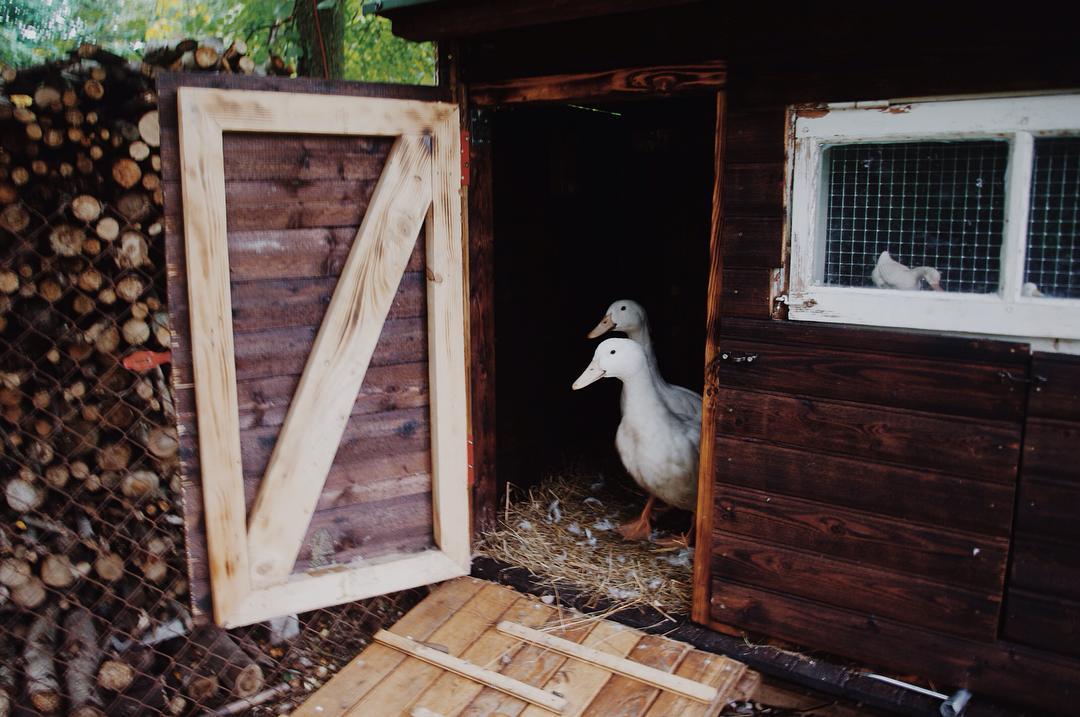
To make it secure, you can install treated framing 2×2 inch or 2×4 inch and hardware cloth, and T-111 or plywood or particle board.
My first duck house was 4’x4’x8′, half could be exposed, half enclosed.
As it needs frequent sanitization, you need a floor that is solid and washable. Personally, I like to throw straw (not hay) on bedding as it’s relatively cheap and easy to clean.
It composts nicely when used deep litter method, where you have to keep adding straw to cover the poop and clean the whole stuff every month or so. You can also use pine shavings, but skip cedar chips.
If you have a low coop, consider one with a removable roof that makes it easy to remove the bedding. A tall structure should have a secure door. You can also decide whether you want it to be movable or stationary.
Install the roof above to prevent hawk attacks and fill the gaps in the structure that would allow weasels, snakes, rats, or anything else small and slithery.
Weasels, coons, and minks steal into the coop at night, while coyotes, dogs, bobcats, and wildcats can break into the coop during the day.
Not to forget the hawks, owls, and other flying predators can grab them from the air. Ducklings are often the target of possums.
You can skip the vents in the roof, which helps keep rain out of the bedding inside. Instead, you can install vents on the sides and seal them with 1/4 or 1/2 inch hardware with real staples to keep critters out.
I have written a post on duck coop ideas, you can check out for inspiration!
Duck Run
I suggest you build a run with a space ranging from 10 to 20 sq ft per bird. Secure it from top to bottom and the sides from predators with hardware cloth.
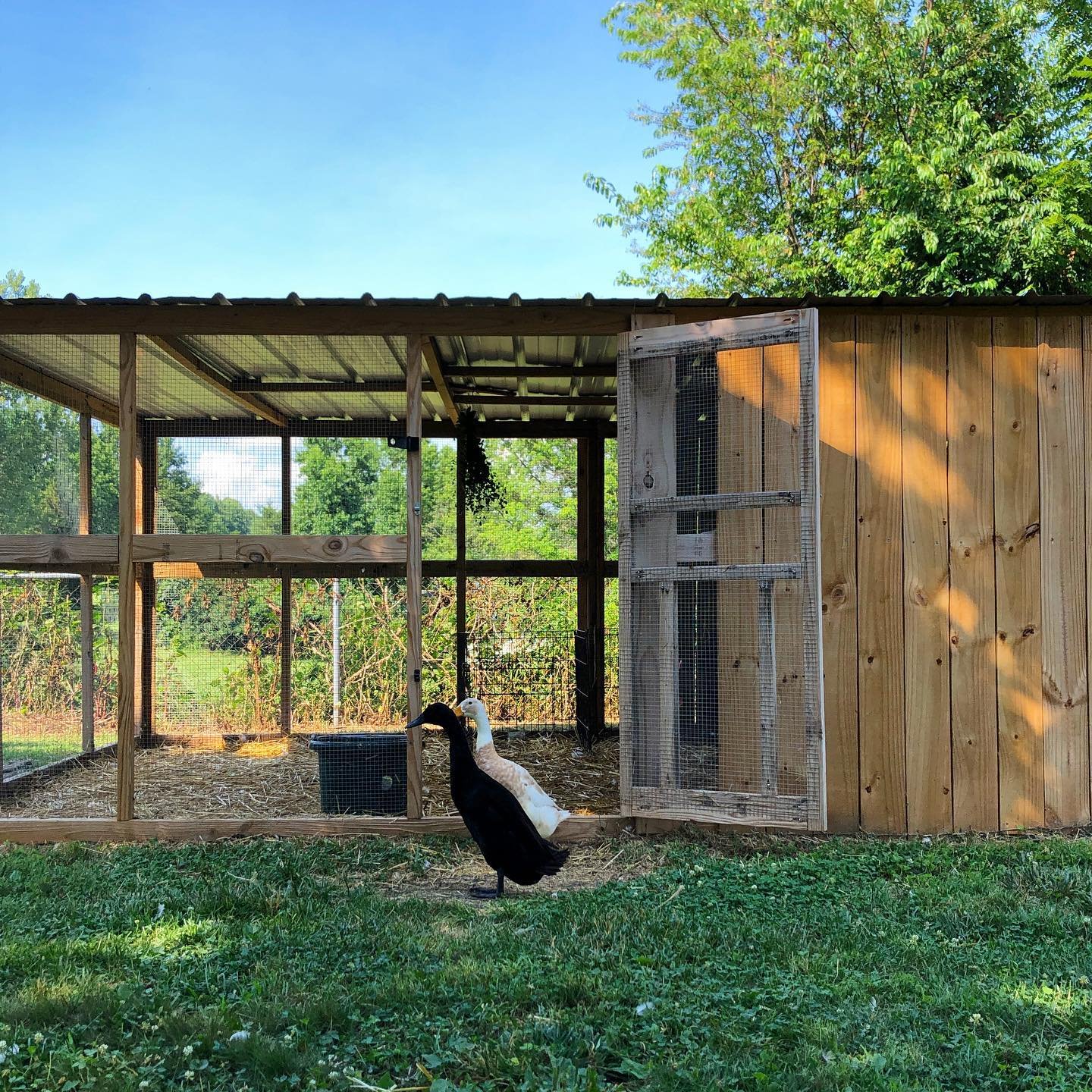
You can install the fence with a height of 4-6 feet and keep a few inches buried into the ground.
When taking out ducks in the run, they turn the grass into mud efficiently if the ground is wet, and they may treat it like nummies. For this, you might want a tractor run.
Duck Pond
Swimming is necessary for ducks to develop their leg muscles and preen, which goes through their oil glands.
If you have already decided on subdividing your backyard to raise some ducks separately, I suggest you build 1 pond per section. If not, 2 would be enough.
Have you checked my duck pond ideas?
Anything bigger than 36 inches is sufficient to bear to flip over and swim for ducks. You might also need a bigger area if you raise a large flock. Don’t let your ducklings swim unattended unless they are feathered.
Daily Care & Feeding
Feed Requirement
Pellets are tidy and easy to feed and create minimal mess, while crumbles are great for ducklings and picky eaters. If you use mash, it’s fine and mixable with water, but it can make some mess around the feeder.
- 0-2 weeks, starter feed (20-22% protein)
- 3-18 weeks, grower feed (15-16% protein)
- 18-20 weeks and above, layer feed or waterfowl layer feed (16% protein)
Ducks can eat everything from grains, vegetables, greens, bugs, and small mammals, so you can make homemade feed for your ducks at home.
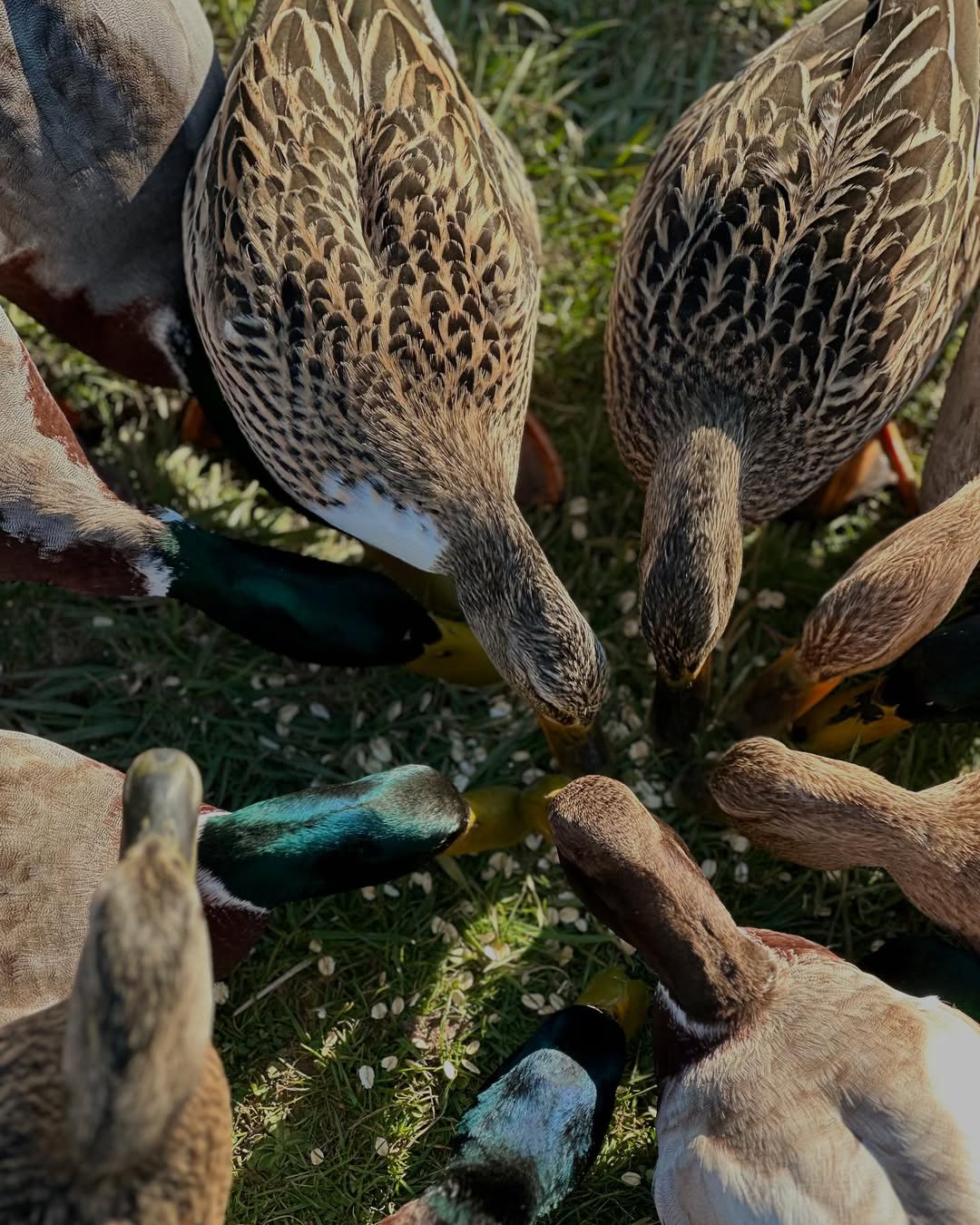
Grains: Cracked corn, wheat, oats, and barley
Seeds: Black oil sunflower seeds, free bird seeds, pumpkin seeds, wild rice seeds
Protein: Dried mealworms, freeze-dried bugs such as fly larvae and crickets, or finely chopped boiled eggs
Nancin: Peas, tuna fish, salmon, sweet potatoes, wheat bran (you can also substitute with 1 tbsp yeast per cup of feed)
Vegetables: Cucumber, lettuce, cabbage, and broccoli
Greens: wheat grass, dandelion greens, and fresh herbs such as oregano, mint, calendula, rosemary, basil, and parsley
Fruits: Chopped berries, watermelon, bananas, and cantaloupe
Grit: Small rocks or pebbles
Fresh Water
Do ducks need water even after a pond?
Yes, they need a nice bowl or kiddie pool of fresh water in their coop and run. Your birds also need it on cold days to drink and bathe, so you need to keep the pond from freezing in the winter.
The waterfowl require a consistent supply of water, and the waterer or water container must be deep enough to dip their whole bill in.
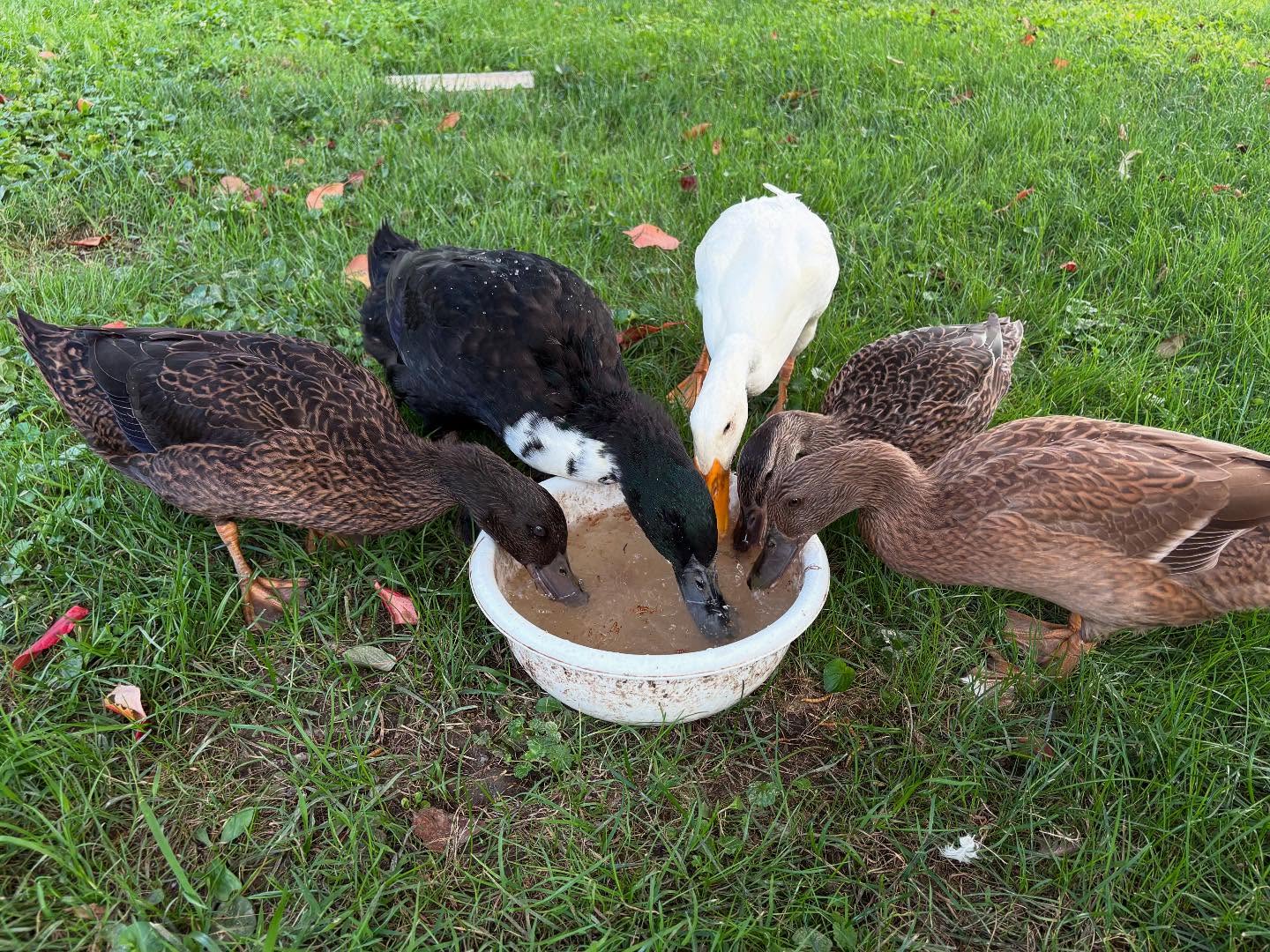
This helps the birds keep their nostrils clean as they create a huge mess. If not provided with a specialized waterer, birds splash water all over.
They soak their food in water before eating, so you need to change it more frequently than chickens. There is a high risk of mold forming on wet food if it is not stored in a dry place.
Final Thoughts
Beginners need to make it a habit of checking the duck droppings in the yard and taking responsibility for cleaning their house, ponds, and runs regularly.
I recommend you have enough free-range space. The larger, the better.
Then, morning and evening snacks with fresh water can make them happy and produce a good yield.
Leave a Reply