
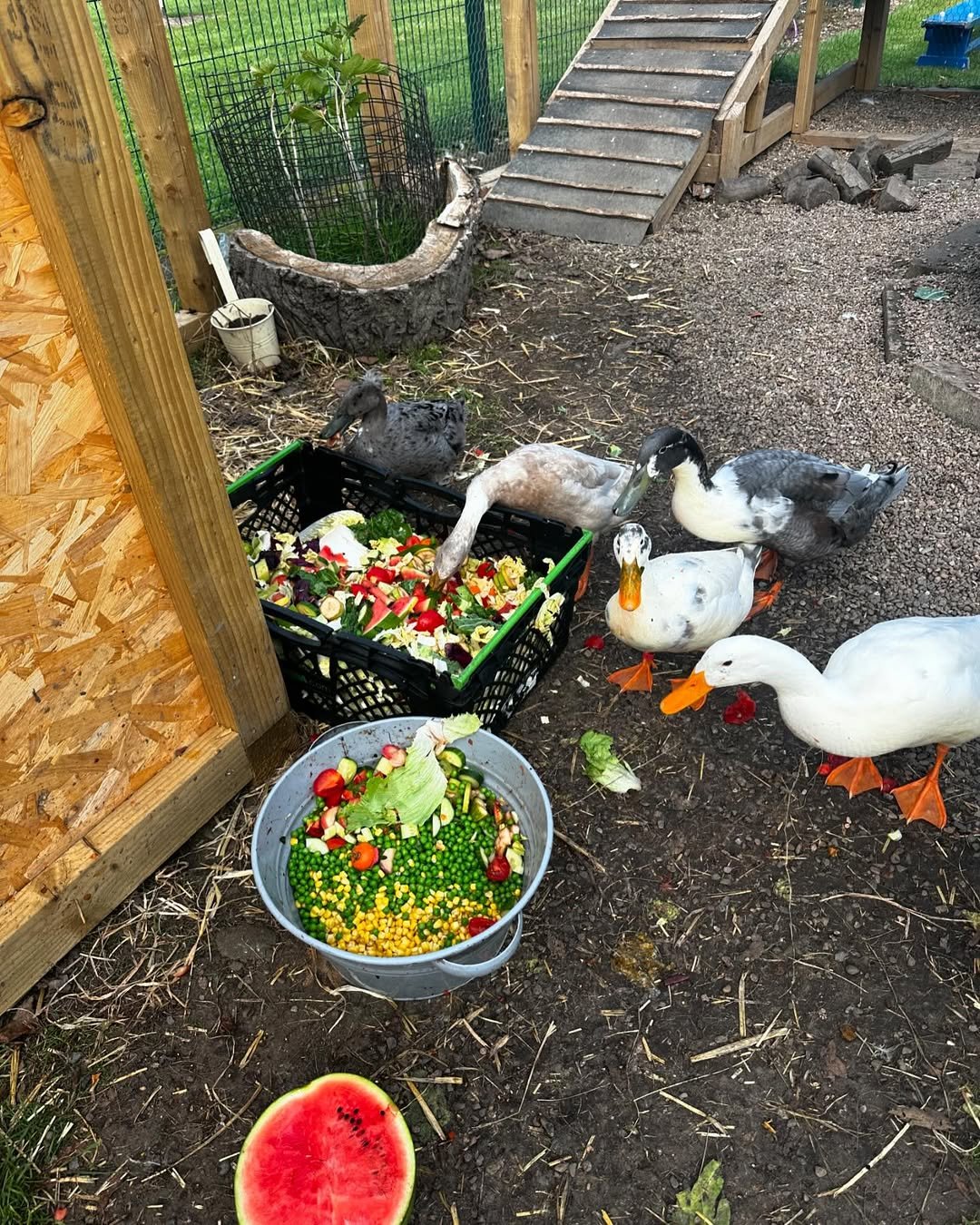
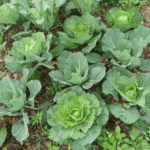
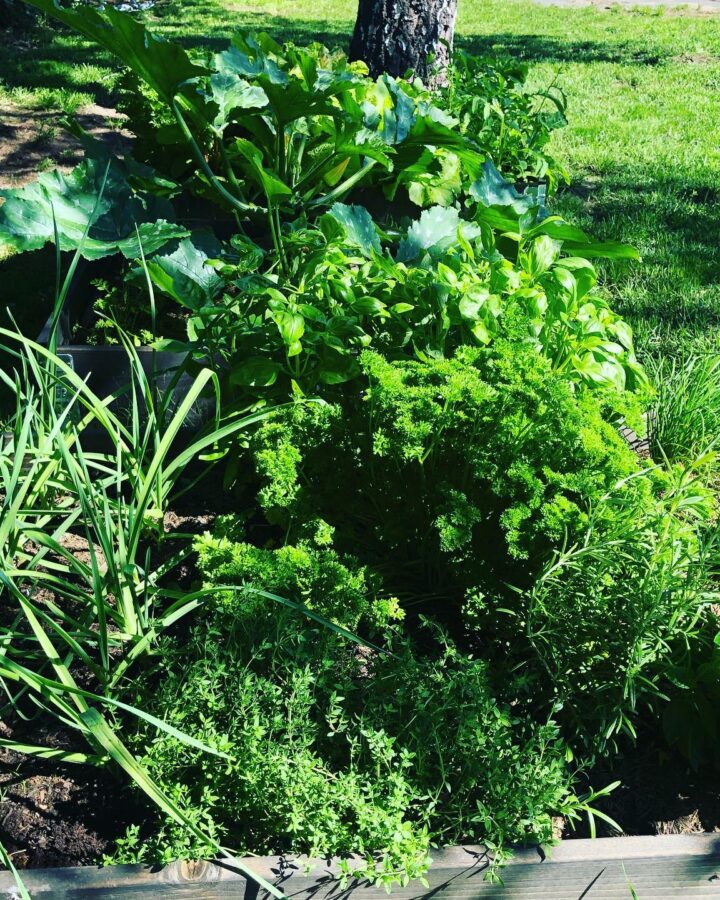
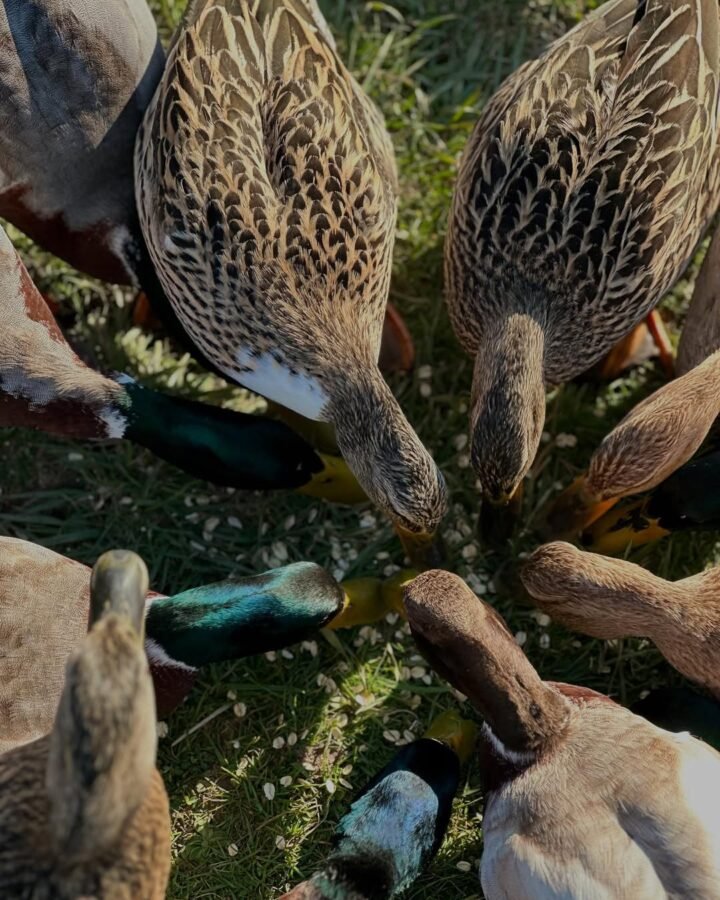
My duck queens are giant fans of leafy greens such as iceberg lettuce and romaine lettuce from my backyard garden, which I feed them every single morning.
I also grow other garden crops such as rice, squash, and peas for my birds, so I don’t have to depend on store-bought feed.
If you want to reduce feed costs, try making homemade duck feed at home and raising your animals sustainably.
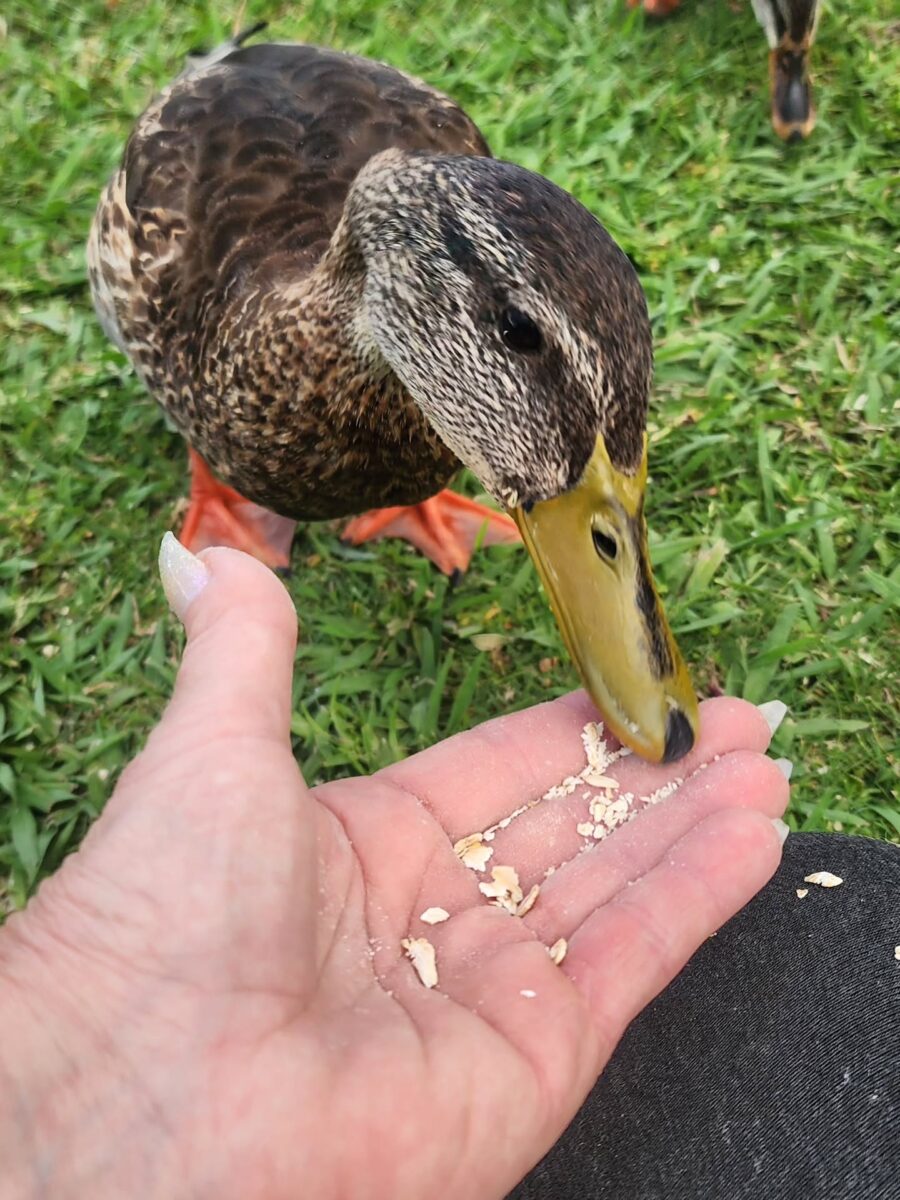
Duck Nutrition Requirements
As a keeper, you need to know that a balanced diet is key to ducks for healthy growth, better egg laying, and vibrant feathers.
Protein
Ducklings need more protein than adult ducks, around 20-22%. But adults are fine with 18 or 16%.
In the natural setting, they get protein from insects, snails, and earthworms. You can provide them with peas, mealworms, lentils, soybeans, and fish meal.
Carbohydrates
Ducks are free rangers, which need sufficient energy for swimming, walking in the mud, and running all over, and carbs give ducks energy and help them do daily activities.
The sources include grains such as corn, oats, barley, wheat, and millet.
Fats
You’re going to need fats to get your ducks’ energy and keep their feathers healthy. Also, you need to monitor the fat intake to avoid obesity in your animals. You don’t want your ducks to be looking stocky.
Fax seeds are the key source of fats.
Vitamins
Vitamin A is great for vision and feather quality, while Vitamin D helps absorb calcium. Vitamin Bs are beneficial for improving metabolism and bolstering the immune system.
Minerals
Minerals like calcium help strengthen bones and eggshells. You can feed them the crushed eggshells back for a calcium supplement. Also, arrange phosphorus that gives energy to metabolism.
Water
I want to talk about water, as it’s more important than stuff for other poultry to survive. Your ducks dip their beaks into water to clean and breathe, so you hear them breathing while they walk around the yard.
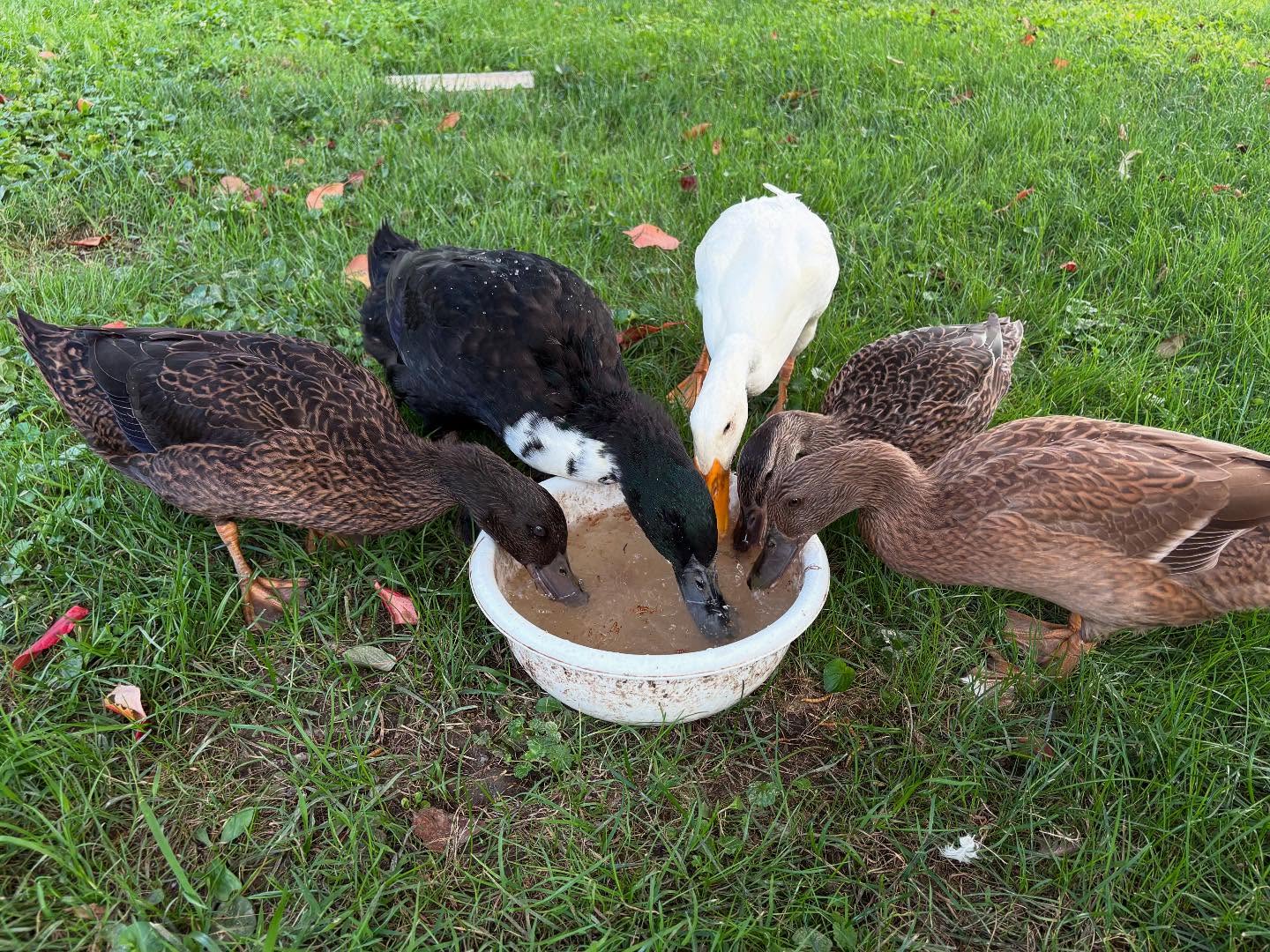
They cannot eat their food without water, as it helps them swallow food. So, you need to give them clean, fresh water and change it multiple times a day and every day.
Grit and Oystershells
These aren’t basic dietary needs, but you should not avoid them totally. Ducks don’t have teeth, so they do not need to rely on grit, small stones, sand, and stuff.
This helps grind and digest their food in their gizzards.
Niacin (Vitamin B3)
The easy way to get Niacin is from yeast or, my favorite trick, getting frozen peas. I keep frozen peas in the cupboard, and you can give those peas at least once a week.
Homemade Duck Feed
Whole grains
Oats, sweet corn, barley, wheat, millet, rye, sorghum, cowpeas
Greens
Comfrey plant, kale, spinach, purple cabbage, herbs, garden weeds, Siberian pea shrub, amaranth, alfalfa, clover, fennel

Fruits
Grapes, bananas, squash, pumpkin, watermelons, melon, zucchini, broccoli, lettuce, cucumber, blueberry, raspberry, strawberry, goumi berry, wolfberry
Stems and Roots
Your ducks will crave the false banana stem or roots. Chop whatever is left of bananas after you harvest the fruits, into tiny pieces. That’s all!
Beet, radish, hickory, and sweet potato are also good roots for duck feed.
Kitchen Leftovers
Cooked rice, bread, and pasta
Pond Plants
Duckweed, wild celery, wild rice, small bulrush, wild millet, chufa tubers, and smartweed
Homemade Duck Feed Recipes
Recipe 1
Ingredients: cracked corn, whole oats, rolled barley, soybean meal
I’m going to share this recipe for adult duck feeding that includes 16% protein. I use 3 parts of the rolled barley, 1 part of whole oats, 1 part of cracked corn, and 5 cups of soybean meal.
You can mix it up in 5-gallon buckets, which is enough.
Recipe 2
Ingredients: flaxseed, oatmeal, wheat, and barley
This is a recipe for baby duck starter, for which you need to mix and grind the ingredients. You can use your old functional coffee grinder.
Put a layer of black seed and a layer of oatmeal, some wheat, barley, and flaxseed in the grinder, which only takes a minute to make.
Recipe 3
Ingredients: sweet potato leaves, taro leaves, moringa, shredded coconut, rock salt
Clip the leaves from your garden and chop them into pieces. Mix the shredded leaves and put them in a container to cook. You may want to cook it with some water in the pot along with shredded coconut and a pinch of salt.
Stir well all the ingredients and make sure the cooked ingredients have some water or soup leaching in the container.
Recipe 4
Ingredients: whole black oil sunflower seeds, white millet, flax seeds, corns, and oats
Black oil sunflower seeds: 40 lbs
Whole corns: 40 lbs
Whole oats: 40 lbs
whole flax seeds: 10 lbs
White millet: 10 lbs
This is a whole-grain mix recipe, which you don’t need to grind in anything, only whole grains and seeds.
Take a large container or trough (a wheelbarrow works perfectly here) and put all the ingredients in, scoop by scoop.
This way, you’re not dumping black and gold sunflower seeds and all of the grains, which may make it hard to mix up well, where this is much in there.
Okay! You throw all the ingredients, take a shovel, and stir it deep and mix all the way.
Don’t empty all the ingredients; start with a small amount and move the shovel in the barrow, which will take time, but it helps mix well.
Do it until you finish all the bags of grains.
How to Reduce Duck Feed Cost
- Ferment feed or soak your duck feed in water for 3 – 4 days, and feed your birds. Premade grains are expensive, so you can prepare the mix yourself with the guidance above.
- I love the idea of sprouting seeds and growing them into fodder.
- Fence your backyard with strong wires and a fence, and allow your bird flocks free range out there. This can save you 20 – 50 % of feeding costs.
- If you raise your ducks in the run, make it mobile and rotate their pasture area. In this, a duck tractor can be a good option.
- Install a light under the roof so that your ducks can snap up insects and bugs flying around. Or you can also raise mealworms, soldier fly grubs, and earthworms.
More Feeding Tips
Ducks are natural omnivores, so you can feed them both veg or greens and tiny animals.
Feed your birds twice a day (morning and evening. Once they’re served, ducks finish the whole meal within 15-30 minutes.
If you’re feeding them once a day, give them enough feed and allow them to eat for an extended period. Also, I recommend you let your birds enjoy their feed for longer or at least feed them 3 times a day when bird foraging is limited or restricted.
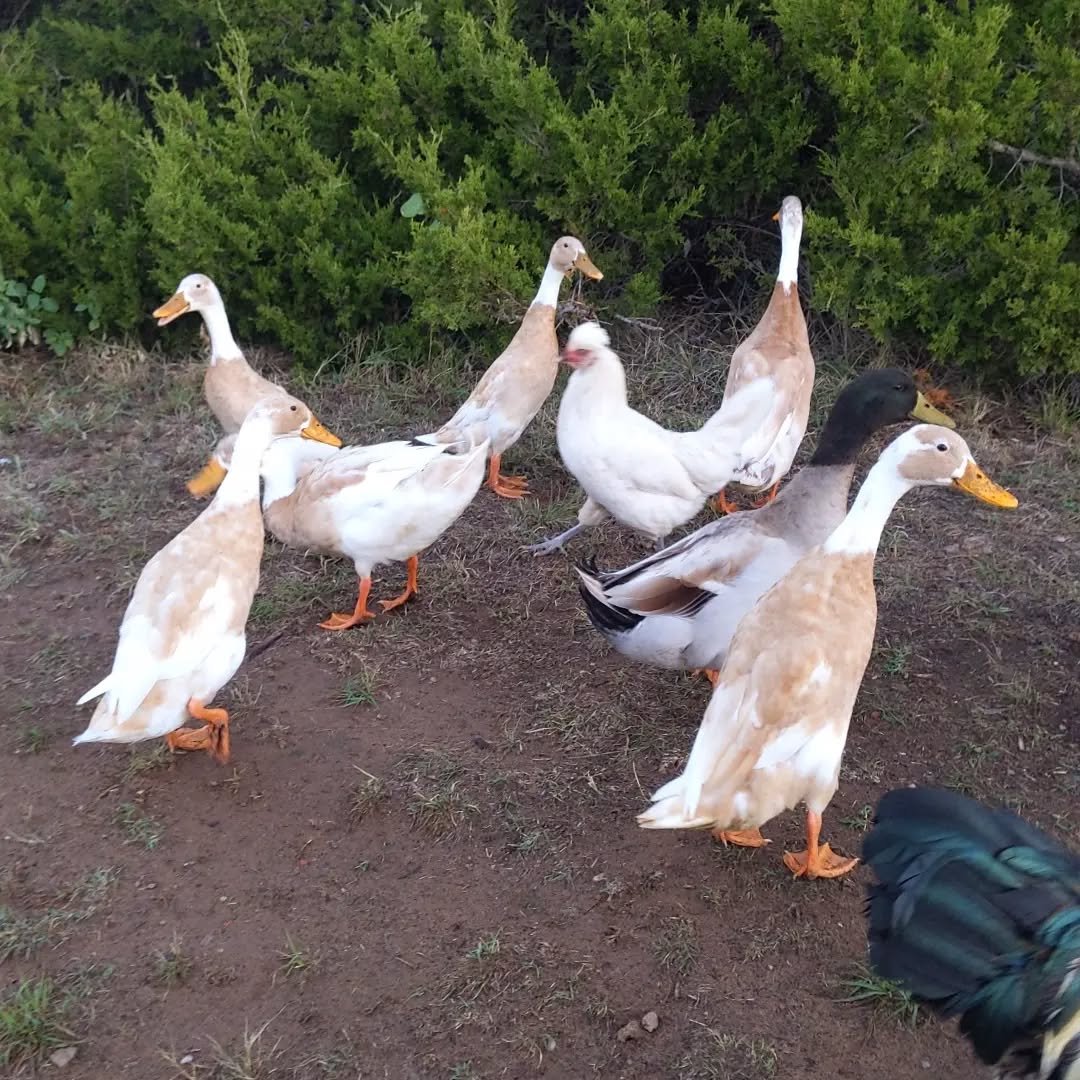
Also, change the feed or switch between them if you have options, or let your ducks decide which mix they prefer moist.
I see, my friends overlook some mistakes. For instance, they throw too much corn, give no niacin, and no calcium. Also, don’t serve dry food to your birds. Always make it a watery or slurry-type mixture.
Final Thoughts
In my first year, I often mixed half a bag of soybean meal and a whole bag of cracked corn in a bucket. There, I also added around 3 lbs of brewers’ yeast, and tossed in a few cups of carbs and calcium.
With that, I allowed my ducks to forage in the vegetable garden and feed them greens and fruits.
Now, I provide my ducks with a few different mix options.

Leave a Reply