
Backyard pigs love feeding on spent brewers’ grains, garden wastes, and day-old bakery items. I feed my animals grass clippings from mowing the yard.
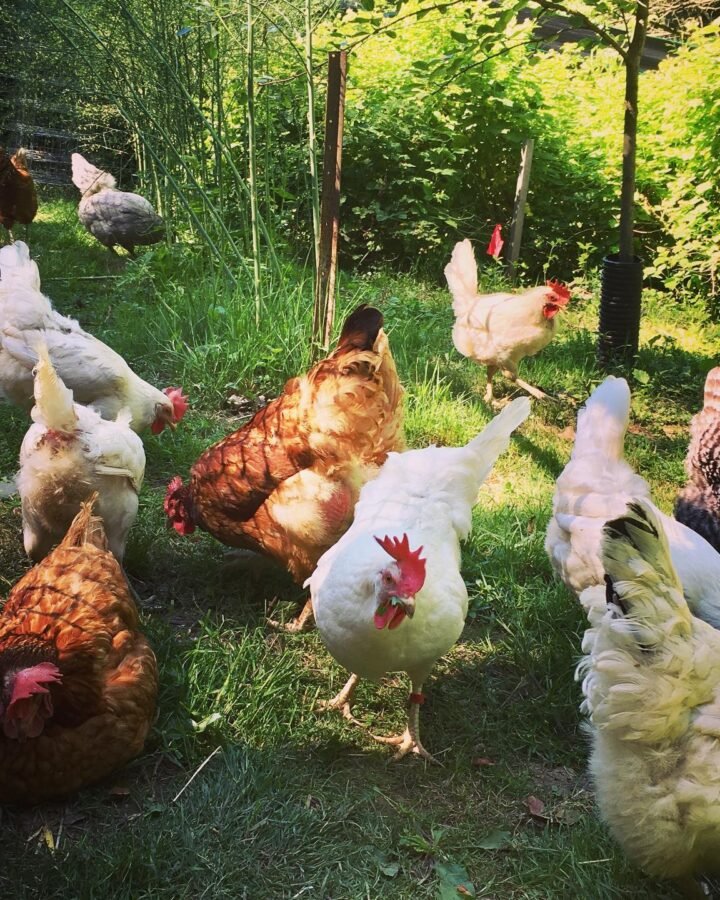
Don’t worry, my yard is free from pesticides or herbicides. Most often, I move the chicken tractor around to fertilize the area during the summer.
If you’re wondering what to feed pigs for meat, I have listed the freebies and store-bought options below.
What do Pigs Naturally Eat?
In nature, wild pigs forage with four legs around the ground everywhere. They hoe, burrow, or dig the land with their snouts and roots the edibles.
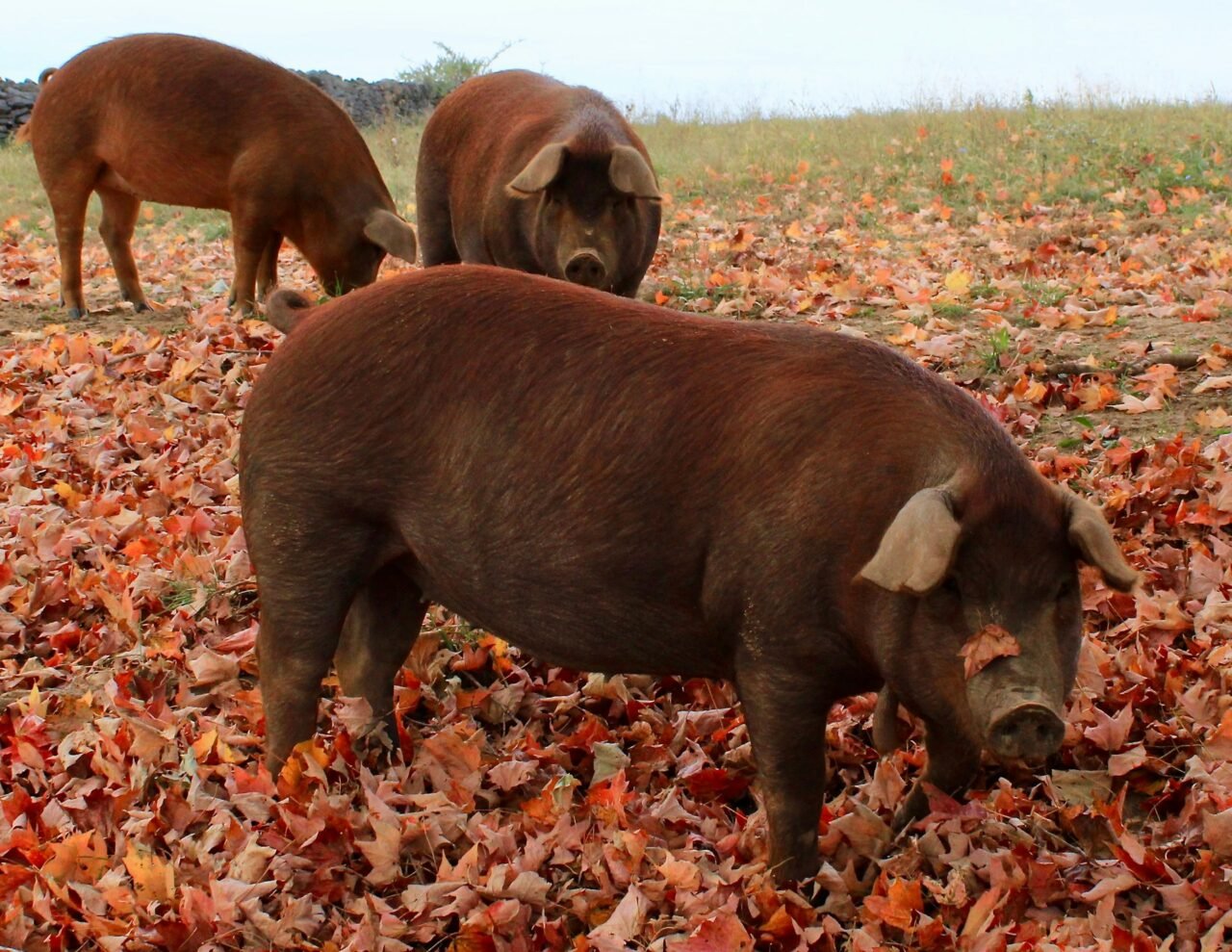
Besides, they also fall fruits and berries. They are omnivorous and opportunistic, and eat everything from plants and seeds to bugs and small mammals.
In the wild, pigs eat:
- Rhizomes, roots, tubers, and bulbs
- Grains and seeds
- Fruits, nuts, berries
- Leaves, bark, twigs, and shoots
- Insects, mollusks, fish, earthworms,
- Bird eggs
- Small animals such as rodents, lizards, snakes, frogs, and carrion
- Open garbage, animal waste
The Basics of Pig Nutrition
Do you know pasture only replaces 3-15% of a pig’s diet?
But pigs from adult dry sows, and gilts to boars can receive up to 50% of their food from good quality forage, but they still need a grain-based diet.
Remember, young pigs require 90% of their diet from grain-based feed.
You can expect a mature sow weighing 550 lbs to require 5.5-6.6 lbs of grain when completely housed.So, if your animals live outdoors, their needs increase by 15%.
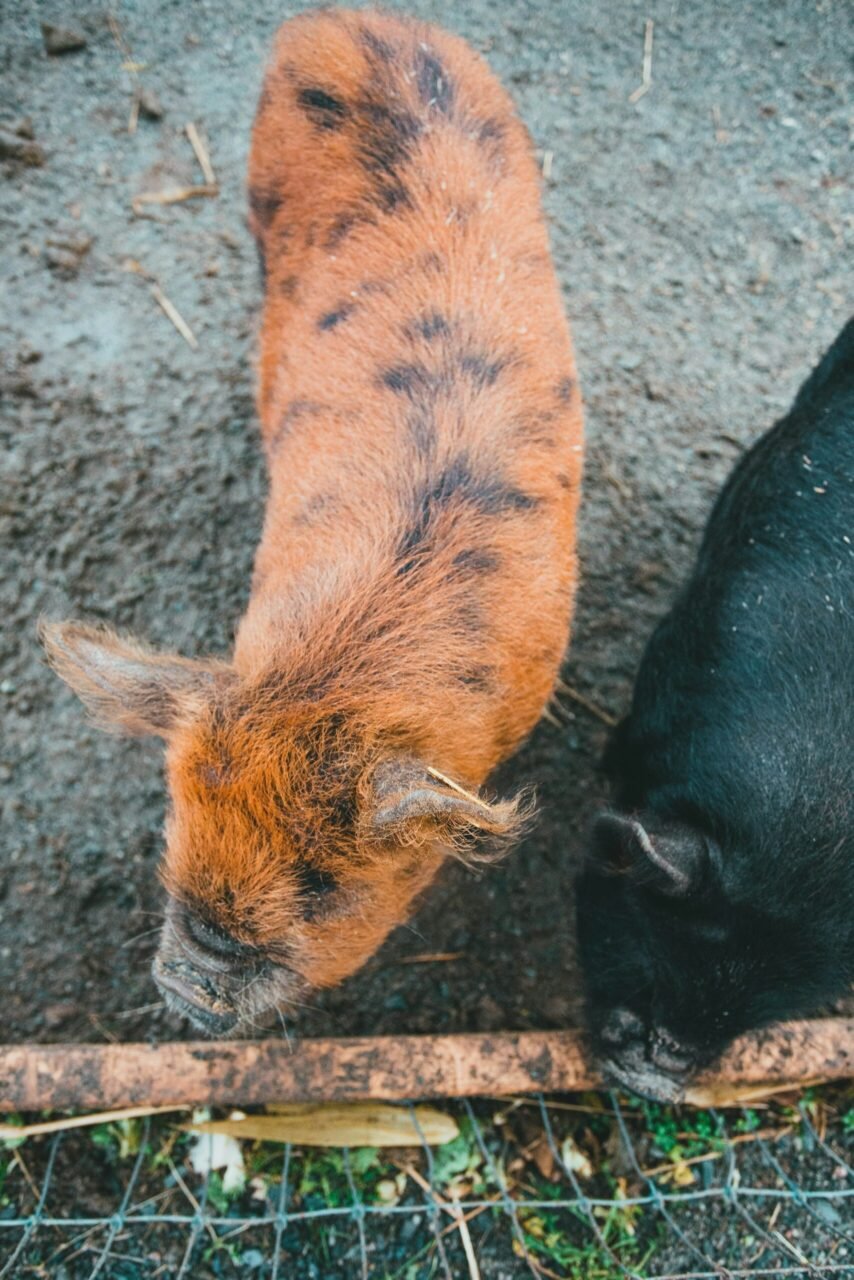
Besides, if your sows are lactating, feed them a full grain-based feed irrespective of forage.
1. Protein
Hogs, especially heritage pigs, require high protein as they need to forage in wood or pasture. It is essential for piglets and growers for muscle growth.
While piglets need 20-22% protein for rapid growth, adult pigs take 14-16% protein in their diet.
2. Energy (Carbohydrates)
As the name suggests, pigs need carbohydrates to forage outdoors and breed.
Besides, it is essential for swine to gain weight for meat. You should provide your livestock with 50-60% of carbohydrates in their diet.
Corn, barley, and wheat are the main sources of energy for pigs.
3. Fiber
When your animals eat lots of protein and energy, there must be something to balance. So, fibers help digest the heavy calories of the diet of pigs.
Wheat brans, sugar beet pulp, alfalfa meal, soy hulls, and corn germ are some good sources of fiber, which help enhance gut health in pigs and gestation in sows.
4. Vitamins & Minerals
Like other livestock, pigs also require Fat-soluble vitamins, including vitamins A, Beta-Carotene, D, E, and K, for better immunity and reproduction.
Besides, they take Calcium, Phosphorus, Salt, and trace minerals.
Commercial Pig Feed – Is It Worth It?
In pig farming or raising, you need to spend 70% of your money on feed. They need only a meal and sleep or rest anywhere.
In the market, you can find 20, 40, or 50 lbs bags of pig feed. They also sell some small packets of 4 or 8 lbs of feed.
Types of commercial feeds you can find:
- Starter
- Grower
- Finisher
- Sow feed
What I like about the store-bought feed is that it includes a balanced diet. Good commercial pig feed contains a high-energy diet, sufficient protein, low fiber, and adequate minerals and vitamins.
They are made of rice bran, corns, soya-beans, broken rice, cassava, vegetables, and distiller’s remains.
When fed regularly, you can predict your animal’s growth consistently without surprise.
But readymade feeds are expensive, and you cannot control the ingredients.
So the stockmen who raise pigs for meat and need to harvest the market-weight hogs in a limited time can invest in commercial pig feed.
What to Feed Pigs on a Homestead
1. Kitchen Scraps
Just like chickens eat table scraps, pigs consume kitchen scraps from potato peels to spoiled bread crumbs and anything edible that goes into the dustbins.
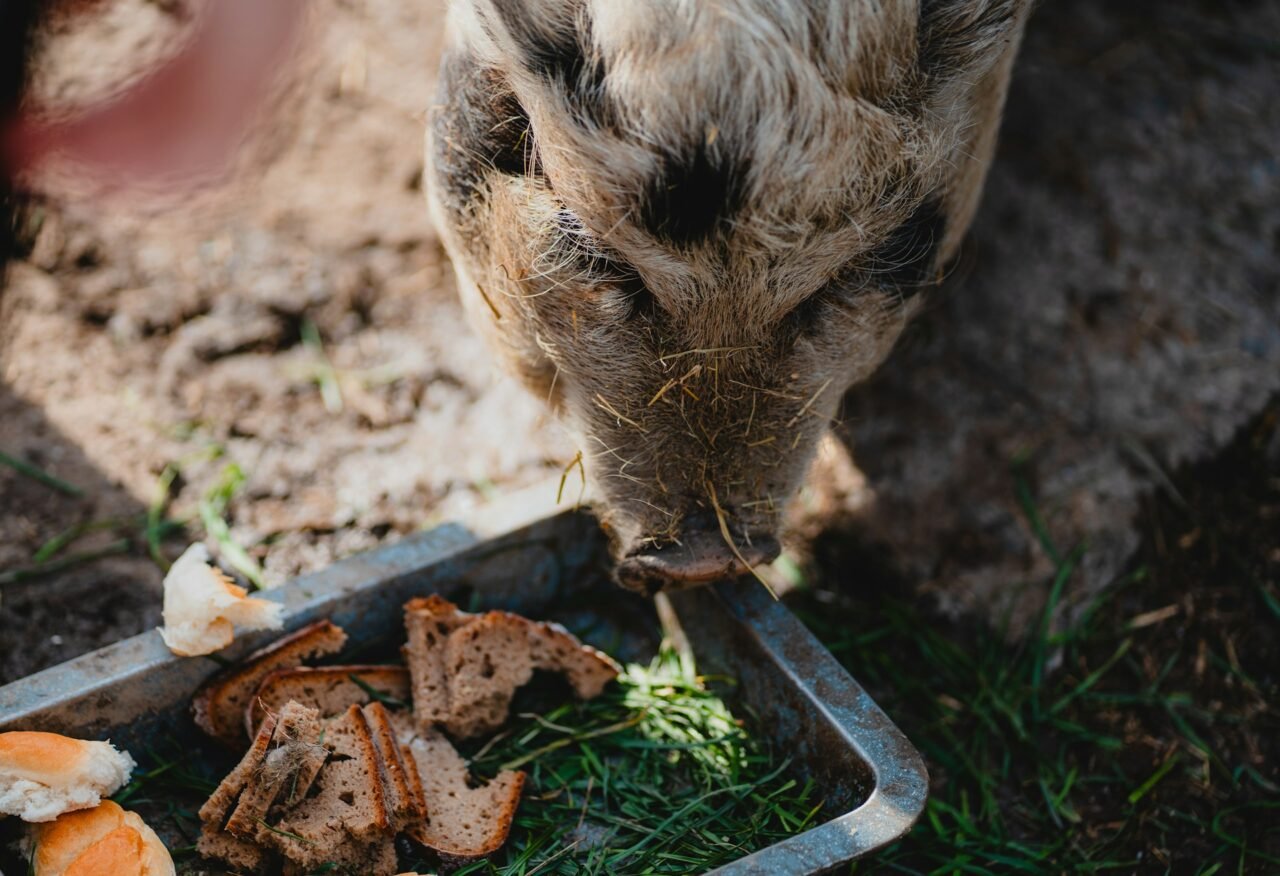
Vegetable peels and residues, fruits, green tops of root vegetables, and stale bread are a few examples.
You can give them table remaining such as pasta, sprouts, unsalted popcorn, dried Fruit, oatmeal, and mushrooms.
Avoid moldy food.
They also eat meat scraps or cooked meat and fish, but you need to check if your local laws permit it.
2. Garden Surplus
Vegetables: tomatoes, potatoes (cooked), pumpkins, zucchini, cabbage, cauliflower, broccoli, cucumber, squash, carrots, beets, turnips, yams, watermelon, cantaloupe, artichoke, radish, bamboo shoots, bok choy, eggplants, peppers, parsnips, kohlrabi, rutabagas, sweet potatoes, shallots
Fruits: apple, banana, apricot, grapes, cherries, pears, peaches, pineapple, lemons, persimmons, passion fruit, jackfruit, figs, dates, honeydew melon, crab apples, nectarines, papayas, pomegranates, star fruit, sharon fruit, sapodillas, tangerines, limes, coconut (fresh or oil)
Berries: strawberries, blackberries, raspberries, blueberries, cranberries, boysenberries, mulberries (pitted), thimbleberries, huckleberries
Nuts: hazelnuts, almonds, walnuts, pine nuts, cashews, macadamia nuts, pecans, pistachios
Leafy Greens: lettuce, kale, swiss chard, spinach, bok choy, collard greens, parsley, arugula, oregano, plantain, dandelion, thyme, rosemary
Legumes: peanuts, sweet peas, black-eyed peas, soybeans, lima beans, lentils, chickpeas, fava beans, navy beans, split peas, kidney beans, field peas, pinto beans, Boston beans
You don’t have to throw away all the produce that you have grown with your hard work. But your animals deserve overripe, half-eaten on the plant, and some surplus harvests.
Make sure tubers, beans, and peas are cooked before feeding them to pigs. Also, berries and nuts must be pitted.
3. Dairy Byproducts
These are a great source of protein, so if you have extra or spoiled dairy products, you can place them in pig feeders.
Pigs can eat sour milk and sour cream.
Besides, out-of-date dairy products such as whey, cheese, and yogurt (plain or Greek) can also be fed.
4. Grains You Can Feed
Grains are rich in vitamins, minerals, and plenty of calories. And pigs eat all kinds of grains, such as:
- Corn
- Barley
- Oats
- Wheat
- Brown Rice (cooked)
- White Rice (cooked)
- Rye
- Quinoa
- Chia Seeds
- Sorghum
- Millet
- Buckwheat
Make sure you soak or ferment the grains before feeding your livestock.
5. Pasture and Foraging
Do you want free feed for your pigs?
Pasture and forage fields are a food mine for hogs, which root the ground and receive some edibles.
Many owners use pigs to dig or plough the land for gardening. But you need to make sure the land is rich with forages such as grass, roots, spent fruits, seeds, and others.
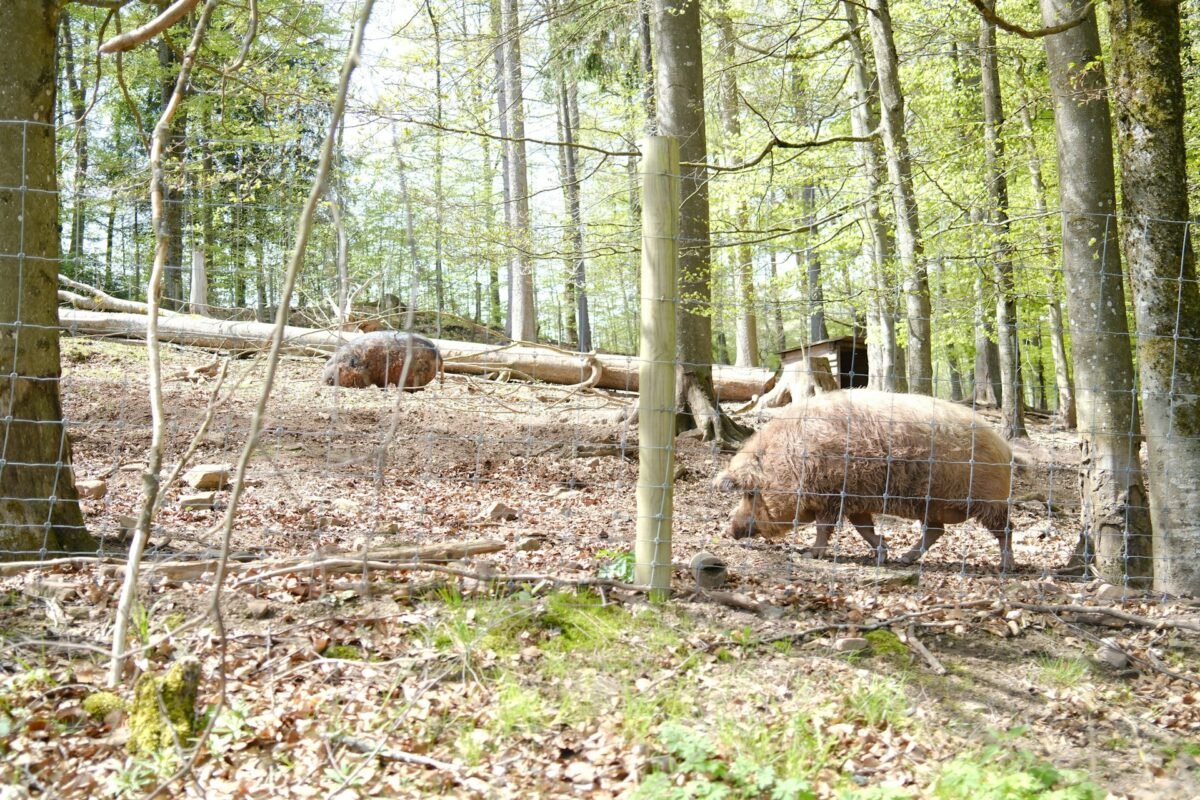
They love grass, including amaranth, manoa grass, and clover.
Besides, chickweed, Arrowroot, echinacea, calendula, yarrow, and acorns are some good sources of food.
If you have separated the pasture for your pigs, consider rotational grazing.
What NOT to Feed Pigs
Many believe these animals are like living garbage disposals. It’s true to some extent, but they require a proper diet including the mentioned above.
While it’s safe to feed domestic pigs commercial or store-bought food, making your own animal feed may lead to a harmful diet for your animals if you include unhealthy and toxic ingredients.
For example, don’t feed old or rotten food, excess salt (salty meals or foods), or processed items such as chocolate and junk food.
Besides, avoid large quantities of onions, alcohol, and raw meat, eggs, and fish, which are illegal in many regions.
Never allow green potato or tomato plants (not fruit), nightshade plant leaves and stems, sugar, artificial ingredients, preservatives, or colorings.
Learn some toxic plants for pigs to escape:
Common Indoor or Decorative Plants
- Devil’s Ivy (Pothos)
- Dumb Cane
- Aloe Vera
- English Ivy
- Calla Lilies
- Begonias
- Dragon Tree
- Philodendron
- Weeping Fig
- Ribbon Plant (Spider Plant)
- Geraniums
- Primrose
Outdoor, Garden, Wild & Landscape Plants
- Hemlock
- Angel Trumpet
- Foxglove
- Easter Lilies
- Larkspur
- Narcissus
- Eucalyptus
- Elephant Ears
- Hyacinth
- Camellia
- Hydrangeas
- Lantana
- Daffodils
- Ranunculus
- Tiger Lily
- Oleander
- Milkweed
- Tulips
- Daphne
- Redwood Trees
- Birch Trees (all types)
- Holly
- Lobelia
- Sweet William
- Yew (all types)
- Baby’s Breath Plant
- Wild Mushrooms
Final Thoughts
Pigs are voracious eaters that eat anything from garden crops to food waste at home, or everything that homestead animals consume.
So, you won’t be worried about feeding your hogs. I have a simple plan for my animals: feed them only toxic-free, nutritious food that is in good condition.
Make sure you feed them each items in moderation.


Leave a Reply