
You want to keep some roosters along with the flock of egg-laying hens. When they chase each other and run after hens and pullets every time, you might think of putting off this idea.
Similarly, I had 4 roosters with 12 hens, and they would peck at each other, forcing the hens to constantly seek cover.
Now, I have got more roosters, and they do well without any painful disturbance. Sometimes, some couples of similar-sized guys get into a brief scuffle, but it doesn’t last.
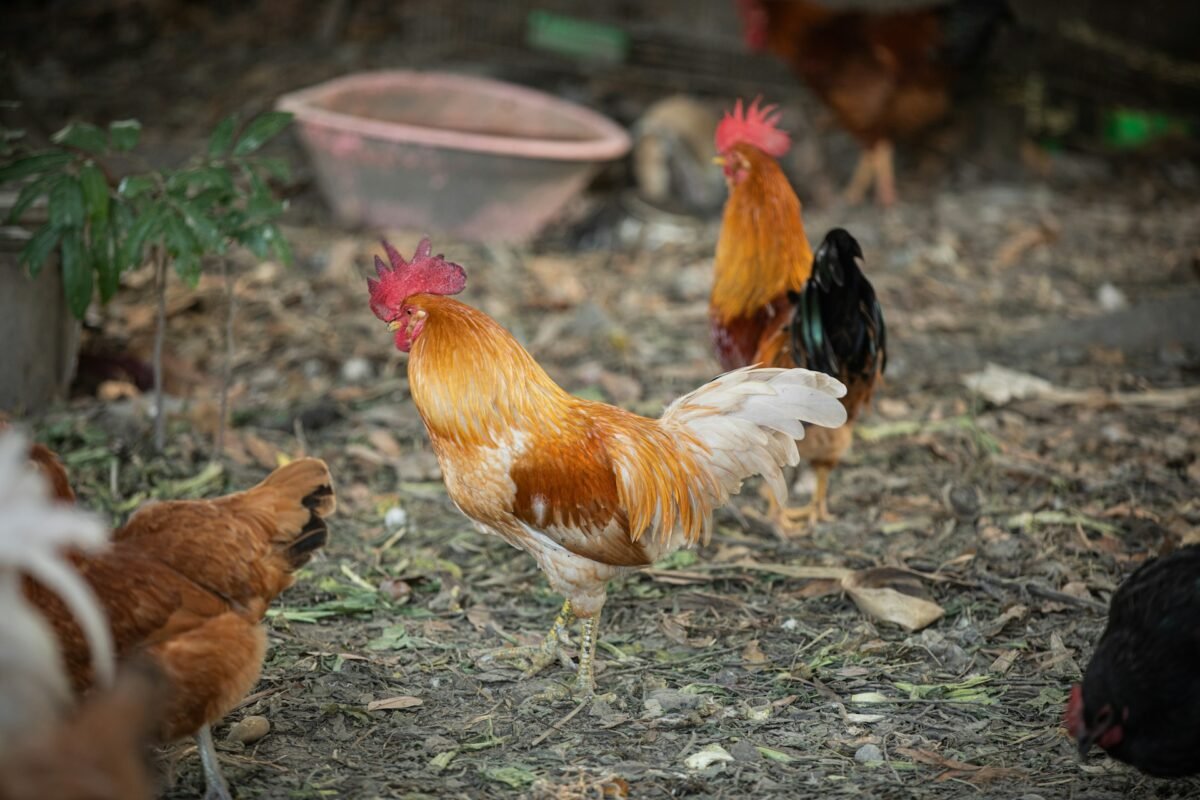
What I Understand…
It’s easier to raise roosters from the chicks. The adult roosters can’t digest the presence of other adult guys in the same flock until they are used to.
The early socialization reduces territorial behavior.
So, before adding roosters to your existing flock, you need to understand their behavior.
They have a strong instinct to take responsibility for leading and protecting the flock. You may see only that particular guy, stand, and observe the flock when you call the whole flock and offer the snacks.
The ladies and young chicks start eating as soon as they receive the food, but the mature rooster only picks the feed after everyone has had some portions.
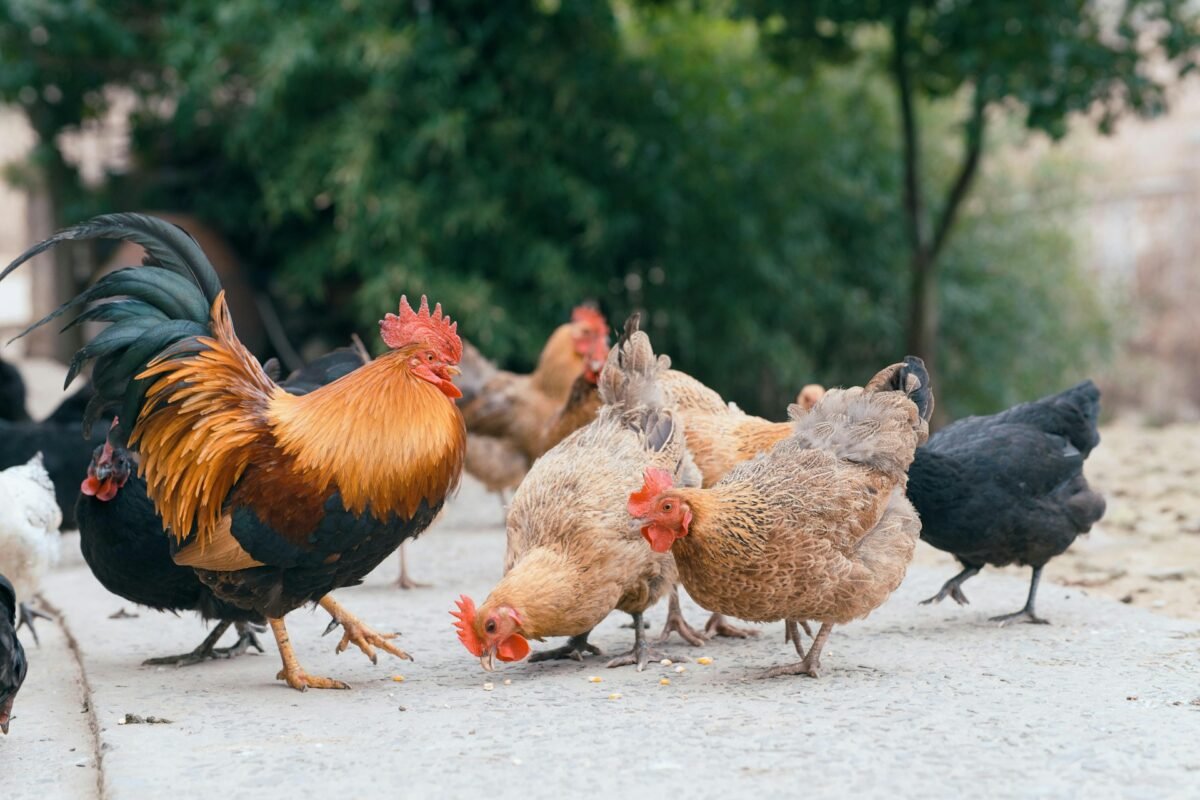
In the flock with multiple roosters, the giant or older rooster protects the hens and pullets when other roosters chase them.
This has a favorite hen and spends most of its time with her. The rooster also helps laying hens with some benefits in the flock.
But the lead rooster chases pullets and mates with them. So, there is always a competition between the roosters in the same flock.
Their hormones mostly control their mood and behavior, which change daily, weekly, and monthly.
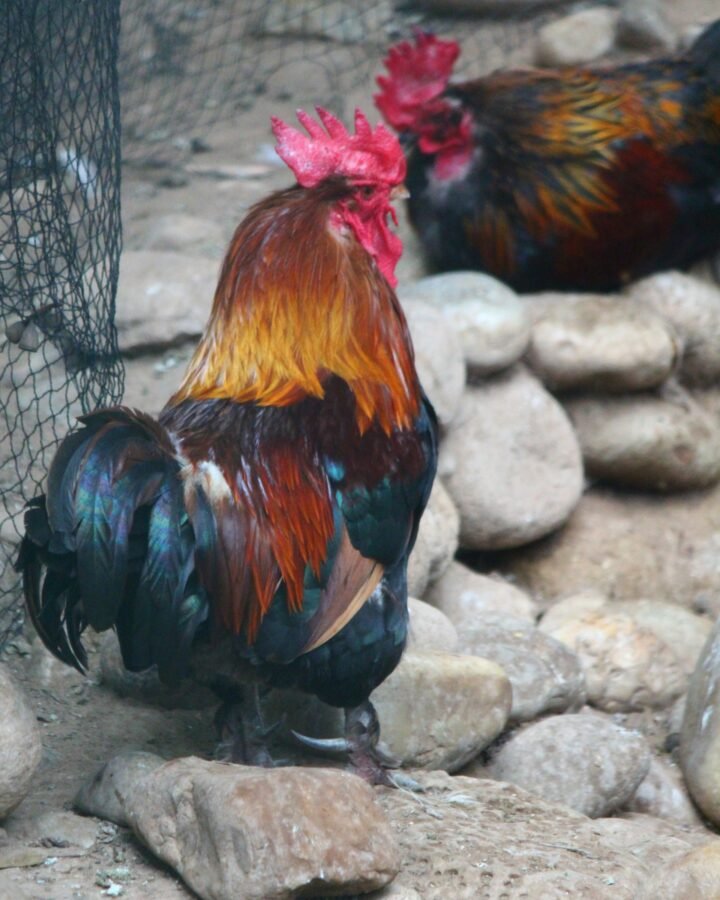
I’ve seen my two roosters foraging together, while one of them chased the third rooster away. That rooster runs after him around the whole yard until he gets tired.
So, if you have a small flock, you may find some disadvantages of raising multiple roosters.
But if you have a larger flock with all hens, a single rooster cannot breed them all and control the flock. There must be a few more male chickens.
How to Introduce Roosters to Each Other
1. Use a Separate Pen First
I’m suggesting this because the sudden appearance of strange roosters at the same place may surprise the flock and existing roosters.
So, you need to allow birds to see each other but not attack for a week or two.
To make it possible, you can use the chicken wire as a transparent fence in the pen. Divide the flock into two and keep the roosters on either side.
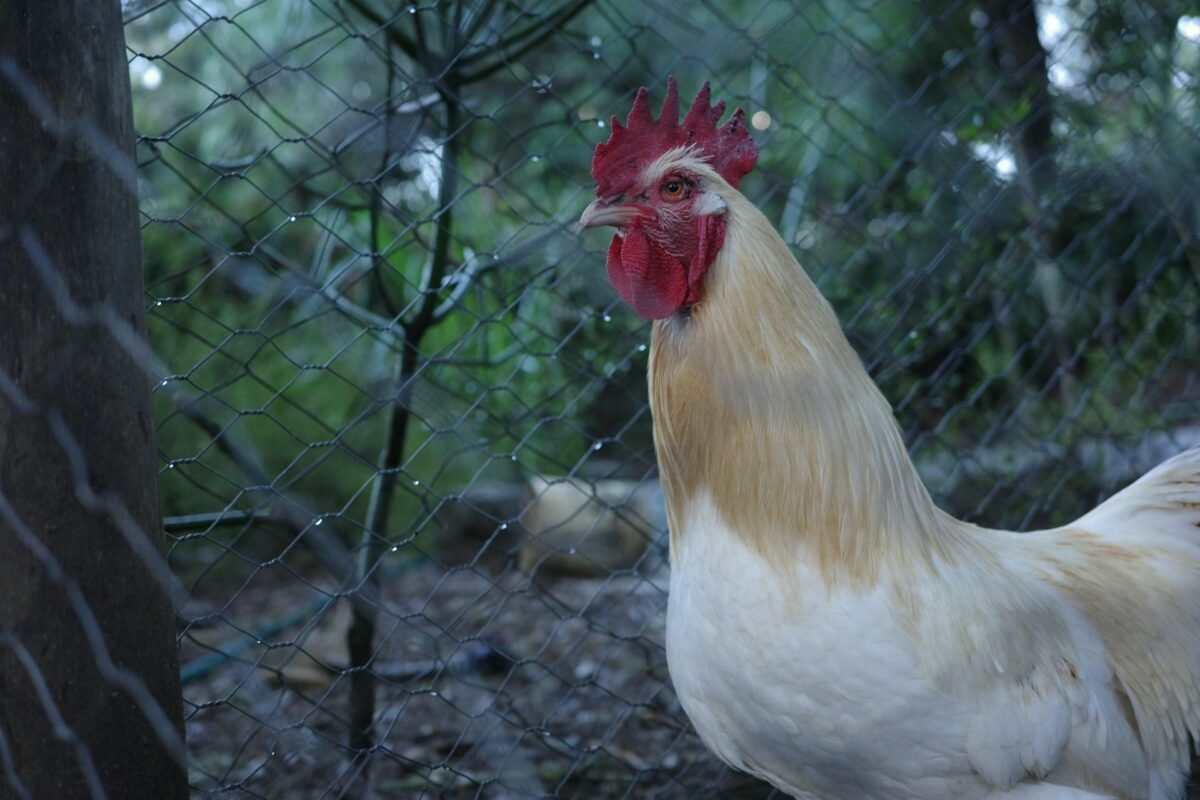
Make sure all roosters don’t come in the same side.
And you can add roosters as you introduce a new chicken to the existing flock.
I think you need to get cockerals if there is already an older rooster in the flock. The age gap between the two helps set the pecking order. And the transition of roles or acceptance within the flock can be smooth, without any dispute.
The perfect time is when the cockerel has red wattles and starts crowing.
2. Introduce on Neutral Ground
I don’t recommend you get a new rooster directly into another rooster’s territory. The roosters are a bossy type and can’t tolerate a new competitor in their region.
Flock has some favorite spots to hang out outdoors if the space is big. Birds mostly like foraging, dustbathing, and snack areas.
So, new roosters need to find some spare space in the yard and see the flock without getting involved first.
The new member observes the place, becomes accustomed to it, and becomes confident within a few days. The established rooster and the flock check the new rooster and make a space for him in the flock.
3. Watch Body Language
Introduce new roosters slowly and see what happens in the flock from there. In my experience, roosters don’t select hens, but ladies choose guys instead.
So, roosters can become jealous or insecure, leading to disputes.
When you introduce cockerels or young roosters to older ones, they might end up at the bottom of the pecking order.
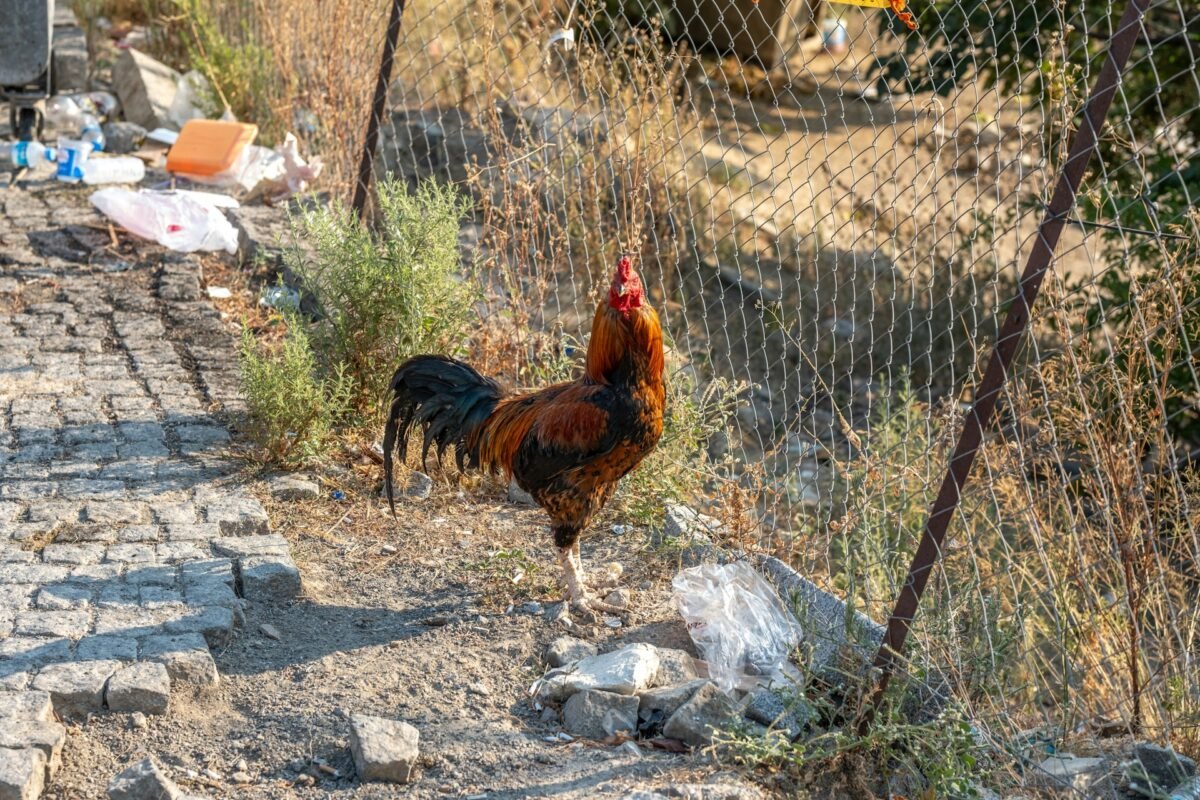
The older or dominant roosters aren’t kind to young, aggressive roosters. So, you will see junior rooters getting pecked by seniors if they respect the pecking order.
But you need to observe the following signs. If you find any that are severely affected, separate them from the flock.
- puffed feathers (see if chickens are losing feathers)
- staring
- circling
- wing dropping
4. Introduce Several Birds at Once
Sometimes, it’s easier to get several birds in the flock than to add a single rooster. The single bird can be the central target in the flock.
And if adding a new flock of birds, attention is divided, and the existing flock cannot target all of them.
And they need to accept the new flock, including the roosters, at last. So, this trick is helpful if you have a separate flock of cockrels or pullets.
I’m not talking about the flock of chicks.
7 More Ways to Keep Multiple Roosters Together
1. Keep Enough Hens
If you want to keep several roosters in the flock, you need to have larger numbers of hens. The recommended rooster-to-hen ratio is 1 rooster per 8-12 hens.
This helps keep roosters from overmating and hurting hens and pullets.
If not, roosters may chase hens all the time.
2. Avoid Overcrowding
The stress and confinement can increase aggression among chickens.
So, you need to double or triple the space in the chicken coop or run. My thumb rule is 3 sq ft of coop space per bird and 10 sq ft of chicken run space per bird outdoors.
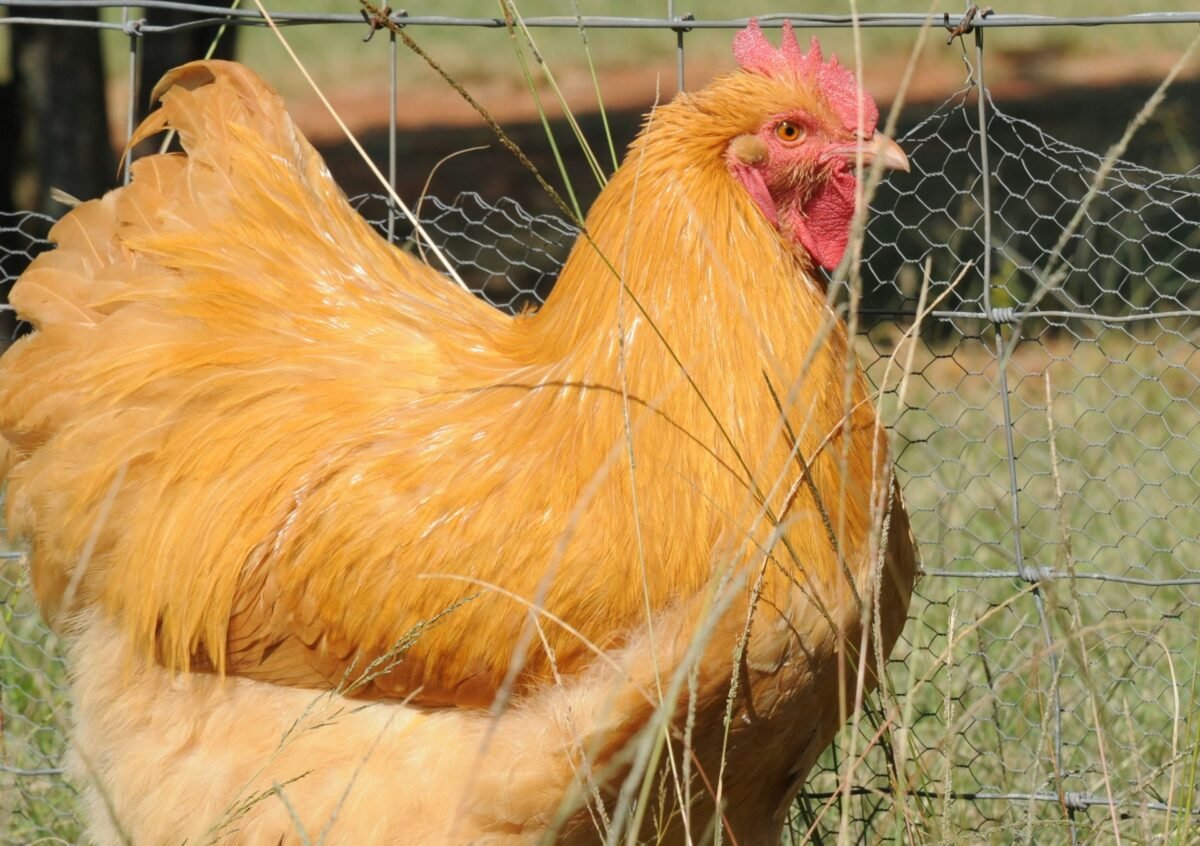
If there is limited space, chickens may struggle for the feeder, waterer, and ventilation.
Besides, you can allow a free-range setup so the flock has plenty of space to forage and hang out.
3. Provide Distractions
To avoid disputes, you need to give your chickens coop enrichment and some entertainment.
Hanging treats, free-ranging area, scratching area, chicken dust bath, and chicken coop roost.
These help keep chickens busy and prevent roosters from becoming aggressive.
4. Remove Triggers
Some aggressive triggers include mirrors, cramped nesting areas, and competition around feeders.
Do you know why chickens eat their own eggs?
Also, make sure you arrange the chicken nests nicely and spaciously. Always provide your birds with multiple feeders and waters.
5. Separate Aggressive Roosters
I often give multiple chances before removing birds from the flock. But some roosters, such as Malay, Shamo, Old English Game, and Modern Game, cannot coexist safely.
Their aggressive behavior disturbs the whole flock, so it’s better to keep them in a cage for a couple of days to a week.
If nothing changes in their behavior, you can build a separate housing for them.
6. Raise Friendly and Calm Roosters
You can keep multiple roosters together as long as they’re not sport roosters. They may have a little scuffle or two, but they will stop eventually.
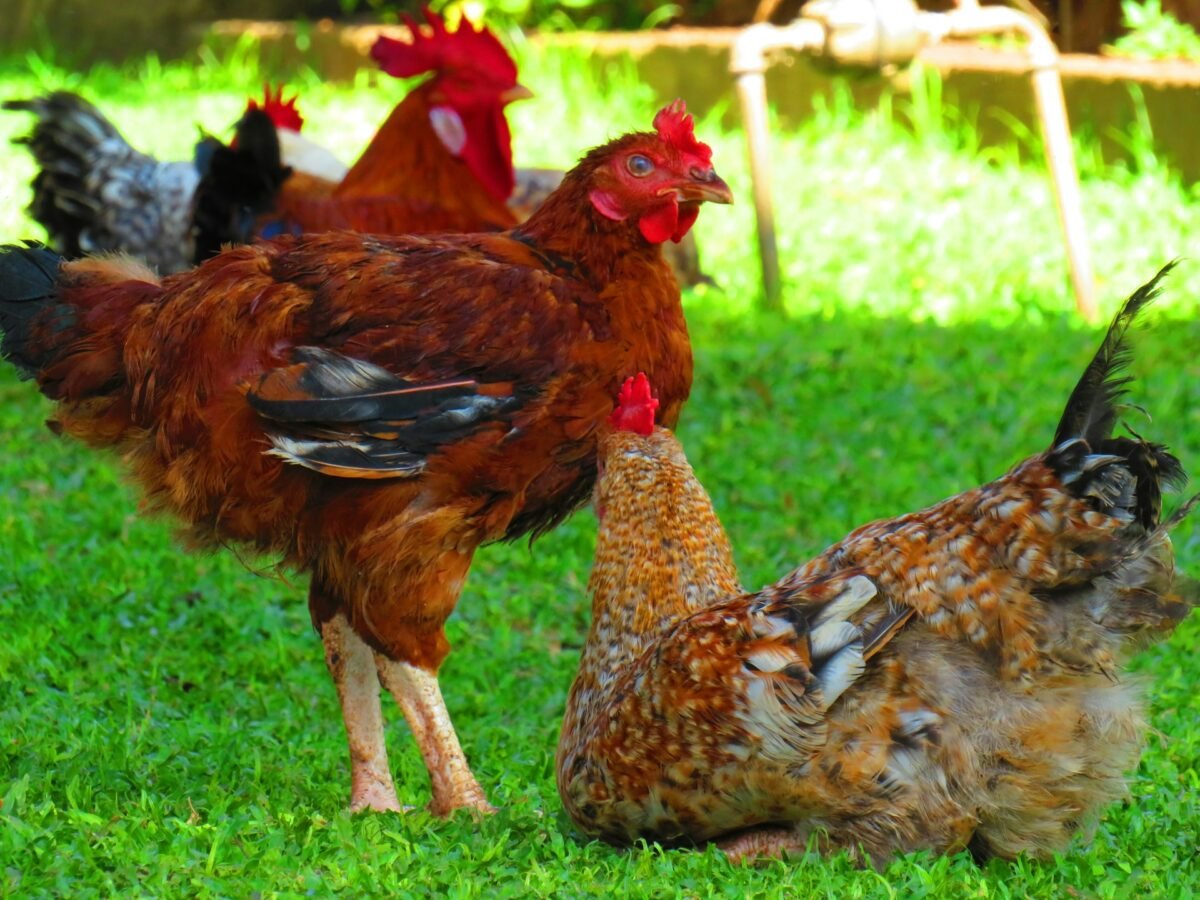
Besides, it depends on their personalities on how well roosters do in the flock. I don’t think there is a way to train roosters to get along well.
Orpingtons, Brahmas, Cochins, Faverolles, and Sussex are some docile rooster breeds.
Many keepers raise more roosters than recommended in the flock. For example, 6 roosters and 18 hens, which is an unusual ratio.
In this case, there is a head rooster that leads the flock and mates with the hens and pullets.
Then, his deputy rooster, which rarely mates with female chickens, and 4 others as “orbiters” who stay together and remain away from hens.
So, there will be no dispute, no chaos, and no overbreeding.
7. Make a Flock of Roosters
Can roosters be raised without hens?
The short answer is yes.
If you don’t want your roosters to breed your hens for laying eggs, you can still raise only roosters in a separate flock.
And I like raising only roosters for meat and profit.
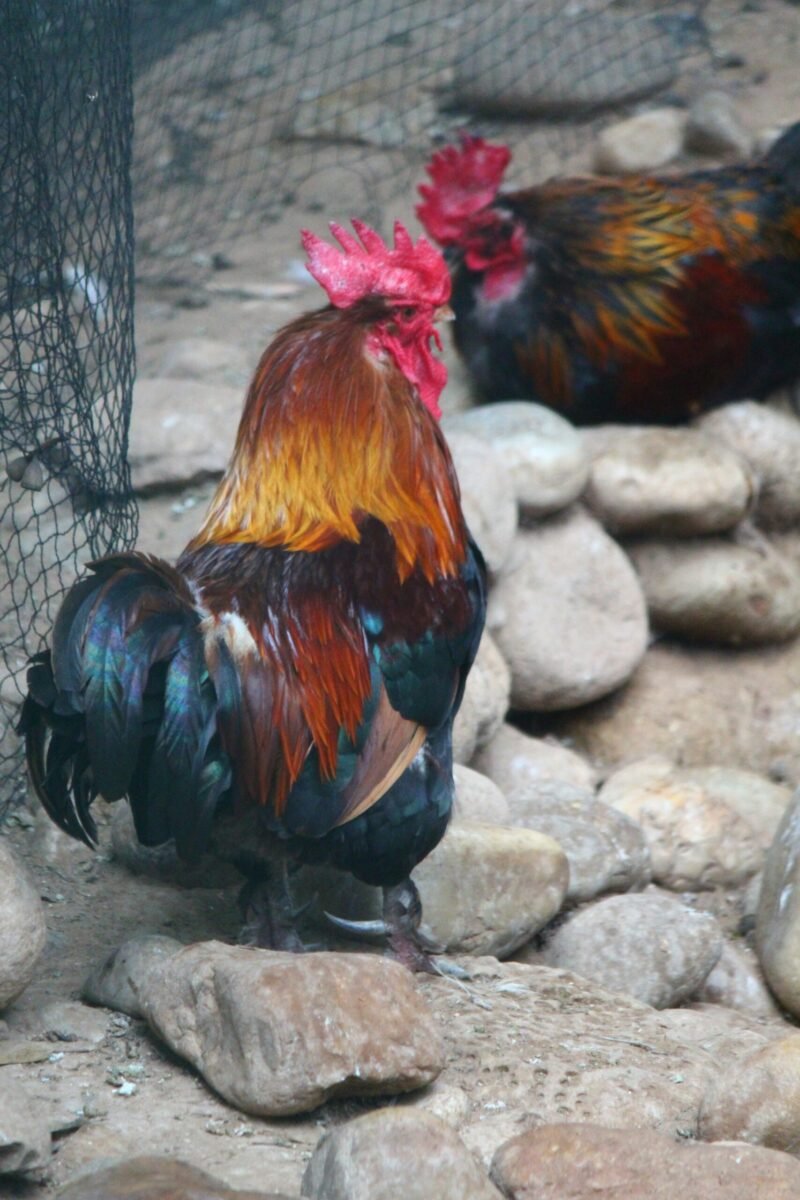
Besides, keepers also keep them for ornamental or show purposes. For this, I suggest you cut their spurs when they’re hard and set.
Final Thoughts
Keeping multiple roosters together in the flock is a bit challenging, yet rewarding, whether you want meat or sustainable chicken raising.
They can be fertile for 3-5 years or longer; after that, you need to replace them in the flock of hens.
Also, you need to extend some extra space to add roosters as they’re larger than hens.



Leave a Reply