
My grandparents have been raising Black Angus for long enough that my dad wasn’t born, so when I wanted to keep one, this came straightaway, and I knew my uncles had various-sized herds.
I prefer pastured-raised breed beef over grain-raised one, but you can feed your cattle both and make great steers.
If you’re hovering around to seek some nice beef cattle, here I have collected the best breeds for meat production.
1. Angus Cattle
Originating in Scotland, Angus is native to the counties such as Aberdeen, Angus, Banff, and Kincardine. Before the 1800s, they were called Angus Doddies and were officially registered in 1935; they didn’t reach the United States until 1873.
Also known as Aberdeen Angus, the Angus is a small beef cattle breed that stands between 4 and 5 feet at the shoulder. While cows weigh 1200-1800 lbs, bulls measure around 1800-2400 lbs.
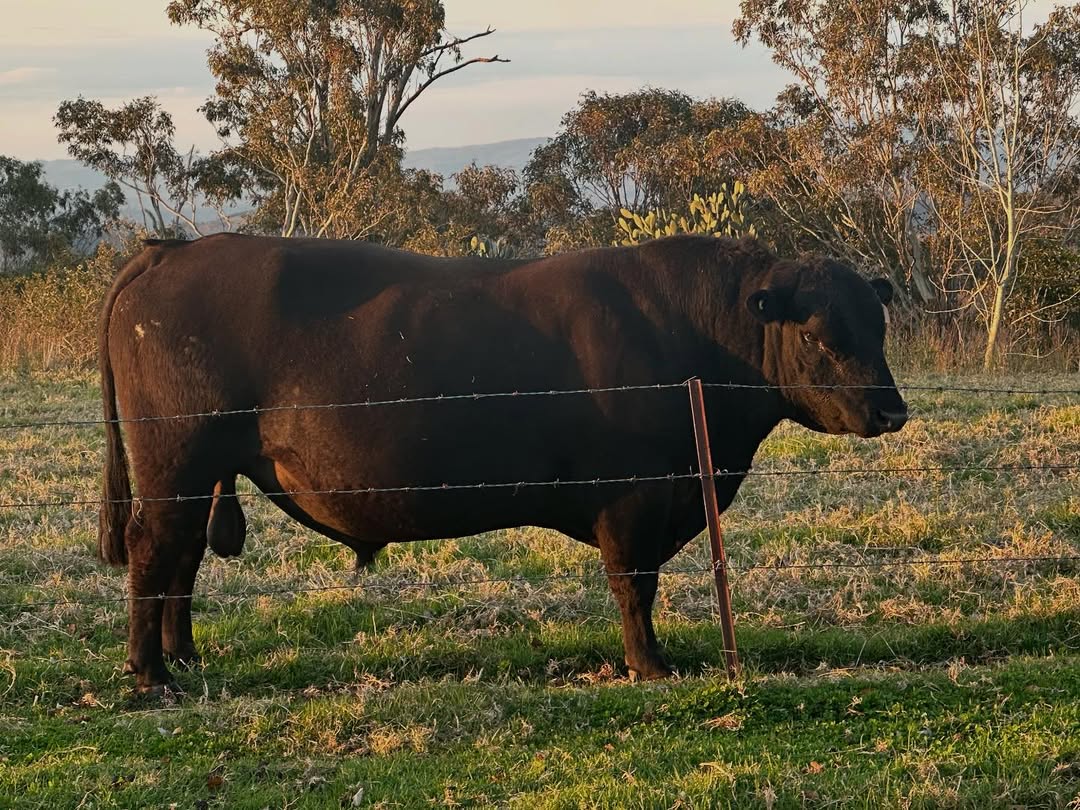
You can tell them by a solid black or red coat, while their udder can be white, which helps categorize distinct breeds such as the American Angus and the Red Angus. Also, they are polled and produce a medium frame.
They have a compact, low-set body, produce fine-quality flesh, and have a high dressing percentage. These cattle are beef-producing champions, which yield 880 to 1212 lbs of carcass.
They are known for their top-tier steaks and luxurious marbling, which features thin streaks of fat running through the meat.
Pros:
These cattle are really hardy and can thrive in various conditions, from hot, dry Texas to Scottish winters that often include harsh conditions with snowfall and storms.
They also provide quality beef with high carcass grade and natural marbling.
They are also known for early maturity (they mature earlier than Hereford or North Devon), easy calving, high fertility rates, and longevity.
Cons:
Their gestation period is shorter than average, which may decrease milk quantity. Also, they may struggle to thrive in a hot climate without access to water and other facilities.
2. Hereford Cattle
This British breed of cattle hails from Herefordshire in the West Midlands of England. They were noted as early as the seventeenth century and arrived in the United States in 1817.
Hereford stands with a dark red to red-yellow coat. You can tell these cattle by their white faces, crests, dewlaps, and underlines. Also, you can witness their white flanks and white markings that run below the knees and hocks.
Though the North American and British breeds have polled breeds (Polled Hereford), a few cattle also grow short and thick horns that curve downward at the head side.
While nature bulls weigh 2000-2500 lbs, mature cows get in between 1200 and 1600 lbs. Besides, the weaned calves and young steers weigh around 600 lbs.
This is much less than those same breeds weighed in the nineteenth century, around 3000-3900 lbs.
Pros:
When it comes to beef production, Herefords are known for producing high-yield carcasses, fine-textured beef, and steaks with consistent tenderness and full-bodied taste.
They also mature early and fatten easily.
Besides, they live longer and make decent dual-purpose breed (good milkers, and good mothers). As they are docile and easy calvers, beginners can handle and care for them very well.
While bulls can be fertile up to 12 years, elderly cows can be productive at the age of 15 years.
They do well in both pasture and range and thrive in various climates.
Cons:
They may suffer genetic problems, and I have seen dwarfism in Herefords.
3. Charolais Cattle
Originating in France, Charolais cattle grew in popularity in the 16th and 17th centuries and were popular in domestic markets.
They are large-framed beef cattle with a muscular build and a very deep and broad body.
You can also tell them by their white or milk-colored coat, pink muzzle, and pale hooves. But there are a few that appear in black and red in color, too.
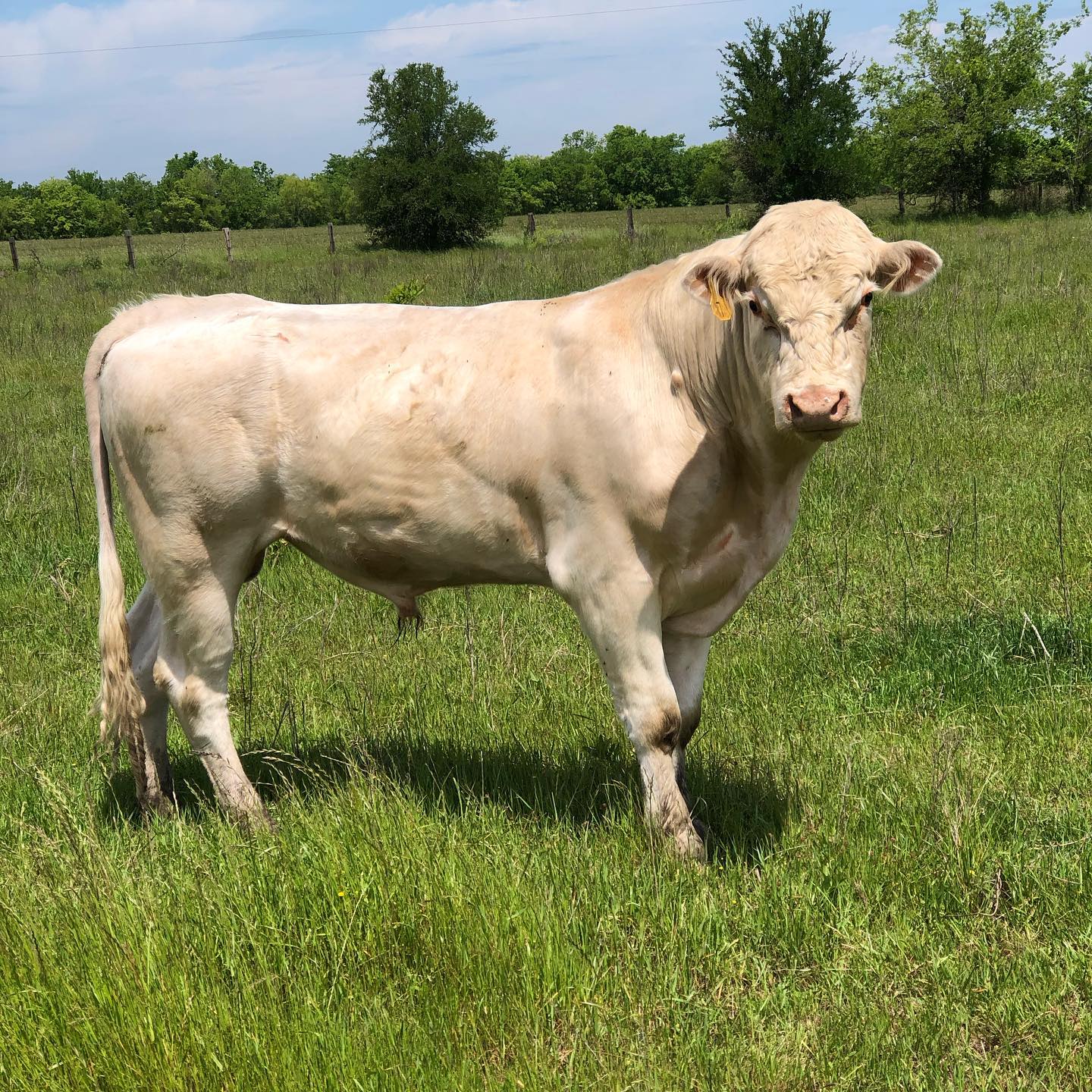
Besides, this beef cattle breed boasts a short, wide head and heavily muscled loins and haunches.
These giant cattle are among the heaviest breeds, with mature bulls weighing 2200-3600 lbs and cows weighing 1500-2600 lbs.
Pros:
Charolais are taurine beef cattle and provide lean, tender, and flavorful beef. Their meat is lower in fat and marbling than that of some other breeds. But people love their firm and clean steak.
They have good growth potential and a high feed-to-beef ratio (feed-to-weight conversion), making them suitable for all-purpose crossbreeding.
They are easy to calve and survive in various climates and feed types.
Cons:
They can be aggressive and unpredictable sometimes.
4. Simmental Cattle
The origin of Simmental cattle dates back to the Middle Ages in the valley of the Simme River, Switzerland. They were introduced to the United States in the late 19th century.
This breed is a result of crossing large German cattle with a smaller native Swiss breed. It is one of the oldest beef cattle breeds and is widely available worldwide.
While Simmental cattle have different names, ie, Fleckvieh in Austria and Pie Rouge in France.
They range from gold to red with a white head and a white band on the shoulders. But American Simmentals are in black or red, and lighter colored are Fleckvieh.
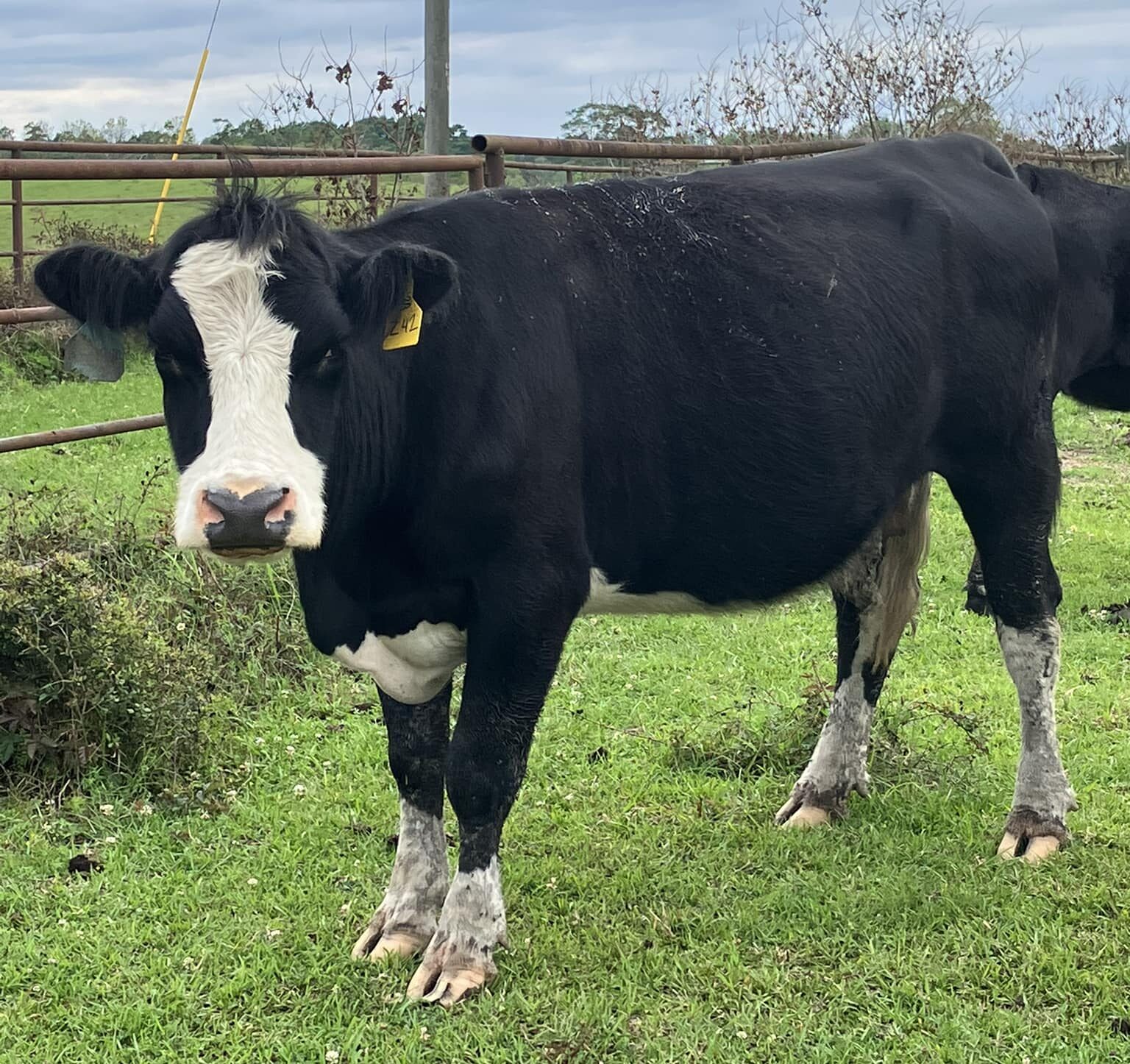
Also, they can be either horned or polled. If horned, you can see the horns curved up.
Besides, they appear heavily muscled, fine-lined, and well conformed with a heavy dewlap. You can expect mature bulls weighing 2200–2860 lbs and cows at 1540–2000 lbs.
Their large body frame produces a lot of solid red meat with minimal waste fat, making it perfect for marbling. They are all suitable for grilling, pan-searing, or broiling.
Pros:
Simmental cattle are a dual-purpose breed appreciated for their heavily marbled meat and rich, buttery-flavored milk.
They have rapid growth and very good feed conversion rates, which is great for beef-producing cattle. Also, they can adapt to different environments and make excellent hardy, breeding animals.
Besides, cattle are docile, easy to care for, and have a high fertility rate, easy calving, making good mothers.
Cons:
Livestock are expensive, and their size can sometimes trouble beginners. Also, they are prone to mastitis.
5. Limousin Cattle
Limousin cattle are native to the West of the Massif Central between Central and South West France, especially the regions of Limousin and Marche.
They are large, fine-boned, strong-boned animals with a small, short head, broad forehead, short neck, and broad muzzle.
You can tell them by their coats, which are golden-red and a lighter shade under the belly. Their skin is pigmentation-free.
At the calf, they are light fawn or brown, and they turn to a deep black at maturity. You can witness black cattle with fully black coats, tinged with brown hairs.
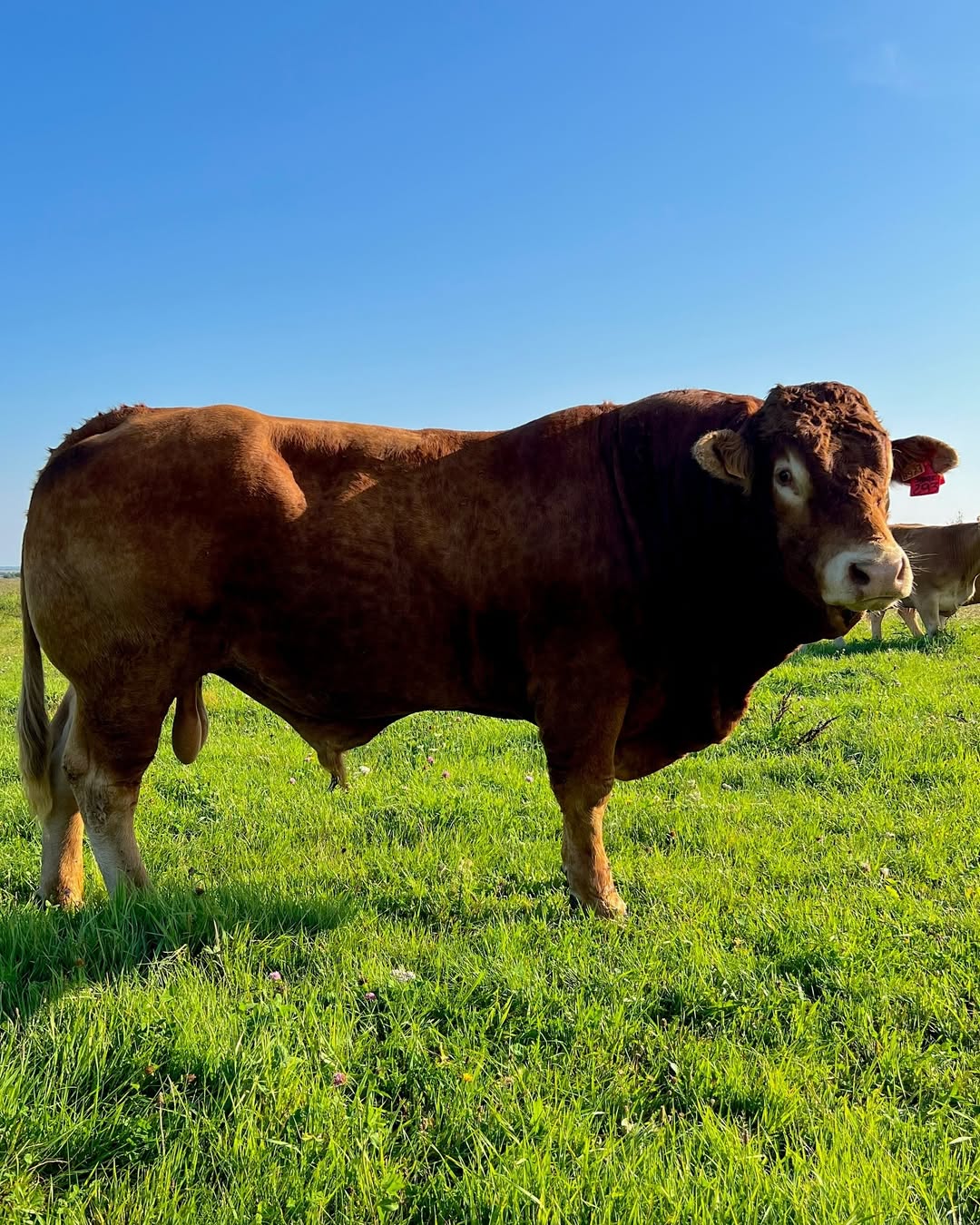
They also have horns, which are yellow at the base and run dark to the tips. They are horizontal first and then curve upward and forward.
Anyway, Limousins are large cattle, with bulls weighing 2200 lbs and cows getting around 1430 lbs. They produce lean, heavily muscled carcasses with excellent meat-to-bone ratios and dressing percentages.
Their beef retains moisture and a refined taste and flavor.
Pros:
Limousin cattle are known for high dressing percentage (carcass-to-live weight ratio), high yield (meat-to-carcass ratio), and excellent feed conversion rate, making them excellent beef cattle.
They also have low birth weights, which ensures ease of calving. Also, they are hardy and adapt to various climates.
They are good at crossbreeding with breeds including Angus, Hereford, and Shorthorn to contribute hybrid vigor and excel in yield and feed efficiency.
Cons:
They have some disposition issues, which breeders are constantly working on.
Final Thoughts
While there are more than 250 beef cattle breeds worldwide, you can find 60 breeds in the United States.
I find Hereford bulls have hybrid vigor in crossing, and the ability to muscle, marble, and be docile, while Charolais dams are known for good maternal traits in calving, milking, and rebreeding.
Make sure to allow a spring calf with extra time to grow, as a fall calf loses the summer growth.






Leave a Reply