
I love watching geese for hours until the gander matures in my backyard. They also make great table birds for dinner for the whole family.
On my homestead, these birds come out of their pen, spend the whole day grazing the pasture, and wait outside their pen for me to bring treats in the evening.
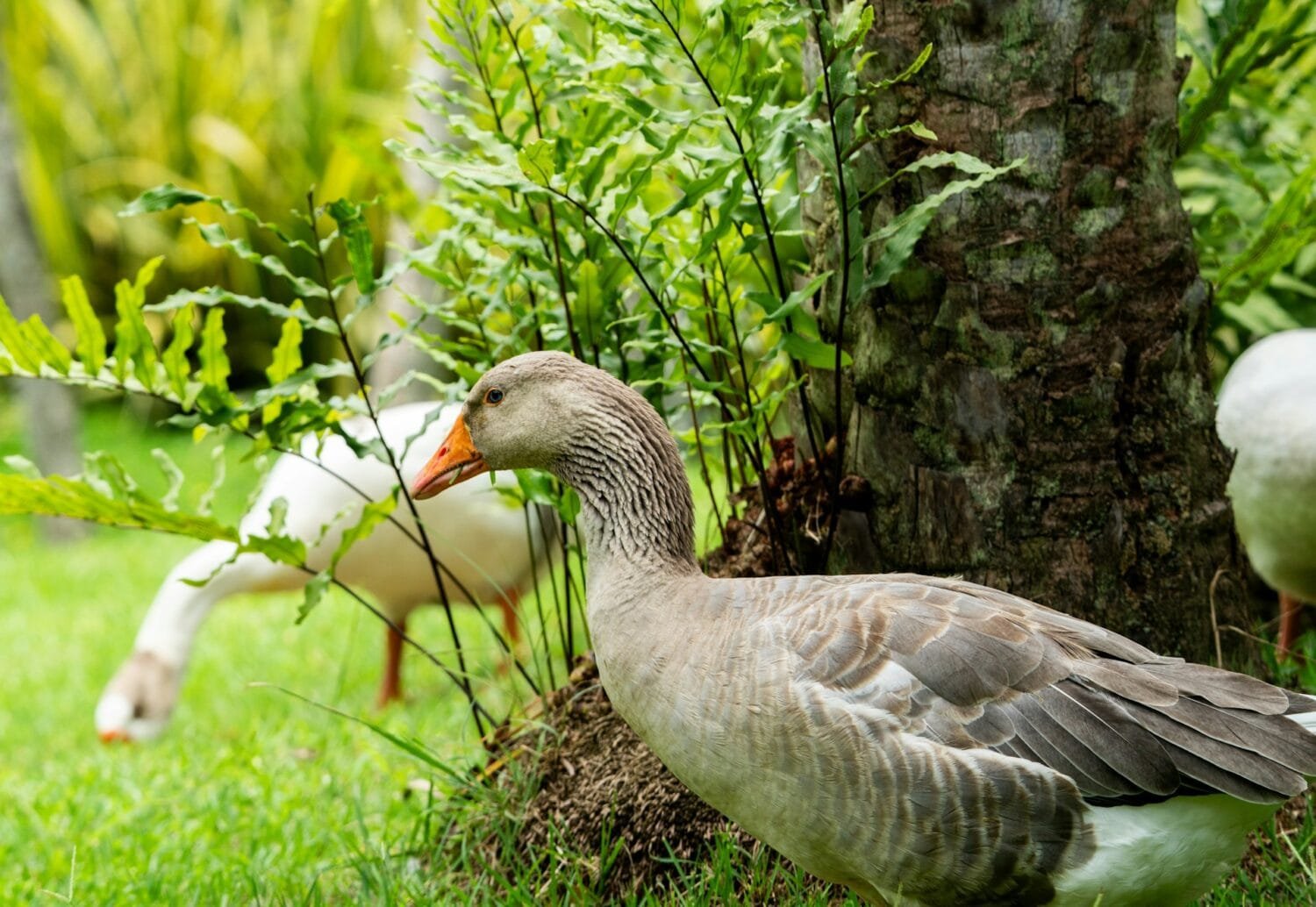
If you plan on raising geese this year, make sure you have a backyard with a pond (if possible). I will have something to tell serious keepers in this blog.
Start With a Small Flock
Small flock, I mean 2-4 geese.
And take another angle. You probably want to know that a single goose, if you add one every other week, produces around 26 geese each year. A pair of geese produces about 8 goslings each year.
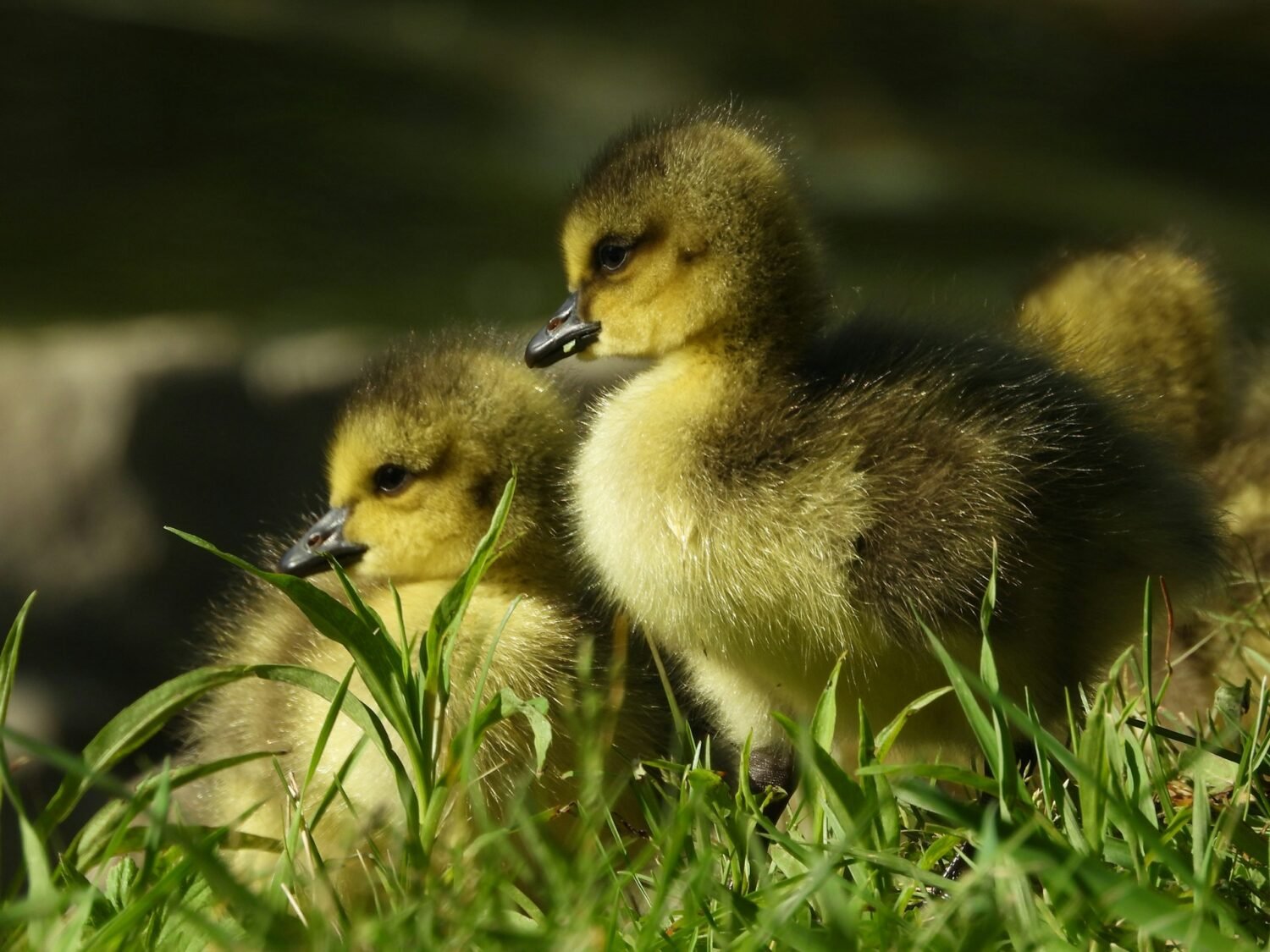
Be patient, since raising these fowl takes almost a full year. So, you may need 3-4 pairs to be sustainable for meat on your homestead.
That’s the math.
Start with goslings instead of adult birds. I have raised Pilgrims and Chinese, but you can choose other breeds.
I like geese for the following reasons:
Cute Companions
Geese are adorable large fowl with long necks, unique heads, and inflated plumage. They come in white, grey, and brown, as well as saddleback and pied.
With proper care, geese can live 10 to 25 years.
Lawn Maintenance
These large birds spend most of their time on the pasture grazing on grass and bugs. Thanks to their long necks, they work well in orchards, vineyards, and berry bushes.
Don’t worry, they are off your backyard crops.
Guardian Animals
These birds roam freely and make great watchdogs for your homestead birds. They easily work with chickens, guinea fowl, ducks, and other birds.
They alert your homestead animals with their loud calls and help keep predators away.
Housing and Space Requirements for Geese
The reason I keep geese is that they don’t make a fuss about a fancy coop or pen, and perches. They are low-maintenance birds and can stay outdoors most of the time.
But I recommend you provide them with some essentials.
Shelter Requirements
Any brooder similar to chickens’ and ducks’ would be okay for small goslings. Make sure you expand the area as they grow inside.
Provide the brooder with 90°F- 95°F for the first week and lower the indoor temperature by 5-10°F every week until it gets 70°F.
Remember, you need to adjust the height of a heat plate as your goslings grow.
Goslings can live without heat after 5-6 weeks, so you can take them to outdoor pasture. If it’s warm, you can let your birds out earlier in the morning and bring them in late in the evening.
To sleep and rest at night, you need a sturdy, well-ventilated shelter that protects your birds from wind, heavy rain, and extreme weather.
Use dry bedding such as pine shavings, peat moss, hay, and straw for young geese. And I keep straw for adult birds.
Count your birds and give them enough room for geese to sit and move without overcrowding. Each may require 5-8 square feet of floor space.
Install secure doors and fencing to keep predators out.
On hot days, you can cover the pen with a tarp or something else for shade. Or protect the shelter with a fence or wall with windproof materials such as hay bales.
Outdoor Space and Fencing
Geese are like ducks, which stay outdoors during the day. So, give them enough grazing area with room to move and forage.
I think 1 acre of pasture is enough to include 8 geese, 1 ram, 2 ewes, and 3 lambs in the spring.
Don’t worry, domestic geese don’t fly as they are too heavy.
I let my birds out of their pen in the morning. They spend the day walking over the field, grazing and foraging for grass and bugs.
In the evening, I find them outside their pen, waiting for me with a snack and bed. I herd mine down to the vegetable garden for cleanup in early spring and late fall.
One keeper can herd them to different areas without difficulty.
Make sure you keep two or more rotating grazing areas to save forage and prevent bare patches. For this, keep a 4-ft fence there.
You may find it rare for 1 or 2 birds to go over the fence. They walk over the fence and try to get back to the rest of the flock. So, you need to grab birds and toss them back over the fence.
Geese Feed
If your birds graze the same pasture every day, they may run out of forage and natural feed. Also, pasture alone can’t provide a complete diet in every season or production system.
The birds can feast on the pasture in the warm season, but you need to feed them in the cold months.
That’s why they need supplements, so you need to understand the main components of a goose’s diet.
Grass and Pasture:
Geese are true grazers that eat garden grass and flowers. They gulp various grasses and clover. Make sure it’s 3 inches high.
Besides, they also prefer hay, dandelions, garden weeds, and herbs.
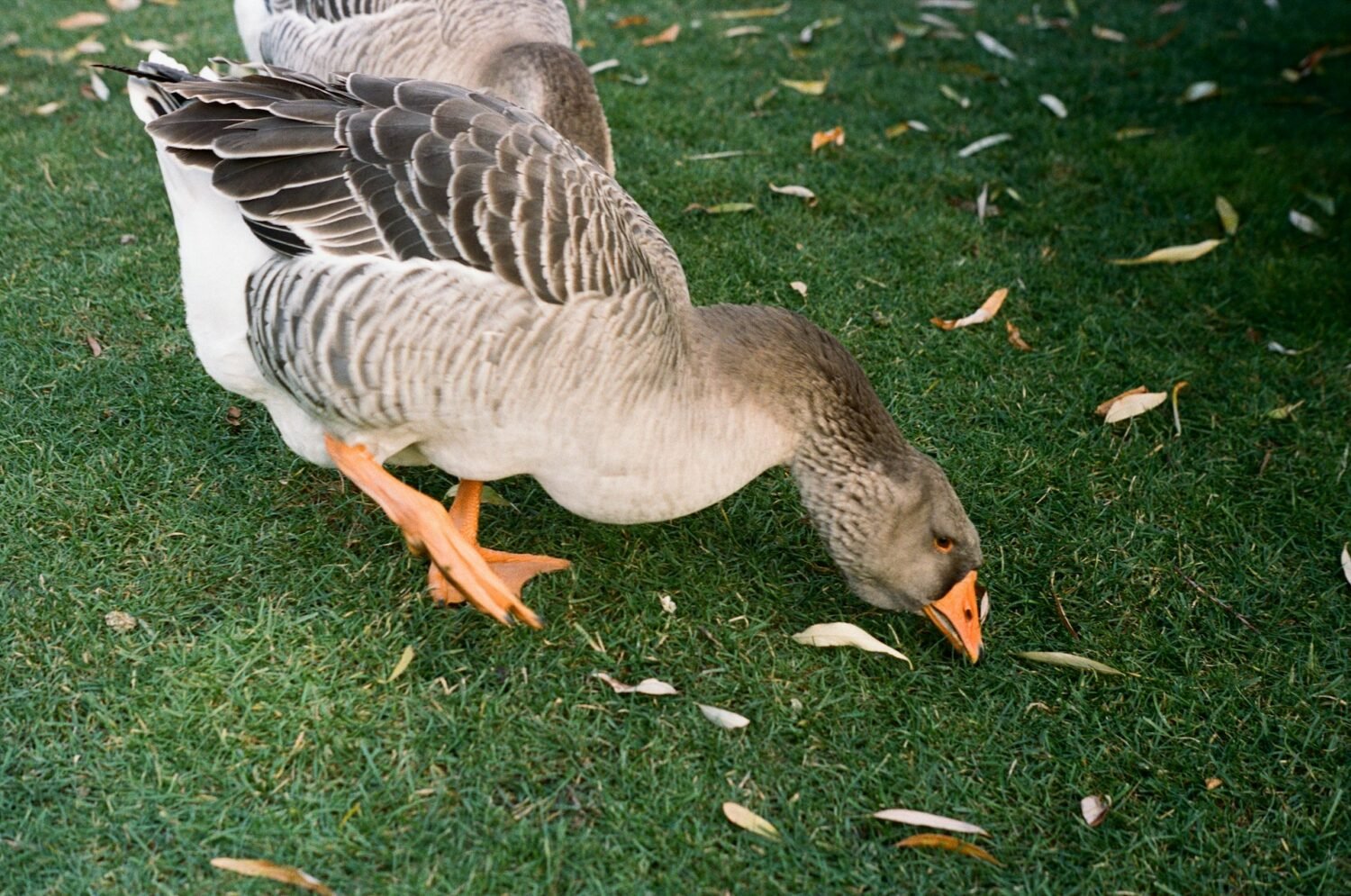
They feast on seed heads, maize, wheat, barley, and lots of beans in the field after the harvest. While not 100% herbivores, they eat 95% plant-based forage and 5% bugs, molluscs, and small fish in the natural environment.
Balanced Waterfowl Feed:
The typical goose diet includes 80% grass and 20% grains. You can give them fresh grass or dried hay and grains like oats, wheat, and corn.
They need an 18% protein diet, so if your pasture doesn’t provide it, you’ll need to add supplements.
You can feed them wheat, poultry layer pellets, and fresh greens like lettuce and cabbage. Also, cooked vegetables and food scraps occasionally.
Gosling Feed:
Give your small birds dry crumble so they can swallow it easily. They can also eat fresh grass and microgreens easily.
You can also feed them waterfowl or chick starter feed.
Fresh Drinking Water:
Water is a must for waterfowl not only to drink and digest their feed but also to clean their nostrils. Make sure you give them a waterer deep enough to immerse their bills.
Also, you can soak the whole grain in water before feeding.
If you soak the wheat overnight and check it in the morning, you’ll notice it’s swollen and soft so that birds can eat it easily.
Niacin and Grit:
As goslings grow faster, they will need niacin to develop their stronger legs. Add niacin, or brewer’s yeast, at a ratio of 3 lbs to 25 lbs of waterfowl feed.
Besides, geese require grit to help grind and digest their food. For this, you can provide sand or a mix of grit and oyster shells.
This helps birds get calcium carbonate to develop strong eggshells.
Harvest Time (Eggs & Meat)
Geese are two-legged beef cattle. They taste more like beef than poultry birds. They reach physical maturity between 1 and 2 years and take 2-3 years to breed.
You can harvest them between 8 and 16 weeks, depending on the type. By then, broiler types weigh 9 lbs and heavy types weigh 13 lbs.
Ornamental geese weigh 4 to 5 lbs, while utility breeds reach 20-30 lbs at full maturity.
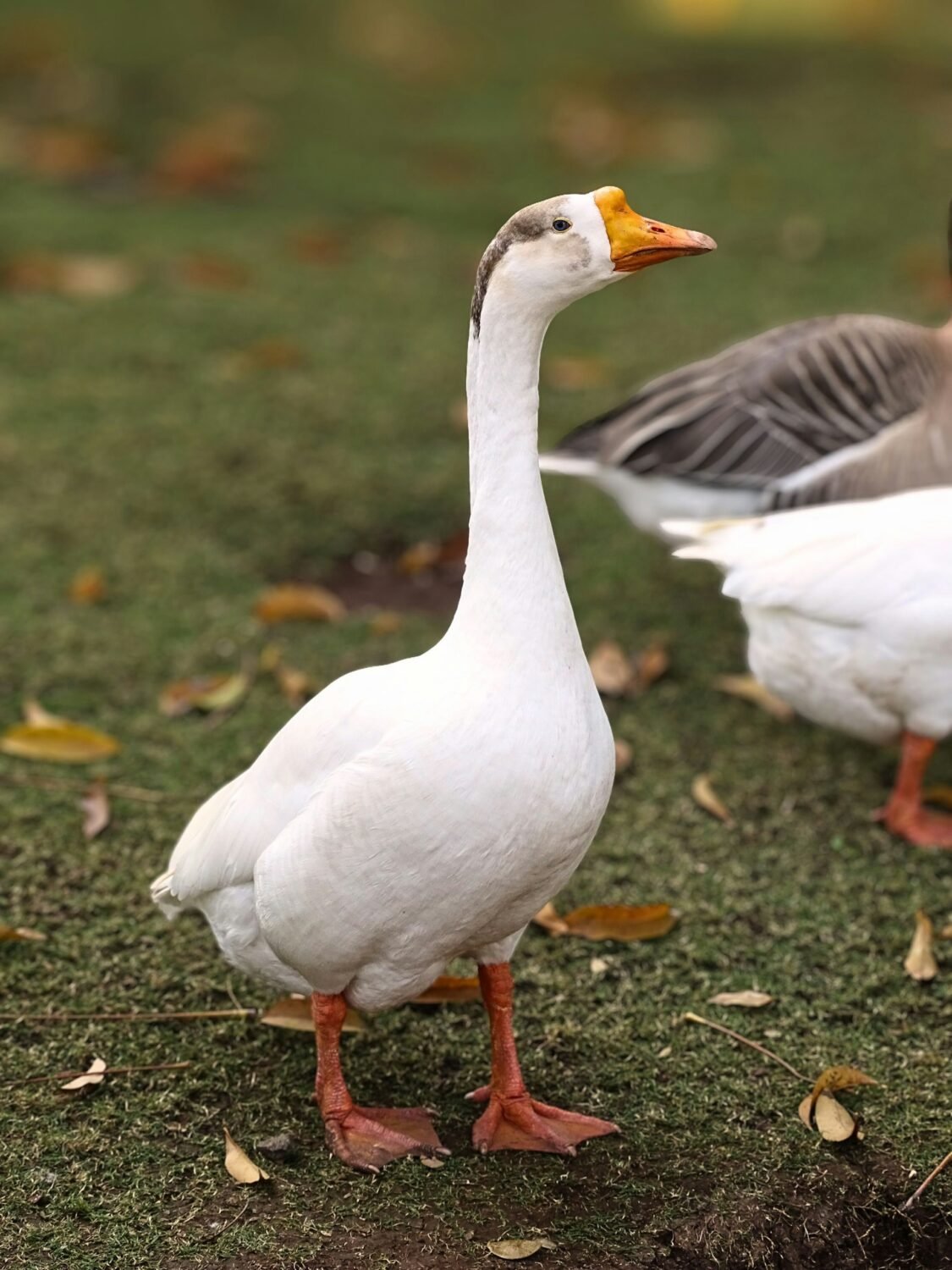
But hens start laying as soon as they are 6 to 9 months old. Chinese Geese lay 40 to 80 eggs annually, one of the highest yields.
If not, you can expect 30-50 eggs yearly from every other geese. Goose’s 1 egg equals 3-4 large chicken eggs.
They don’t lay occasionally, so expect one egg every day in early spring for about a month, then they stop completely for the rest of the year.
If you need eggs year-round, I recommend keeping chickens or ducks.
You can also hatch goose eggs in an incubator. I find about a 33% hatch rate in them.
Final Thoughts
I find geese really good livestock for beginners who don’t want much experimentation with care requirements. But you need to feed these birds properly, as they can develop brittle bones in nutrient deficiency.
I often house my geese at some distance from chickens and find no issues there.
While they are likely to make moisture and wetness around them, they aren’t as messy as ducks at the waterer. But they aren’t as clean as chickens either.


Leave a Reply