
After successfully receiving the kids from old mama doe, I had another goat which was going to be a first-time mom. And at her first kidding, she gave birth to twins.
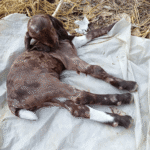
She got a white girl with some black spots in the first place, and then a baby boy that was all maroon. To my surprise, she started ignoring the doeling and only fed the buckling.
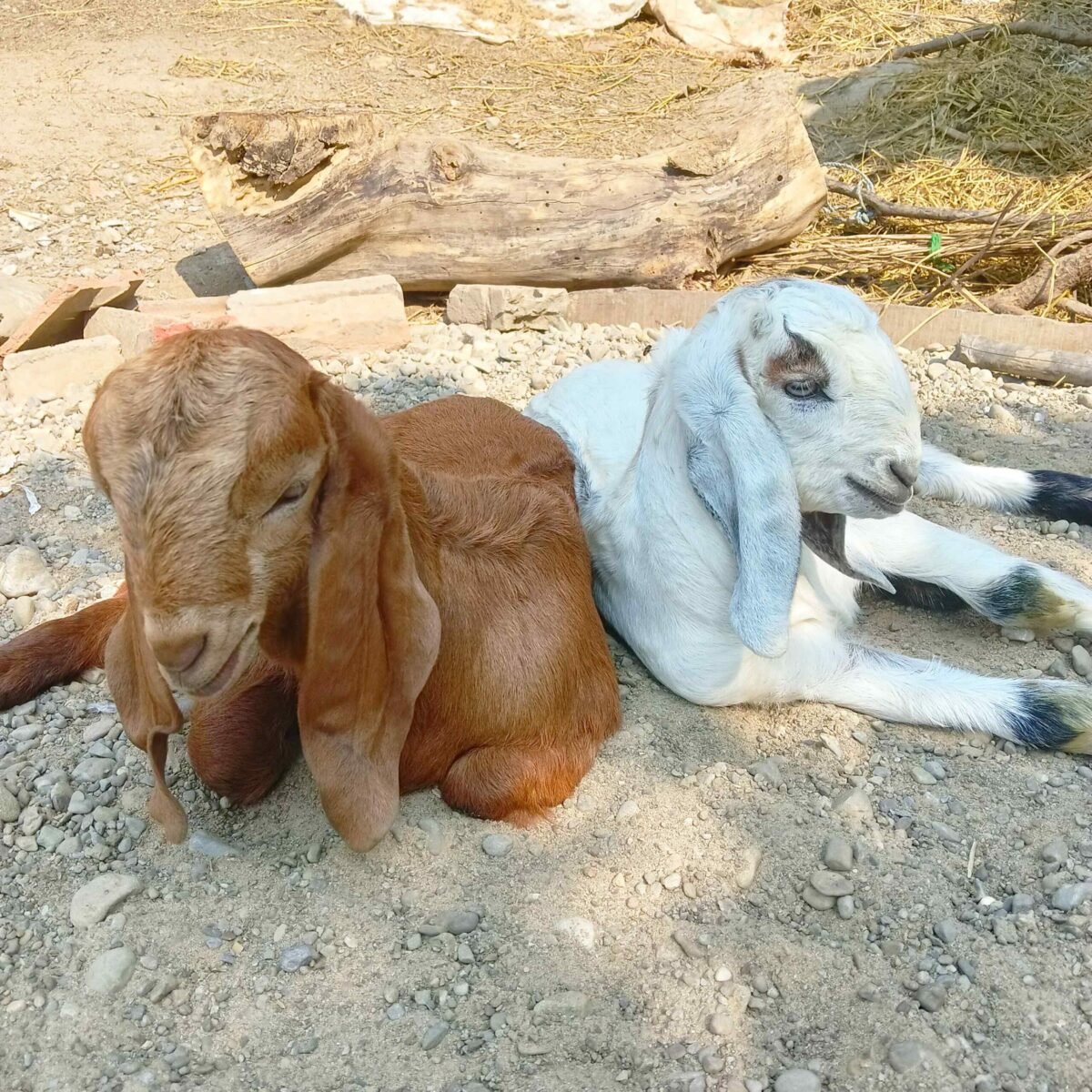
Whenever that girl went near mama, the goat pushed her away and walked over her as soon as the kid approached her for milk.
But I successfully handled the situation without bottle-feeding her. If you’re experiencing this condition, read this story.
Why Do Mother Goats Reject Their Babies?
1. First-Time Mothers Often Get Confused
Goats recognize their kids by licking. As soon as the baby is born, she starts licking the kid for a while, keeping it clean and dry.
But bad moms are not interested in cleaning their newborns.
Another way they can identify their kids is by their looks and sounds within an hour of birth.
However, young does might face difficulty in developing mothering instincts towards their kids. Also, the nervousness after labor may cause temporary rejection of their own babies.
2. Stress During or After Kidding
The gestation period in goats lasts 140-150 days, about 5 months. When the date finally comes, does go through labor and pain.
But if there are loud noises during kidding, mama cannot recognize their kids.
Also, too much human interference can cause goats to verify their kids. Moving kids from here and there or separating mothers and kids are some reasons.
The stress develops in does if there are dogs or predators nearby. And difficult births always make the doe suffer loss of bond with their babies.
3. Weak or Sick Kids
It’s natural for animals that they prefer healthy babies, and some moms avoid weak babies.
If you notice, kids with problems standing or nursing may find it difficult to bond with their mothers.
Or deformation, smaller size, or health issues can also bother does to accept.
4. Goat Rejecting One Twin
If you does have multiple kids or at least twins at a single birth, she may focus on the stronger twin.
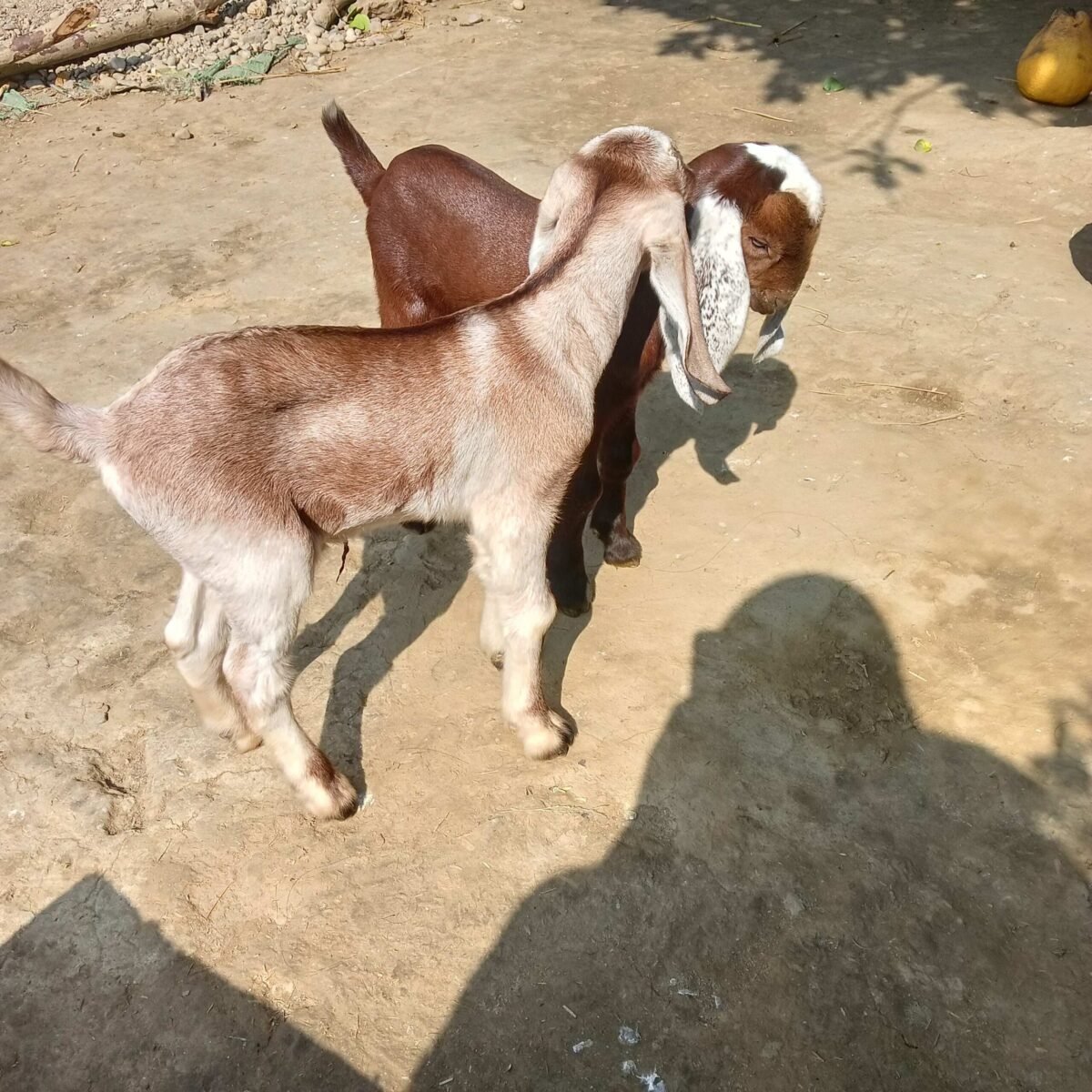
The first time mother has smaller milk packets and a limited milk supply, so she might feel the need to save it for the best one to feed.
New moms can get exhausted after labor and sometimes have difficulty recognizing both kids.
5. Health Problems in the Doe
You can often witness mastitis in goats, an inflammation of the mammary glands. Pain after delivery, fever, and other health issues after kidding can cause pain for the doe to identify their kids.
This leads her to avoid her kids.
Besides, underfeeding during the second half of pregnancy reduces goats’ ability to identify their own offspring. As a keeper, you need to know what to feed your goats.
So, you need to provide pregnant does with proper nutrition to help develop the best mothering instincts.
Signs of Mom Goat Rejecting Baby
Common Signs of Rejection
- Mom goat walks away from the baby kid. Whenever a kid approaches her, she moves without
- She refuses to let the kid nurse. She doesn’t lick her kid.
- The goat may kick at the kid.
- Head butts or does push the baby away. And sometimes it’s painful for newborn kids to come into contact with horns.
- The mom ignores a crying kid alone.
- She would separate the particular kid from the newborn.
- The mother goat only cares for one twin. Possibly, the secondborn.
- The ignored baby appears weak or cold.
Momma Goat Not Feeding Baby
The ignored kid has an empty belly and keeps crying constantly next to the doe or siblings.
The newborns have only two things: to take milk multiple times and sleep for hours. But when a kid is hungry and doesn’t sleep well, they become weak and wobbly.
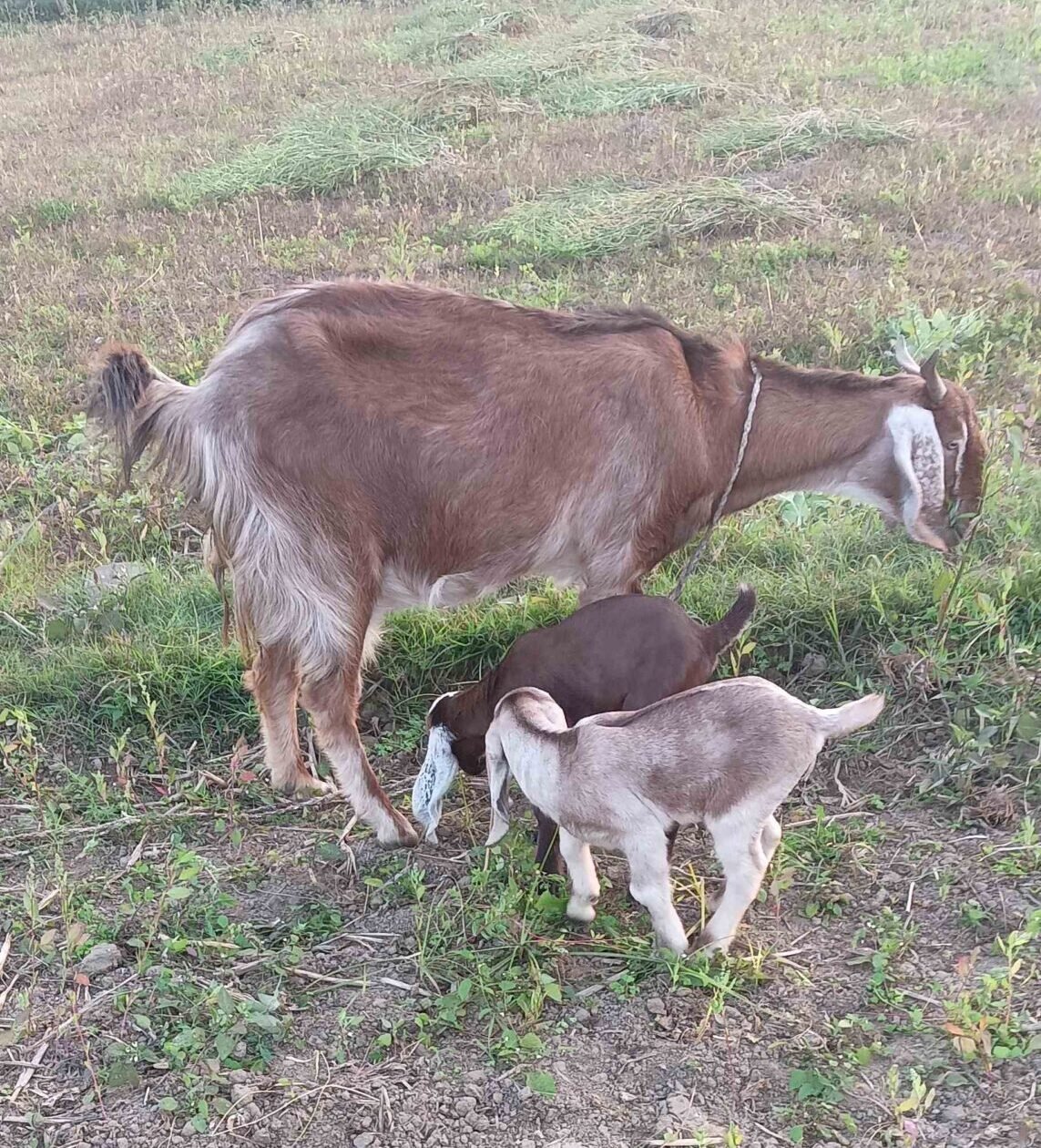
You can see the kid’s sunken sides.
Though the kid constantly searches for milk, the mother goat ignores.
Mama Goat Head Butting Baby
Light nudging is normal, but aggressive, repeated head-butting can be an alarming sign.
The ignored kid is already weak and requires safeguarding through intervention if the doe is hitting it with her horns.
It’s an emergency if the kid hasn’t nursed in the past 2 hours.
Make sure the kid is not cold. Also, if it cannot stand, take immediate action.
What to Do Immediately When a Goat Rejects Her Baby
Step 1: Make Sure the Baby Gets Colostrum
Colostrum is critical for kids in the first few hours. It’s the first drop of milk that is filled with antibodies to guard newborn babies from intestinal, respiratory, and other diseases.
Use mom goat milk if possible, and keep frozen colostrum as a backup.
Also, arrange goat colostrum replacer if necessary.
Step 2: Warm the Kid
Take a dry towel and handle the kid in it. Place the baby goats under the warm sun (not the scorching one).
If it’s cold outside, install the heat lamp for the newborn with safety.
You can also find the warming box in the market for lambs or kids. But avoid overheating the kid goats.
Step 3: Help the Kid Nurse
The mother goat does not allow the ignored to approach her. So, you need to hold the doe gently so that she cannot move away.
Then, milk a little out first before the kids feed on it.
Now, guide the kid to reach the teat. You can keep the doe’s head up so she cannot see which kid is near her.
Repeat this every few hours so that all kids can get an equal portion of milk.
Step 4: Separate Aggressive Does if Needed
It’s difficult to keep kids away from mom goats, as good moms want their babies near them at all times and go vocal when the kids go off playing, even from a distance.
But it cannot be a privilege for ignored kids. To prevent injury, keep the hostile doe and the ignored kid apart.
Later, you can use a small bonding pen and supervise their interactions.
Step 5: Start Bottle Feeding if Necessary
If the doe refuses to feed the kid at any cost, you have only one option: to give the baby a bottle feeding.
Milk the goat first, fill the bottle, and store a few in the refrigerator for later. But you also need to consider the feed for other kids and milk production.
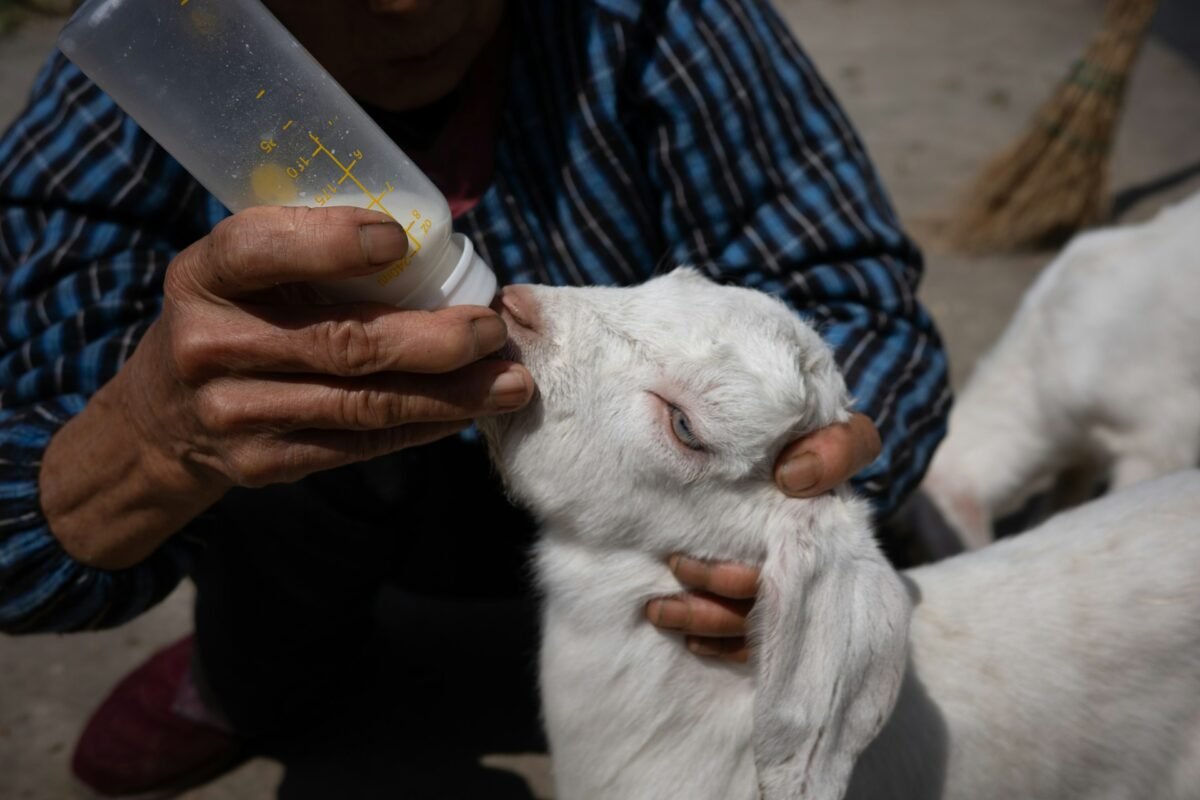
If the first-time mom has less milk, you need to feed the goat cow’s milk, but again, it is a temporary solution.
Kids need only goat milk. So, either you need to depend on other does or find a goat milk replacer.
How to Get a Mother Goat to Accept Her Kid
1. Use a Small Bonding Pen
To facilitate the bond between the mom doe and the kid, you need to separate them from the rest of the herd.
So, you will want to keep these close together in the pen, which needs to be a small space. This limits avoidance behavior and encourages bonding.
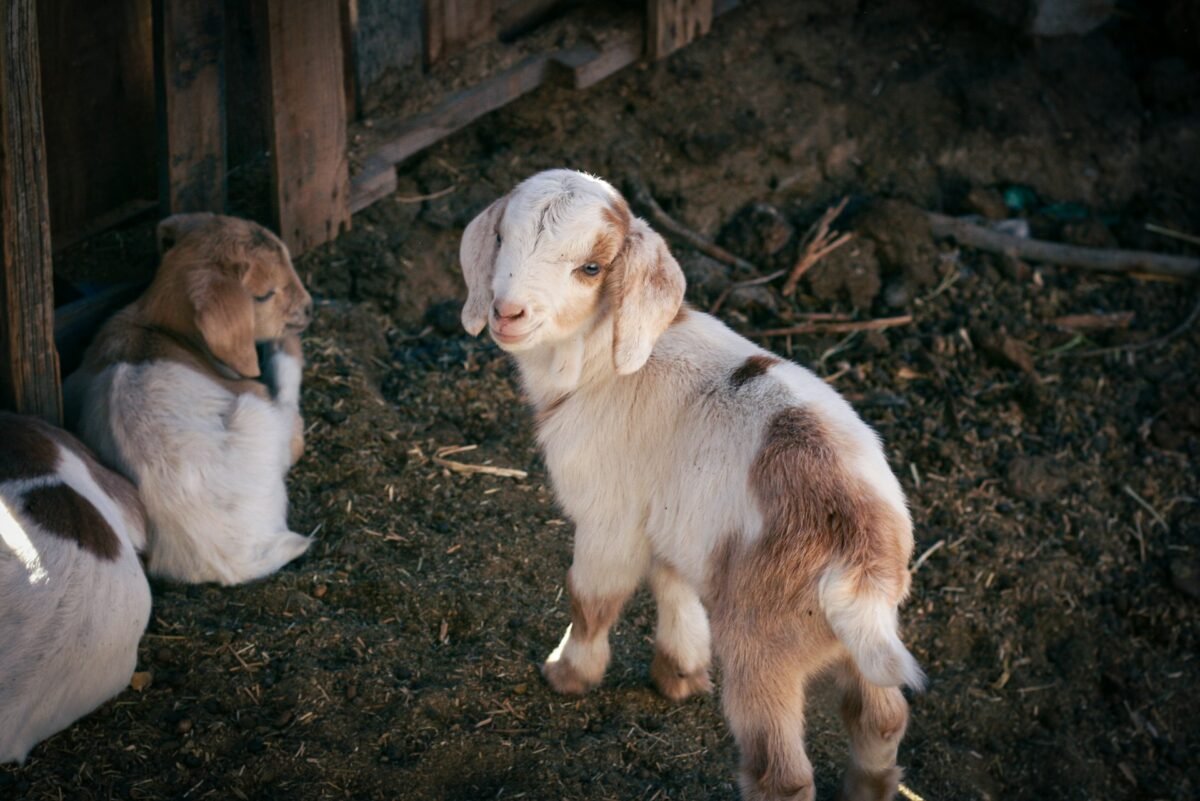
Sometimes, new mom goats may take a day or two to settle into their motherhood.
When the doe is stimulated with oxytocin, a hormone that triggers maternal instinct, she feels love for her kids.
2. Hold the Doe During Nursing
A milk stand is very helpful when the mother doe refuses to feed the kid. So, you put the goat on the stand and assist the kids in nursing safely.
To distract the doe, you can offer grain, treats, or a favorite snack during this time.
Make sure you prevent kicking or pulling.
If you lack a milk stand, you may need two people to hold the doe.
To make it more effective and stronger bonding, you need to repeat this session every 2-4 hours throughout the day.
The short, frequent nursing sessions help establish the bond between mother and kid faster.
3. Rub Birth Fluids or Milk on the Kid
Do you know that a mother doe can recognize their kids by their scent?
So, you can rub birth fluids on milk on the kids so that the doe can smell her own scent on the ignored kids and accept them.
This is very helpful with twins.
Besides, you will want to rub a clean towel all over the body of the doe. I suggest you rub her udder, flanks, neck, and sides.
But make sure the towel has no fragrance or perfume beforehand, so the goats can’t mistake their own scent.
Then rub the same towel all over the kids immediately.
4. Keep Stress Low
Goats are also very sensitive to human interaction. So, you must be calm and as predictable as possible when handling the kid and the mother doe.
You can follow the same routine for each session, such as feeding and handling the goats and providing supervised nursing.
Keep your voice lower and slow your movements to create a quiet environment.
Allow only a limited number of visitors to reduce chaos in the barn.
The less stress the doe and kid feel, the faster and more natural the bond they rebuild.
5. Try Supervised Reintroductions
If the mother goat still shows hostile behavior after nursing, you may want to separate the kid for a while (1-2 hours) and return it for the next nursing session.
You can use a dog crate for this.
Keep a little space, repeat sessions, and hold positive reintroductions.
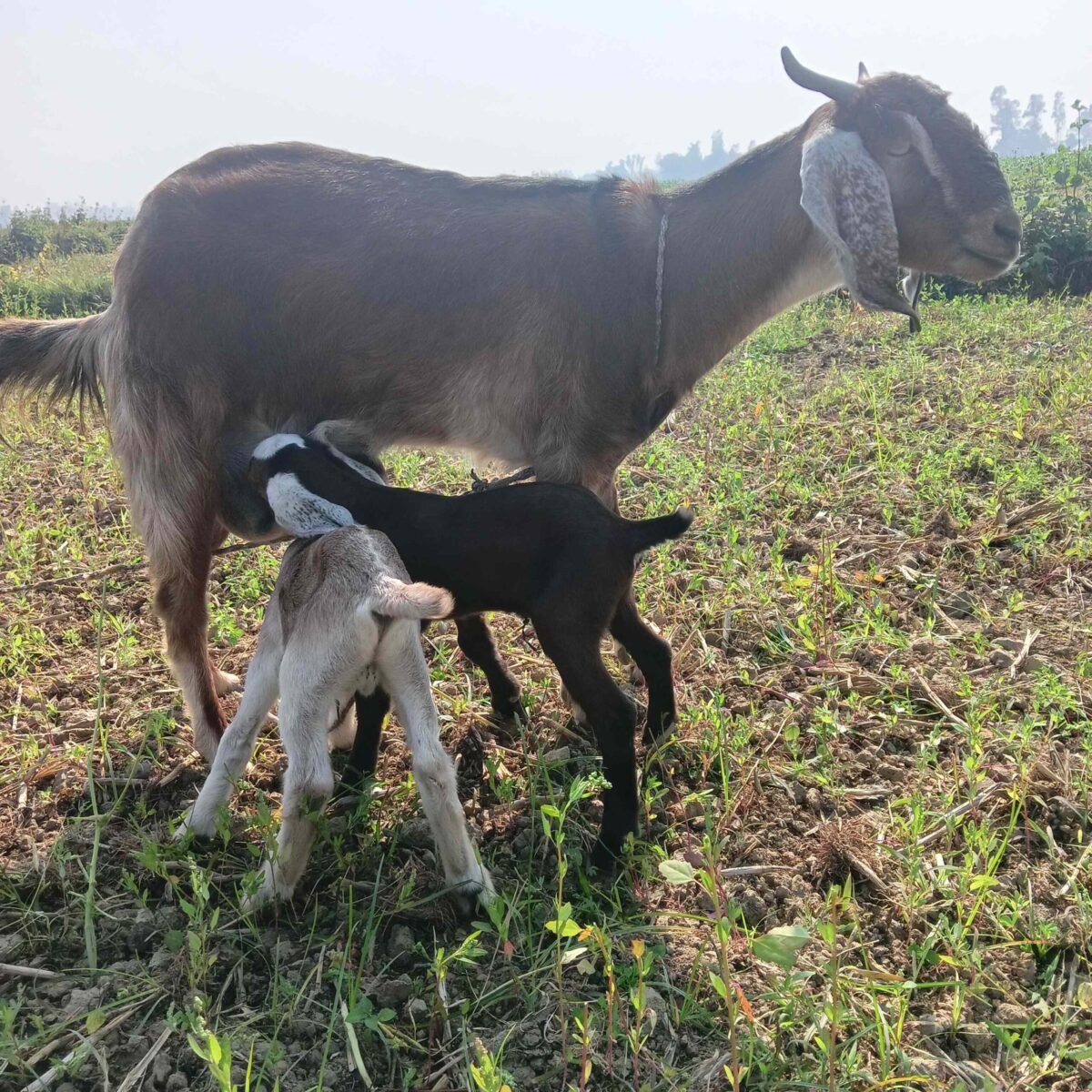
Some does take 1-3 days to accept their kids. So, you need to watch the doe mother’s body language closely.
Final Thoughts
The result was rewarding after all this effort. After rejecting for a few days, the mother goat allowed the doeling sitting next to her, along with another twin.
First, buckling had to initiate nursing, and then, only the little girl would join him.
Later, both kids happily fed on milk, and the mamma goat was all there, standing without complaint.




Leave a Reply