
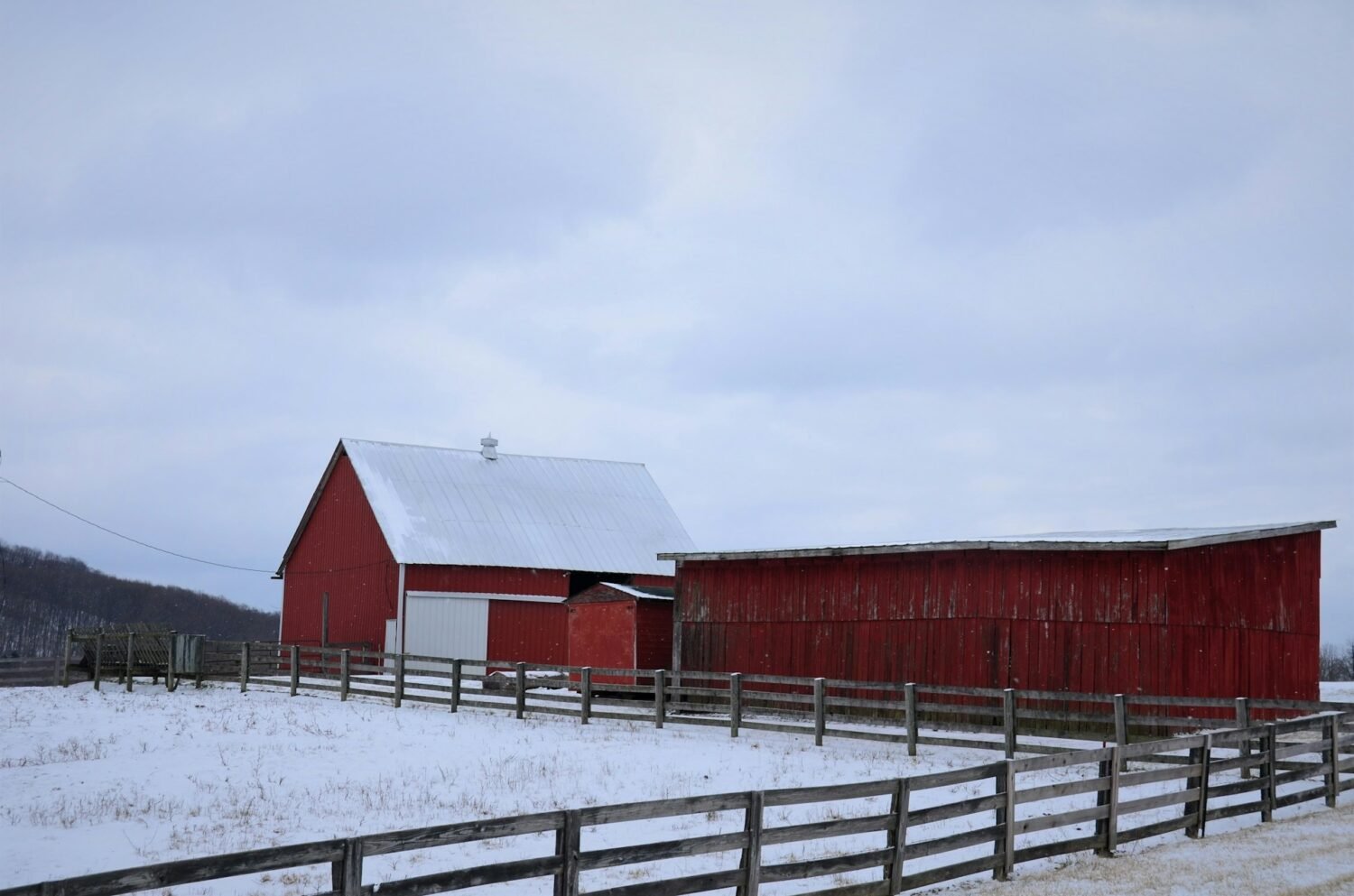
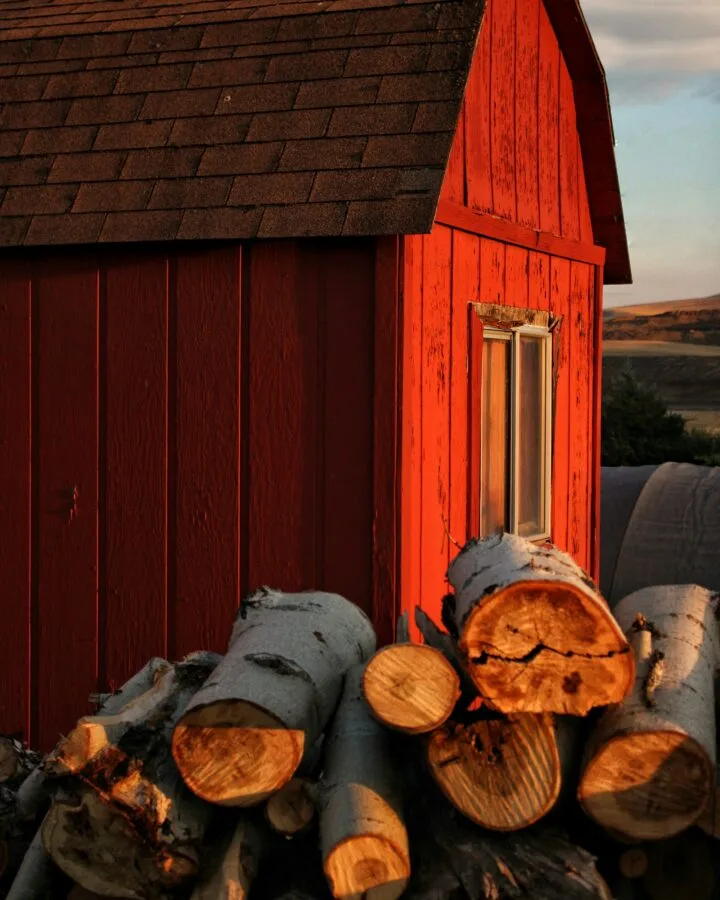
I can see my barn house with a snow-capped roof, but the animals inside are relaxing in winter. No pasture, frozen water, and cold weather restrict livestock access to the outdoors.
So your jobs don’t decrease; they pile up during winter.
But don’t worry. I have found the best ways to keep your barn warm and raise your animals in winter successfully.
1. Insulate the Barn Walls and Ceiling
You can use materials such as fibreglass batts, rigid foam boards, and mineral wool. A layer of straw or hay on the walls can also give extra insulation.
I recommend you focus on adding insulation to the places where drafts often sneak in. Windows, doors, and the ceiling.
The ceiling or roof is the area where warm air rises. Also, consider the area where your livestock spend most of their time.
Your job is not done yet. You must cover insulation properly to prevent livestock from chewing it or accessing and damaging it.
2. Seal Unnecessary Drafts and Air Leaks
Inspect gaps around doors, windows, wall joints, and damaged siding where cold air or drafts enter.
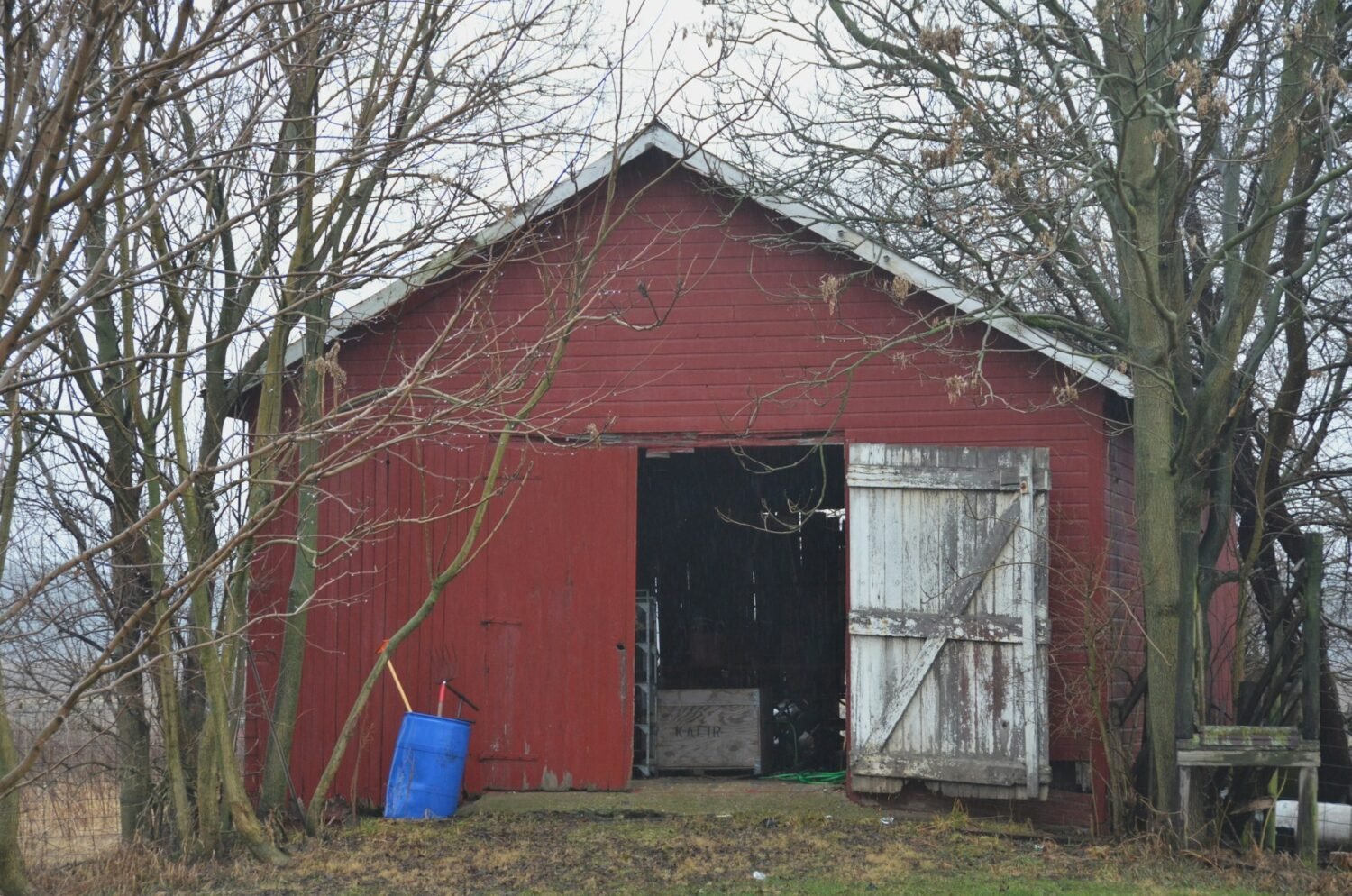
You can also search for cracks, leaks, and holes in the barn before the winter hits or on a windy day.
Patch or fill the gaps and cracks using weatherstripping, caulking, and door sweeps, and repair damaged boards.
I recommend you use heavy-duty transparent plastic coverings, which help reduce heat loss. This also lets in natural light.
For this, south-facing windows are best.
I don’t mean to seal your barn completely. There, you need to understand the difference between harmful drafts at the animal level and necessary ventilation.
3. Use Deep Bedding to Provide Natural Warmth
The floor is already chilling and requires proper, thick bedding. Materials include straw, pine shavings, shredded paper, corn stalks, and others.
I will tell you a method where you don’t need to clean bedding frequently; it’s called deep bedding or deep litter.
This is great for homestead birds such as chickens, ducks, and quads, and small livestock like pigs and goats in the barn.
For this, add a thick layer (4-6 inches) of bedding. When the top layer is covered with manure, toss a fresh, thin layer weekly or as needed.
I recommend you add dry bedding to high-traffic and resting areas. This helps reduce ammonia buildup in the barn and respiratory problems.
When spring arrives, you can shovel out the thick, multi-layer manure-mixed bedding. You can also do this every 6 months or after a year.
4. Maintain Proper Ventilation Without Losing Too Much Heat
Though it’s freezing weather, you should not close the vents in winter.
Moisture builds up in the enclosed space when livestock spend all their time breathing. Their manure and wet bedding add to it, too.
This increases the risks of condensation, ammonia buildup, mold, and respiratory problems in the barn.
So, high-level vents are great. If they are properly positioned, warm, moist air goes out while reducing direct drafts.
You can also install adjustable vents or louvers. Make sure these vents maintain the airflow above the livestock level.
Keep your stable area about 45℉ to 50℉ during the winter.
5. Use Safe Heating Solutions When Necessary
Even in a properly insulated barn, your livestock may need additional heat. For example, young, sick, or recovering animals.
Some heating solutions include properly installed radiant heaters, heat lamps, or other livestock-safe heating equipment.
If you have already had one, inspect, clean, or replace filters. And look for any signs of damage and fix them before the winter arrives.
Make sure you keep these heat devices away from bedding, hay, straw, and wooden structures.
Also, place the heater in an area prepped with stone or cement to keep the fire from spreading.
Watch out for unsafe extension cords, exposed wiring attached to the power supplies, and unvented fuel-burning heaters.
Don’t use it for all animals at absolute last resort. This is only for livestock that need additional warmth when necessary.
6. Reduce Unnecessary Space Inside the Barn
Oversized barns can cost warmth indoors, so it’s better to create smaller, properly sized livestock spaces using safe, well-managed interior partitions.
These partitions help reduce and prevent exposure to cold drafts and help manage individual four-legged animals in winter.
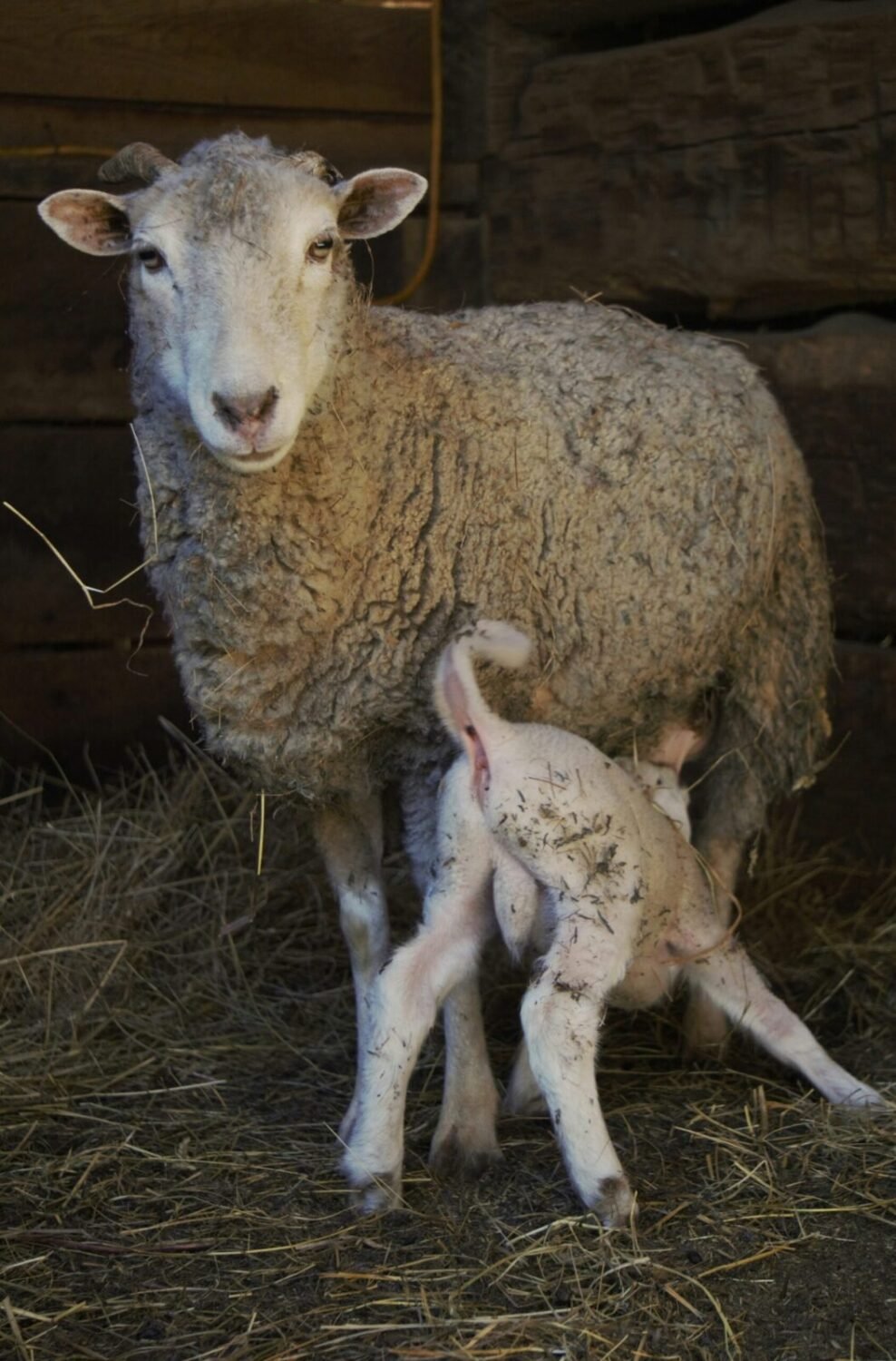
But you should allow adequate space for airflow and for animals to move and relax.
Animals in a limited space generate some heat, but don’t overcrowd your livestock.
7. Keep the Barn Dry With Regular Winter Maintenance
Check gutters, downspouts, roofs, doors, and windows for leaks. Winter snowstorms and rain can wet the barn, making it colder.
Also, remove wet bedding, clean livestock manure, and prevent water spills from waterers and troughs.
Since ducks also need a water pool to clean themselves in winter, you can take them out and keep your duck pond from freezing.
Always inspect the water pipes and drinkers to stop leaks and freezing water. Drain the waterer once the livestock finish drinking to prevent it from freezing.
8. Stock up on Feed
In the summer, livestock forage on pasture outdoors, which saves a lot of money.
But you need to feed your animals indoors in the cold months. So, you have to store hay, grains, pellets, and other feed.
Also, the feeding schedule changes when winter arrives. Livestock need additional calories to stay warm.
So, adjust their feeding and diet by giving them high-quality forage and supplemental feed.
9. Regular Cleaning Routine for Cattle
When winter arrives, you have to put in extra effort for large animals and cattle. When they graze in the pasture, they leave their manure there.
But they pile up manure when they stay inside and when the outdoors is full of snow.
So, take a shovel and wheelbarrow and dump it in a compost bin or pit. It makes great compost for your backyard garden.
10. Remove Sick Livestock
I always identify sick and old poultry and animals to cull before winter arrives. This helps add to the food supply and reduce the feed cost during winter.
Even if you get little or no profit, you still have to remove unproductive livestock, which take up space and cost feed and care.
Final Thoughts
I suggest you prepare and winterize your barn before the winter arrives. Also, clean your barn and remove dust and debris from livestock, old birds’ nests, and cobwebs before December.
Though it’s cold, don’t ignore the water supply. As livestock eat grains in winter, they still need water.
Winter doesn’t mean your livestock should come out.
You can take your animals out on a sunny day. But don’t leave them outdoors for long.


Leave a Reply