
Whenever I have a free moment from my backyard garden and animal care in the barn, I make DIY stuff that is useful for my daily homesteading tasks.
You can give these homemade items to your friends and relatives as holiday gifts or sell them online for income.
If you’re a beginner and want to find out what you can make, here is a list of homestead crafts you can begin with.
1. Homemade Beeswax Candles
I often sit by the firewood stove under the dim light of my homemade candles on winter nights on my homestead.
Do you know beeswax candles are long-lasting and have natural scents?
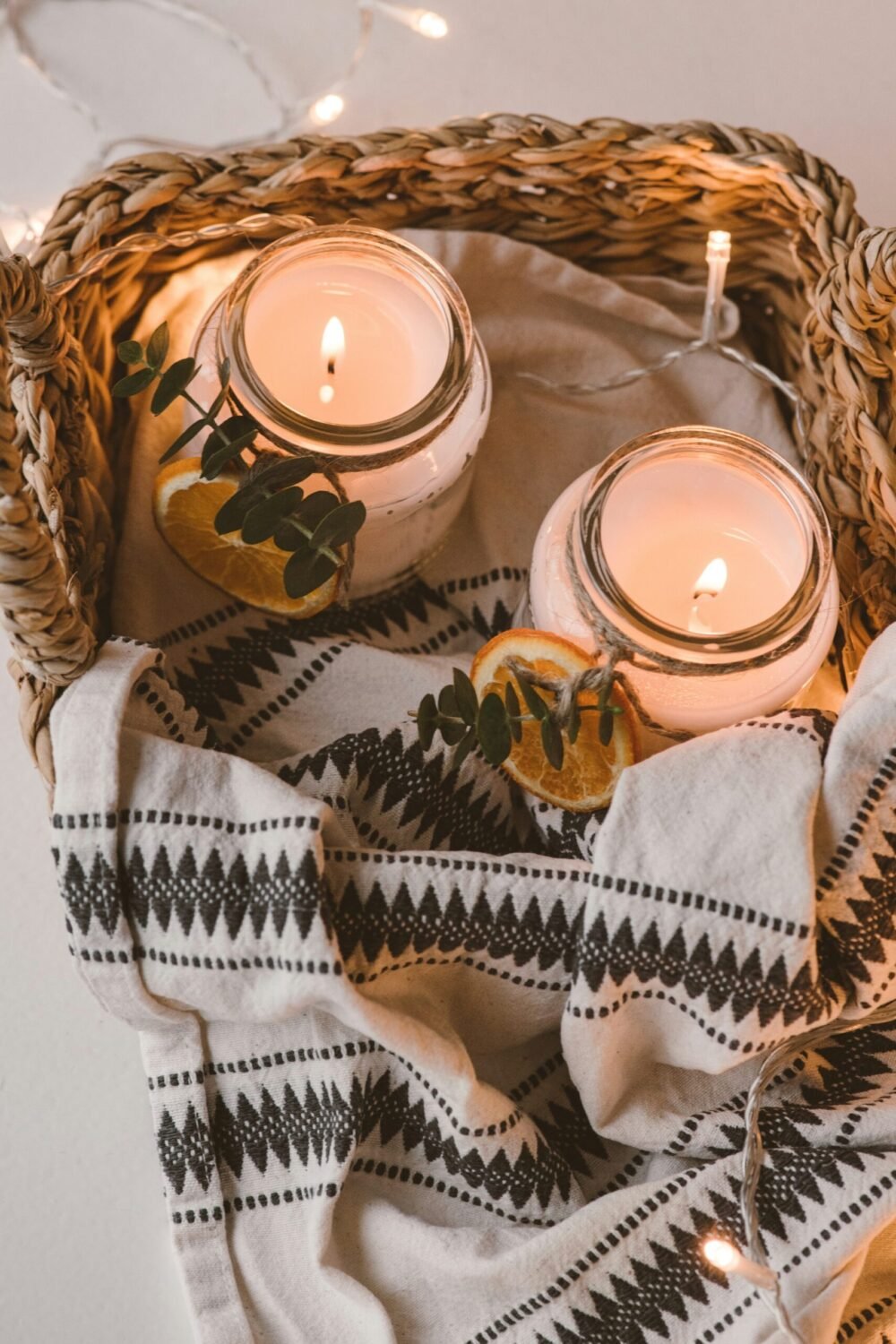
I feel they are better than paraffin candles, which are made from non-renewable wax and produce toxins in the air while burning.
And you don’t want your home floating in the air, do you?
Beeswax candles are clean-burning with pleasant scents. To make these candles, you need natural wax, glass containers, candle wicks, and essential oil.
You can start by placing the wick in the middle of the glass container, with a wick holder (such as small sticks or pencils) on the rim of the jar.
Then, melt the wax, add essential oils, and pour the liquid mix into the jar. Let it sit for a while, and it’s ready.
You can personalize your homemade candle with herbs or essential oils for color and fragrance.
2. Handmade Goat Milk Soap
I prefer goat milk, as you can get at least one and raise it well for your use. But it’s not that you cannot keep the herd; that’s your choice.
Milk soaps are nice as they are great moisturizers, and avoid sensitive skin issues like acne, and provide vitamin E.
When you make homemade soap, make sure you use natural and organic ingredients.
To start, you need to gather partially frozen goat milk, lye, a soap mold, and essential oils such as olive, coconut, and palm oil.
You can make homemade soap through either cold process or melt-and-pour.
I like cold processing, but it takes a week to cure and can test your patience. But as a result, you can find the smooth texture.
When you don’t have to heat the ingredients, their quality and properties remain preserved.
3. Mason Jar Herb Planters
Since I spend the summer growing a garden and then bottling and preserving our harvest, I have plenty of mason jars.
Since I spent the summer growing a garden, I have collected plenty of mason jars for bottling and preserving my harvest.
Then, I decided to grow an indoor herb garden. For this, I used some old jars.
It brightens up the empty space there with the cold, snow, and winter blues and greens all around my homestead.
You can grow several types of herbs, including sage, cilantro, dill, parsley, basil, rosemary, chives, thyme, lavender, and oregano.
Since you cannot poke holes in the mason jar, take care with your herbs inside it when watering.
Water the plants only when the soil mix is dry to a depth of a few inches, and avoid stagnant water.
You can place and decorate these planters based on your creativity and usage. For example, you can temporarily take the perennial herbs outside for display.
Or keep these on the spring dining table or any table setting for a fun centerpiece. Even I like swapping out these herbs.
As I like cottage or rustic-chic decor projects, I glue the mason jar to the outside and thread rope through it from top to bottom.
4. Homemade Wooden Birdhouses
I see a bird’s nest blown by storms, dripping in the rain. So, birdhouses can support wildlife and add charm around your home.
The birds keep visiting your garden and house. This can enhance your birding in both summer and winter.
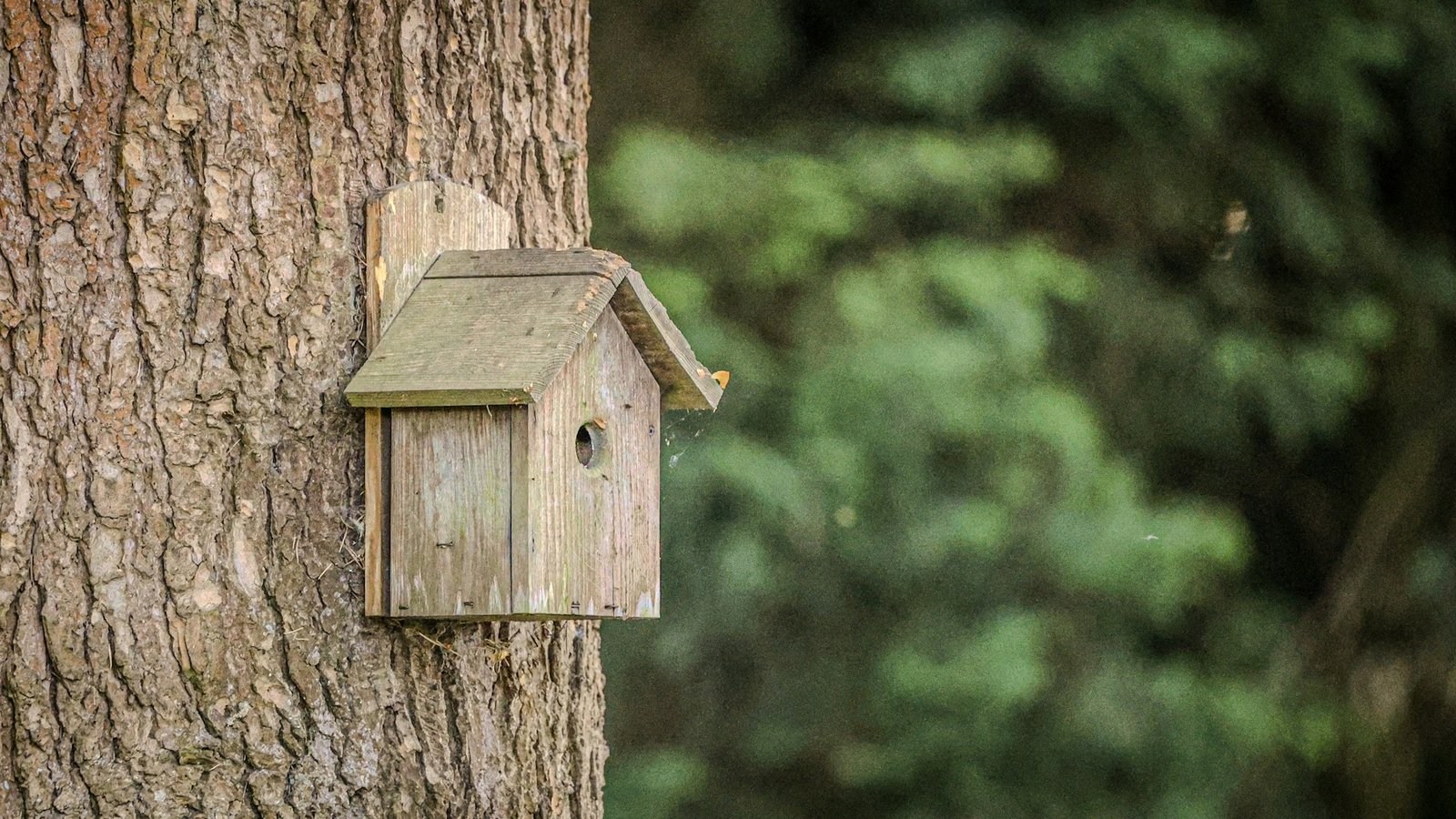
You can make birdhouses with several materials such as dry gourds, plastic containers, and wood.
The sustainable woods would be especially cedar, redwood, and pine.
You can build different types of birdhouses, but make sure they have holes for birds to enter and exit. They should also have strong roofs and walls to protect against rain, storms, and predators.
If possible, build a birdhouse so you can open it and clean it after the breeding season.
When placing the birdhouse, make sure it remains away from predators. You can hang it in a tree or a tall structure, or pin it on the tree trunk or house wall, or on the pole.
Birds such as Black-capped Chickadees, Tree Swallows, Eastern Bluebirds, House Wrens, and Tufted Titmice can easily accept the manmade housebirds.
5. Rustic Pallet Garden Signs
Do you have some barn wood left over?
A 24- to 36-inch piece of reclaimed pallet wood can make your garden and backyard more attractive, creating a cottage or countryside setting.
You can build various rows of garden markers.
This can be great for display and for helping visitors to the backyard identify herb and vegetable rows.
Besides, you can also decorate your chicken and duck coop with the unique signs.
Anyway, you need some materials to start, such as a table saw, nails, a hammer, paint, and a brush.
You probably want to paint the whole board and write some text over it.
Besides, you can draw some signs, arrows, stars, flowers, sun, or anything related. To keep your board from water and weather, you can apply weatherproofing.
But I want my backyard signs to fade and bleach naturally over time, which makes the surroundings look more rustic.
Okay, you can hang the signboards in the tall structure. Or you can nail the boards on the stand (little or tall).
6. DIY Rope Baskets
Rope baskets are not only attractive for cut-flower decoration but are also used for storing eggs, yarn, and gardening produce.
This craft helps you make your own customized storage that looks aesthetically pleasing indoors.
You can choose a cotton clothesline for a softer and more structured appearance. Or use jute or sisal rope for a rough, rustic style.
To start, you only need a few things: rope, an old bucket or container, macrame cord, and a needle or glue stick.
You can glue all over the container and thread the rope all over it.
Make sure you coil the rope, create a sturdy base, shape the sides, and finally finish with a clean edge.
In another method, you need to have some sewing and knitting skills. Since you don’t have glue, you need to work with the cord wrapping around the rope and sew it every inch.
After making loops, you can shape your basket and complete it.
7. Homemade Herbal Sachets
Are you also an old-school guy who uses the traditional way to keep your home fresh with pleasant scents rather than a room freshener?
Herbal sachets are one method. The dried herbs can freshen closets, wardrobes, and drawers.
Many keep these small bags under their pillows to help them sleep better.
You can put herbs, spices, and flowers in these sachets.
I like to store lavender, chamomile, mint, sage, peppermint, eucalyptus, rosemary, thyme, lemongrass, bay leaves, lemon balm, basil, and cloves.
If you like flowers, you can keep lilac, rose, sweet geranium, and lily of the valley.
Choose natural, breathable fabrics. For example, I prefer cotton, linen, muslin, and cheesecloth.
First, you need to dry the herbs in the sun. Then, put the dried herbs in the fabric.
In the first method, you sew the fabric, make a pocket, put the herbs in, and close it. The second method is easier.
You only need to cut a piece of fabric and place the herbs in the center. And gather the edges of the fabric with your hand and tie the top with ribbon or thread.
You can make herbal sachets every season whenever herbs are ready to harvest. For example, you can make Christmas sachet gifts in the winter or try spring-scent combos at other times.
Final Thoughts
If you’re creative and skillful, you can create useful crafts out of waste and scraps on a homestead and hobby farm.
I always try to make something for the backyard garden and barn, and for the household, using free resources whenever I have free time.
You can start with easy, handy items like a trellis, and experiment with other large projects like a coop and a barn later, as you gain experience.


Leave a Reply