
When I had a large meadow of green grass, I thought it would be enough for my livestock for a couple of months. But my animals ate and trampled the grassland within a few weeks.
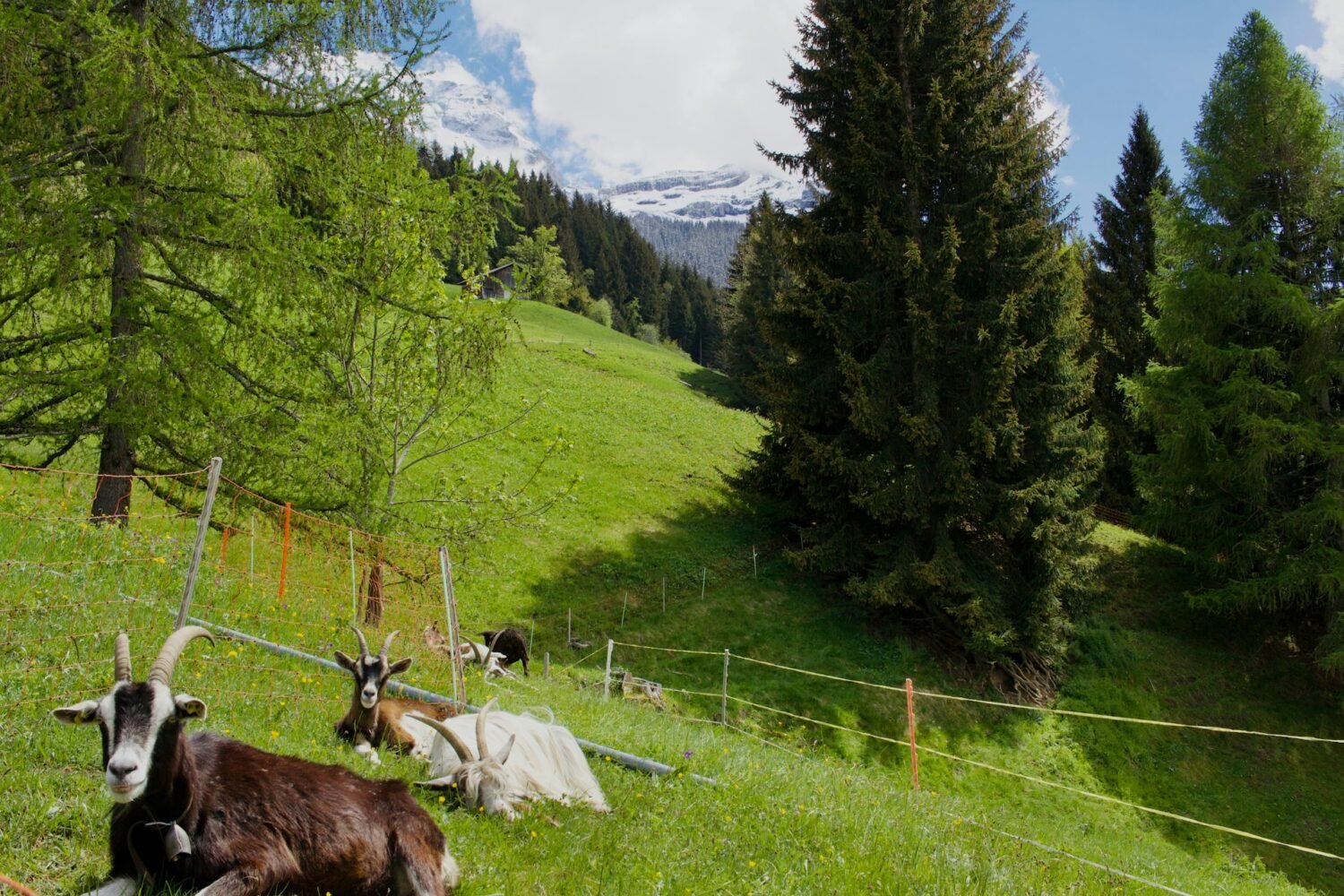
So, I had to build fences around the pastureland and divide the area into multiple paddocks. Then, animals had to get under the fence and graze there only, without wasting the forage.
Now, they have plenty of lush grassland in multiple acres, and I feel more relaxed raising my livestock.
If you’re lacking grassland for forage on your farm or homestead, you need to shift your grazing system to rotational grazing.
1. Improves Pasture Health and Grass Recovery
When you have two or more paddocks, the resting ones allow the grass to regrow.
The livestock graze paddocks on average daily or every other day. So, the rest allows the grass to recover its energy reserves and regrow.
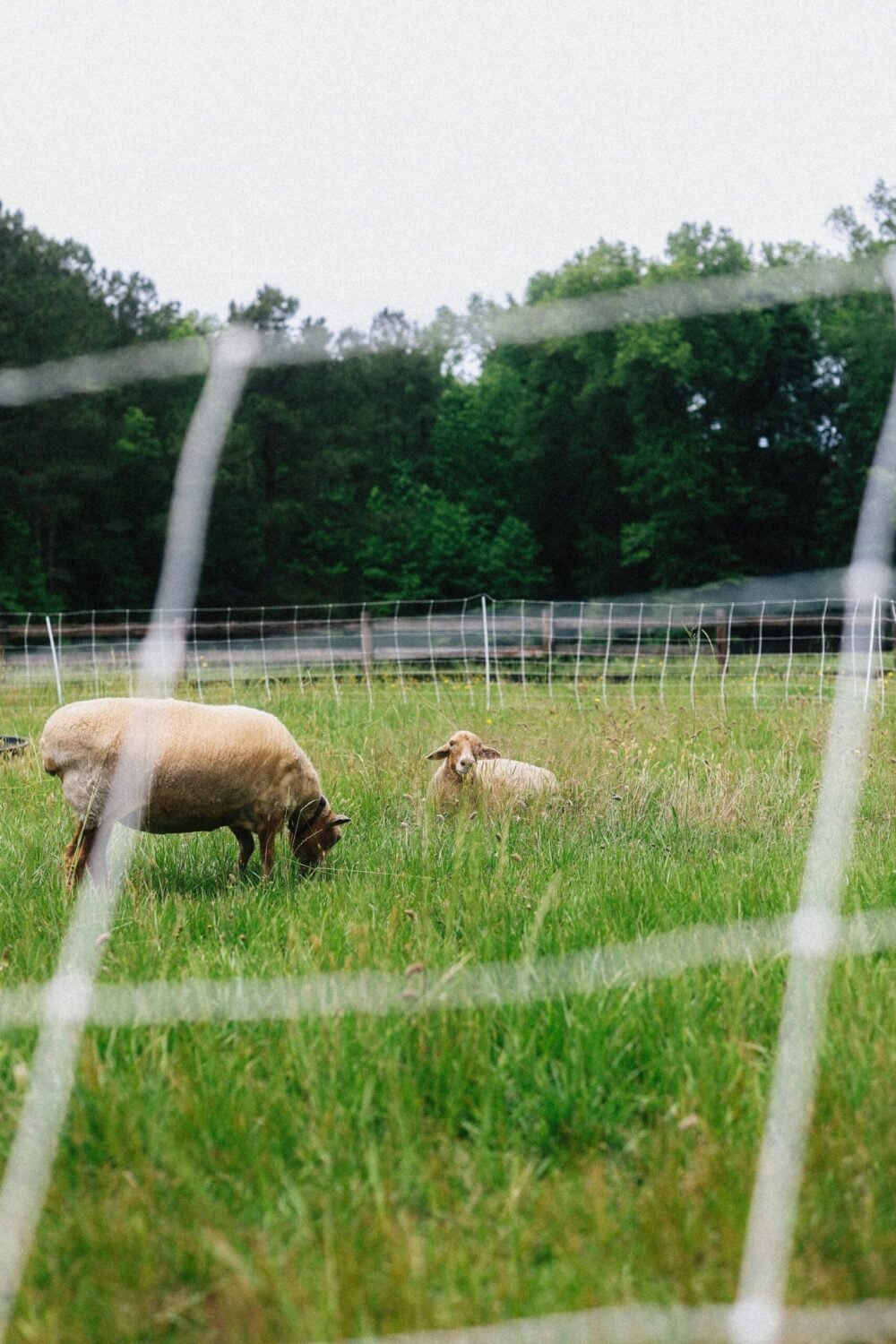
The period helps grazed grass build up its root mass.
So, you need to develop a strategy to allow your grass to regrow for 15 to 25 days.
Rotational grazing helps improve pasture health. It boosts soil aggregation and improves the soil structure.
You can see this would be great for water retention and nutrient intake.
2. Increases Forage Production
When farm animals frequently munch on the same paddock without a break, the grass roots don’t have time to grow deeper.
If the spot is left to grow without grazing, the grass recovers faster and forms dense vegetation.
While frequently scalped grass takes longer to recover and grow, rested plants capture more sunlight and nutrients.
You can expect 2-5 tons of dry matter per acre per year on average. But some keepers claim to get 8-10 tons per acre if the pasture land is highly managed with irrigation and fertilization.
This also helps you extend the grazing season without getting overwhelmed. And your livestock continue feeding on the fresh forage until the snow covers.
3. Supports Dynamic Livestock
If you own a small tract of land, you can still manage to get most of it with your livestock. Rotational grazing provides grass for multi-species livestock and more animals.
You can keep cows, sheep, goats, horses, and buffalo.
While goats forage on woody shrubs or bushes, invasive plants, weeds, and forbs, sheep and cattle graze on legumes and some common grasses.
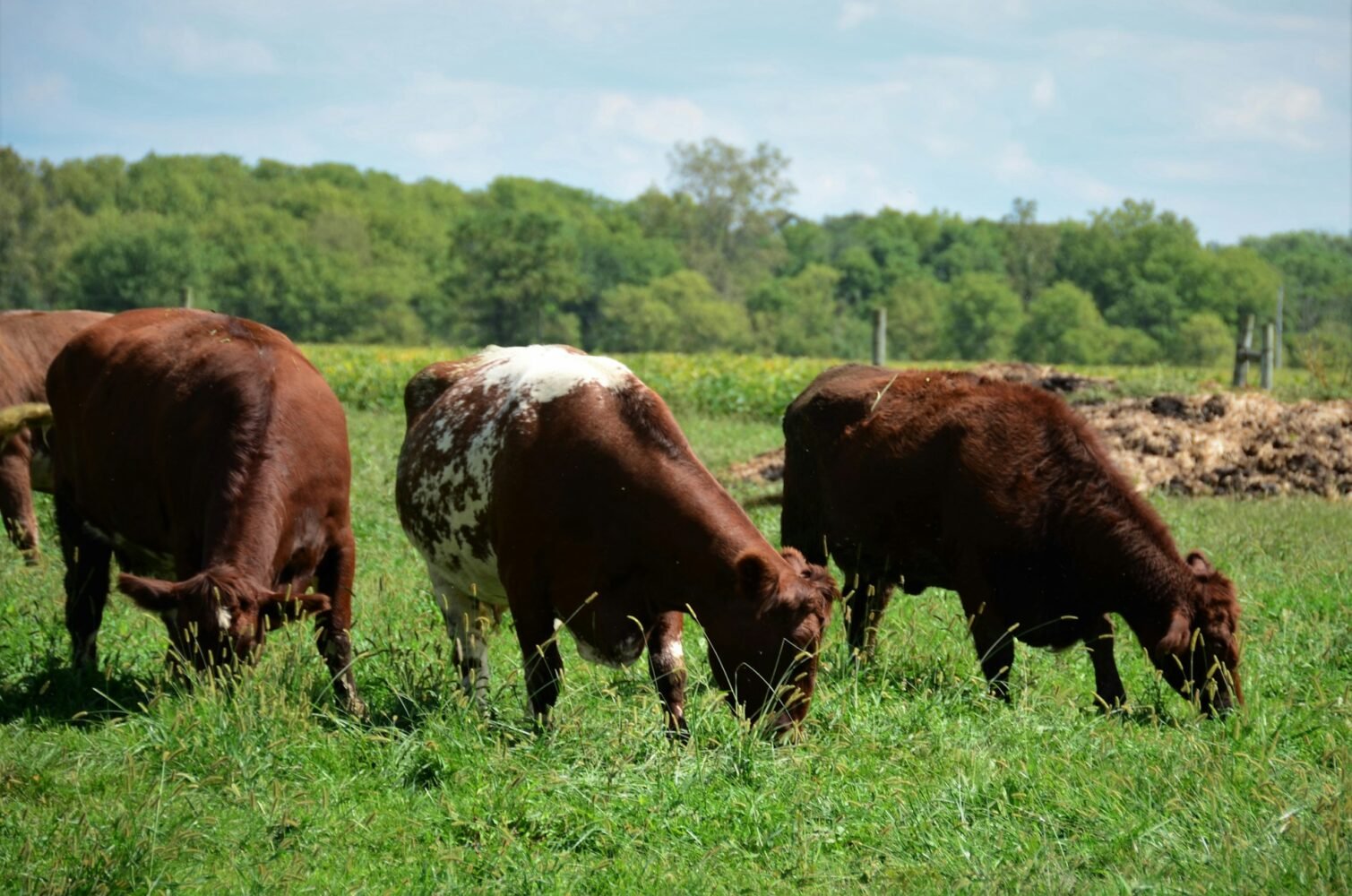
When managing a multi-species grazing system, you need to start with low stocking rates at the beginning and end of the season.
But you can increase your livestock there as forage becomes more available.
The rotational grazing also helps create a friendlier, more socialized, and more trusting herd. The owners and keepers also improve their interaction with their animals through this.
4. Improves Soil Fertility Naturally
Every time the livestock enter the pasture land, they leave their manure and waste there. After the waste decomposes, it works as a natural fertilizer for grass.
So, the next time they visit the land after rotation, the new, nutrient-rich grass will be there.
You only need to irrigate the land without depending on commercial fertilizers.
5. Reduces Feed Costs
With a better management system, you can save lots of money and labor in raising cattle and livestock.
You can keep your animals longer as long as your pasture is green and providing. Extend the pasture grass season into fall or winter.
The first year will be short with the grass forage, but as you raise animals on the rotational grazing, you will become seasoned owners and find some great ways to extend the green pasture some more time for the livestock to eat fresh.
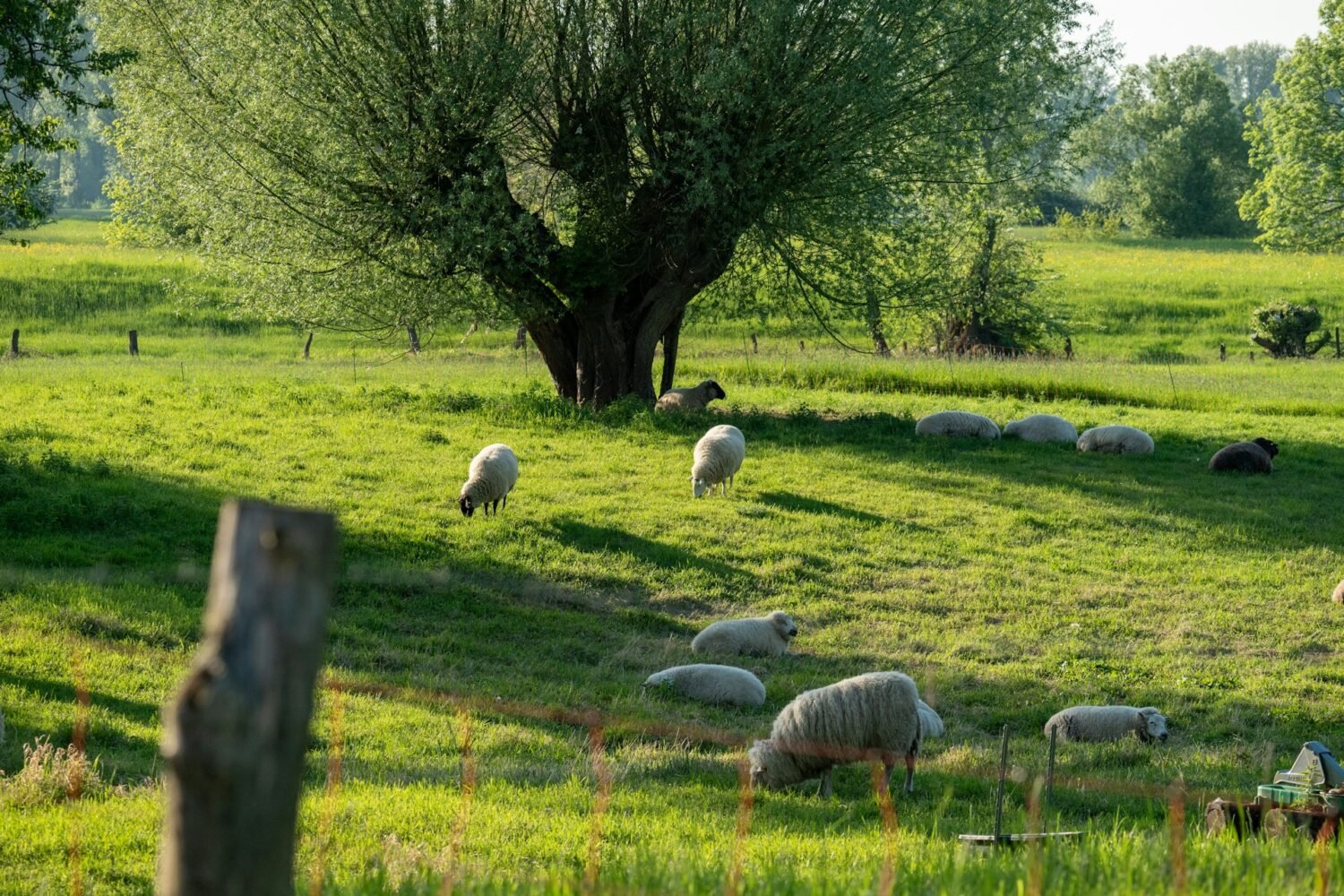
I have seen the fertile lands, where green plants grow sooner in the spring, and the lush green grass builds a stockpile, much like dry hay.
This helps you cut hay costs.
6. Supports Better Animal Health
Rotational grazing allows livestock to visit different pastures time and again. This not only helps regrow grass on the old land while using another, but also helps keep animals healthy.
The animals are free to get fresh air (unlike being kept in a barn or stable), eat fresh, nutrient-rich grass, and remain dry and free of dung in the pasture area.
In the barn, animals have limited space to move and make room for themselves. They struggle in the overcrowded area.
They are covered in dung, water, and waste. Also, they waste their feed and silage.
But in the pasture, they are free under the open sky and forage and eat what they like, so they are happy grazing in the rotational pasture.
And the happy animals are healthy.
7. Helps Reduce Internal Parasites
Do you know it takes around 3 weeks for a parasite to develop from an ingested egg to an adult worm in the grass?
When you move your livestock from the pastureland, the pattern is broken, and the parasites cannot find a host and disappear.
In the rotating pasture, livestock leave their manure in the old paddock. The moment the parasite develops from eggs to mature larvae in the dung, you have already moved your animals from there.
The rotational system prevents animals from visiting the same pasture too often and from overgrazing the soil and manure, where bugs shelter.
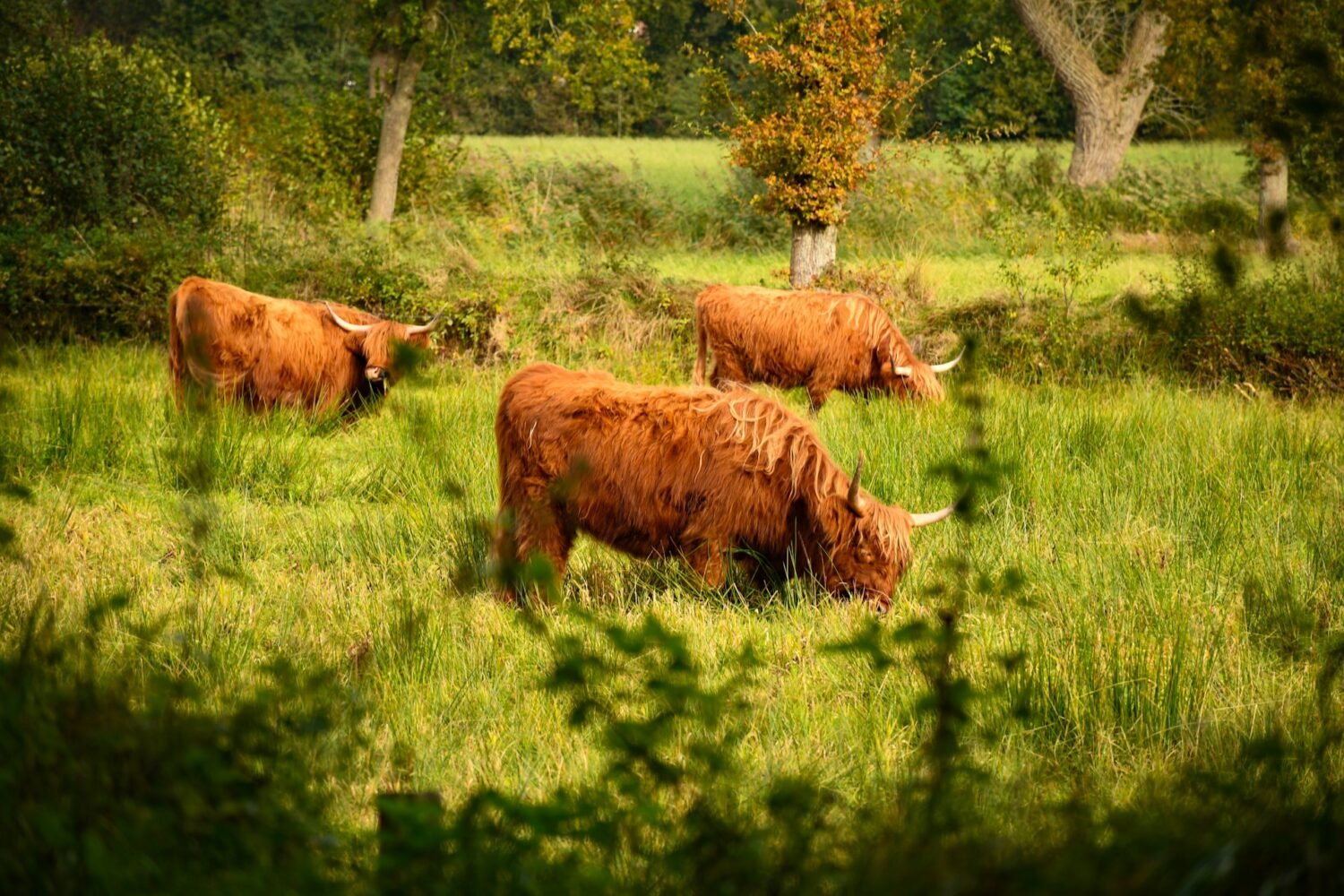
The less you rotate grazing, the higher the chance that parasites will infect your animals. So, you need to spend more on dewormer.
8. Reduces Soil Erosion
When the grass has strong roots and the land is covered with it, water doesn’t wash away dirt and topsoil.
The ground cover protects the soil, holding it in place with its roots. Also, it keeps the soil moist and protects the land from drought, unlike dry, dusty soil without plants.
Even though your pastureland is hilly, rotational grazing helps protect the soil on terraced pasture or sloping land.
9. Encourages Biodiversity
During the resting period, the grassland has become a shelter and a source of life for several species, including birds, small mammals, snakes, and many small insects.
This helps create a perfect environment for healthy biodiversity and ecosystems.
There would also be natural pollinators, which can help increase your garden yield and get beekeeping started.
10. Supports Sustainable and Healthy Life
When you raise animals for food (milk, meat, or eggs) for yourself, it becomes your responsibility to keep your animals healthy without using medication.
And rotational pastures can help you with this to a great extent.
You get fresh, pasture-raised yield, which means you get healthy food from your own farm and garden.
This helps you lead a healthy life there, with sustainable food year-round.
And with the lower cost of raising animals, you can make a profit by selling the animals and their products.
Final Thoughts
Rotational grazing works well when you build fencing there. Also, you need to irrigate and do some labor depending on the frequency.
But I suggest you avoid high-frequency rotation, except to clear the field.
You can keep it simple with a 3-herd, 4-pasture system, or anything that suits your farm or homestead.


Leave a Reply