
If you’re planning to raise goats for milk, meat, pets, manure, or brush control, or whatever you want, let me tell you they are not easy animals like chickens or quails.
Goats are advanced homestead animals with complex health and care needs, extensive fencing requirements, and specific nutritional needs.
Also, you must have multi-acre pasture areas for a small herd. If you get that, you can still raise goats with the following guide.
Getting Started with Goats
You can bring goat kids or an adult goat home and allow it to breed later. You can get a couple of goats at the same price as a mature doe.
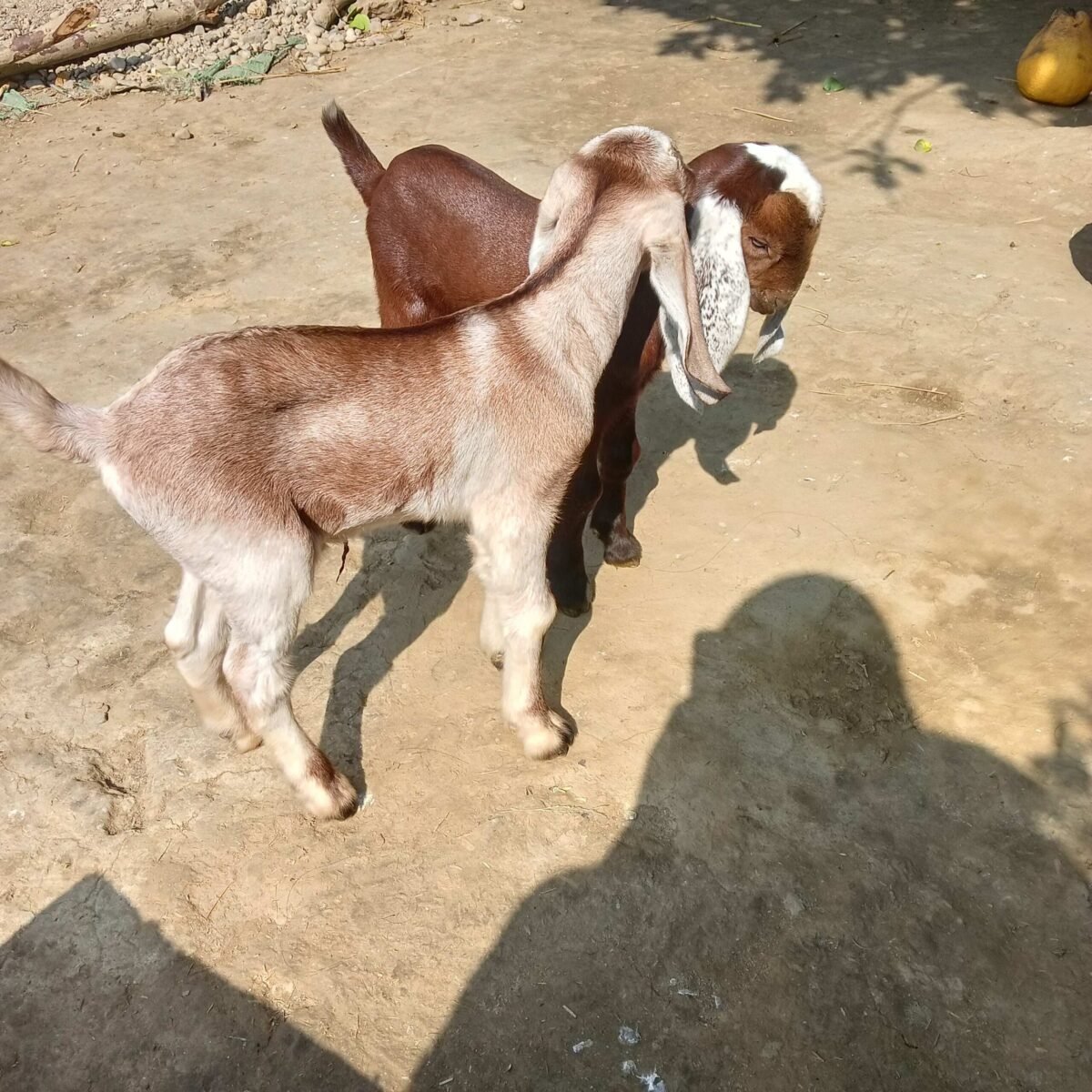
If you get goat kids, they must be at least 8-12 weeks.
At this time, they start eating grass, tree leaves, hay, and grains. You needn’t bottle-feed them.
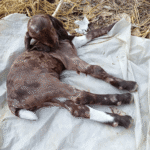
Don’t tell me how adorable goat kids are! But they need a companion to play with, so bring home at least a couple.
In another context, you bring in buckling and doeling, raise them for a few weeks, and then let them breed.
They can give you 1-3 kids at the first kidding. And as the ability to kid increases, a doe can get you up to 5 kids per kidding.
But I tell you, a buck or billy is very difficult to keep. They are loud and always go after goats.
If you haven’t decided which breed to choose, I have listed the best goats for meat and milk.
Now the question is, how many to start with?
It depends on your needs or what you want to raise goats for. If you want to have milk year-round, I suggest you get three does.
They will give birth to kids after a few months, which automatically increases the herd size. So, beginners needn’t take more than four goats in their homestead.
Fence, Shelter & More
Build Secure Goat Fencing
Goats are escape artists that can climb, push, crawl, and squeeze through the weak areas. So you need a strong and secure fencing setup.
Also, the fences must be sturdy enough to protect your livestock from predators.
Your herd needs both permanent and temporary or portable fences to keep them on the farm or homestead.
- Woven wire fencing
- Electric fencing (installed with a solar panel and battery)
- Livestock panels
- High-tensile fencing
- Reinforced gates
I have 4-5 strands of electric wire (for peddle and foraging in the wooded area) and 4-in woven goat wire for permanent fencing.
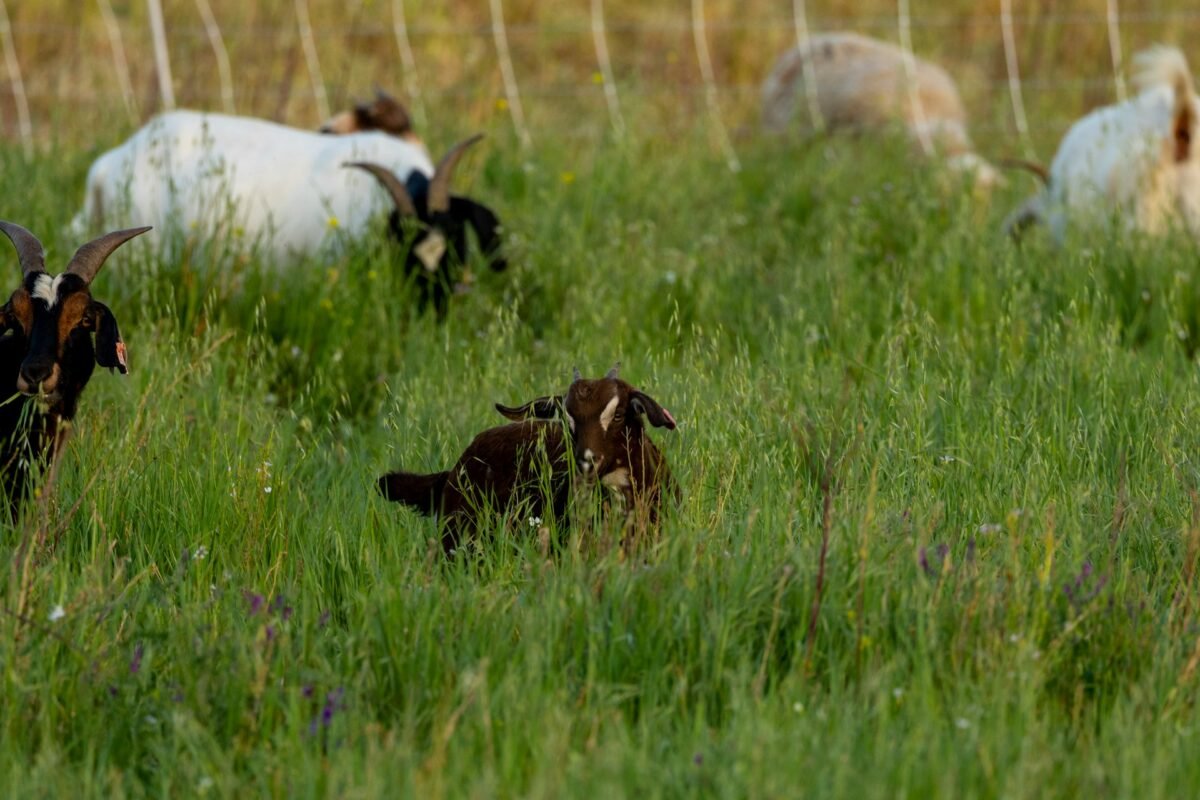
Check your fence lines regularly and repair breaches and gaps in the fence and boundary.
Provide a Simple Goat Shelter
Your goats don’t need a fancy or expensive barn. But make sure it protects the herd from rain, snow, wind, and scorching sun.
Also, keep enough ventilation and dry bedding.
Each adult goat requires 15-20 square feet of space indoors. If you lack space, a three-sided shelter also works when properly positioned and constructed.
While kids cover smaller space, pregnant goats and bucks need larger space (25-30 square feet).
If you have an old or unused garage, you can keep your goats in there. Also, you can reuse pallets to make a simple shelter for a couple of goats.
Goats make a fuss about rainwater and wet bedding or surfaces. They always want to stand, sit, and sleep in a dry, elevated area.
So, I suggest you build their shelter, stall, or stable above ground so that ground moisture doesn’t reach them.
When it comes to outdoor pasture, I recommend you keep 200 square feet per animal.
Feeding Goats
From my experience, I can tell you that goats are voracious animals. They don’t realize how much they eat until they see their belly inflated.
On average, a goat can eat 2% to 5% of their total weight.
1. Pasture and Browse
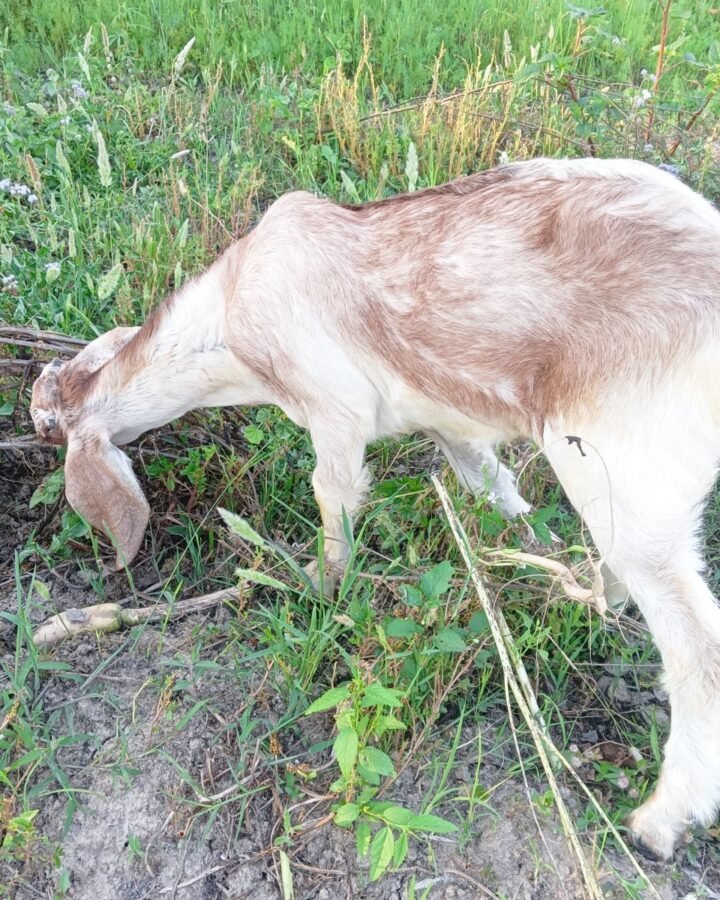
Goats are browsers and require a forage-based diet including grasses, weeds, bushes or shrubs, and other forage plants. And I want to explain a few forages for goats here.
Browse: Tree leaves, woody plants, and shrubs like hazel, hawthorn, willow, and mulberry
Pasture grasses: Napier, burmuda rye, orchard, sudan, fescue grass, etc.
Legumes: Alfalfa, clover, cowpea, and others
You can also make silage from grass for your herd to help them eat without wasting anything.
2. Hay
When it’s winter and snowing or raining outdoors, herds don’t have pasture and forage, so they need hay.
Hay contains fiber, which helps animals digest their feed more easily.
I personally like hay from orchard grass, timothy, and bermuda, as well as hay from legumes such as alfalfa and clover, for goats.
3. Grain and Concentrates
Grains are not compulsory, but they’re really useful for growing kids, pregnant does, or lactating dairy goats.
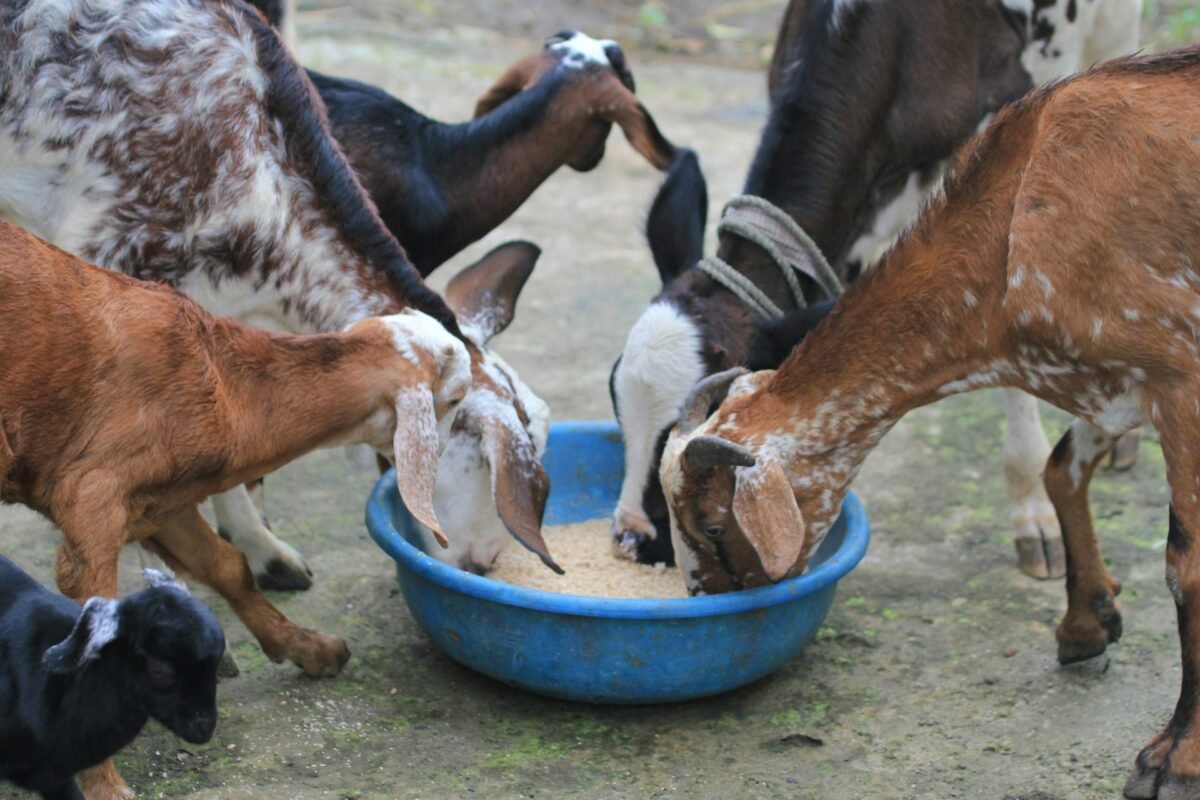
They provide energy, growth, and milk production ability to the livestock. Feed Oats, barley, and cracked corn.
For concentrates, you can use pellets for the herd.
4. Minerals
Many herds lick rocks and wood just to get some minerals. They require 15 macro- and micro-minerals, but you can easily find a balanced mix on the market.
Feed them a loose and free-choice mineral mix.
These help animals boost immunity, grow bones, muscles, and shiny hair, and stay healthy and content.
5. Fresh Water
As goats are from the camel family, they live on limited water. But they require fresh and unfrozen water regularly from summer to winter.
Many keepers use grain powder in water to encourage their livestock to drink more, but I don’t find it effective.
Basic Goat Health Care
It’s no surprise that goats also show some signs that they’re not well enough.
For instance, they don’t eat enough (having a deflated belly) or are underweight, have bloating, or diarrhea.
Many diseases in goats are caused by diet or feeding. So, owners can control them with a healthy feeding schedule. Check what goats eat and what they do not.
Besides, you need to take care of your herd’s health with a few tasks.
Hoof Trimming
Hoof trimming is not only a form of grooming but also helps prevent lameness, joint strain, foot sores, and foot rot.
Inspect goat feet and trim their hoofs every 6 to 12 weeks.
Pasture-raised goats quickly develop overgrown hoofs, which may require this treatment every 2 weeks.
Parasite Management
I see many people blindly using dewormers for goats on a fixed schedule. So, first monitor internal and external parasites.
When goats cud but don’t eat enough, they may need a dewormer. Also, they have untidy hair and don’t feel active or playful enough.
You can prevent external parasites such as lice, mites, and ticks with regular sanitization. So, you need to clean their shelter and replace their bedding from time to time.
Check their hair and trim it if needed.
Besides, provide the herd with rotational pasture to prevent parasites if you have enough land.
Vaccination
Like any other pets and livestock, your goats also require rabies and tetanus vaccines. So, find your local vets and consult with them.
Final Thoughts
If you have more than two goats and limited space and feed, they become aggressive toward each other.
So, I suggest you keep them in divisions or separate areas for bucks, does, kids, and pregnant goats.
Also, they seem impatient livestock, so you have to keep some patience and work with them.


Leave a Reply