
If your ducks are unhappy and take short flights, they’re not coming back, even after dusk.
The domestic duck breeds are poor flyers, but hybrid ducks can still fly over the fence. You need to take more care of wild breeds like mallards, which are excellent flyers.
So if you find your duck flock decreasing, make sure you keep the following tips in mind while raising ducks.
1. Choose Duck Breeds That Rarely Fly
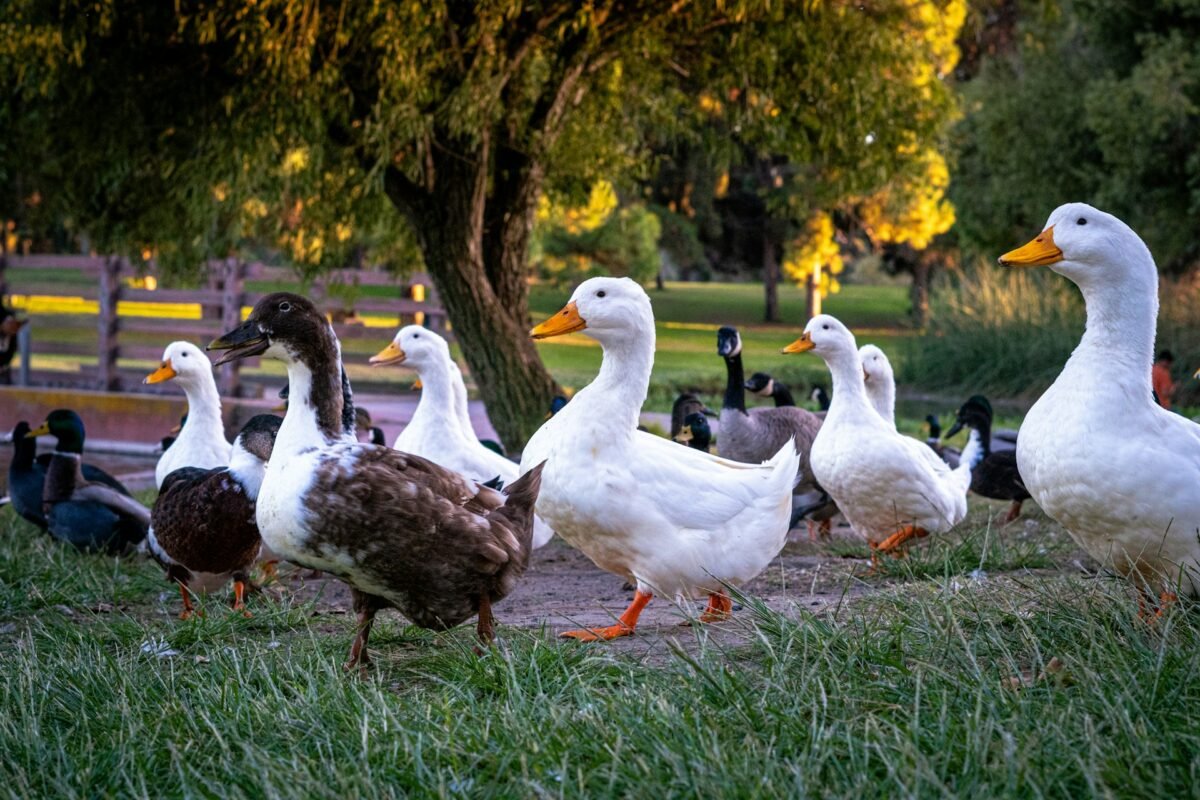
You can keep several domestic duck breeds, but I suggest raising some large ducks so they cannot fly because of their heavy weight.
So they remain around their coop or farm.
Pekin, Rouen, Cayuga, Swedish, and Saxony are some easy picks.
But you need to avoid bantam duck breeds and lighter breeds such as call ducks and mallards if you don’t have a pen or a safe enclosure.
Their small and light bodies make them excellent flyers.
2. Provide Plenty of Food and Fresh Water
Ask why animals would stay around you?
So, you need to give them sufficient food and water. They go off for these resources and never come back.
You need to set the feeding schedule and spot so that they will wait for you and remain in their house without needing to fly away.
My Indian Runners eat anything from greens to insects.
Also, you can give them homemade duck feed and offer them treats in moderation.
3. Build a Secure Duck Run
I know you cannot keep ducks in the coop all day and night like chickens. So, you need a duck run outdoors where they can roam around.
To build it, keep the fence height at around 6-7 feet so you can enter, clean it, and collect eggs.
This height is also good for ducks to flap their wings.
Use mesh wire for the fence and metal poles. Also, to prevent predators, use predator-proof fencing and bury it a few inches underground.
If you have lighter breeds, cover the duck run.
4. Give Ducks a Comfortable Shelter
If you provide your birds with a cozy, safe place, they will return to sleep at night.
For this, you need to put dry bedding, such as pine shavings, hemp bedding, or straw. Also, ducks play in mud, and their poop is wet, so you need to add good ventilation.
Also, their coop or shelter must have a safe locking door.
As they won’t go up, keep their nesting area near the ground, only a few inches higher.
Besides, make sure you can easily access their shelter to clean and collect eggs.
Also, make sure you build duck ponds for them to swim or wash themselves. You can also grow some plants in the pond.
5. Raise Ducks in Groups
Ducks are social birds that require companionship or a flock. If they don’t find any, they’d better run off.
Especially, they wander in the breeding season. So, get a pair, at least if you want to raise ducks.
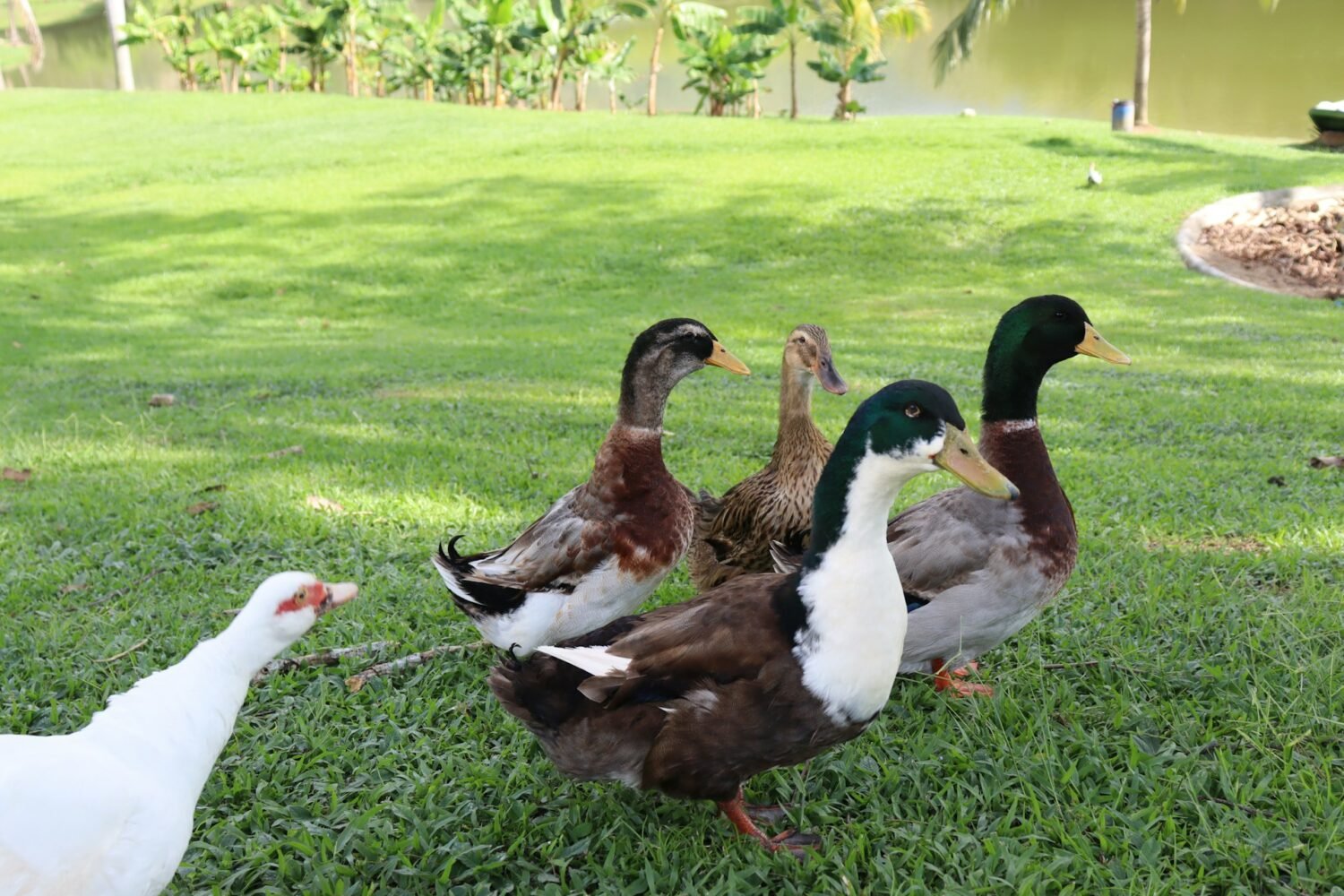
Not only does this help remove loneliness, but it also helps ducks get fertile eggs for breeding.
Besides, they alert the flock to predators and resolve disputes among ducks.
Make sure you keep 3 to 5 ducks per drake in the flock.
6. Let Young Ducks Learn Their Home First
Wild ducks migrate seasonally, and you cannot do anything about it unless you keep them in an enclosure day and night.
But homing behavior is different; birds develop it innately. It’s an innate ability of birds to navigate the surroundings of their shelter from unfamiliar territory.
So, domestic ducks eventually return to their coop when they mature each evening.
For this, you need to keep ducklings in confinement initially. When they are fully feathered in 8 to 10 weeks, you can gradually introduce them to free-range.
7. Clip One Wing If Necessary (Humanely)
I hope you won’t take this option.
But if you need to, do it correctly. And it doesn’t hurt the bird if you do it properly. By the way, it’s not necessary. You can easily skip it.
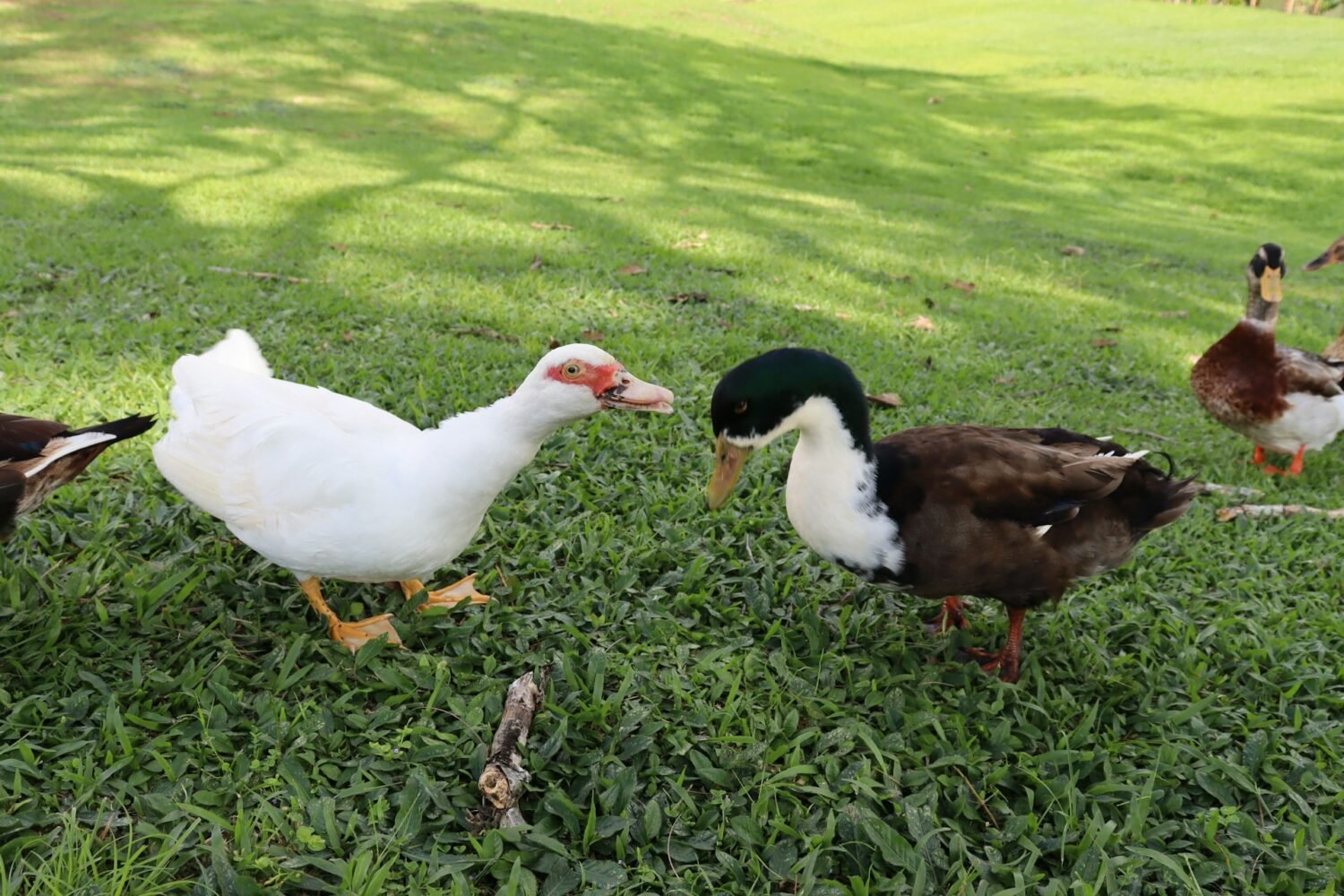
If there is no option remaining, you can clip the duck wing, but do it with only one wing.
This makes the bird off-balance with its wings, but ducks can still fly, though not very high or very far. They can flip their wings, make up to the tree branch, or perch.
Besides, one more thing you can do is clip only 3 feathers on each wing. It limits their ability to fly but doesn’t ruin the beauty of plumage.
You need not clip their wings after the first season if you give them good care.
8. Reduce Stress and Predator Scares
When they feel threatened, ducks fly or run away with repetitive quacks. They get scared off by predators like dogs, foxes, hawks, coyotes, raccoons, and weasels.
For this, you need to build a predator-proof coop and pen.
Besides, loud machinery such as tractors, chainsaws, wood splitters, and mowers can also disturb the birds.
So, move your birds away from these machines while working. Or keep them in the enclosure if you have to work with these machines near the birds.
Also, the birds can fly from strangers and random visitors on the farm or homestead.
I recommend you stay with the visitors when introducing your animals.
9. Train Ducks With a Daily Routine
Though ducks are not as smart as chickens, they can also learn habits quickly.
To help with this, you need to feed the birds at the same time and at the same spot. So, they can identify their schedule.
When calling your birds in the evening, you can use some duck call words such as hut, dut voot, or quit. Pick only one so that your birds recall it easily.
Train your ducks to return to their coop before dark. You can get your ducks into their coop by treat training.
10. Avoid Leaving Ducks Unsupervised for Long Periods
You can keep your birds under your eye the whole day, but you also cannot leave them without giving them protection as well.
Also, free-ranging while you’re away may encourage birds to wander off.
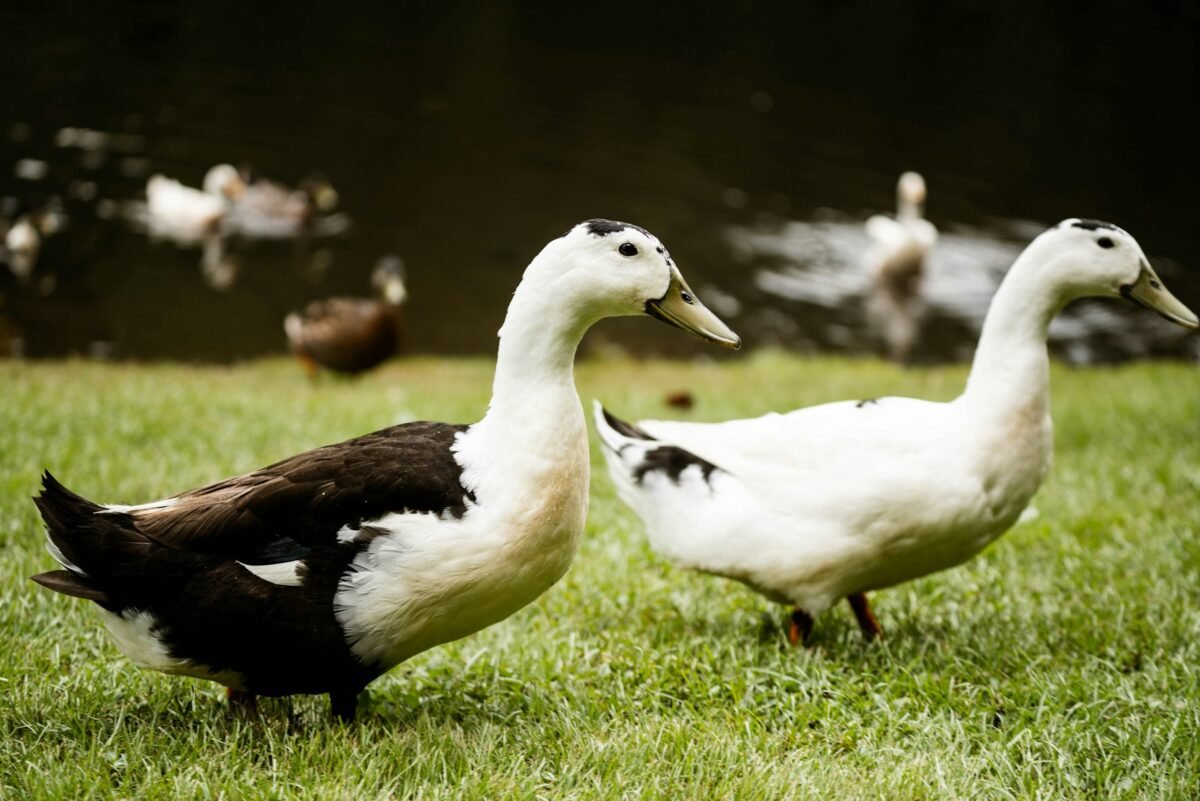
So, I recommend that you only allow your ducks to pasture outdoors under your supervision. You can also try rotational grazing so that birds can access fresh grass and insects year-round.
Also, temporary or portable fencing (using electric fencing) helps keep ducks from flying away.
Final Thoughts
If you hatch duck eggs and let mama duck raise their ducklings, they have a lower chance of getting run over or flying away than those brought from a hatchery.
Also, sudden environmental changes can disturb your flock of birds.
So, if you have to change a coop or introduce a new member to the flock, make it easy and predictable.



Leave a Reply