
I never thought that homesteading could generate so many income streams to survive with your backyard garden and livestock without a financial burden.
If you could only find the right market, it wouldn’t be very difficult to trade your surplus produce, thanks to online access.
I have lots of homestead business ideas for those who want to live full-time as a homesteader and make a couple of thousand dollars each month.
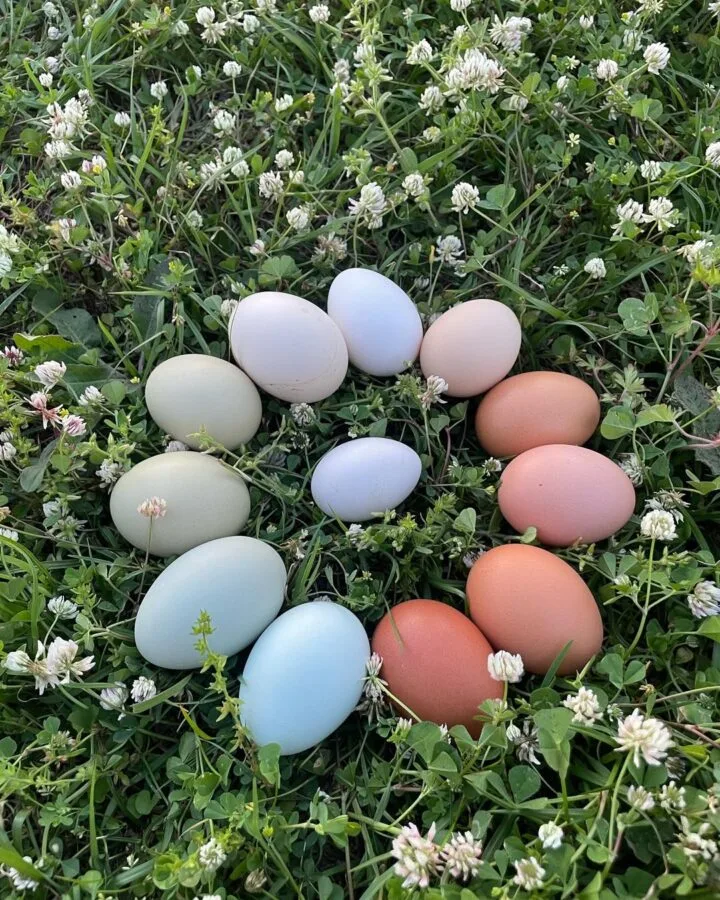
1. Sell Fresh Chicken Eggs
They will buy fresh, organic chicken eggs for a couple of dollars. Your customers can be those who want pasture-raised or free-ranged chickens and their eggs.
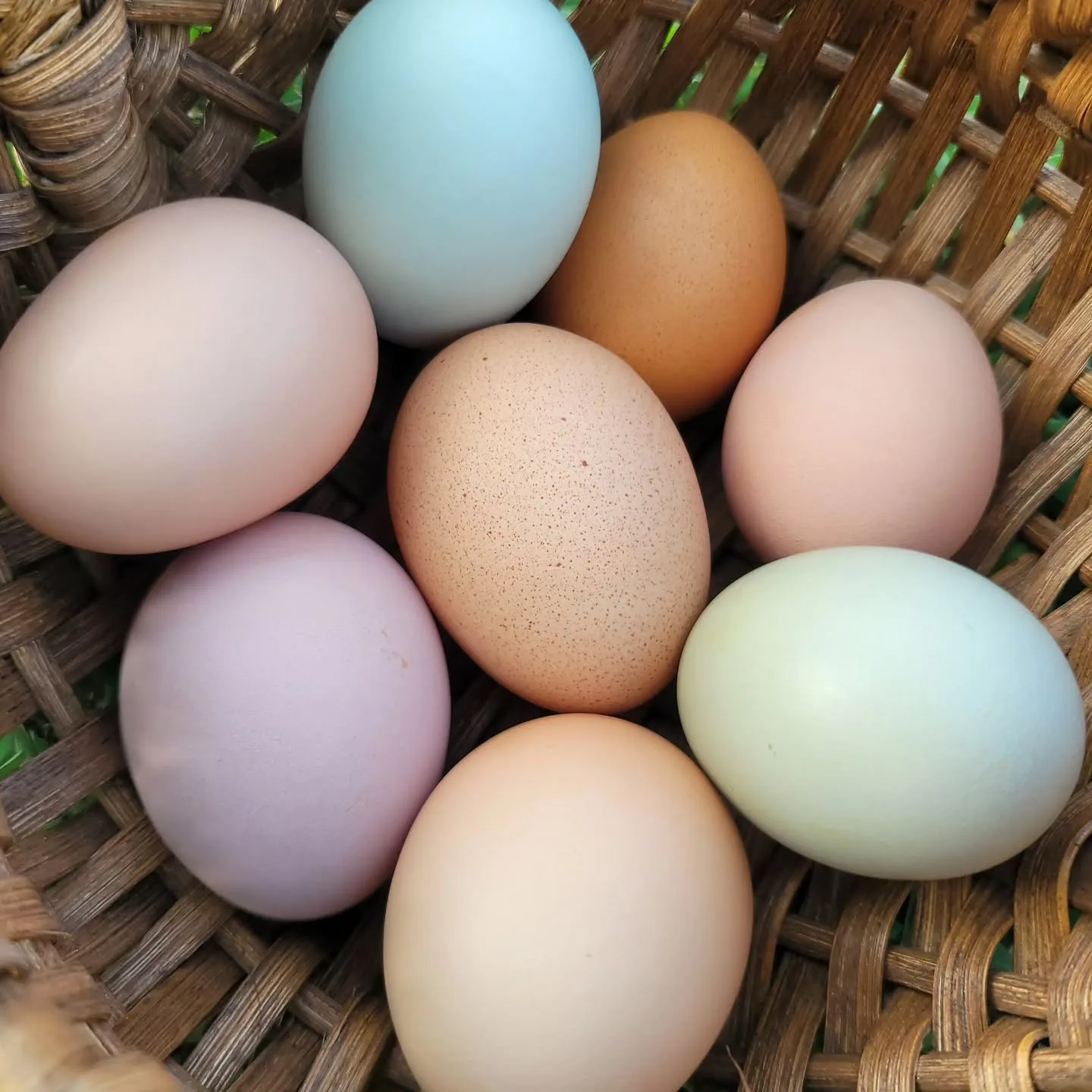
For this, you may need the best laying chicken breeds.
Hens take around 6 months to lay their first egg, and their highest productivity remains for 2 years.
When they begin to lay less, you can make them table birds.
2. Raise Meat Chickens
Meat chickens are fast-growing broilers, which are ready to process from 10 to 12 weeks. You can harvest the birds when they are about 5 lbs.
The longer you keep them, the tougher the meat.
When they reach market weight, you can cull the flock, pack them, and sell them to a local butcher.
By then, you will be ready to start new chicks.
3. Sell Vegetable Seedlings
If you don’t have a backyard to grow vegetables, you can still start plants indoors and make a profit out of it.
You can sow seeds of tomatoes, bell peppers, zucchini, eggplants, cucumbers, summer squash, and pumpkins in the warm season.
For the cool season, broccoli, cabbage, cauliflower, lettuce, kale, spinach, and Swiss chard grow best.
Start these seeds in a germination tray, and you will see seedlings growing in a few weeks.
4. Raise Game Birds
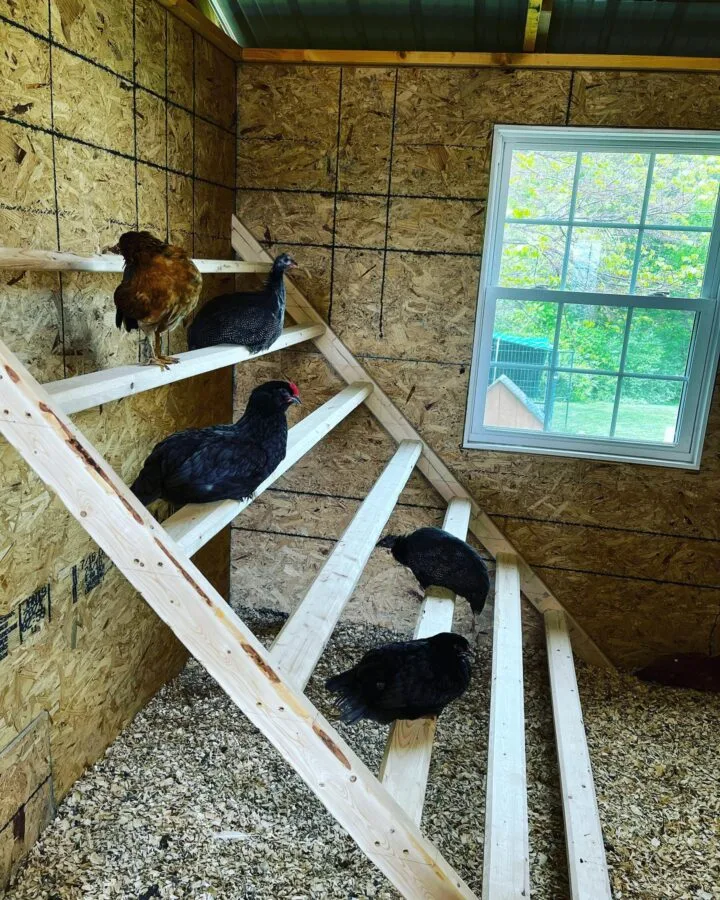
Though game birds require a bit more care, they are worth raising for profit. While turkeys and guinea fowls make good table birds, quails generate 300+ eggs per bird.
They have a popular demand from the gourmet market for their mild or gamey flavor.
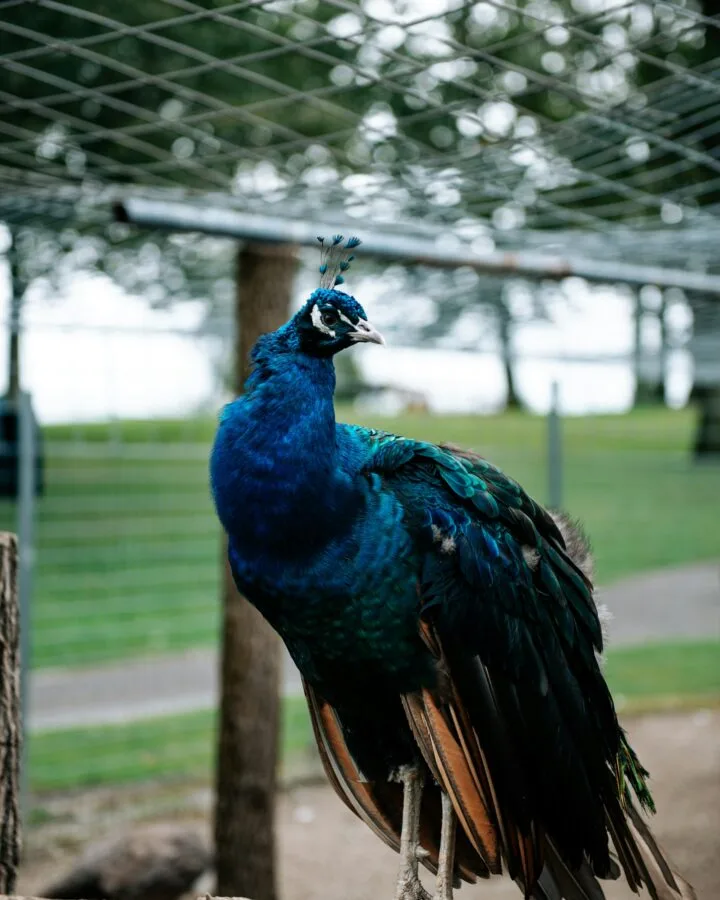
Besides, you can hatch pheasant, guinea fowl, and peafowl eggs in incubators. They make great show birds, and many hobby farm owners are interested in buying them.

Many farmers also breed pheasants, quail, and chukar for large flocks to sell them in the market.
People buy pen-raised gamebirds to release in the wild to train their hunting dogs and for recreational hunting and local conservation.
5. Sell Fresh Herbs
Culinary herbs are basil, rosemary, thyme, cilantro, mint, parsley, oregano, chives, sage, tarragon, and bay leaf.
You can use their fresh or dried leaves, flowers, and stems to flavor, color, and garnish food.
Besides, homesteaders can also trade medicinal herbs: holy basil, chamomile, peppermint, calendula, and turmeric.
Dry these herbs and pack them in vacuum-sealed bags or make bundles. You can also sell the herb subscriptions online.
6. Sell Homemade Jam
There are several cottage food opportunities when homesteading. I make a few dozen jars of jam and syrup every year.
Spring is the time of strawberries, mulberries, and rhubarb, while peaches, apricots, cherries, plums, blackberries, and raspberries show up in the summer.
If you need more, figs, pears, apples, and grapes are there in the Autumn, and oranges, tangerines, grapefruits, and cranberries in the winter.
Put these seasonal fruits in cans and place attractive labels, or put these in the gift baskets to sell.
7. Start a Honey Business
If you have a small backyard, you can still start beekeeping. The bees roam around your garden and pollinate the flowers for improved yield.

And these little livestock shelter in the small hive. You can harvest raw and organic honey in dozens of pounds.
Besides, you can get beeswax, used for several homemade crafts and items.
8. Raise Goats for Milk
Though I haven’t sold my goat milk, I see a lot of potential in this homestead business. But you need to do lots of work for that, and it requires a bunch of FDA requirements to sell goat milk.
Paddock or grass for silage will be needed to feed your goats. Also, goat barns have to be concrete and sanitized every day.
Besides, you need to invest in pasteurization tanks, cooling tanks, and milking machines. No wonder goat milk is expensive in the stores.
A small herd won’t give much income, but a large one on the ranch can give you a handful of money.
Besides, you can make cheese and soap out of milk.
9. Sell Home-grown Seeds
Harvest seeds from vegetables and fruits that you have grown on your property and preserve them to sell.
Select healthy fruits and extract seeds.
Gardeners and farmers always demand seeds in late winter and early spring. If you can save true-to-type heirloom seeds, you can get the price you ask for.
Unlike hybrids, heirloom seeds preserve true flavor and have the ability to produce true-to-type crops.
10. Raise Rabbits
It’s worth raising meat rabbits for profit. They breed quickly and frequently within a month and double the population.
Also, I find meat rabbits better than chickens in meat production. You can harvest rabbits in 8 to 12 weeks when they are 3-5 lbs.

Many love eating fryer rabbits.
Besides, you can use or sell angora fiber and turn their manure into rich compost for your garden.
11. Sell Homemade Bread
Most farmer market breads begin at around 10$ and only go up from there. But you only invest 70 cents for flour and 3 cents for salt in the loaves.
Then, you can expand breads to sourdough pastries (croissants and danishes), buns and rolls, and ciabatta.
If not everywhere, you can provide local delivery.
To start, you need commercial ovens, proofers, and large standing mixers. Make sure you stand by cottage laws.
12. Sell Fresh Mushrooms
If you have lots of hardwood trees on your farm or homestead, identify edible mushrooms and learn how to inoculate fresh fallen hardwoods with spawn.
Oyster mushrooms and shiitakes are pretty easy to start, which contain lots of protein. Learn about mushrooms that could be invasive and which ones will grow best in your environment.
But you must be patient if you have newly inoculated trees. It can take a year or two before you see any mushrooms there.
But they will provide mushrooms for several years continuously. And you can also grow mushrooms indoors.
Then, you can sell these mushrooms at local markets, especially gourmet restaurants.
13. Raise Ducks
I have done pretty well with eggs and ducklings from Muscovy ducks. By selling the live flock, I have also covered my feed costs for the whole year during summer time.

You can also start with other farm duck breeds. If your backyard is smaller, bantam ducks would be a good choice for you.
The adult ducks may need a large pool of water, so you should consider making a duck pond. Also, you can free-range your duck flock to save some feed costs.
14. Sell Compost
Some free resources, such as animal manure, are gold mines on the homestead and farm.
Not only that, you can compost grass, houseplants, tree leaves, wood chips, and anything organic.
Many are compelled to pay for cruddy compost, which is full of municipal waste. So, good compost can easily help you earn about $100-200 per cubic yard.
You can also sell bags of compost for $5-10 if you have a small-scale yield.
For this, you need to tie up with garden centers and nurseries for bulk production. If not, you can retail to local gardeners.
15. Worm Farming
Worm farming or vermicomposting is a blend of raising bugs and composting at the same time. So, you can harvest worms and worm castings.
Worms can be used for fishing bait, and farmers sell $2-3 per 30 worms to local fishers. Also, $30-60 per pound is possible to ship.
And the worm castings are rich compost or organic fertilizer, which goes to gardeners and gardening shops.
To start vermicomposting, you need only a few dollars for setup and worms.
16. Sell Firewood
If you have a large woodland on your property, you can sell lots of firewood for profit. There is a lot of demand for steady timber and seasoned firewood.
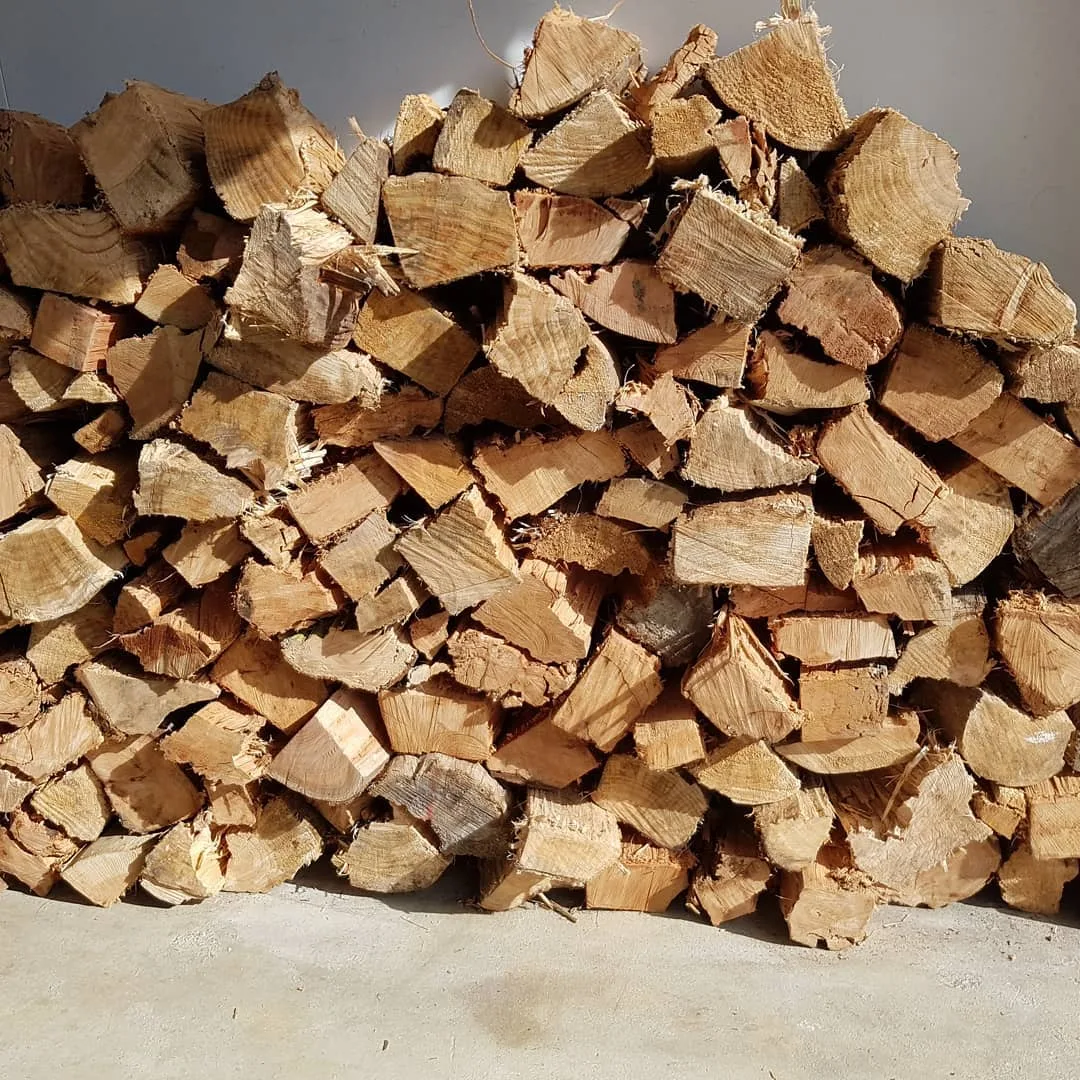
For fireplaces, camping, and other local businesses.
For this, you need to sustainably harvest your wood and dry the hardwood, which may take 6-12 months.
Then, set up local channels such as roadside stands and online listings. Local delivery from your homestead is also an option.
17. Grow Microgreens
Do you know microgreens are super popular in city restaurants and metropolitan areas?
You can grow microgreens anywhere, and they have the fastest turnover rate, with weekly harvests. If you don’t have a backyard, you can still manage to grow them indoors.
You can grow them on a light rack vertically in a small space. Also, it’s easy to raise; you only need viable seeds.
If you can grow your own seeds, you can cut a chunk of cost and generate handsome profit.
Today, I grow microgreens for myself and restaurants and fodder for my own livestock.
18. Sell Hay or Straw
Many trade eggs for hay, which is slightly profitable. But how about growing forage and making it hay or straw?
Homestead animals cannot browse or graze outdoors in the winter. So, they have to live on hay and grains.
If you have spare paddock or multi-acre land waiting to be used on your homestead, you can turn your free grasses, legumes, or other plants into quality hay to sell.
19. Sell Hatching Eggs
You must have seen some hatching eggs of fancy chicken breeds on eBay and Etsy. I have purchased dozens of hatching eggs from there in my initial homestead years.
They cost $20-$60 per dozen eggs. Plus, an additional shipping fee.
20. Start a Homestead Blog
After weekly tasks on the homestead, I love documenting my chores through writing. And a blog is a perfect platform to share real-life experience, and gives you a monetary reward in return.
I started it as a hobby to share my own experience raising animals and vegetable gardening.
Then, I also added sustainable life ideas to help and motivate fellow gardeners and homesteaders.
This helped me get a considerable number of readers to the blog, and it got approved on Journey by Mediavine. It really helped me buy seeds, chicken chicks, and maintain the barn to some extent.
You can earn through display ads, affiliate marketing, and some sponsored posts on your blog.
Final Thoughts
These homestead business ideas are side hustles, which can generate considerable income and profit when combined.
Start small and don’t overdiversify your income streams, as it can cause loss of authenticity.
To sell or trade your home-grown items, you need to obtain a license or permit, use attractive labeling, and maintain good logistics.


Leave a Reply