
When I look back on the initial days, I see a barren land with an empty barn around a country home, but I had a few homestead goals back then.
Your location and lifestyle will shape your homestead’s priorities.
For example, beginners may start with making pickles at home and explore more. So, here are realistic homestead goals for beginners.
1. Start a Small Vegetable Garden
This is the basics of homesteading. Even if you don’t have land, you can grow vegetables on a balcony or terrace.
Collect a few waste containers or buckets and planters, add soil or potting mix, and start seeds there.
Easy crops include tomatoes, peppers, beans, lettuce, radishes, and herbs.
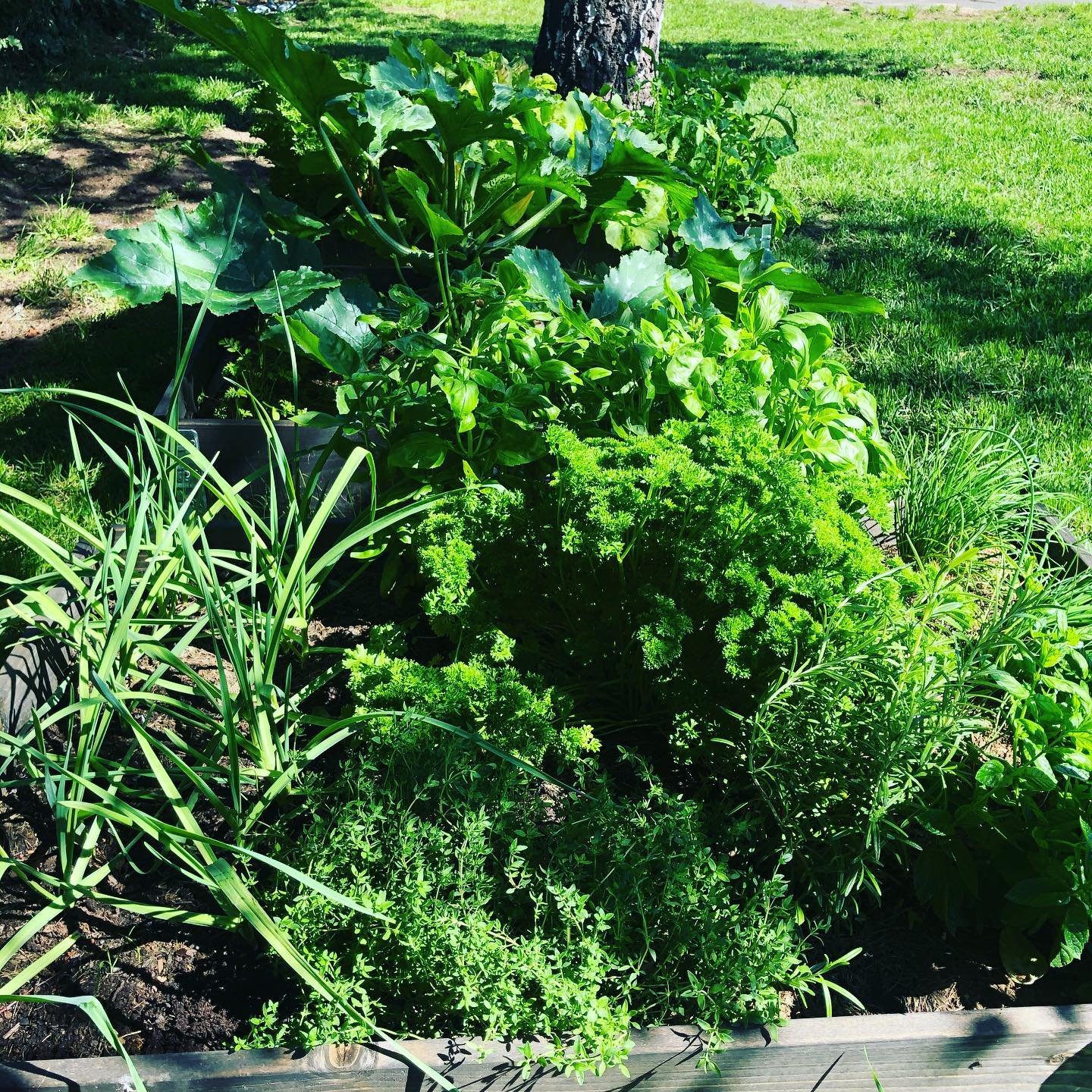
You can easily move these container plants to a sunny spot outdoors in the morning and evening.
Also, move them under the roof indoors when the sun is hot or when it’s raining or snowing outdoors.
You may also want to grow vegetables in raised beds in your backyard. If so, I suggest you start small so you can take care of your backyard garden properly.
2. Grow a Year’s Supply of One Favorite Crop
Simply growing vegetables helps you get seasonal and temporary eating, such as salad greens and cherry tomatoes.
But growing enough for future use helps protect your food security. Since you’re a novice, you cannot handle several crops and produce on a large scale at a time.
So, I recommend picking one crop that makes your favorite meal or that you use frequently in your kitchen.
Let me tell you a few names. Potatoes, tomatoes, onions, peppers, and beans.
When you focus on a single crop, you can master the gardening, harvesting, and storage skills for that crop.
3. Learn How to Compost
Whether you’re only growing houseplants or doing flat homesteading, you may still need compost.
You can turn kitchen scraps, leaves, grass clippings, manure and bedding from poultry birds and other homestead animals, paper-based items, and household waste into compost.
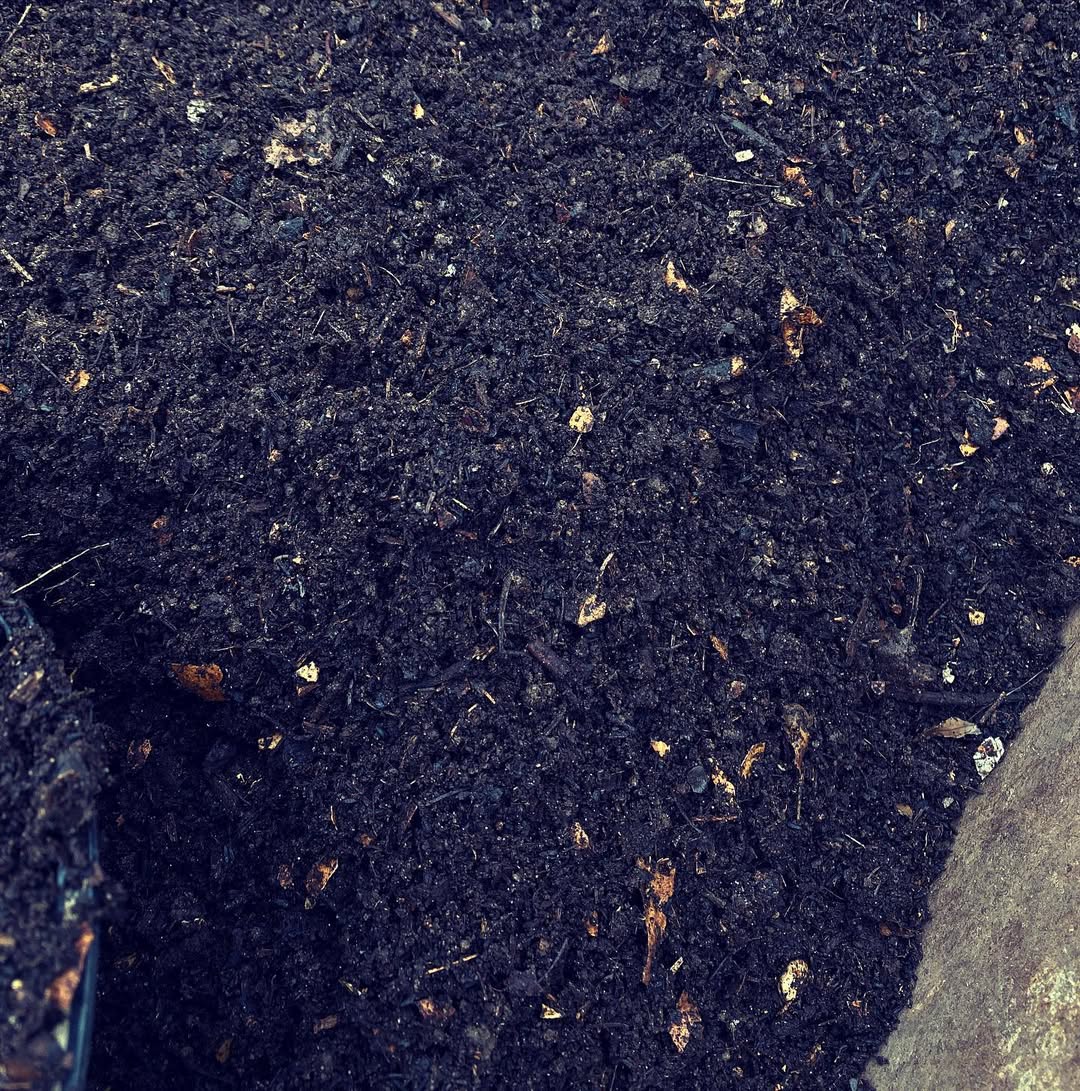
This helps you provide your ornamental or vegetable plants with nutrients and grow them healthy for display and crop yield.
Besides, you can get lots of compost benefits such as organic fertilizer, waste management, and a side income source.
If you have little organic waste, you can compost it indoors in garbage bins. If you have a lot of waste, set up a multi-compartment compost system or build a large compost bin.
Beginners often make mistakes while working with compost. Excess moisture or poor aeration can make your compost unpleasant.
Make sure what you want to do: vermicomposting or cold composting.
4. Plant a Herb or Medicinal Garden
I like herb gardens as you can manage them in a small space. Even hanging the plants under your kitchen sink.
They are low-maintenance crops that grow and reward quickly. You can use them daily in your meals or drinks.
My favorite culinary herbs are basil, thyme, oregano, mint, rosemary, and parsley.
You can grow annuals indoors while you need to take out the perennials in your backyard. You need to buy annual herb seeds every spring or before the first frost.
They are one-season wonders.
But the perennials return every year without starting seeds again. They go dormant in winter and regrow the next spring.
You can eat these herbs instantly after harvesting or dry them for future use. Their leaves and seeds.
5. Preserve Your Garden Harvest
When you have surplus production, you can either save it for later or sell it for income.
Food preservation is a homesteading skill that helps you become a better prepper and reduce food scarcity.
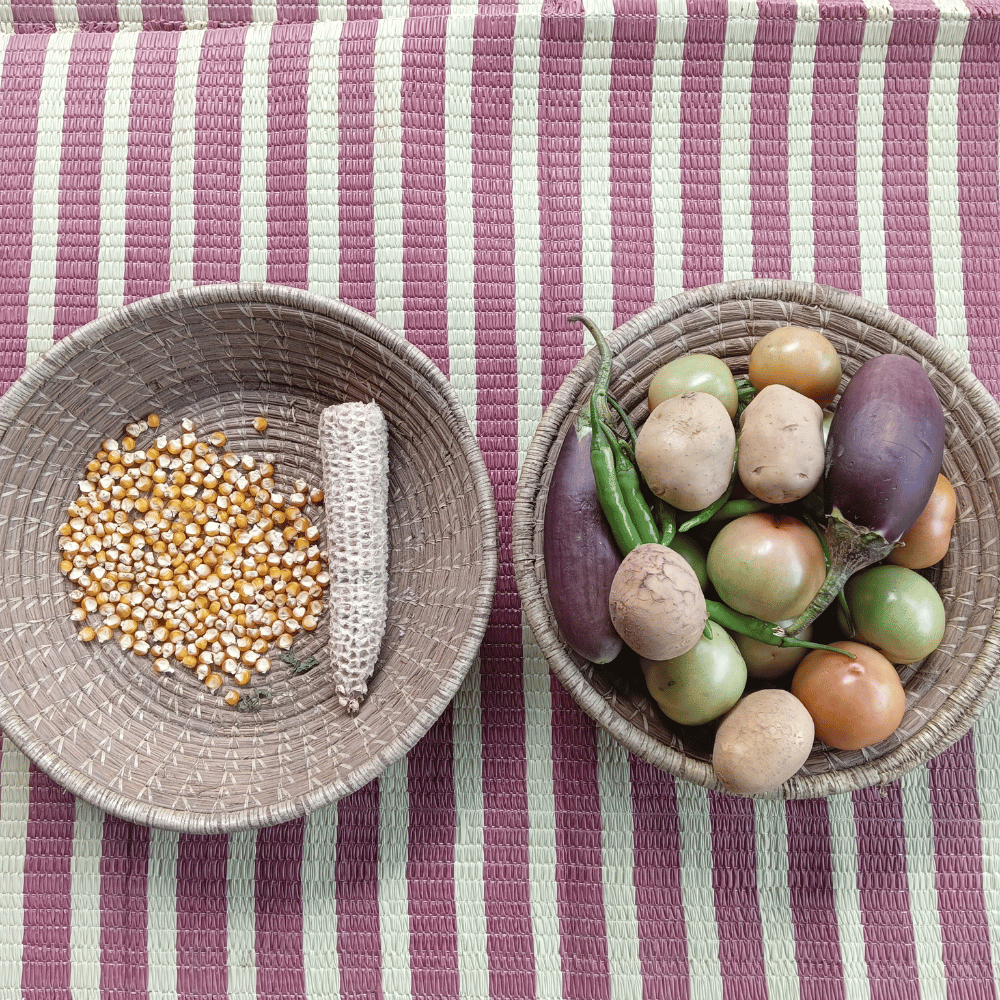
This slows down spoilage and increases the usable life of perishable harvests, which helps reduce food waste.
To name a few, dehydrating, freezing, fermenting, and water-bath canning are beginner-friendly methods.
I want you to start with safe preservation practices and not jump into improvising canning recipes at once.
And your goal should be to store and preserve several batches of homegrown food.
6. Learn to Bake Bread From Scratch
I don’t know about others, but I want control over the ingredients in the food I eat. So, I prefer homemade or sourdough bread.
They help provide freedom in food security and the supply chain without worrying about or depending on the market.
It’s a skill that you can start with a simple yeast bread.
For this, you need basic ingredients such as flour, yeast, water, salt, and a pinch of sugar.
Also, I want you to collect a large mixing bowl, measuring cups or containers, and spoons or a digital scale, an instant-read thermometer, a clean tea towel or plastic wrap, a loaf pan or baking sheet, and a bench scraper.
I have mentioned what I use in my kitchen. You can use additional equipment if it makes things easier.
Besides, you need to learn how dough texture, rising time, and temperature affect results.
Don’t try every method; instead, develop a dependable homemade bread recipe for yourself.
7. Raise Your First Backyard Chickens
Chickens are easy to raise and very popular with beginner homesteaders. I also raised chickens in the first year of homesteading.
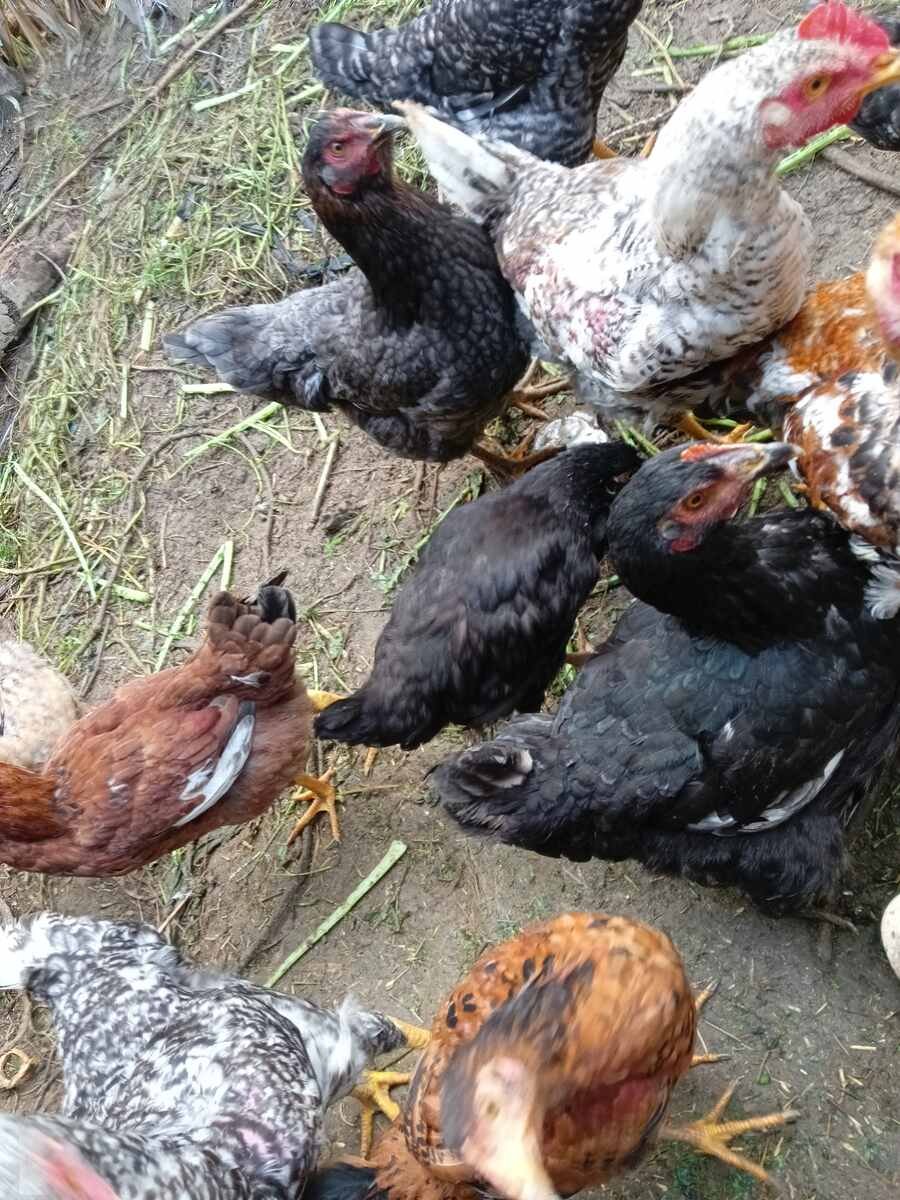
To start, you need a secure chicken coop, chicken run, or combined coop and run, and chicken feed.
Make sure you provide them with clean water regularly, fresh bedding, and enough ventilation. Also, learn how you can protect your chickens from predators.
I suggest you start with a flock of 5 hens. If you want a rooster, you may require more hens.
So, beginners should set a goal to take care of their chickens successfully and collect their own eggs. You can also raise broiler chickens for meat.
Remember to check your local regulations before getting chickens home.
8. Learn How to Hatch Eggs
Ordering chicks from a hatchery can feel tiresome and expensive. You can learn to hatch your own chicken eggs and raise a small batch of healthy chicks instead.
When broody hens sit on their eggs, they hatch them on their own. If your hens don’t sit on eggs, you may need an incubator to hatch their eggs.
You may also hatch chicken eggs without an incubator.
It takes 21 days to incubate and hatch chicken eggs under favorable conditions.
Anyway, you need to learn the right temperature, humidity level, egg turning, hatch timing, and when to assist hatching.
9. Raise a Second Small Livestock Species
I love keeping animals, and that’s the main purpose of my homesteading journey. But others prefer growing vegetables and flowers.
Once you get on the track, you can add animals gradually.
I started with chickens and later added rabbits. For game birds, I kept quails, which gave me plenty of eggs.
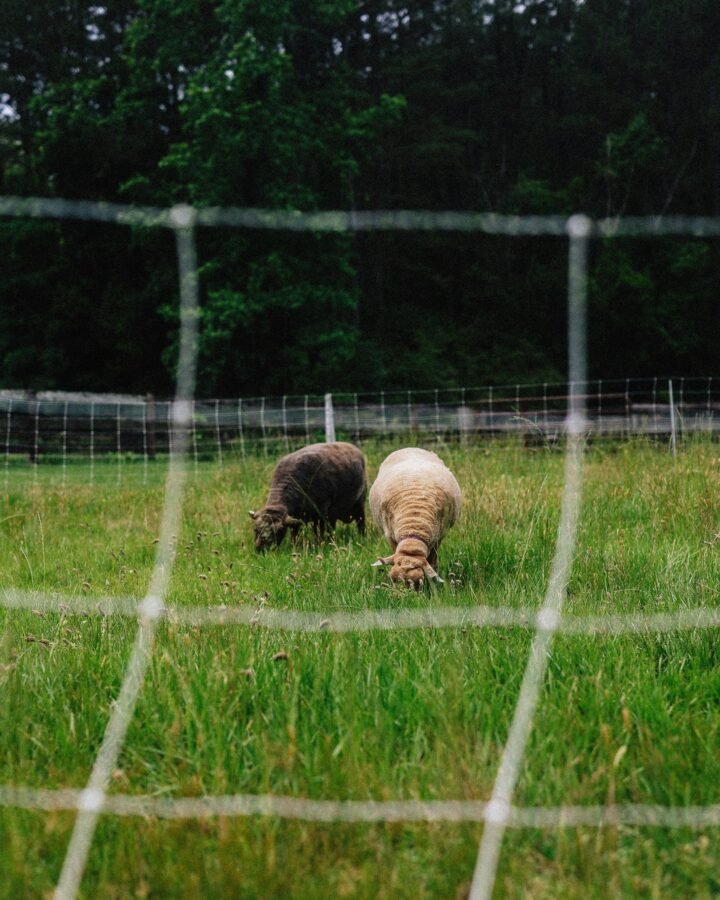
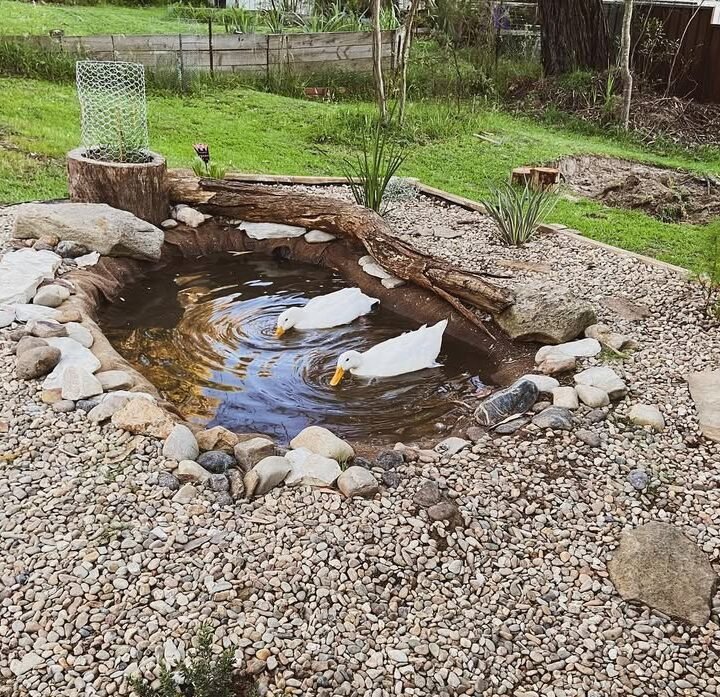
You can get ducks, turkeys, and guinea fowl for poultry and four-legged animals such as goats or sheep, pigs, and cows, depending on available land, budget, and local regulations.
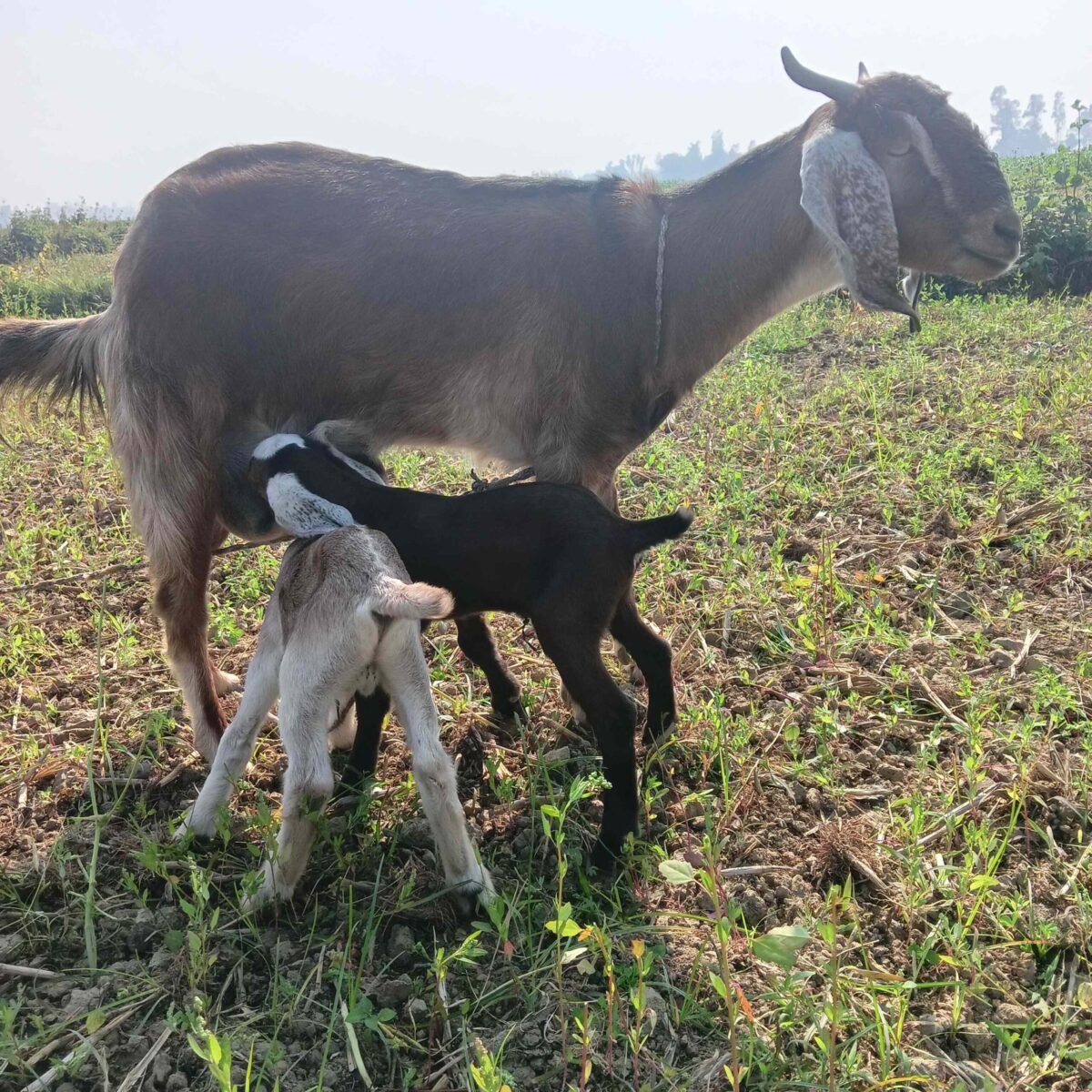
To keep multiple livestock, you need multi-acre farmland or homesteads. And I suggest you learn one species before expanding.
Get animals that fit your homestead needs rather than following trends and making a hobby farm in the initial years.
10. Create a Reliable Livestock Water System
Along with quality feed, your livestock require fresh water equally. So, provide reliable waterers that animals can easily access.
Think about the small water holders and animals competing for them.
Water gets spoiled, and algae and contamination can build up in poor waterers. So, keepers need to make extra effort to clean these.
Besides, water freezes over in winter, which can crack the water system. So, you need to keep livestock water from freezing in winter.
Water systems differ by animal, such as chickens, ducks, rabbits, goats, or others.
Also, keep a backup water plan in case you run out of resources. Your goal should be to make daily animal watering easier and more reliable.
11. Learn One New Homestead Skill Each Month
Thanks to my grandparents, who were old homesteaders, I didn’t need to begin from scratch.
I knew most of these things from childhood, such as feeding chickens, planting seeds, harvesting crops, and more.
But still, I have a checklist of new things to do each month. You can also turn homesteading into a year-long learning project and learn one skill each month. 12 practical skills annually.
Homesteading skills include gardening, bread baking, composting, preserving food or canning, animal care, basic repairs, pottery, sewing, masonry, woodworking, or firewood preparation.
This way, you won’t feel overwhelmed and can enjoy homestead life.
At the end of the month, you can review your results and note what works and what needs improvement.
12. Plant Fruit Trees or Berry Bushes
How about growing your own small orchard?
But fruit trees require patience and usually take 2 to 5 years to produce their first harvest.
Peaches, figs, mulberries, and citrus start fruiting in 2-3 years, while Apples, pears, plums, and sour cherries may take up to 5 years.
I suggest planting grafted trees or dwarf varieties for a quicker harvest.
Perennial food crops are long-term investments. Once you grow trees, you can harvest fruit for years and decades without replanting.
You only need to water, fertilize, mulch, and protect them from pests and animals.
Try at least one long-term perennial fruit tree or bush.
I started with mulberries in my garden. Now they have grown bigger and wider, giving lots of fruit each summer for recipes like cake, milkshakes, and salads.
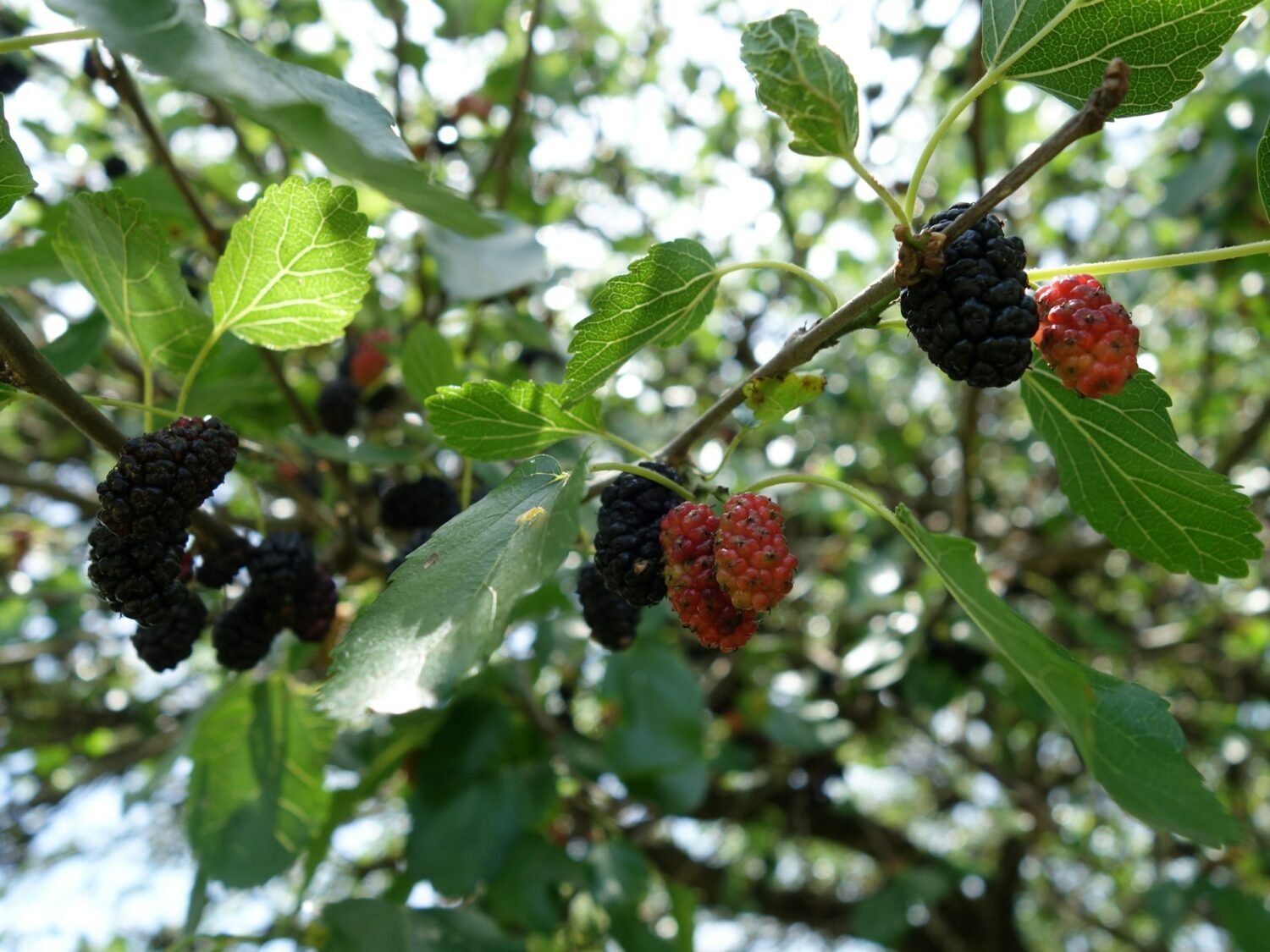
I leave the leftovers for my backyard birds. When I need to trim these trees, my goats get nice forage such as the leaves and stems.
Final Thoughts
Homesteading is a long-term game. You’re not going to wake up and get 20 chickens, 15 rabbits, 10 goats or sheep, 5 cows, and 10 acres all at once.
You start with 2 or 3 acres, build a life there for decades, and then move to a bigger property. Rinse and repeat.
For this, you need practical homestead goals that keep you on track and help you review your journey over the years.
Leave a Reply