
Once peacocks start roaming, it’s hard to get them back to you. The fowls are big enough to chase and handle them.
They can fly over a 26-foot-high fence, so your chicken or other poultry fence does not work for them.
If you plan to keep some peafowls and are wondering how to keep them from flying away, follow the care tips.
1. Start With Proper Peacock Housing
Peacocks are large game birds that need personal space to roam, rest, sleep, nest, and roost.
So, you want to build a large covered pen. Don’t make it overcrowded.
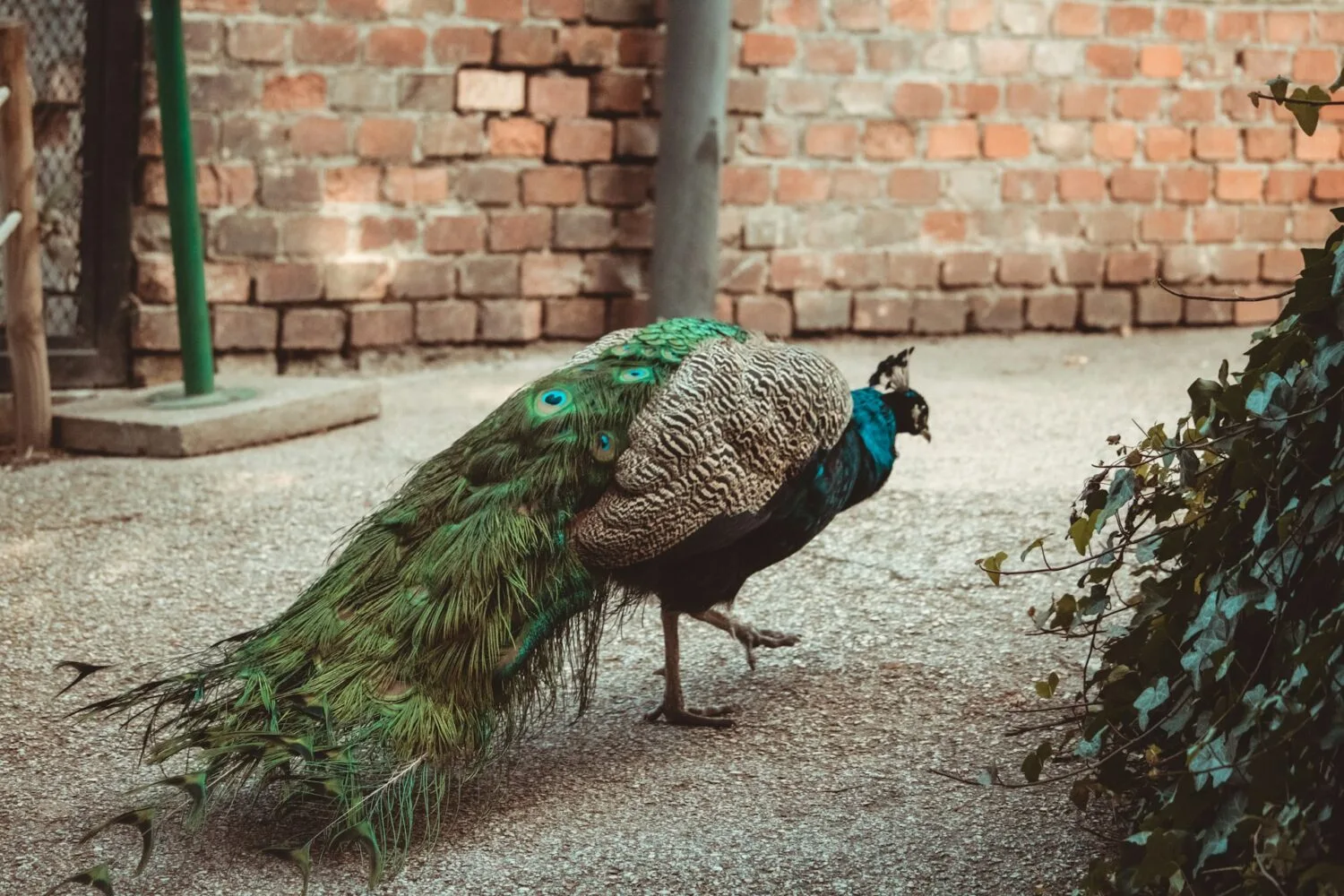
The peafowls need at least 80 to 100 sq. ft. of space per bird. The enclosure might be 10X10 feet for a single bird or pair, but during mating season, 10X20 feet can be too small for adults.
You can see your birds break a lot of the ends of their Y feathers.
Keep in mind that a mature Peacock measures 7-8 feet in length with a 5-foot train. But peahens lack elongated feathers, so they are 3-3.5 feet in length.
Males weigh between 8 and 13 lbs, while females weigh 6-9 lbs.
Though they can fly higher, you should keep the aviary at about 6-8 feet so they can exercise comfortably.
You can use 2×4-inch wire mesh for the fence and top it with 2-inch knotted nylon netting.
Vinyl or PVC post-and-rail, coated high-tensile wire, barbless high-tensile wire, and welded wire can be great options, but avoid lightweight chicken wire.
You need to add predator-proof latches.
Covering the pen also helps prevent the birds from flying over the wall.
Besides, big fowls may require elevated roosts to rest and sleep in the enclosure. Install high perches, maybe at least 4-6 feet off the ground.
Make sure the structures are 2X4 inches wide and have 15-18 feet of roosting space per bird.
2. Keep Peacocks Confined When They are New
Starting with the adult peafowls can be hard for beginners. So, it’s better to keep peafowls from a young age. Bring peachicks or juvenile peafowls in late spring or early summer.
This helps you develop an early bond with peacocks on your homestead or farm.
If you have newly purchased birds, keep them in the enclosure. I think they may require 2-6 weeks to identify their shelter and surroundings.
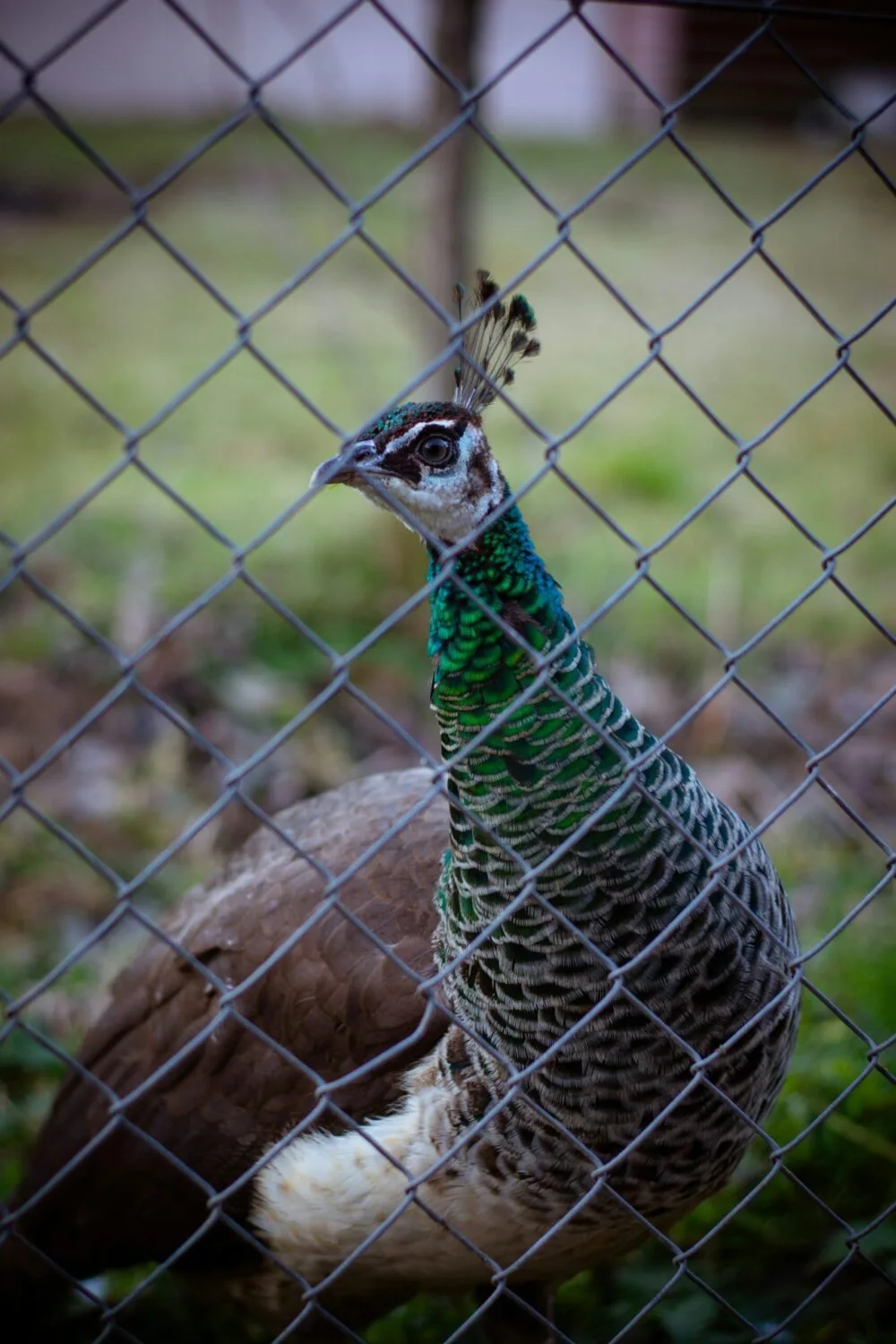
To help them adjust to the new environment, feed the birds at the same time daily.
You can give them all-purpose gamebird feed, cat food, scrambled eggs, cooked rice, grains, chopped fresh greens, dried mealworms, seeds, cheese, nuts, and kitchen scraps.
But avoid basic poultry feed, layer pellets, or mixed corn.
To encourage your bonding with the peafowls, show them extra love and care.
In this, a few treats such as thawed frozen peas, mealworms, kitten chow, and fruits like blueberries and grapes can be perfect.
If your peafowls are in the free range, feeding can sometimes be easier. The bugs and leafy greens are major parts of their diet.
Don’t allow total exposure to the free range or pasture land. Start placing the birds in the zone with fences and under monitoring.
Start with a few hours and a weekly session.
Later, you can provide them a free pass to the pasture with added access when you are sure they don’t leave your property.
3. Create a Natural-Like Setup
The main reason peacocks fly away is that they may not recognize your property as their home. So you need to make the bird’s surroundings more natural.
Peafowls prefer high places for safety and often fly into trees at night. It’s their instinct.
But during the day, they need to roam around, and you need to feed them. In such conditions, many keepers worry about free-ranging their birds.
I have noticed that many free-ranging birds wander during breeding season.
They may search for food or mates. So, don’t keep the single peacock at home or on a farm. They’re social birds and enjoy the companionship of other peafowls.
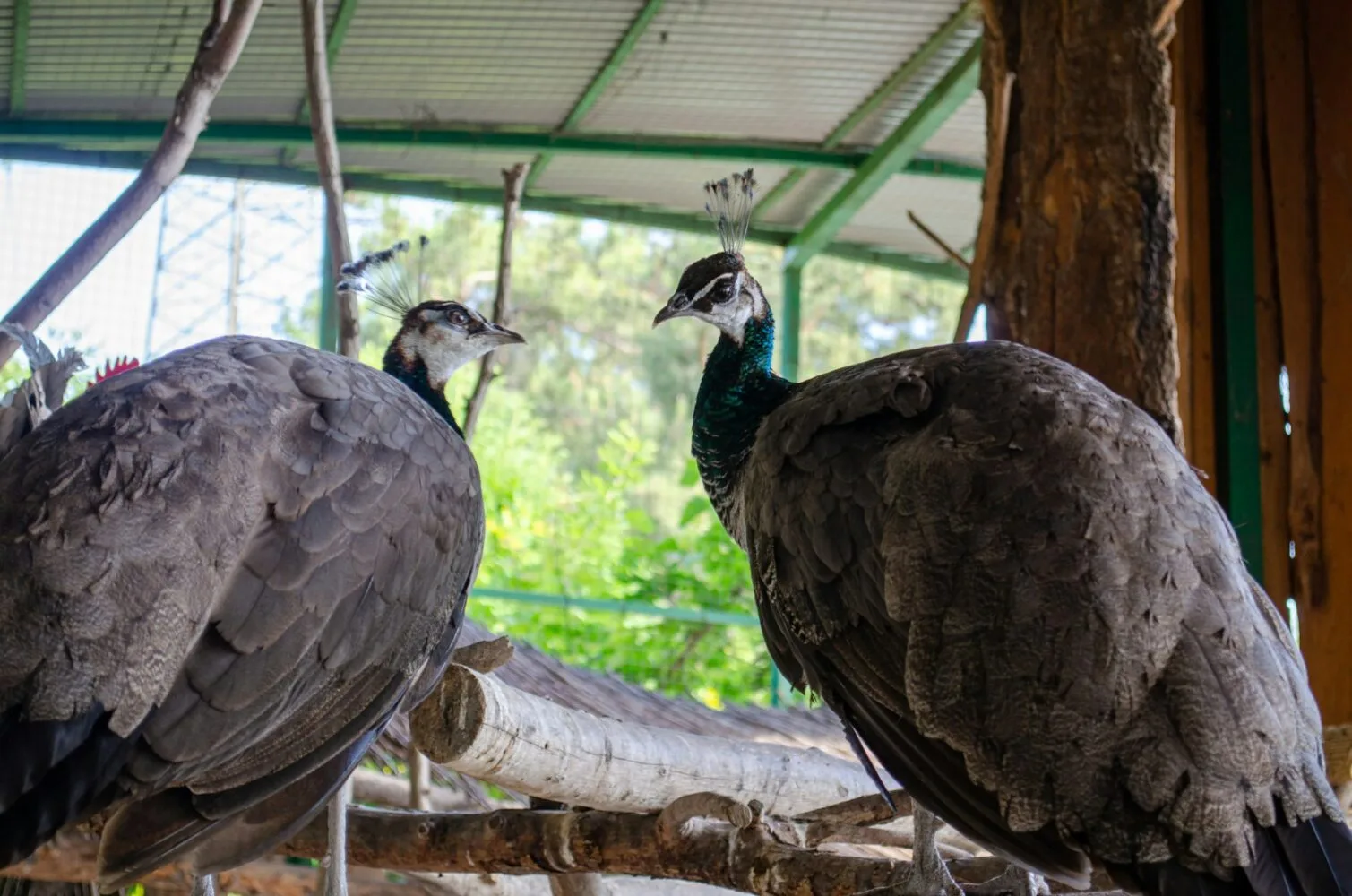
I suggest you keep three females for every male.
This helps maintain a healthy flock ratio and avoid competition between males if you have kept more than one peacock.
Peacocks are one of the game birds that show omnivorous behavior and need a diverse diet.
Their natural diet contains bugs, small creatures, seeds, grass, plants, flower petals, and berries.
So, you need to keep their food or feed station close to the home setup.
Also, provide them with a reliable water source there. Especially, they may need it in the summer, when the hot weather warms them up inside their heavy feathers.
4. Avoid Predator Pressure
Free-ranging birds often face threats from both sky and ground predators. Bobcats, mountain lions, weasels, mink, hawks, and owls are some common predators of peafowls.
Even barn cats and farm dogs can take on these birds.
Young birds, especially birds under a year old, are susceptible to these predators.
They are less familiar with their home territory and more likely to wander off. So, you need to wait until they’re at least 1 year old to go free-range.
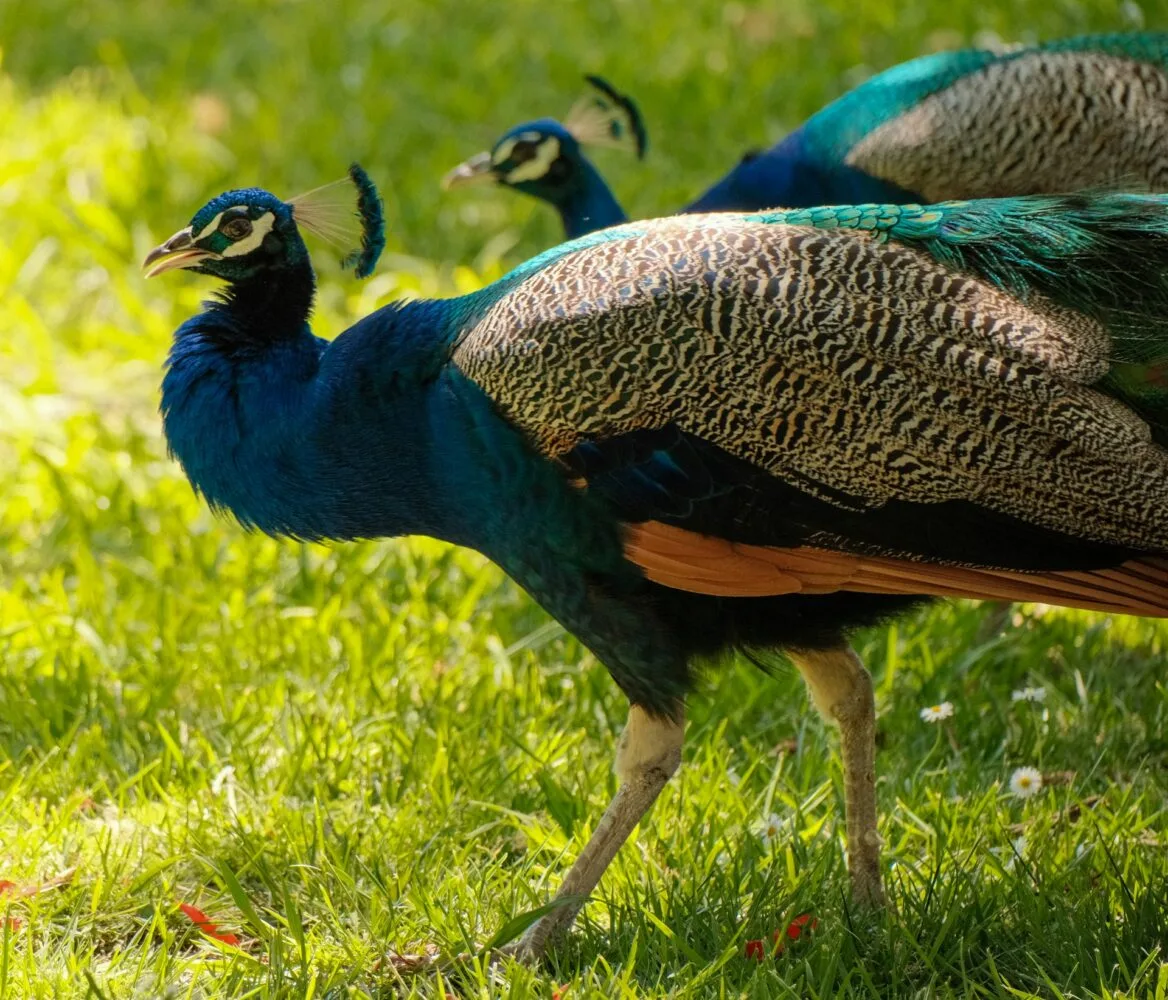
Also, avoid free-ranging during the breeding season, from April to September.
Peafowls between 1 and 3 years old begin seeking flockmates.
So, you need to guard your property and free-range area with a predator-proof fence, and seal the pen and shelter with a secure fence.
5. Reduce Stress and Loud Disturbances
Peafowls may be disturbed by outdoor noise and stressed by overpopulation.
If you have dogs around the homestead or farm, the birds may get triggered by loud barking. So, you need to introduce your dogs to the flock slowly.
Some noise, such as fireworks, machines, and music boxes, can break their peace.
So, you need to keep your birds away from excessive noise. Also, make sure birds have enough space to roam, feed, and rest.
They won’t stay there and struggle for food, water, and shelter.
That’s why keep the surrounding environment peaceful; for this, the countryside and rural areas are the best places to keep peafowls.
6. Train Peacocks to Return Home
You can start with young birds, I mean, yearling peafowls, which are almost full-grown and can adapt to all kinds of weather conditions.
At this time, their size helps them be safe from cats, dogs, and other predators.
If you want to raise adult or older peacocks, buy such birds that were raised in covered flight pens.
They are used to getting outside without being able to fly away.
But if you want to raise peafowls that were raised in the free range for years on someone else’s property, they don’t stay in their new home, no matter how well you train them.
Anyway, you may need to train peacocks for at least a month.
After a month, allow the birds to come out of their enclosure on their own. Don’t keep your dogs with you around the birds.
Let your birds observe the surroundings and monitor their behavior.
You need to free-range or pasture them for half the day, then herd them to their pen house. Repeat this session for several days, with each day allowing more free-ranging.
Also, keep your peafowls in their shelter at night for several months before you allow them to perch in the tree.
During training, use feeding calls whenever you have snacks for them, and keep the sound consistent with the other sounds to help birds recall your calls.
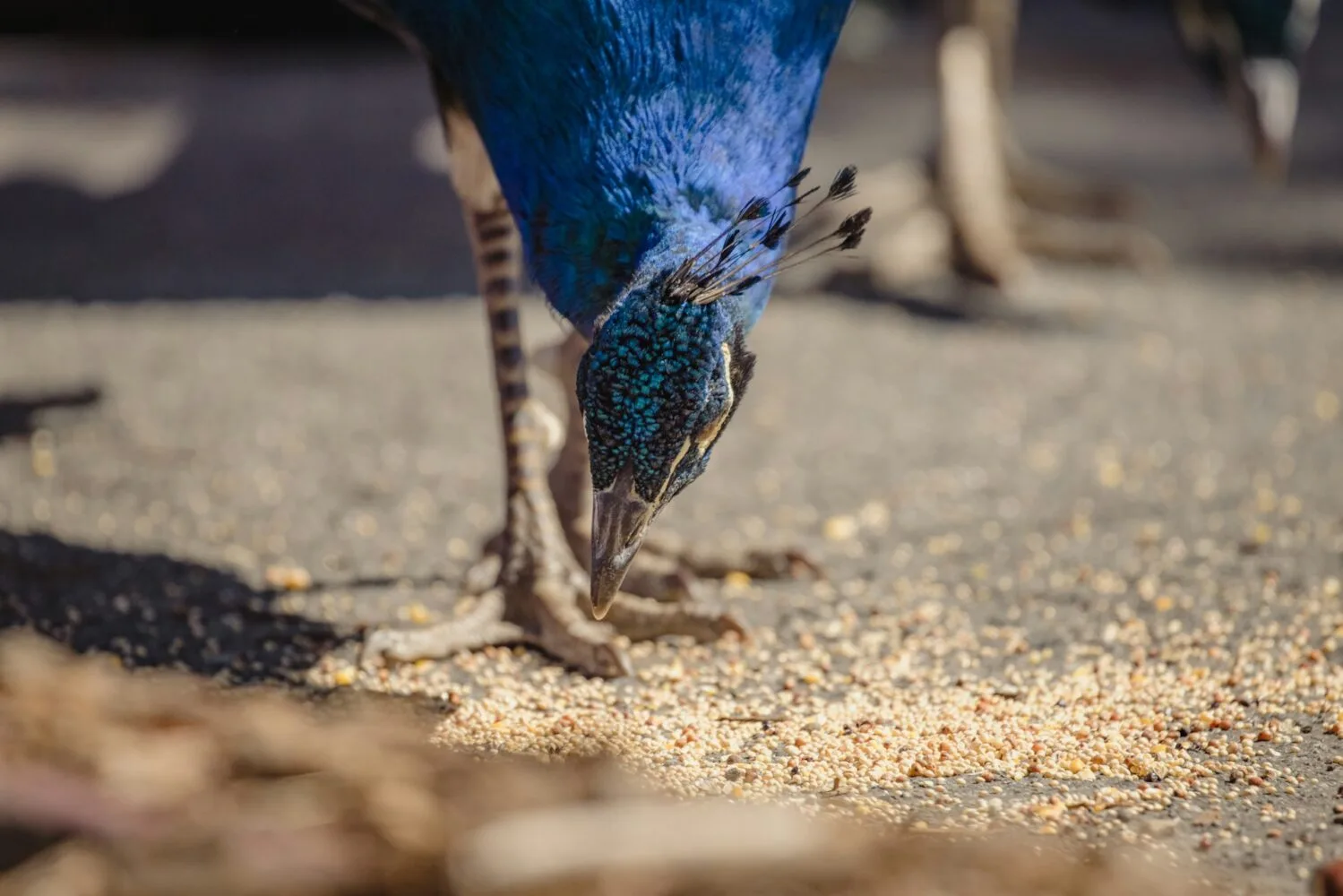
Encourage your birds to return to their home before dusk. For that, you can place their favorite treats, including white bread, lettuce trimmings, raisins, chopped vegetables, tomatoes, grapes, and other fruits.
Final Thoughts
Many clip off peacock wings so that they can’t fly away. But I don’t recommend you do it, as the birds might be scared and walk away at any opportunity.
It’s also like handing your birds over to the predators, as they cannot defend themselves.
Besides, in the winter, birds have to warm themselves under their wings at over 100 degrees Fahrenheit.



Leave a Reply