
If you’re only feeding your goats grass and still complaining about their low yield, you need to consider their diet plan now.
Yes, they can live on grass and eat as much as you offer or allow them. But then, they get diarrhea.
So, make sure they get the right, balanced diet for healthy growth, and you can grow many types of goat feed in your garden.
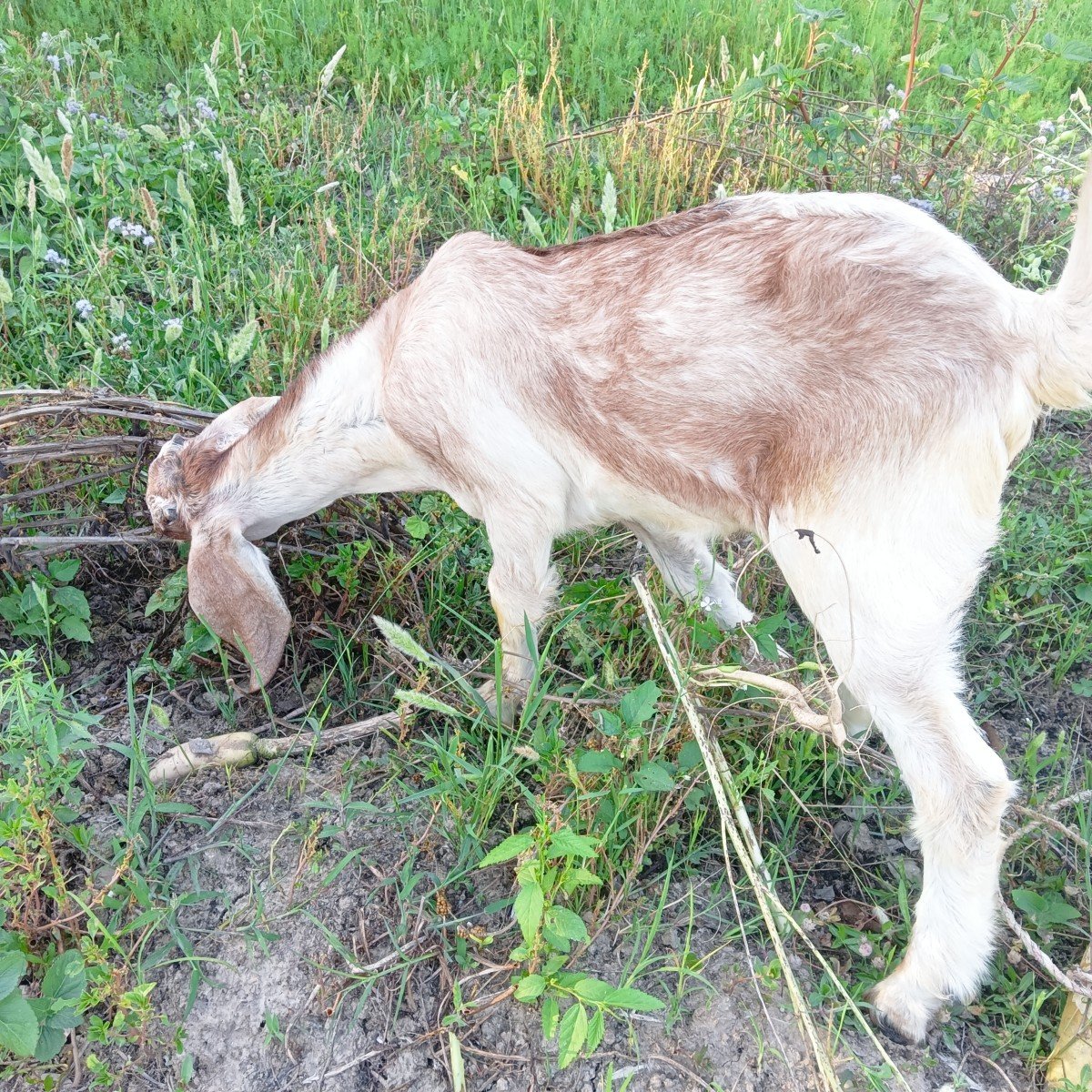
The Core Components of a Goat’s Diet
1. Forage (The #1 Essential)
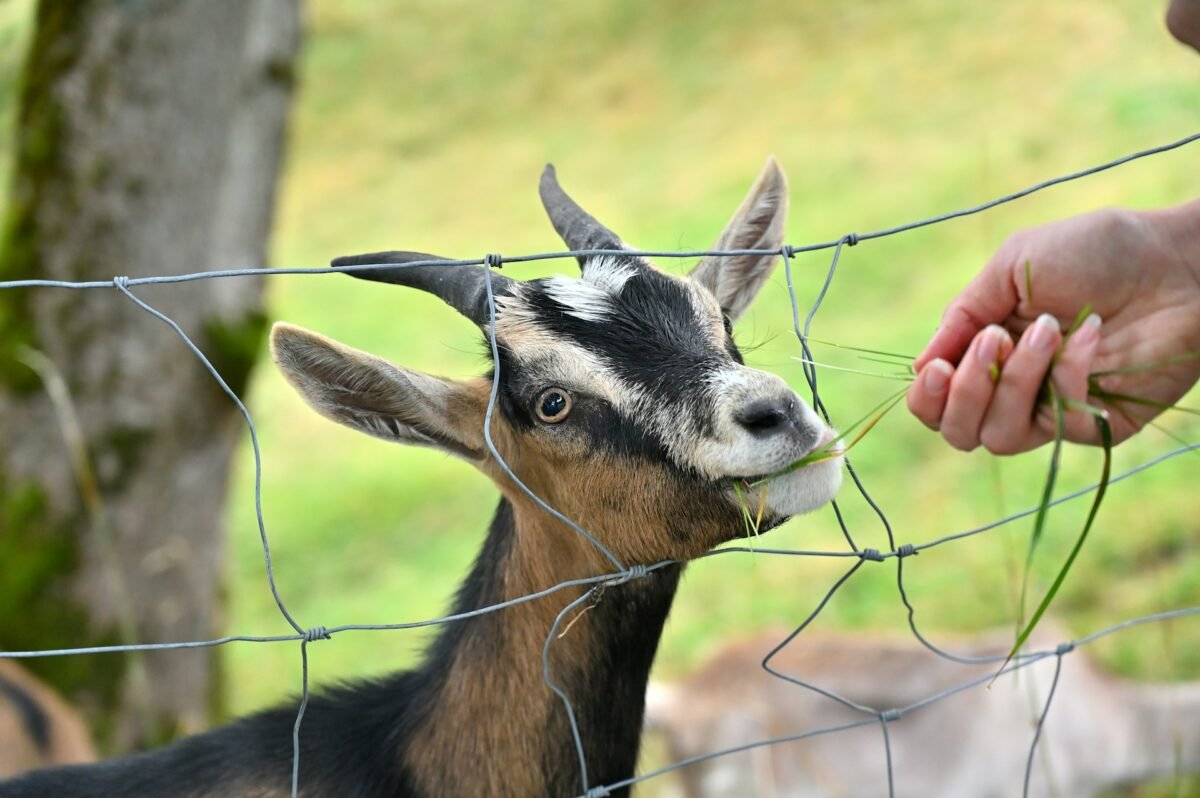
You need to understand that goats are browsers, not grazers like sheep and cattle. This means they prefer to eat feed above the ground.
70–80% of a goat’s diet comes from forage.
Instead of eating whole plants, they prefer parts such as leaves, soft barks, green stems, twigs, buds, vines, and shrubs.
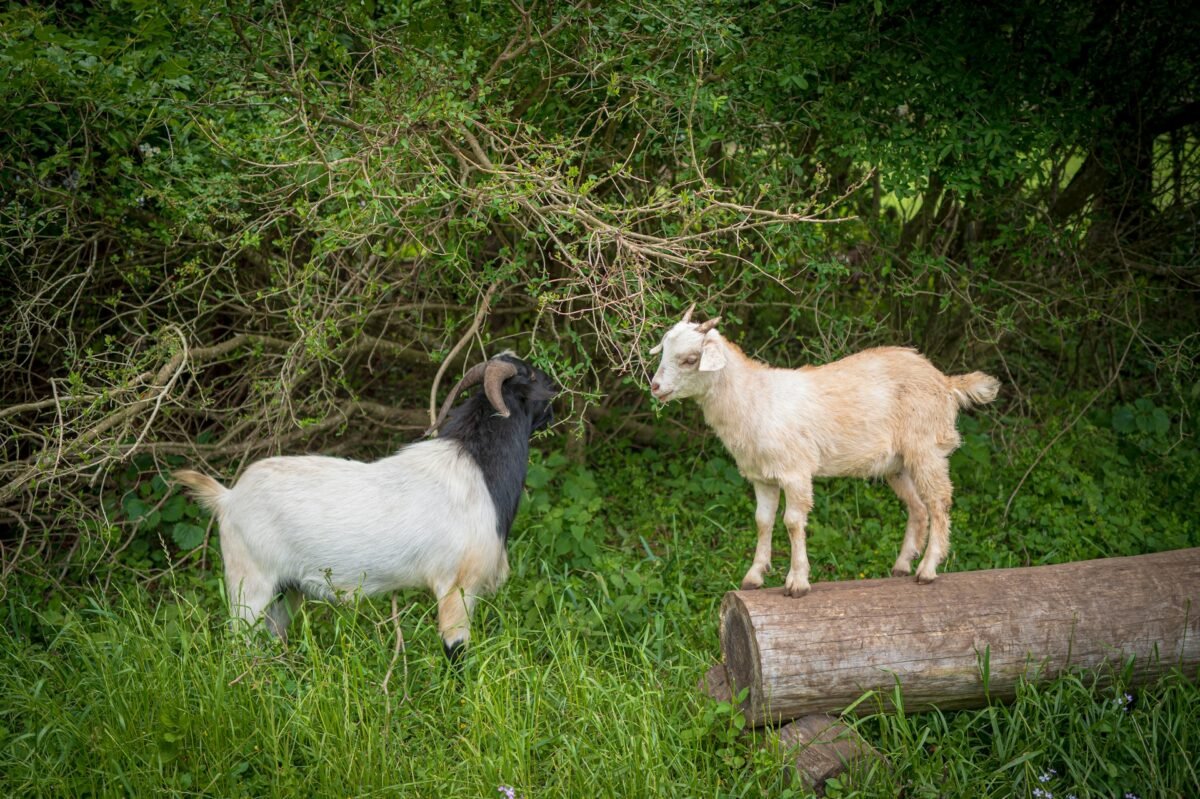
So, you can see these herds extending their heads high above the ground to reach leaves on the tree. They also climb on short trees.
But that doesn’t mean they don’t eat grass. The herds nibble on grass, weeds, brush, and low tree branches.
Browsers are also picky about the forage and eat only high-nutrition feed. If you give goats generic low-nutrient food, they will only play with it and leave it as it is.
Also, they first get the tastiest, best-looking forage, rather than devouring whole clumps of leaves at once.
Therefore, you need a pasture with enough trees, grass, legumes, forbs, and woody browse.
To work with fresh pasture, you need to maintain rotational browsing and foraging so your herd can access forage continuously.
But if you don’t own pasture, or if goats have no access to pasture in the winter, they need to rely on grass hay.
Hay is a good source of protein, and you can feed your herd on it twice a day.
While alpaca hay is great for lactating does, timothy and orchard are good for bucks and non-milking goats.
You need to understand that goats eat 2 to 4 percent of their total body weight. So, if average goats weigh 100 lbs per animal, they would need 2-4 lbs of feed per day.
2. Grains (When and When NOT to Feed)
Grains are supplements, not the main food for goats. So, you only need to feed your goats grains if they require additional calories.
Mostly pregnant and lactating does, growing kids, and underweight goats need it.
But don’t give excess grain, as this can cause overfeeding grain risks such as bloat and acidosis. I suggest you feed no more than half to 1 cup of grain per animal per day.
But that also depends on the goat’s size and activity.
3. Minerals and Supplements
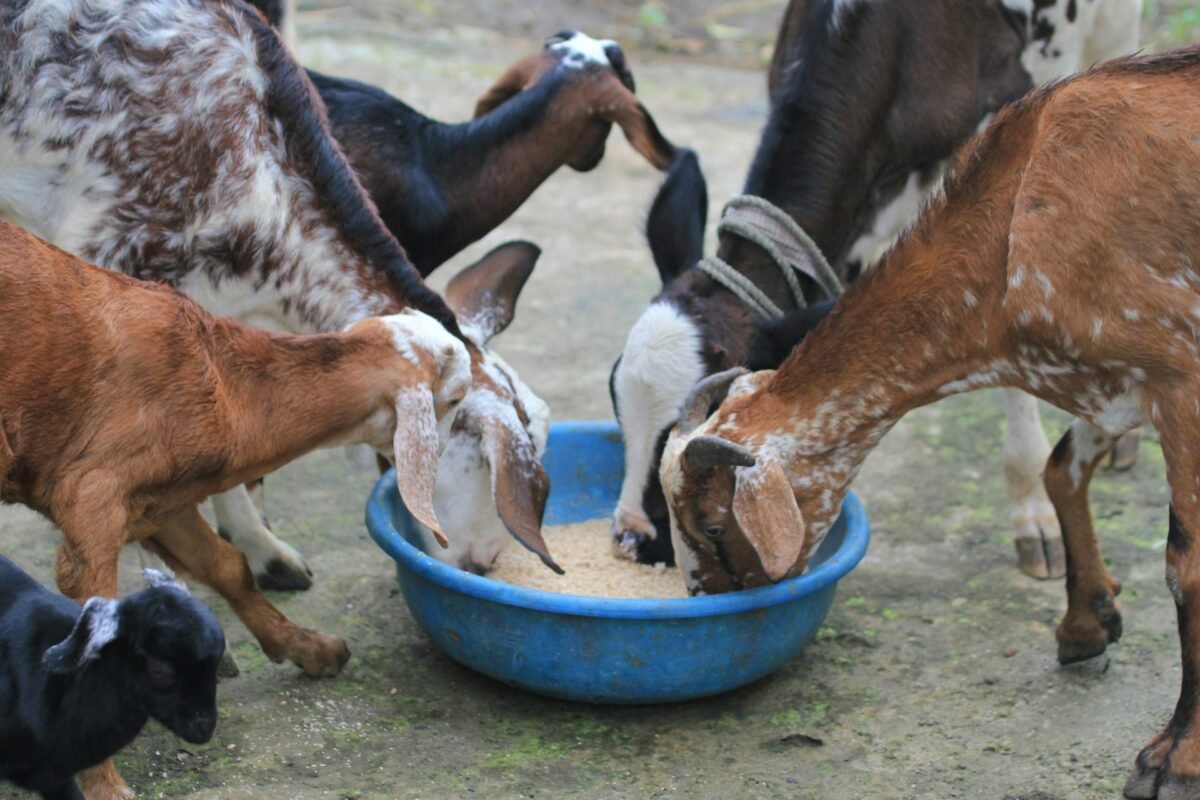
Your animals need to have access to loose, free-choice minerals and supplements designed for goats.
They lick more loose or brick-formed minerals.
As goats cannot reach block-type minerals with their tongue, it’s better to avoid them.
You can feed your herds minerals with added copper, calcium, phosphorus, and selenium. I also suggest you offer baking soda to help prevent bloat in goats.
A few mineral mixes also contain salt. If it doesn’t, use a plain white salt or loose salt for balance.
4. Clean Water (Often Overlooked)
On average, goats need 1-3 gallons of fresh water per day. They would drink more on hot days (especially in summer) and during lactation.
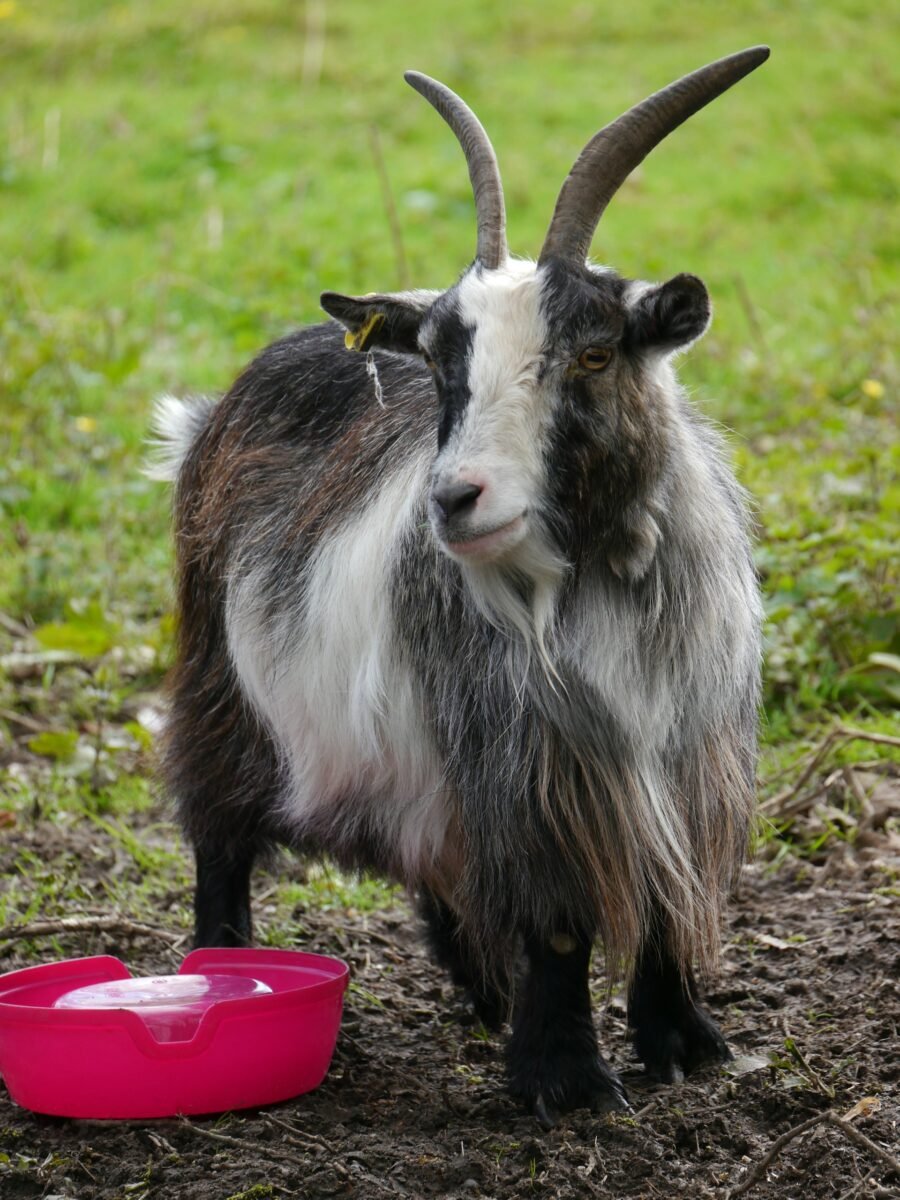
In winter, give your herds warm water. Make sure their waterer or troughs are clean, refilled regularly, and unfrozen in winter.
The water container should be tough enough to resist the goats’ push. Also, they should be designed so that animals can’t defecate inside.
Animal owners use galvanized steel tubs or large drums.
For advanced utility, some use an automatic goat waterer so that you do not need to refill or change their water.
You have to connect a garden hose or water pipe to the automatic goat waterer, and that’s it.
When the goats drink water, the float valve opens, allowing water to refill the container. As the animals finish drinking, the valve closes, and the water supply stops.
Best Foods to Feed Goats
1. Safe Plants and Natural Foods
Trees
- Poplar Tree leaves
- Black Locust
- Douglas Fir
- Spruce Trees
- Yellow Locust
- Cottonwood
- Arborvitae
- Oak Tree leaves
- Elm Tree leaves and bark
- Cedar leaves and bark
- Jambolan leaves
Fruits
- Blueberries
- Strawberries
- Raspberries
- Watermelon
- Celery
- Apple
- Bananas
- Grapes
- Mango
- Pomegranates
- Oranges
- Raisins
- Peaches (after removing pits)
- Grapefruit
- Cantaloupe
Flowers or Bush
- Roses (entire bush)
- Daisies
- Calendula Flowers
- Camellia Flowers
- Sunflowers
- Monkey Flower
- Black Eyed Susan
Vegetables
- Peppers
- Ginger Root
- Turnips
- Cauliflower
- Carrots
- Squash
- Jerusalem Artichokes
- Beets (Pulp)
- Collard Greens
Herbs & Grasses
- Lemongrass
- Mint
- Lavender
- Catnip
- Bay Leaves
- Mustard Seed
- Garlic (small amounts)
- Dill
- Thyme
- Fennel
- Lemon Balm
- Honeysuckle
- Rosemary
- Dandelions
- Oregano
- Mustard (spice)
- Yarrow
- Watercress
- Plantain
- Amaranth
- Clover
Other Plants & Vines
- Jojoba
- Wandering Jew Plant
- Lilac Bark
- Mullein
- Bramble
- Kudzu
- Sow Thistle
- Greenbrier
- Marshmallow Herb
- Salvation Jane Plant
- Indian Currant
- Coyote Bush
- Sassafras
Legumes & Grains
- Soybeans
- Cow Peas
- Corns
- Peas (cooked)
- Oats (raw or cooked)
2. Pellets for Goats
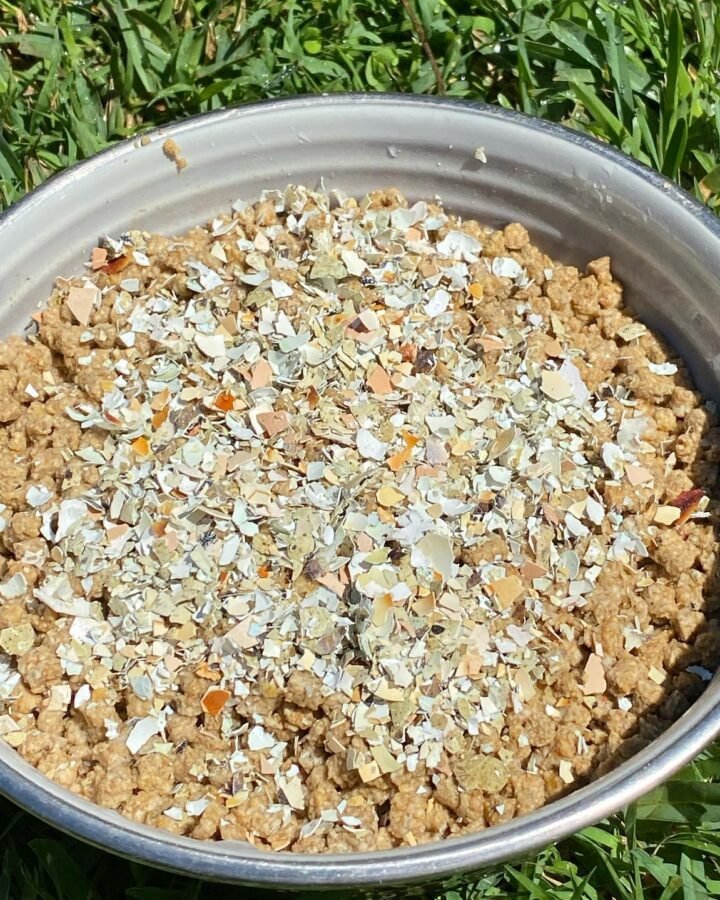
Pellets are compressed feed, which helps prevent herds from making waste. When feeding goats, grass, grains, leaves, minerals, and garden crops, they leave most of them uneaten on the ground.
When you refill the dropped feed in the feeder, they don’t eat.
And those residues go to waste without proper use. So, pellets help livestock consume all of the feed.
You can prepare your own pellets for your animals using a pellet machine. I have my own recipe for this.
Ingredients:
- Oats/Barley
- Mineral Oil
- Molasses
- Red Raspberry Leaves
- Black Oil Sunflower Seed
Mixing ratio: 15 : 2 : 1 : 1 : 1
Remember, goats require some amount of long-grains, like hay, so don’t feed your herd pellets alone.
3. Kitchen Items Goats Can Eat
Many human foods goats can eat in moderate amounts. They love corn chips, Bread, popcorn, honey, and others.
But that doesn’t mean you feed goats these kitchen foods every day. Use them as a special treat.
You can also offer some vegetable peels and fruit scraps sparingly, not the regular ingredients in their diet.
What NOT to Feed Goats
Trees
- Elderberry Trees
- China Berry Trees
- Chokecherry Trees
- Red Maple Trees
- African Yew
- Ficus
- Cherry Trees
- Plum Trees
- Ponderosa Pine Trees
- Yew
Nightshades (Solanaceae family)
- Horse Nettle
- Raw Potatoes
- Potato Weed
- Cestrum
- Datura
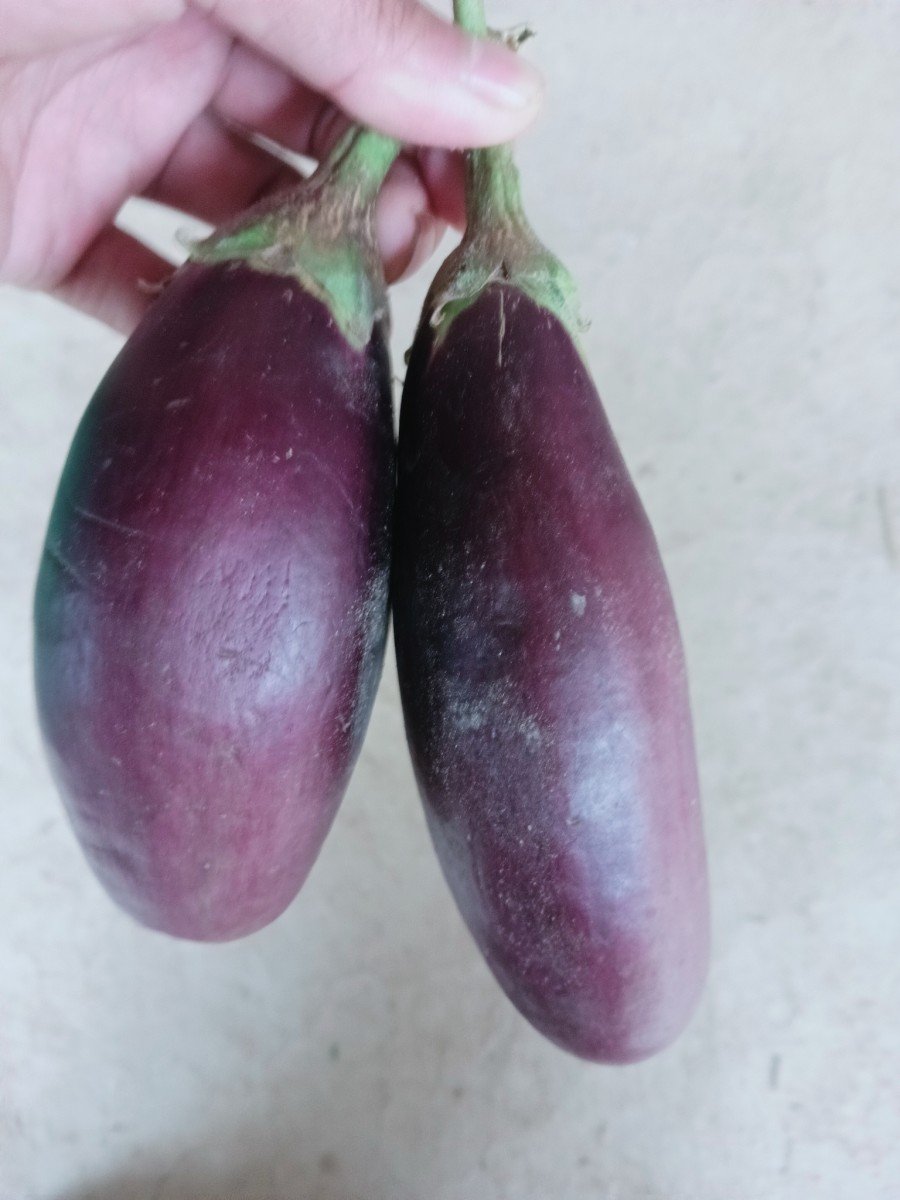
- Eggplant
Shrubs & Ornamentals
- Burning Bush
- Brouwer’s Beauty Andromeda
- Althea
- Boxwood
- Oleander
- Japanese Pieris
- Azaleas
- Mountain Laurel
- Dog Hobble
- Rhododendrons
Herbaceous & Wild Plants
- False Tansy
- Coriaria Arborea Plant
- Mayapple
- Fiddleneck
- Buttercups
- Blue Lupin
- Flixweed
- Water Hemlock
- Castor Oil Plant
- Goat’s Rue
- Fireweed Plant
- St. John’s Wort
Flowers & Garden Plants
- Lilac Flowers
- Morning Glory Flowers
- Iceland Poppy
- Garden Iris
- Lily of the Valley
- Foxglove
- Vines & Climbers
- English Ivy
Others
- Bracken Ferns
- Dumb Cane
- Calotropis Plant
- Kale
- Rhubarb Leaves
- Avocadoes
- Gourds
- Pokeweed
Tips for Feeding Goats
- Establish a regular or fixed feeding schedule. For example, twice a day, but that can be changed based on the herd’s access to pasture.
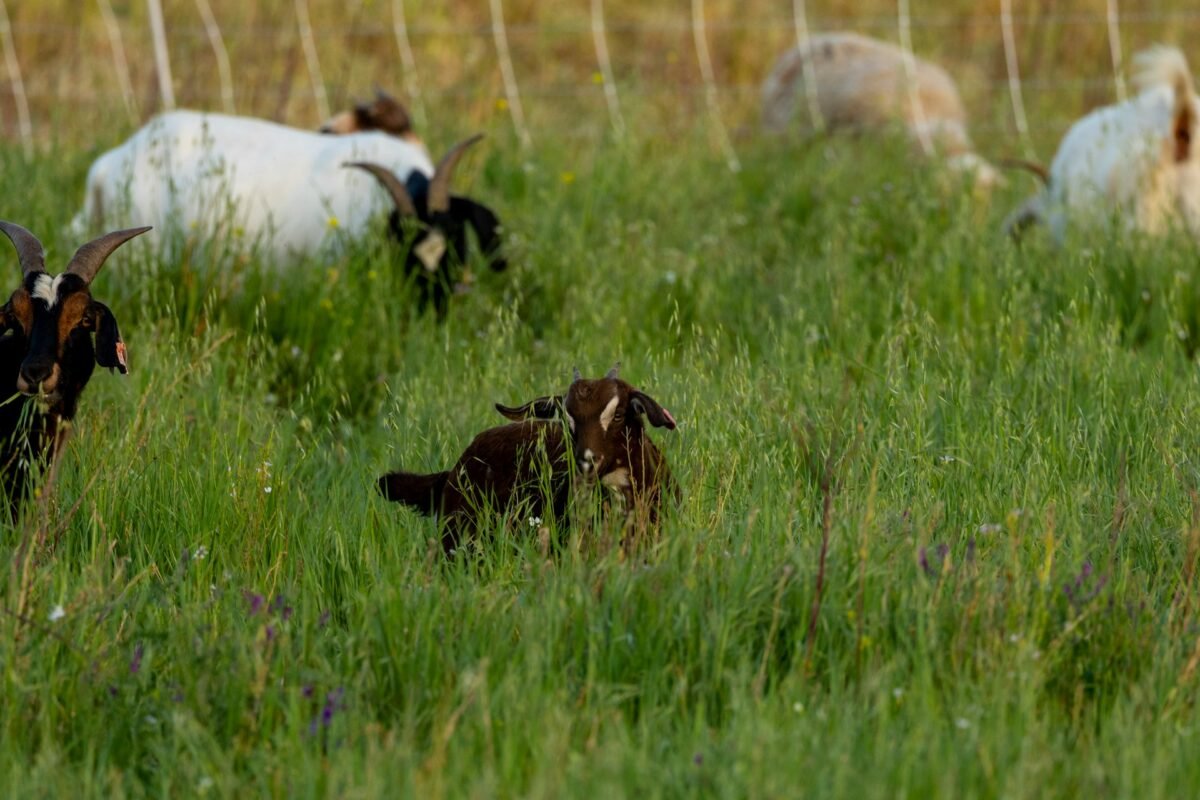
- The healthy goats have a body with visible ribs and a rounded appearance. So, monitor their body appearance and adjust the diet accordingly.
- Their body tells the signs of nutritional deficiencies, including poor coat condition, lethargy, and visible changes in appetite. If so, consult the professional.
- If you have to change their diet plan or introduce a new diet, make sure you don’t do it all at once. Gradually change the feed every few days to help livestock adjust their digestive systems.
- Use treats like fruits and vegetables only to train and make a bond with herds.
- Don’t offer processed food like chocolate and avoid moldy hay, too much grain, and lawn clippings.
- If you cut trees to make firewood, leave your goats on the tree to finish eating leaves.
Final Thoughts
Goats forage the whole day through the bush and grass. Then you can give them a flake of alfalfa in the afternoon and a handful of grains or pellets at night.
If you haven’t added minerals to the pellet, you need to provide them with loose minerals separately, only to lick.
Also, you may need to store lots of hay and grains for winter feed, as there won’t be pasture forage outdoors in the snow.
Leave a Reply