
While everyone focuses on the overuse of land on the homestead, a healthy pond shelters and sustains countless organisms, including fish.
I had a childhood friend who supported himself with a 1-acre pond full of fish, including bass, catfish, and bluegill.
Each type of pond is unique in its features, so instead of telling you exactly what you need to do, I’m sharing a few ideas to explore.
1. Earthen Fish Pond
This is the oldest or easiest to build pond for fish farming. It’s a close-to-natural water reservoir for aquaculture, followed by a river and stream, or a lake.
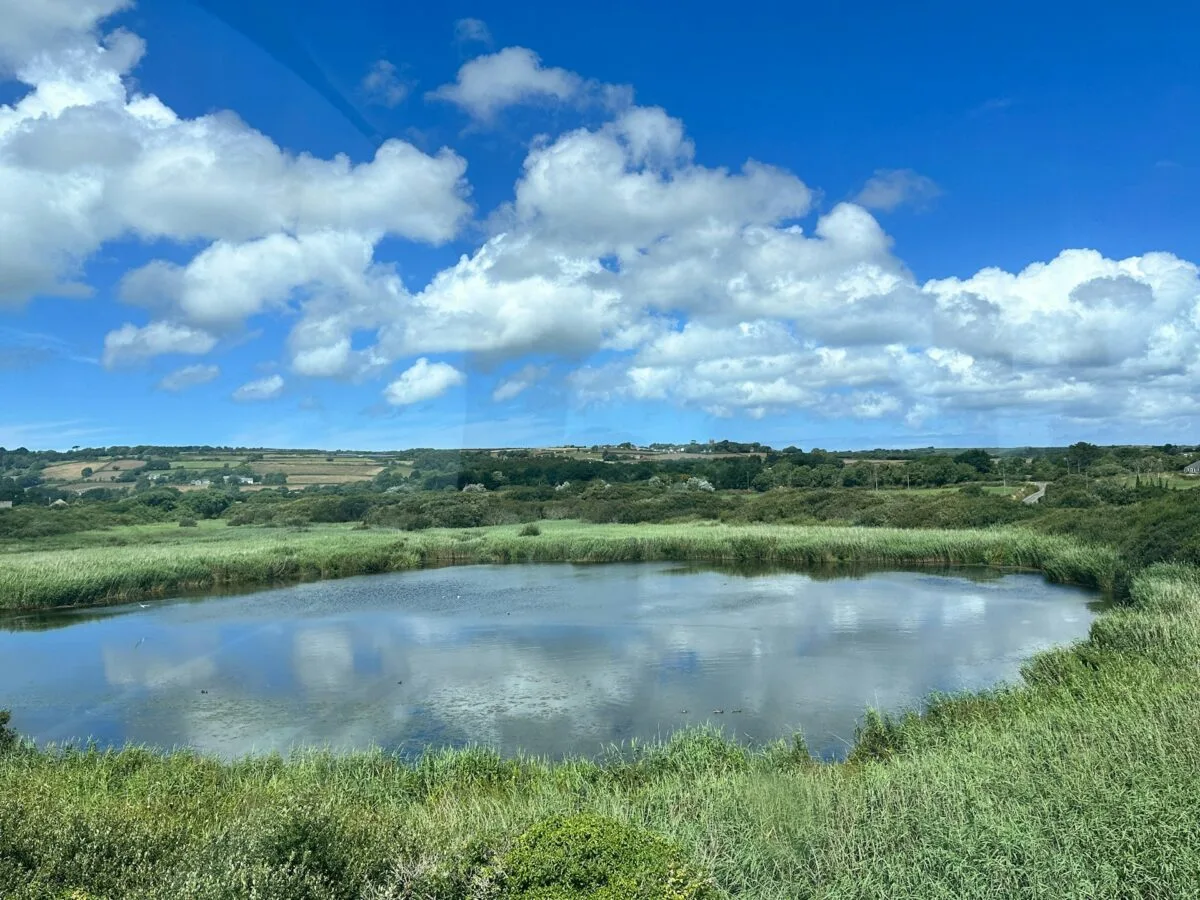
To build this, you need to excavate the land. The clay soil supports this type of pond.
Also, choose a waterlogged location to build this type of pond.
Make sure the pond is around 5 feet deep.
After digging the hole, pile the excavated soil along the edge of the pond. This helps make a raised boundary of the pond and prevents water and fish from escaping.
An earthen fish pond mostly supports Tilapia, Carp, and Catfish farming.
Pros
- They provide the most natural fish farming system. Traditional fish farming pond.
- Natural ecosystem, including flowers, grass, frogs, and bugs, grows there.
- Low construction and maintenance cost
- Supports algae, water filtering plants, and natural fish food.
- One year to culture fish and six months to culture prawns.
Cons
- If the land has sandy soil, the pond water leaks, and you need to refill it often.
- The ponds are harder to clean as muddy water is everywhere. If barren of plants, the pond is at high risk of being buried.
- Predator risks (birds, snakes, and cats)
- Only two yields you can expect.
2. Lined Fish Pond
You can also call it a rubber or plastic pond with pond liners made of EPDM rubber or plastic sheets.
It’s very popular among the backyard homesteaders.
Lined ponds require little space to build. Though its water capacity isn’t large, it’s very beginner-friendly.
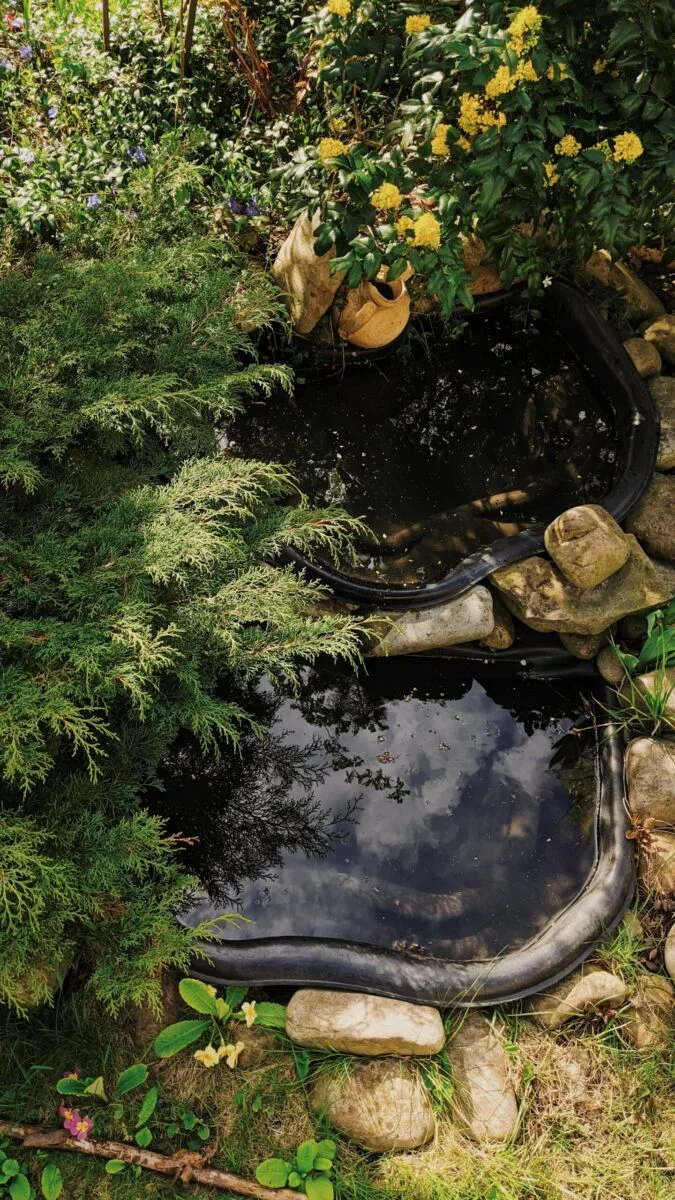
They are great for fish for home farming or backyard decoration, and useful for urban homesteaders.
To build this, you can dig a hole in the ground, remove the soil, and insert the lined materials. Make sure you plan or design the pond shape before lining.
You can also place some rocks at the end to make it look natural.
Or you can raise fish in the plastic container above the ground.
Pros
- The container is made of waterproof materials, and the pond is leak-free.
- It’s easier to clean the pond and water. You can access every corner of the pond and easily remove fish waste.
- The pond is small, so you can easily manage the water in it.
- You can build this type of pond in most soil types.
- It’s portable, so if the location isn’t ideal, you can remove the setup and relocate the pond.
- Lined ponds are great for raising the hatchlings and fingerlings.
Cons
- Expect high setup costs.
- Liners can puncture, so you need to monitor them frequently.
- It needs careful installation.
- The pond can heat up under direct sunlight.
- Cannot host a large school of fish or big fish.
3. Concrete Fish Pond
As the name suggests, a concrete fish pond is constructed from blocks, sand, and cement.
You can build it anywhere in the homestead, but under the shade is more preferable.
Mostly, I have seen these ponds with raised concrete walls and bottoms, and the walls and bottoms plastered to prevent water leakage.
It’s good to build dividers (concrete wall) in the big pond so that you can keep both juveniles and adults without disturbance.
You can easily raise fish such as Catfish, Tilapia, and Koi in this pond.
Pros
- Concrete pond is more durable and long-lasting.
- It is easy to clean with no muddy water. No plants or algae can grow there.
- You can see the fish in the clean water and identify the issues they face. This way, anyone can control diseases and pond problems there.
- 3-4 yields are possible.
Cons
- Small ones are affordable, but bigger ones can be expensive to build. Material cost, construction charge, and many others.
- Water temperature may fluctuate due to the concrete surface.
- This looks like a less natural environment.
4. Container Fish Pond
I love this DIY pond, which you can make from available resources such as tanks, barrels, tubs, IBC totes, and even wood.
This is a beginner-friendly pond idea.
The most popular example is a tarpaulin pond, which is built from wood or galvanised pipes, and then covered with tarpaulin.
You can construct it in your backyard and farm fish such as Goldfish, Tilapia, and small catfish.
Pros
- I think this is an affordable startup option.
- Even if you have a small space, this is best suited to the backyard.
- You can easily disassemble, shift, and reconstruct it.
- If you’re only a beginner, you can start learning fish farming basics with this type of pond.
Cons
- You know, it has a limited fish capacity, not big enough.
- Pond water may heat quickly.
- You need to monitor your pond most often. Leakage, water temperature, fish health, etc.
- As it’s flexible enough, heavy wind, rain, or flood can break down the pond.
5. Natural Wildlife Pond
It mimics a natural water reservoir, such as a lake, stream, or river, which makes the ecosystem self-sustaining.
Not only fish but also this wetland attracts native species and shelters organisms such as aquatic plants, insects, frogs, and beneficial bacteria.
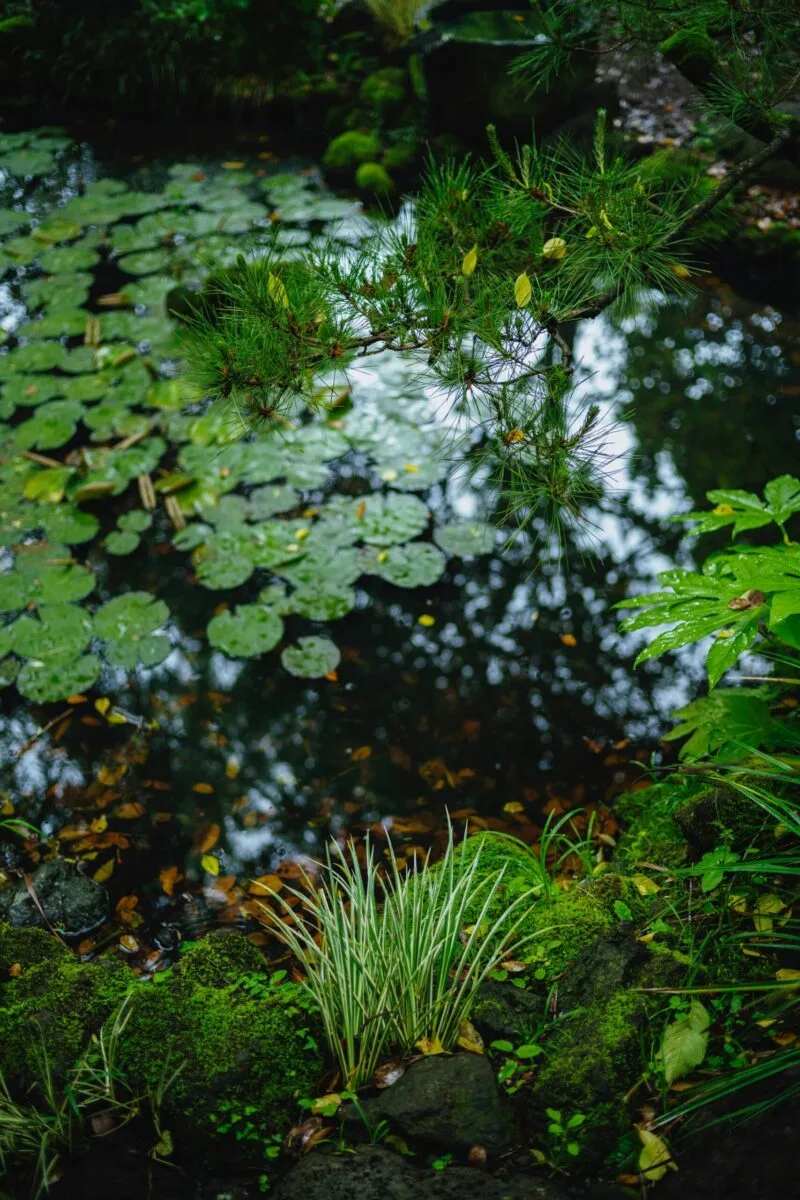
But the fish may eat frog eggs and the bugs’ larvae there.
Unlike traditional ponds, this pond includes aquatic plants and a soil substrate for natural filtration.
Mechanical pumps and filters can disturb small wildlife, so avoid them.
While other ponds have a hard bottom surface, you need to put dirt and soil in the bottom of the wildlife pond.
This helps grow submerged plants, which filter the water and feed the fish in there.
Pros
- Native vegetation (flowers and plants), small species, and clean water add aesthetic charm. This can be the showstopper for visitors in the backyard.
- Supports biodiversity and keeps the surroundings more natural and rustic.
- It depends on little to no chemicals.
- The pond also attracts beneficial pollinators that help boost backyard crop yields.
Cons
- I don’t think you will expect enough fish to be harvested. And this might not be the ultimate goal for food.
- The setting is open, so predators visit most often.
- As you do not need to clean the pond, algae overgrows there.
6. Aquaponics Fish Pond
Aquaponics allows you to combine fish farming and hydroponic gardening together in a single system.
In this system, the fish produce waste and ammonia in the water, and some beneficial bacteria convert the ammonia into nitrites, which are then converted into nitrates.
Nitrates are used as a liquid natural fertilizer for plants, which filter the water and supply it to the fish.
The water chain connects both the fish and the water, so you need not do much cleaning or managing of the water.
I think Tilapia, Trout, and Bluegill are the popular choices for farming in this pond.
Pros
- You can raise fish and grow vegetables together at the same time.
- This system helps conserve water.
- The indoor setup supports sustainable living.
- Vegetables grow faster in the water than in the soil.
- You can keep this system in a small space and get most of the yield.
Cons
- You need to have more technical knowledge to start and maintain the system.
- This also requires pumps and filtration, even though there is a biological cycle.
- You must know, this can break your wallet.
Final Thoughts
When building a fish pond, you need to consider the depth, as fish require cold water and remain at the bottom, coming to the surface only for food.
The small backyard pond can be beginner-friendly or add to the homestead’s charm. If you want to farm fish for food, you may need a 1-acre pond for a family of two.
Also, small seasonal ponds often end up as shallow, muddy wetlands with an excess of mosquitoes. So, the bigger the pond, the better for fish farming.






Leave a Reply