
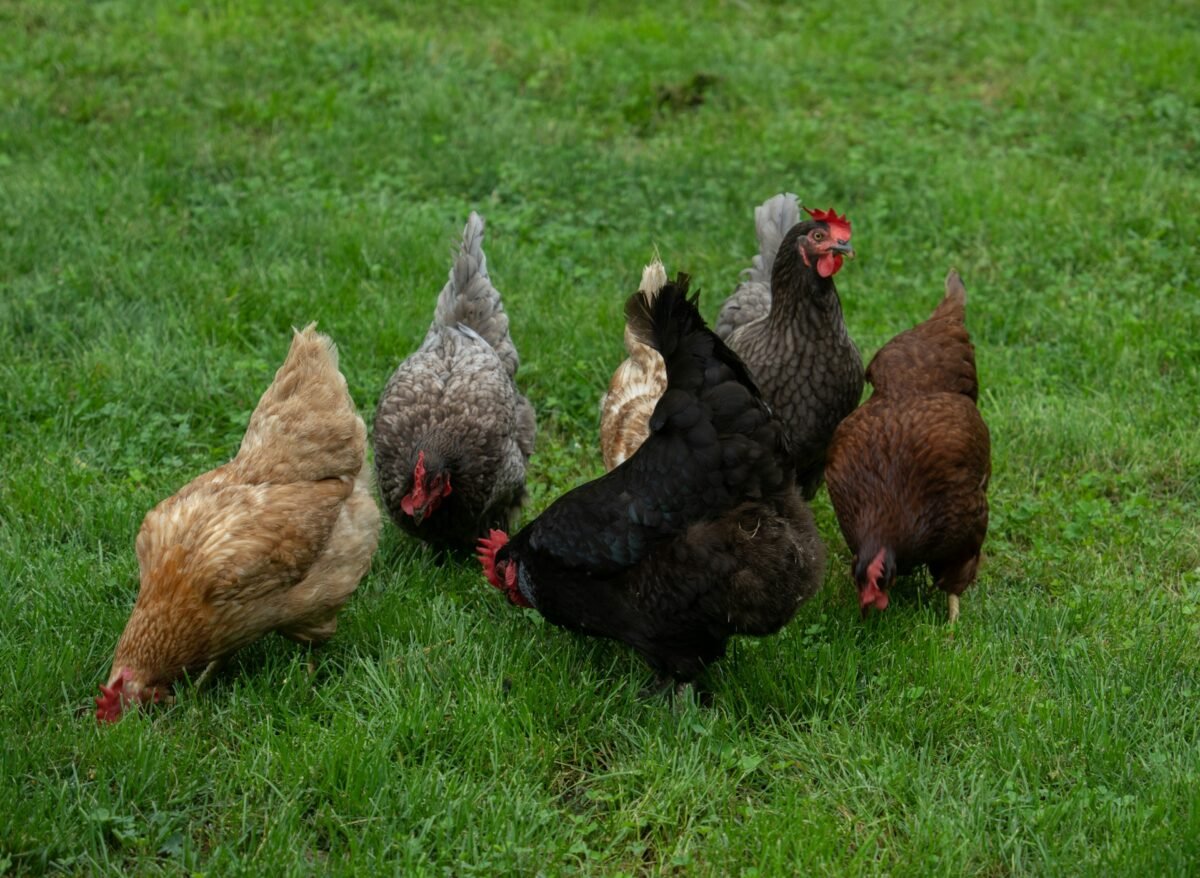
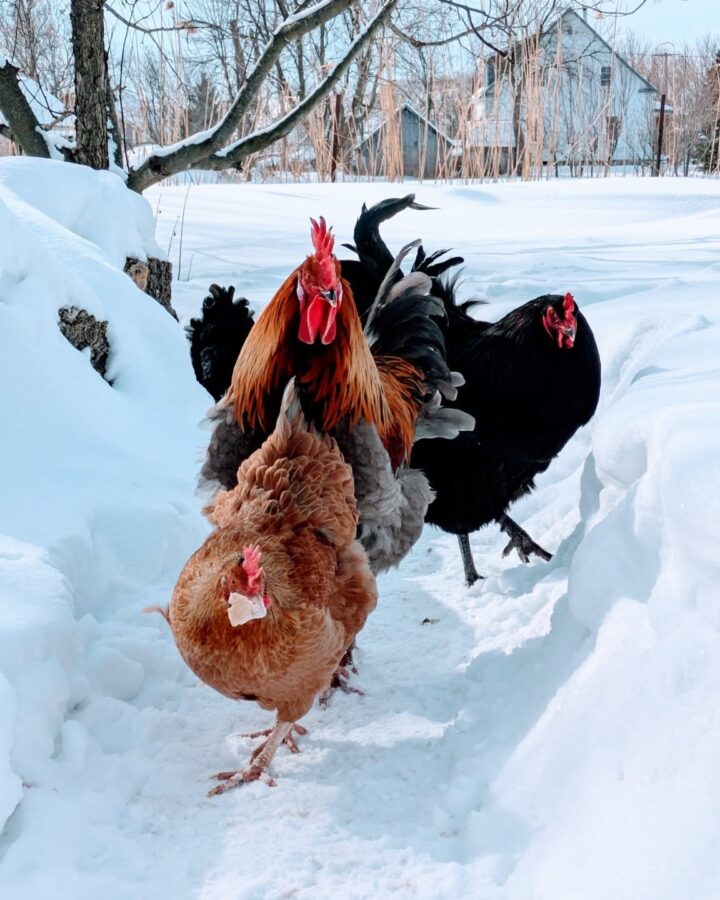
My chickens free-range every day, but they stay near their coop and in the barnyard, finding the best place to hang out in the flock.
I have to drive them with other poultry by chicken tractor in the garden, where they can forage for lots of bugs, seeds, and grass.
Whenever they cluck, I become alert, expecting some predators nearby. So, you need a few things to consider while free-ranging chickens in your backyard.
Benefits of Free-Ranging Chickens
1. Healthier and Happier Birds
In the coop, chickens face limitations on space and resources. But they can do anything outdoors if you allow.
From scratching the ground to a dust bath under the canopy of a large tree, it makes them feel fresh and happy in the natural setting.
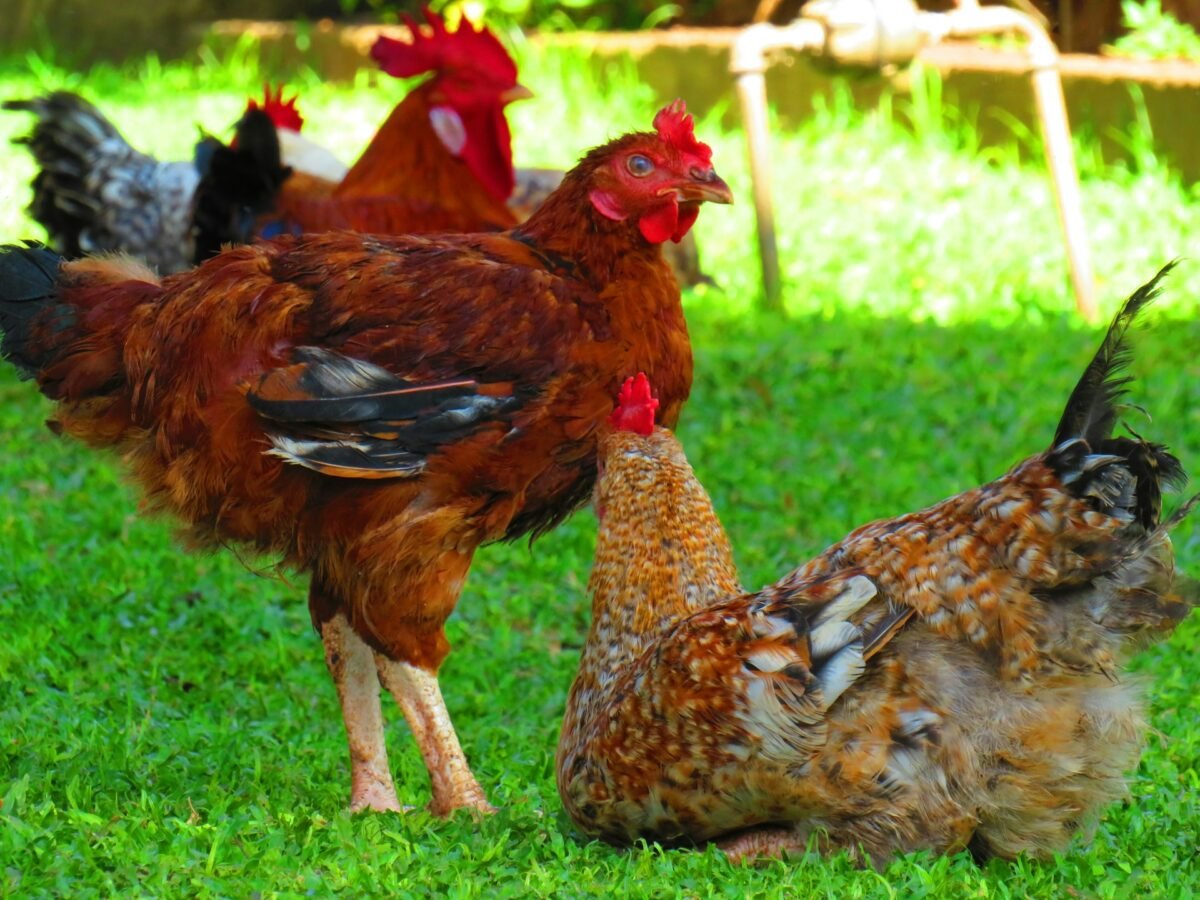
They can run, flap, and perch in the tall structure. This helps chickens get exercise and sunlight and reduces stress and boredom.
2. Lower Feed Costs
In the free-range setup, chickens forage for bugs, seeds or grains, and peck grass, flowers, and fruits.
They also eat kitchen or table scraps scattered on the ground and clear it.
If you let them free-range all day, you only need a small amount of snacks. This way, you can save on feed cost.
3. Better Eggs and Meat Quality
I’m sure you have realized how much different the eggs and meat quality. With fresh and natural feed, hens develop richer, brighter yellow yolks.
Also, their eggs have more flavor and nutrition.
Exercising all day, chickens gain healthy weight. So, they are better than pellet-fed or grain-fed chickens in terms of meat flavor and texture.
Their meat is darker, moist, and tasty. And cooking with firewood in the traditional recipe provides rustic flavor.
4. Natural Pest and Weed Control
Do you know that chickens help remove bugs and insects from your backyard garden?
They reduce ticks, grasshoppers, beetles, and garden weeds.
But there should not be crops or produce. Otherwise, they focus on the garden harvest rather than worms.
It is a great idea for orchards and gardens after harvest.
5. Improved Garden Harvest
Apart from reducing pests, chickens also provide natural fertilizer in the backyard.
Though it takes time to decompose, their waste really helps enhance soil fertility and improve crop yields.
They can also till your raised bed while foraging.
Challenges of Free Range Chickens
1. Predator Risks
When chickens are out of the coop and run, they are exposed to the outdoors, and anyone can access them from the ground or the sky.
Predators like hawks, foxes, dogs, raccoons, snakes, and coyotes are always looking for a moment to grasp your birds.
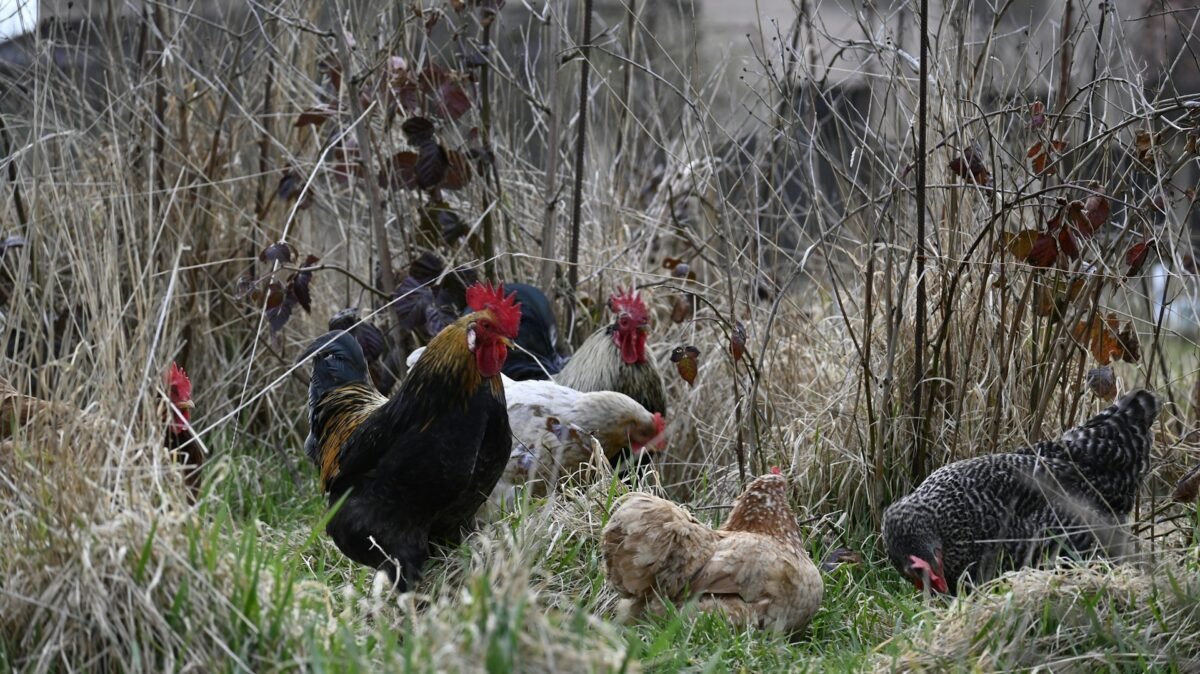
The risk is higher in areas with dense woodland and bush. Also, the piles of firewood, old furniture, and rocks nearby serve as hiding places for predators.
2. Garden and Landscape Damage
Chickens don’t hesitate to destroy your beautiful backyard setup if you keep them free-range around. They only care about finding food and nothing more.
They can scratch the mulch, uproot the seedlings on the raised bed, and eat everything you grow there in the ground for yourself.
You will witness the bare plants without leaves, flowers, berries, or fruits within their reach.
Also, they won’t spare the flower beds, potted plants, vines, or the herb garden.
3. Egg Hiding and Roaming
Though free range is a privilege for chickens with access to lots of enrichment, you have to find your chickens and their eggs sometimes.
Hens like to lay eggs in the hidden spots. Many times, I find their eggs in the heap of hay and in the ditch where they dust bathe in the backyard.
Birds don’t know the boundary and may wander into neighboring properties. So, your neighbors may complain about it.
The untrained chickens may not come home to the coop even after dusk. They can roost the whole night in the tree.
4. Disease and Parasites
When exposed to the outdoors, chickens may come into contact with wild birds and contaminated areas.
So, they can catch some diseases and parasites from other animals, which may spread throughout the whole coop.
It will be harmful to free-range your birds if you spread some chemicals, such as herbicides or pesticides.
5. Undity Environment
Wherever chickens go, they scratch and scatter everything (a heap of garlic or a garden harvest, compost pile, and earth).
Besides, they leave their waste everywhere. You can see their poops on the vehicle, porch, and patio.
So, you need to clean your surroundings very often.
Also, they may come under cars and tractors. When I till my land, they run after it for bugs and sometimes get run over.
How to Prepare Your Property for Free Range Chickens
Build a Secure Coop
Whether you want your chickens to forage all outside or want to raise them inside, you need a predator-proof and weather-proof coop.
The free-range chickens also require shelter at night.
So, the secure coop essentials include strong locks, hardware cloth, ventilation, and roosts and nesting boxes. With available resources at a farm or home, you can make many types of chicken coops.
If you don’t have a separate space for free range, you can allow your birds to roam around the coop.
Create Safe Ranging Areas
The safe free-ranging space means there would not be predators, strange animals, or hostile livestock.
Chickens are often scared of ducks, geese, cats, and dogs if they are not trained to be around them.
So, you can start with small areas where you can easily supervise yourself.
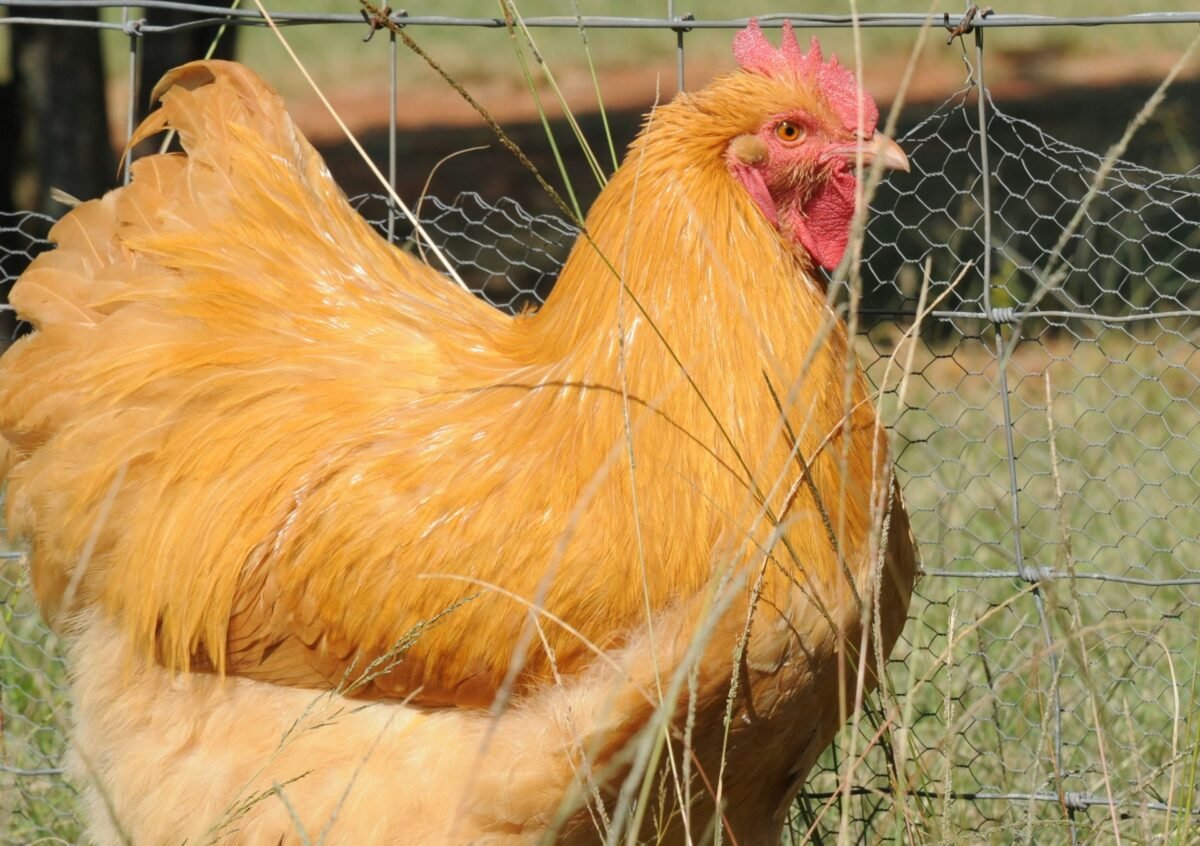
If you want to keep them untouched from other animals, you can use low-height temporary fencing.
I keep my different poultry flocks in separate fenced areas so they can work on themselves without disturbance from large livestock.
Protect Gardens and Valuable Plants
It’s only better to allow free range if you have already picked your garden produce. And there would be only spare, useless for you, but some feed for your birds.
Now, you don’t bother them pecking on the crops and vegetables.
Also, it’s time to change the soil in the raised bed, so scratching and tilling the soil doesn’t harm your garden.
But if your backyard garden is full of fresh produce, fencing is the priority. Make some chicken-safe zones for your flock.
But some plants chicken won’t eat, even if you free-range them without care.
Provide Shade and Water
The backyard, with small ponds and dense canopies beneath the tall trees, is a luxury for chickens outdoors.
But if you have only an area with open sky and without a fountain or backyard pond, you need to arrange for shade and clean water. And, you need to keep your chickens cool in the summer.
Use a portable feeder and waterer, and place them in the shade, away from the bush or any hideout.
For temporary shade, you can use a tarp or any piece of clothing.
Raise Free Range Chicken Breeds
Unlike other breeds, free-range chickens are skilled foragers, alert, gain weight healthily, and form a sustainable flock.
They pasture all day and fill their belly so you won’t need to assist them.
Some of my favorite free-range chickens include Rhode Island Red, Ancona, Buckeye, Freedom Ranger, Hamburg, Welsummer, Red Ranger, and Jersey Giant.
Invest In Chicken Tractor
A chicken tractor is a perfect solution for caring for free-range chickens. This helps drive the bird flock to any part of the land you want in the homestead or farm.
Also, the tractor with nest boxes allows hens to sit and lay eggs there. So, you don’t need to labor hard to find their eggs anymore.
Also, they can enter the chicken tractor whenever they feel a potential threat.
Assign Chicken Guard
Do you have a Livestock Guard Dog at your home or farm?
These are amazing creatures. Once they’re trained, they can protect your farm animals and birds and guard your property day and night.
Besides, you can also train some other animals that can guard your chicken flock, such as geese.
In this case, raising roosters in the flock is also beneficial as they alert the flock.
How to Train Chickens to Free Range Safely
1. Start Slowly
First, allow short supervised free-ranging sessions. 1-2 hours every day or every other day or twice or thrice a week, based on your availability.
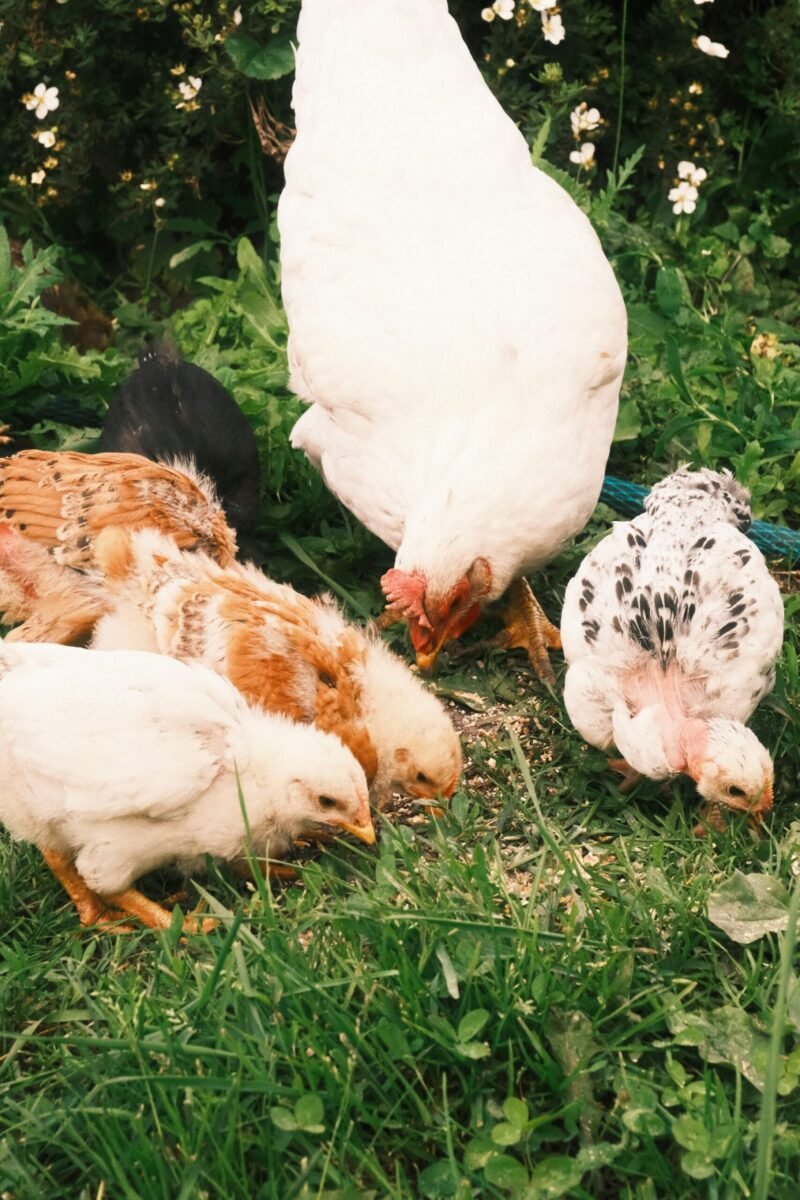
They should know the coop location, so at the end of the day, they need to return their coop.
Don’t allow new chickens in the flock to free range until they are used to their coop and surroundings.
2. Establish a Routine
To set a fixed pasture or free-ranging time, open the coop at the same time each day.
If you don’t want your ladies laying eggs outdoors, you can keep them in the coop until 10-11 am. By this time, birds have completed their chores.
When the flock is out on pasture, you can clean the chicken coop without disturbing them.
In the summer, the morning and evening are the best for chickens to pasture. And feed them in the coop before sunset.
They find more natural forage in the summer, while they require higher feed needs from you.
3. Use Treats for Recall Training
You need to carry some snacks or treats in your pocket. Use scratch grains, seeds, or mealworms.
This helps you keep the flock out of a specific area of your yard. You can also drive them to the run and coop with treats.
Chickens learn some particular calls, sounds, and routines quickly.
You also train them to stay alert when you see some predators around. I often produce a low rolling growl.
4. Lock Chickens Up Before Dark
After dusk, your chickens need to return to their shelter voluntarily, as predators are most active at night.
First, you need to train them with feed and snacks, both inside and around their coop. Then, they are habituated after a few days.
When they return to their coop, count each head before locking the door.
Besides, you can easily protect your chickens from predators.
Final Thoughts
I allow my heritage chickens to free-range in my backyard garden and around their coop and run every day, except on rainy and snowy days.
But I suggest you avoid letting young chicks roam too early. Wait until they are 6-8 weeks old and fully feathered.
Also, don’t skip feeding your chickens even though they forage all day.



Leave a Reply