
I started a journey with a gilt. When I bought it, she was a little, cute, and so calm that she adapted to my homestead in a couple of days.
After a few months, she farrowed 9 piglets. But I had no plan for lots of herd at that time, so I sold 7 of them and kept two with the mother sow.
For me, raising pigs is easier than raising goats. Here is how you can start!
Start with Piglets…
You can buy piglets as long as they are 6 or 8 weeks old. If they are 10 weeks, you don’t need to feed them starter feed.
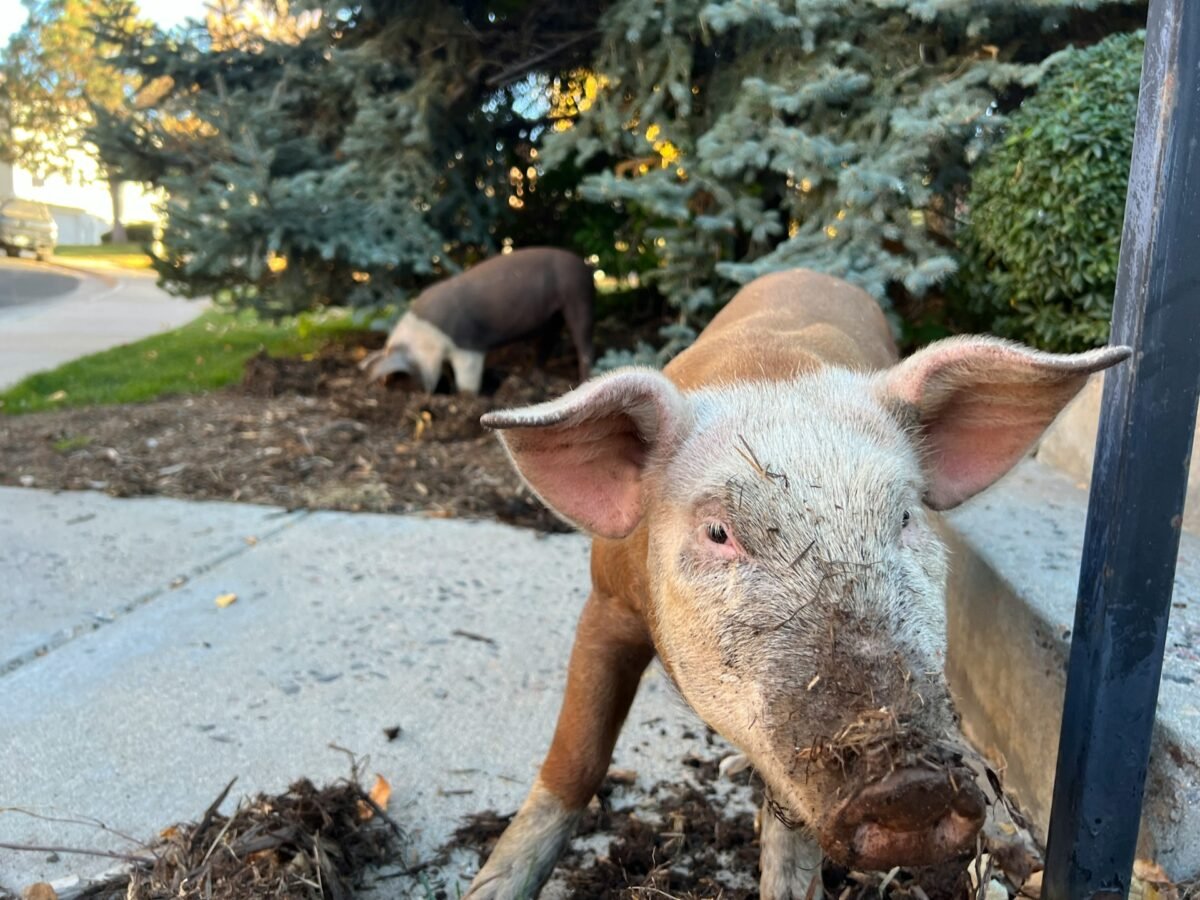
It’s good to bring piglets in the spring and raise them until fall or early winter if you want them for meat.
This way, you need not worry about caring for them in the winter.
The longer piglets are allowed to nurse, the higher the price you need to pay. Though there are several pig breeds for meat production, you should select heritage pig breeds for sustainable breeding and high-quality meat.
Commercial pigs are only about production.
Heritage pigs are self-sufficient livestock that go out in the field and start rooting, digging the ground.
They can fill themselves in the free-range setup. So you can save on feed costs with them.
If you want to raise pigs for meat and spend only 6-8 months on the herd, you can get some boars.
But if you want to multiply your livestock population, you can raise a couple.
How Many Pigs Should Beginners Start With?
A lot depends on how many pigs you want on your farm or homestead, but I recommend starting with at least 2 pigs.
Pigs are social animals and make better companions than most other animals. A single pig may suffer loneliness and boredom.
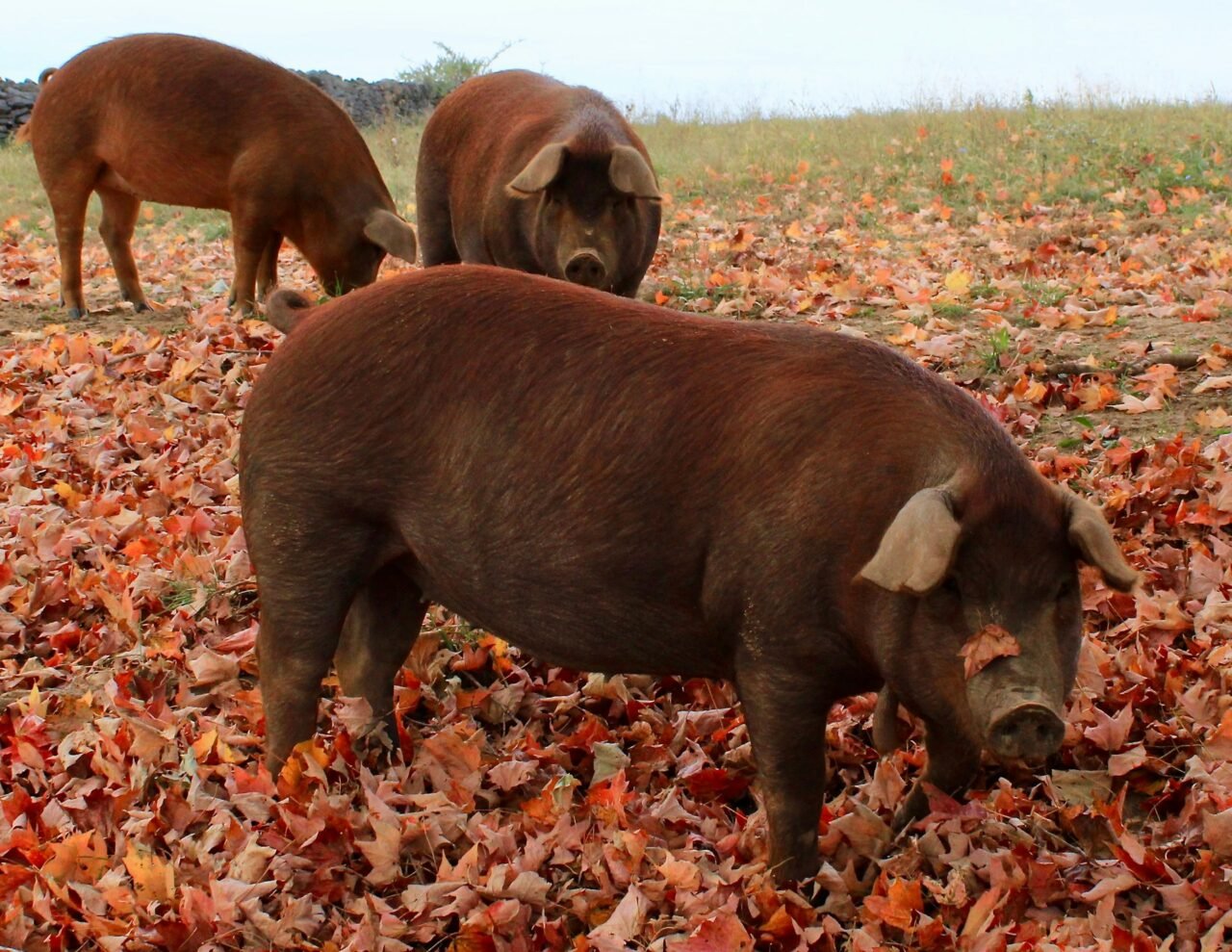
You might want to think about the workload, feed costs, pasture systems, outdoor pens, and barn confinement systems.
Thus, space requirements, time commitment, and budget planning will be key to deciding on the herd.
The other time, you can add 2-4 weaner pigs to raise until market weight. This will give you a picture of how much effort you need to put into your herds for next year.
Once you’re comfortable raising a couple of seasons, you can slowly increase the herd and harvest a larger production.
Setting Up Pig Housing and Fencing
Shelter Requirements
You can build well-constructed barns, sheds, and hoop structures. These shelters need to have ample shade, a dry sleeping or nesting area, and protection from wind, rain, snow, and sun.
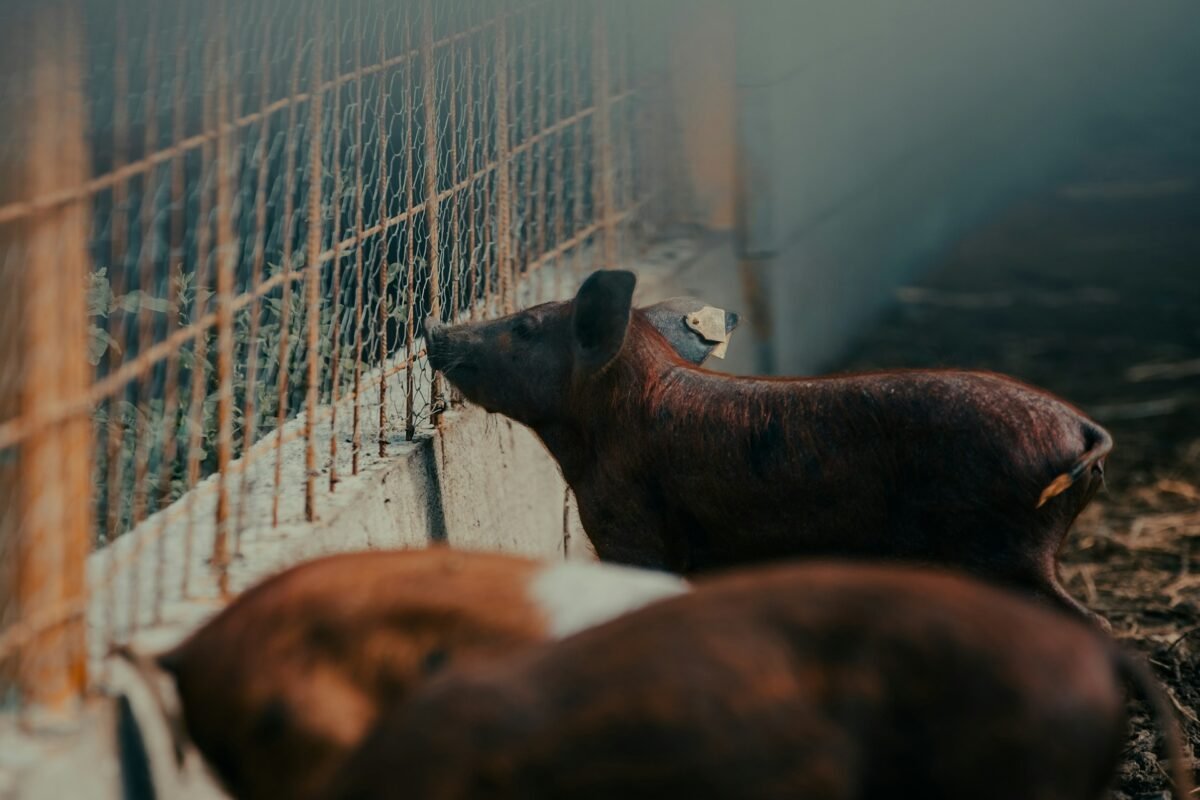
The housing for pigs should be big enough to ensure that they are comfortable and not lying on top of one another.
If you plan to raise a large number of pigs, you may require separate areas or shelters to separate them when they are unwell.
Do you know pigs break down their shelter?
They plow the ground and uproot the loose structures buried in it. Or they rub their body against the wall.
So, you need to build a solid shelter using lag bolts (not screws).
I recommend you use 2 x 6-inch lumber, not 2 x 4-inch lumber. Avoid using treated furniture.
Best Fencing for Pigs
If your piglets are only a few weeks old, you can keep them in the cattle panel, hog panel, or pallet pen.
They do well in these structures until they are 12-15 weeks old.
Then you can transfer them behind electric netting, string, or woven-wire fencing. Before that, you need to train them not to go near or chew the fence.
Mud and Drainage Management
To keep your herd healthy and growing, you need to keep the pigsty clean and dry.
To make it possible, there should be a proper drainage system that quickly carries away urine, wastewater, or rainwater.
So, the shelter is free from clogged water and waste, preventing mud buildup and bad smells.
Though pigs love lying in mud or on wet surfaces, dry floors always reduce the risk of disease.
The unhealthy or wet condition only increases the growth of bacteria, worms, and foot rot.
Space Requirements
Actually, pigs don’t complain about the less space to live and play. They are happy as long as they can sleep, eat, and root.
If you want a herd in the permanent pen (no plan to move them), they require 8×10 feet of space per animal.
The more space they get, the less smelly the pigsty is. For this reason, permaculture farms provide ample space for pigs to live and work.
¼ of an acre will be enough to raise 2-3 pigs if you want to keep them in a rotating pasture outdoors.
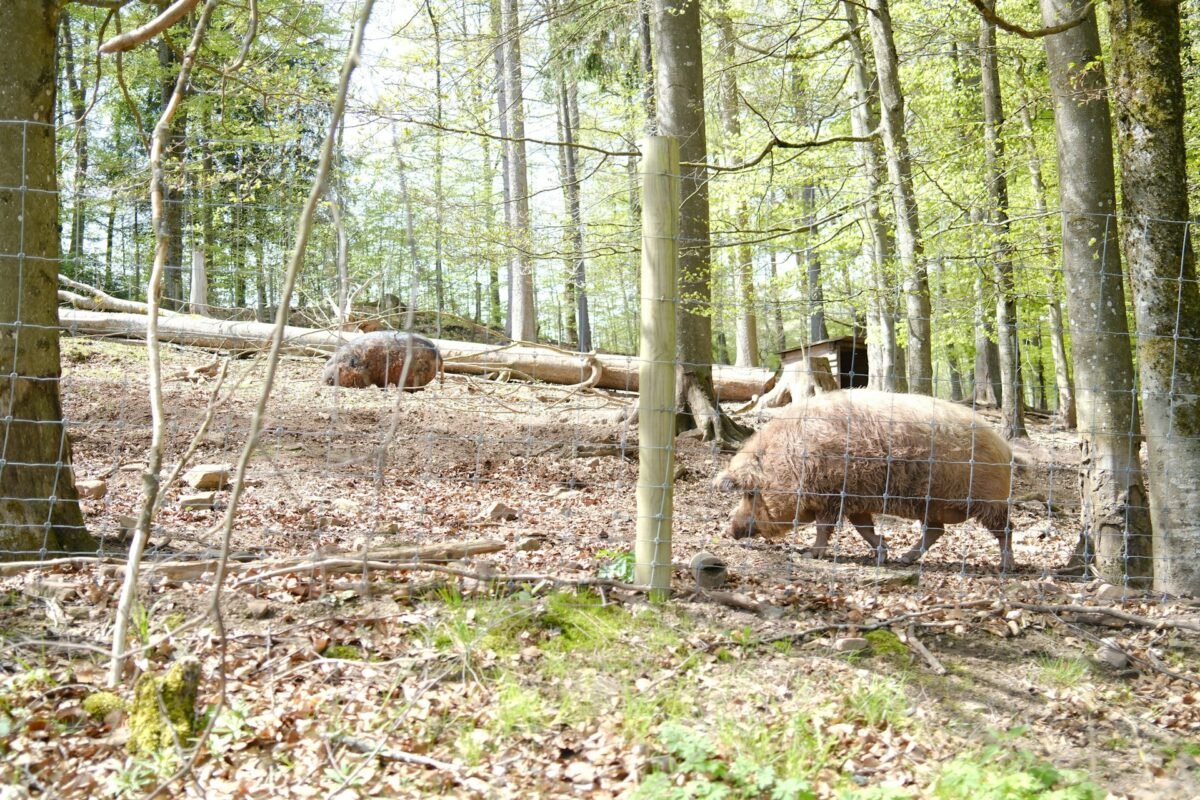
They are small earthmovers. If you want to clear some bush on your farm or homestead, they can do the job without a machine.
What to Feed Meat Pigs
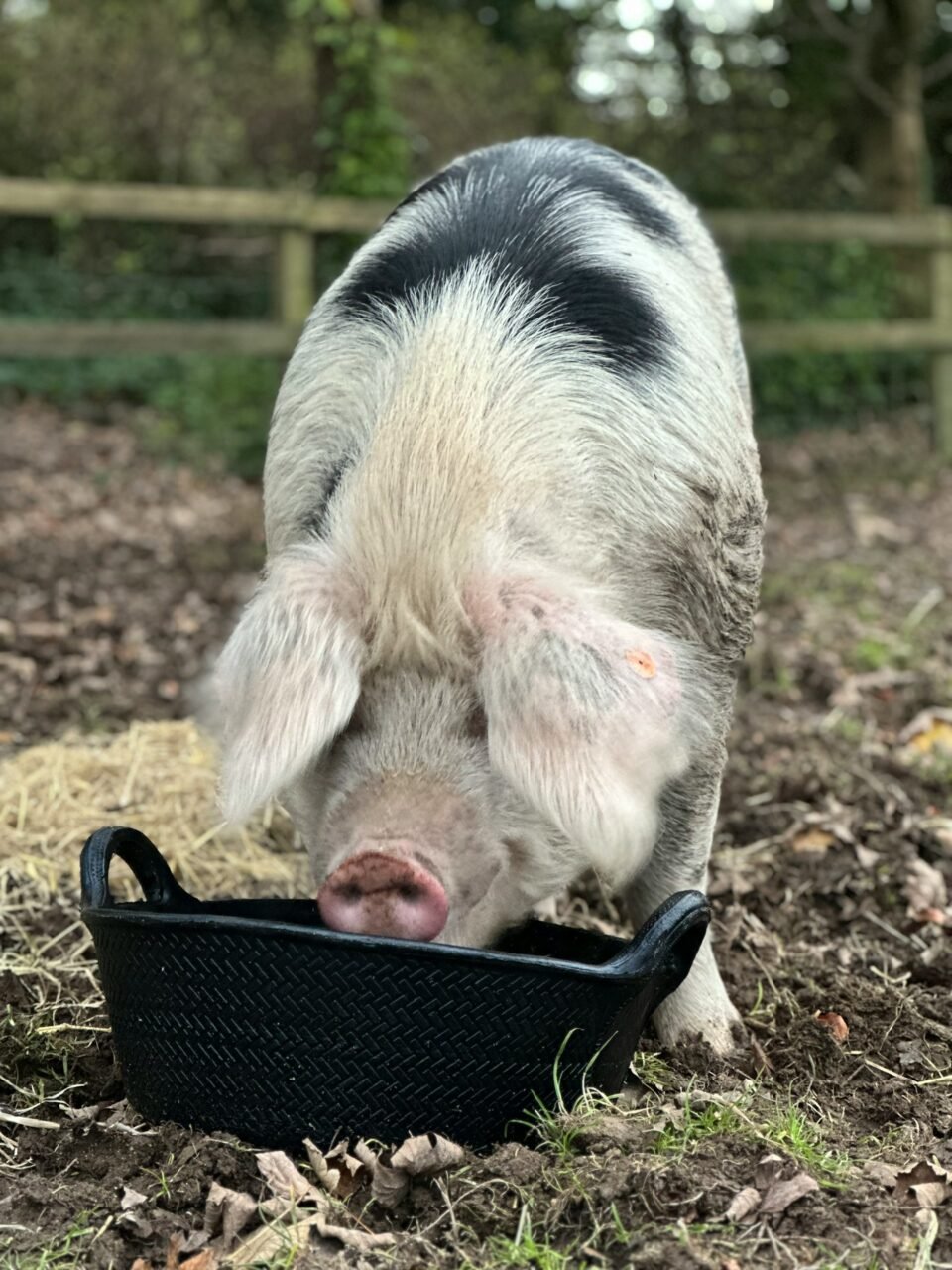
I often feed my pigs from a local feed mill. Bulk bags of 100-500 lbs of feed are available. The other times, they would have 55-gallon drums with sealable lids.
Before feeding, I mix this feed with water to make a slop. When I have some surplus potatoes and cabbage from my vegetable garden,
I boil them and feed them to my animals.
If you keep protein up while reducing filler to about 18-20%, you will get higher-quality feed and less fat for your pigs.
There are lots of supplements for pigs.
You can give day-old bread, which can add more fat to pork.
When talking about quality meat, I can tell you hickory nuts and acorns from around your farm can help you with pigs.
So, if you have oak trees, acorn porridge makes a nice snack for hogs to produce rich pork.
For this, you need to collect acorns and crush them. Then rinse the acorn meat a few times to remove most of the tannins.
You want to mix in other grains or vegetables, but the acorns are high in protein.
Table scraps, vegetable scraps, garden surplus, or lawn clippings can be fed to hogs to reduce feed costs. You can feed fallen fruits or vine fruits to hogs.
Discounted bread, corn, or soybeans, plus pig feed pellets, make a great meal for pigs.
Learn what to feed pigs and what not on your homestead or farm.
Pig Health Care Basics
Common Pig Health Problems
1. Worms
Internal parasites such as roundworms, whipworms, lungworms, and red stomach worms. You won’t see them, but pigs’ behavior says it all.
Mites, ticks, and lice are external parasites that are visible in the pigsty.
For internal worms, you may need deworming products (consult a professional).
To remove external parasites, keep the housing or pen clean and sanitized.
2. Respiratory Issues
Crowded livestock and poor ventilation can cause respiratory health problems. You can witness pigs sneezing with runny discharge and runny eyes.
The animals have reduced food intake, leading to slower growth.
So, you need to make ample room for animals in the closed shelter. You may need a portable shelter and add some windows to the closed pigsty.
3. Heat Stress
Summer heat can raise temperatures, which can cause heat stress in extreme conditions.
This makes pigs inactive and uninterested in eating.
Pigs housed outdoors often suffer from sunburn. To relieve them, apply a bland oil, such as mineral oil, on the affected area.
Shift their shelter to a cool and shade area where there is appropriate airflow. Make sure it has wallows, or shallow mud pits, under the canopy.
On summer days, I often wash my hogs with cool water and let them relax in the damp pit.
4. Foot Injuries
Pigs with foot issues often have lameness and painful, swollen claws. Keepers can also notice cracks at the sole-hoof junction.
The main causes of this can be poor floor or concrete surfaces, or the presence of sharp objects in the shelter.
So, you can use straw or shavings as bedding if possible. And wash and disinfect the concrete floor to avoid foot rot.
Vaccinations and Deworming
I’m not a big fan of vaccinations or chemical dewormers, as I want my animals to be organic and free of mutations.
So, I use garlic granules instead of dewormer. You can mix 1 lbs of garlic with 1 ton of pig feed.
Besides, to keep my livestock free from parasites and infection, homemade oregano oil is all you need.
If your pigs have scuffles or develop injuries, you can apply geranium essential oil. Tea tree oil is also good for cuts and scrapes.
Note: These are my homemade remedies and may not work for your herd. Before using them on your livestock, please consult a professional.
Processing Meat Pigs
You need to raise anywhere between 5 and 8 months (which is roughly 22 to 26 weeks) to get the market weight.
But if you have weaned feeder piglets (maybe around 8 weeks old), you have to raise them from 3 to 6 months to get 220 to 280 lbs.
During this time, pigs are fat-free and not tough.
The longer you raise hogs, the higher the chance that they will put on fat and produce gristle.
I love raising heritage pigs that have an average live weight of 180-250 lbs at butcher. To get 280 lbs of weight, you need to raise your livestock for 8 months.
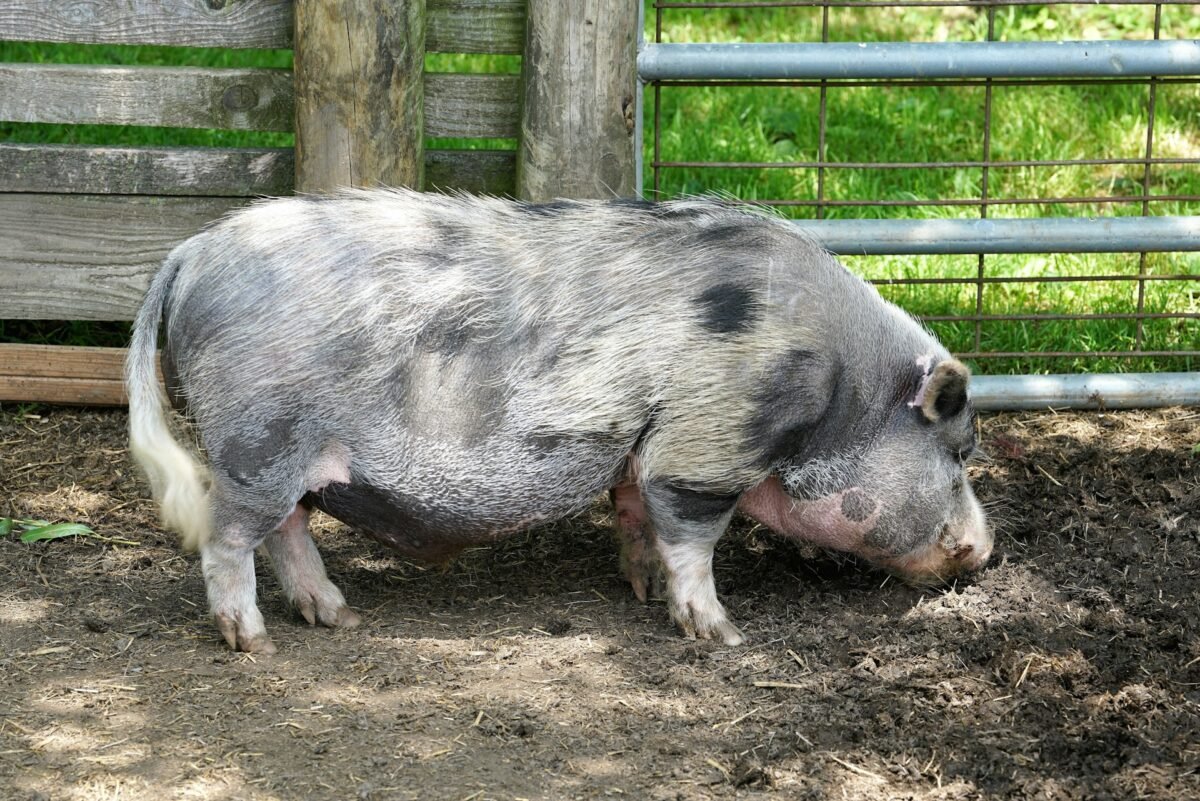
And sometimes you need to cater to lard pigs for a year or a year and a half to get market weight.
You can expect the hanging weight to range from 160 to 225 lbs out of a 180-250 lbs pig of live weight.
Hanging weight = (meat + bones) – (head + feet + organs)
If you want improved flavor and lots of meat there, you can keep some crossbreeds.
For example, I often try 2-3 pigs at a time, which are the result of crosses among Red Wattle, Berkshire, and Duroc.
I raise them until they are 350 lbs, which takes about 8 months, but sometimes 10 months (as I like little fatty pork).
On farms, commercial pigs are raised for 6 months until they weigh 280-300 lbs.
Though heritage pigs grow more slowly than commercial ones, they are well worth it for the quality of their pork.
You can process your pig into popular cuts such as bacon, ham, pork chops, and sausage. Also, plan the freezer space and packaging for the processed pig.
Final Thoughts
I find raising pigs beginner-friendly. All you need to provide them with is an ample, nutritious diet and treats.
They are voracious animals that grumble when you go near them.
They’re hardy enough and perform better than other livestock in terms of space efficiency. You can harvest pork at the same time you spend raising heritage or hybrid chickens.


Leave a Reply