
Many believe pasture- raised, free-range, and organic chickens are produced under the same system.
On homesteads and small farms, the keepers mix up farming methods with whatever is available to them, after getting their birds out of the coop.

I’m not telling them what you should do, but I want to share some concepts and ideas that label chicken farming methods apart.
Pasture-Raised Chickens
Pasture is a close-to-natural setting for chickens to explore, forage, and play. The chickens leave the coop to pasture on the faraway land.
They can do it all day long and are more likely to peck at grass, bugs, and fruit.
Unlike caged and commercial chickens, pastured-raised chickens enjoy free-range access to forage, nature, sunlight, and fresh air.
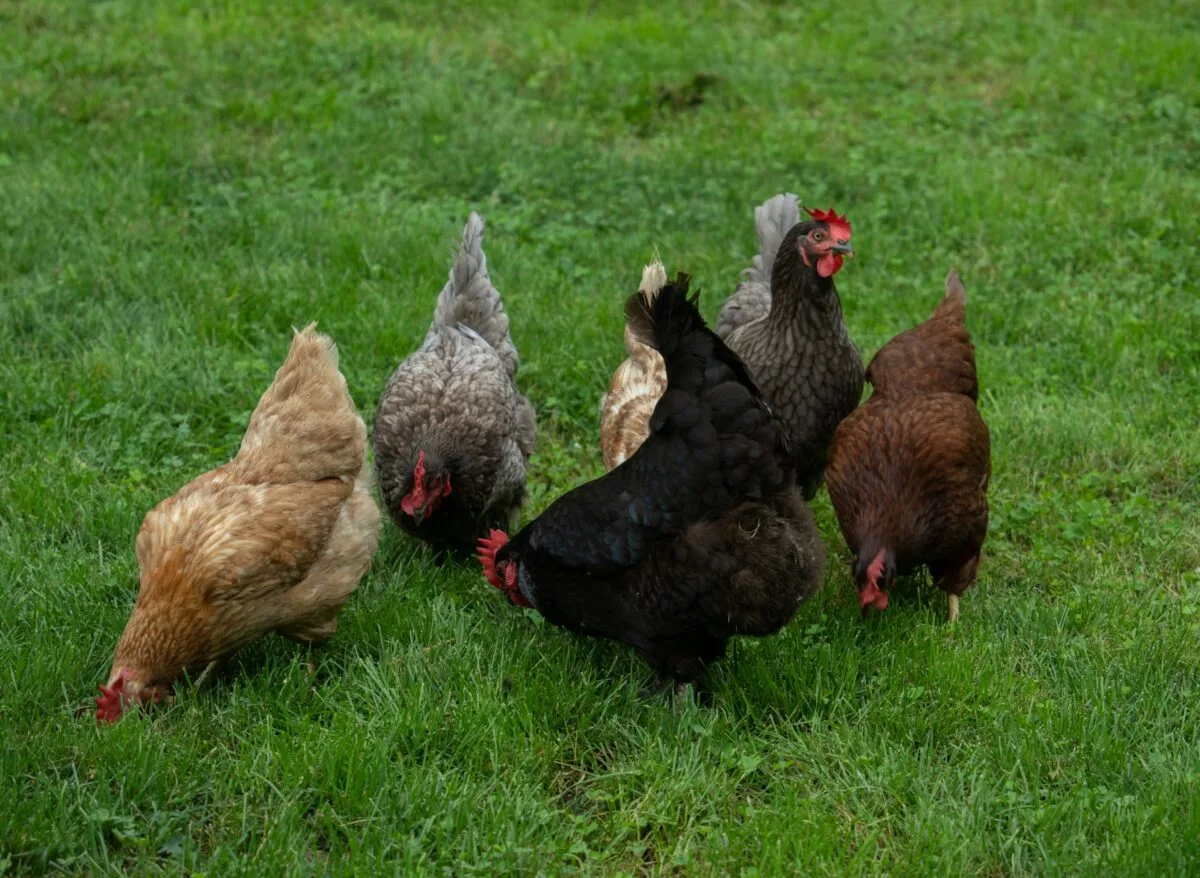
They create holes to dustbathe in the shade in the summer and under the sunlight in the winter. Most often, this type of farming system is near the woodland or forest.
Birds need access to a fresh pasture for at least 6 hours.
Hens are free to nest anywhere and lay in the dry grass or in the hidden potholes.
If you allow, pastured-raised chickens perch in the tree and come down in the morning.
So, these chickens eat natural feed or nutrition most of the time and keep exercising throughout the day; their bodies remain healthy, and they maintain a healthy weight.
To farm pasture-raised chickens, you need to have a large property and a rotational grazing system.
So that birds cannot overgraze the grass, and bugs and worms populate in the meantime, for the next session of pasturing.
Pros
- Chickens become healthier and more active birds.
- The birds can enjoy a diverse diet every day and experience natural, healthy growth.
- They produce higher-quality eggs and meat.
- As you do not need to spend much on feed, pasture-raised chickens make a sustainable flock.
- They show more natural chicken behavior.
- In the larger area, the chicken flock’s waste is managed well.
Cons
- It can be a labour-intensive farming system.
- Though you can save a few pennies on feed, the system requires a larger startup fund.
- This farming method needs more land, which is not possible for urban and small homesteaders.
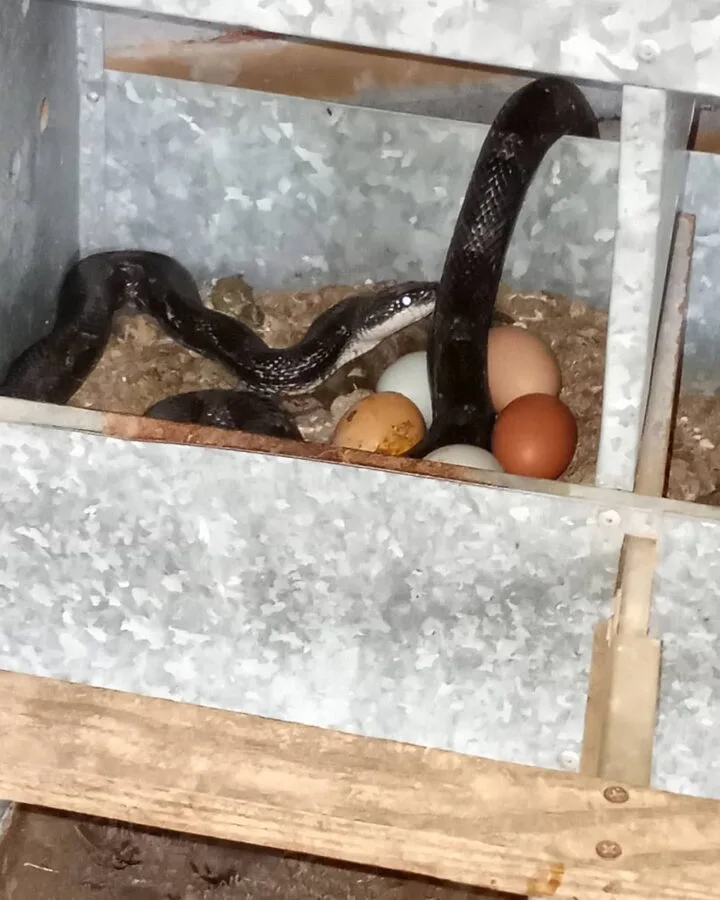
- The birds are open in the pasture, so predators keep a close eye on the flock.
Free Range Chickens
Free-range chickens are farmed in a limited space to roam and forage. Actually, they live in the coop or barn with added outdoor access.
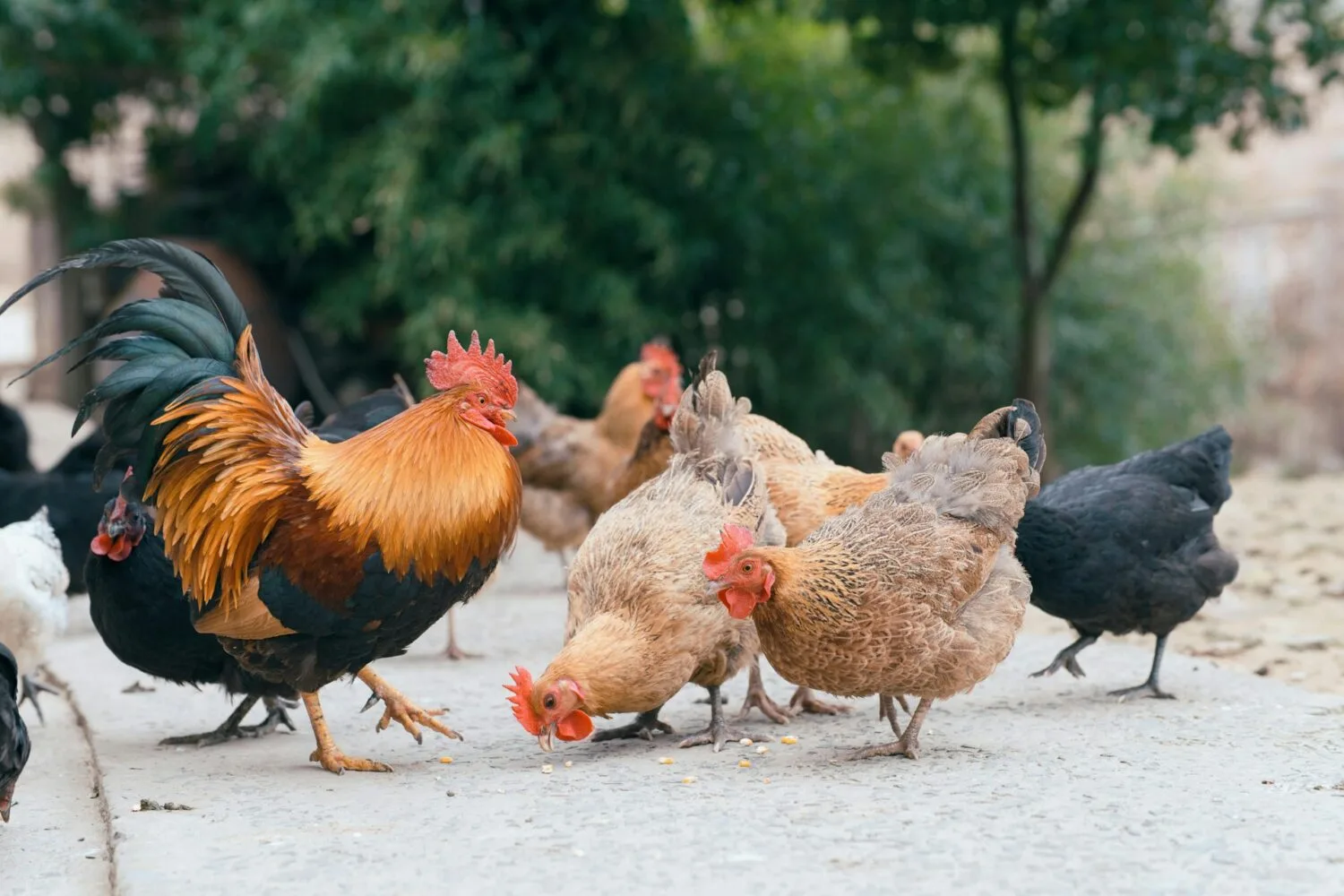
In this sense, chickens are kept in confinement with extra space for exercise and play, which results in the construction of chicken runs.
Though they are free to range within a certain distance, they’re cage-free, but they cannot travel far. They roam around the barn, the small backyard, the patio, and the porch.
You will find such a chicken-farming setup on a small or backyard homestead. Commercial farms may also do it.
Though chickens can have sunlight and fresh air, they have limited resources. No green grass, little space to forage for greens and bugs.
So, you need to spend heavily on their feed.
Pros
- It’s beginner-friendly with less experience.
- You can start it without breaking your wallet.
- The system is workable in the smaller spaces.
- I think it’s better than confinement or cage systems.
- The flock of chickens can be safe from predators most of the time if they have a secure coop nearby.
Cons
- It has limited forage, so you need to buy large quantities of bags of pellets.
- You won’t see greenery around your chicken coop, as there is possible overgrazing near the coop.
- And birds won’t find diverse nutrition.
- Chickens may leave their waste everywhere they go; their coop and free-range setup can be full of waste and odor.
Land Requirements for Each System
90% of chicken eggs in the United States come from caged farming.
In this system, the bird flock is confined to cages or poultry housing as long as they lay eggs. These chickens get 67 square inches per hen. And mostly they eat a diet of cracked corn or soy.
Anyway, pasture-raised chickens need to spend most of their lives on active pastureland with rooted vegetation.
In this farming system, chickens require at least 108 square feet of space per bird.
If you want to raise 1,000 birds, you have to provide them with 2.5 acres of land. This helps protect the soil health from chicken waste and helps avoid overgrazing the field.
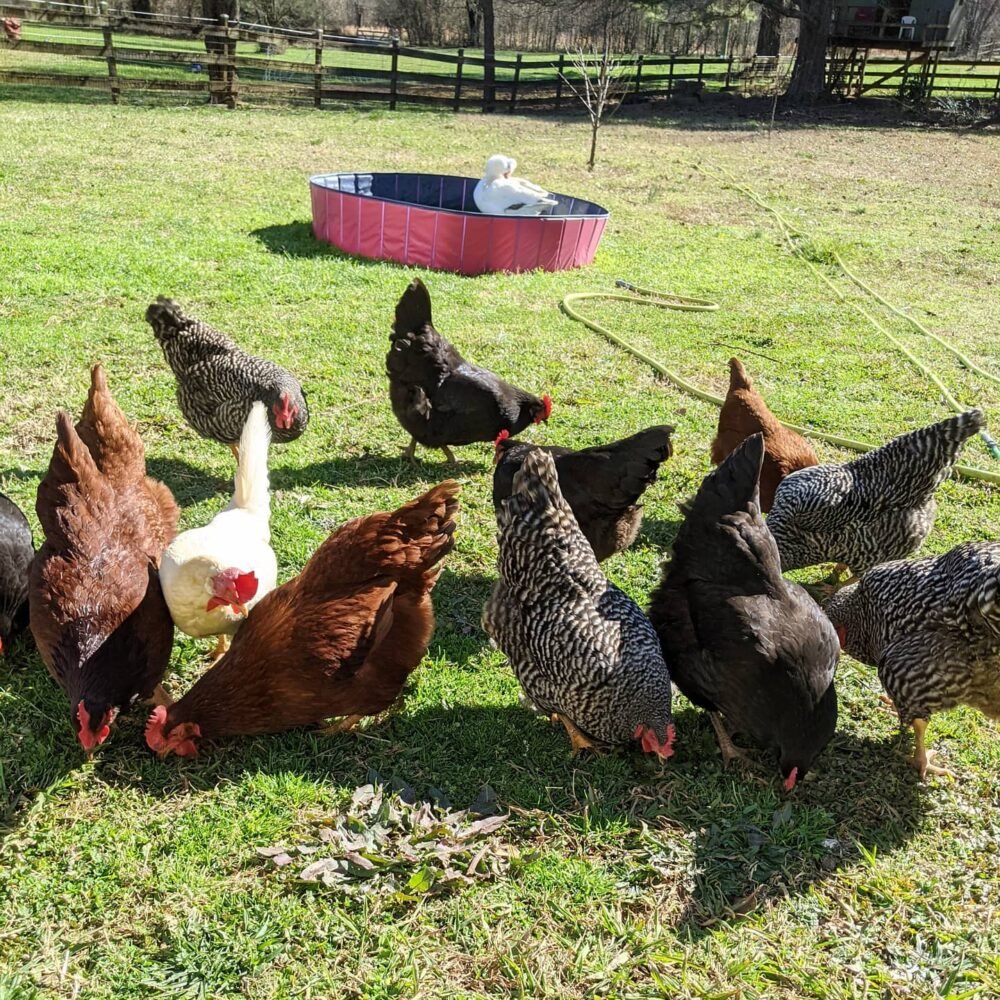
So, pasture-raised chickens will be suitable for a multi-acre homestead or farm.
Free-range chickens have limited outdoor space. According to the USDA, each bird requires 2 square feet of outdoor access in the system.
This would be a great choice for backyard farming.
Feed & Care Requirement
Many tag pasture-raised and free-range chickens as organic, but they are different.
“Organic”- labelled chickens are raised without antibiotics, added hormones, or genetically modified feed or pellets.
Keepers need to feed birds 100% certified organic and GMO-free feed and strictly avoid animal by-products.
In this case, pasture-raised farming is close to fulfilling the requirements of organic chickens. But again, they are still different from organic chickens.
These chickens get most of their diet (30%) from forage (grass, seeds, bugs, worms, and grubs) found in the pastureland.
For the remaining diet, you need to feed the bird supplements. You can grow plants for chickens or make homemade chicken feed to reduce feed costs.
In the pasture-raising system, you need to protect your chickens from predators. For this, you need to install fences or assign some farm dogs.
Besides, the system has high labor costs.
Unlike pasture-raised chickens, free-range chickens are fed store-bought feed because they have limited space to forage.
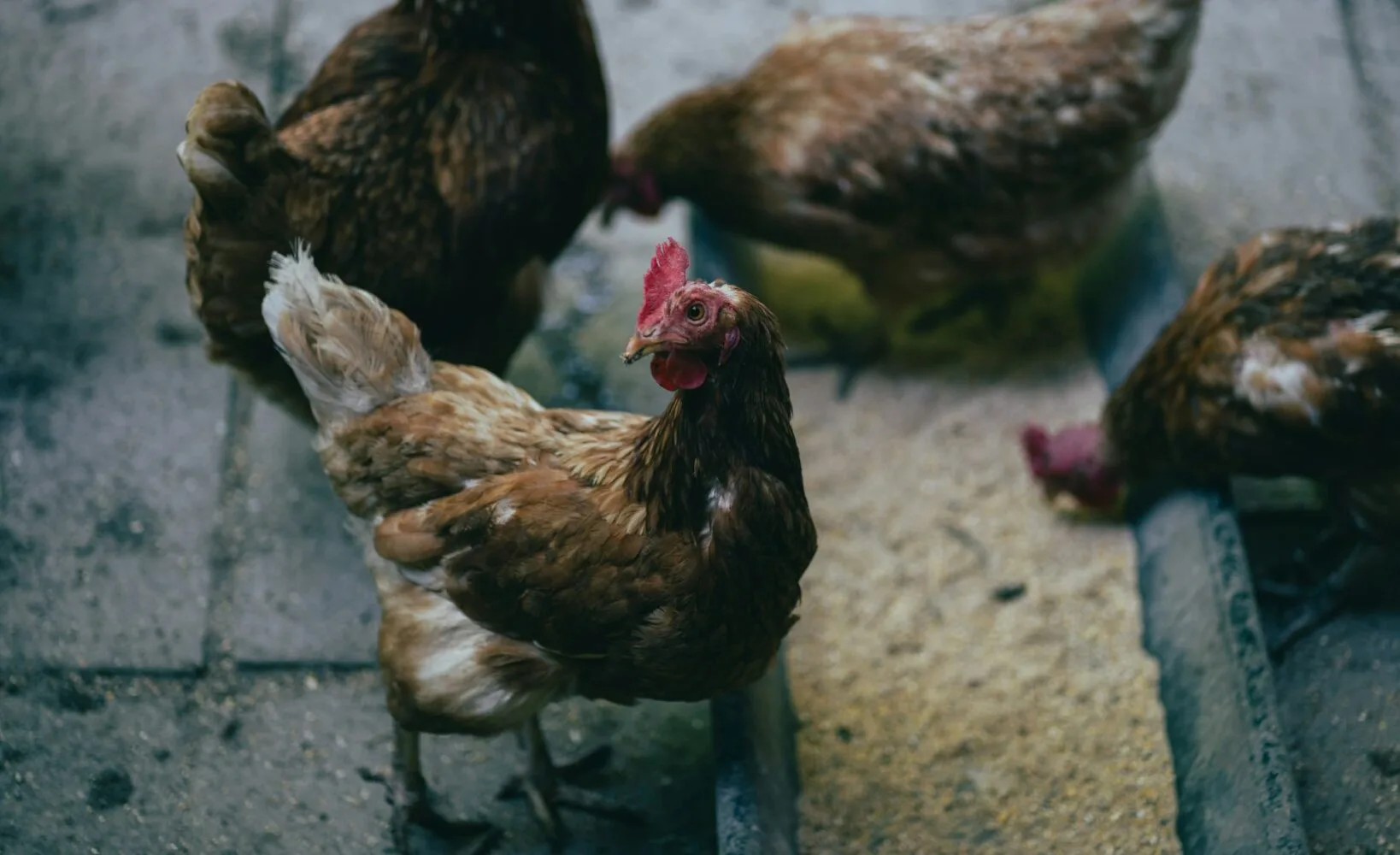
They are around the barn and coop, so whenever they feel a possible threat, they can enter their shelter. You only need to train them.
Egg and Meat Quality
I have really found the difference between eggs produced in both systems.
Free-range hens lay eggs, which contain 3 times the vitamin D3 in their yolks than eggs produced by caged birds.
And pasture-raised hens have 2.5 times more omega-3 fatty acids in their eggs than those laid by caged birds.
While free-range and caged chicken eggs have yellow yolks, pastured chicken eggs produce darker (orange color) and richer yolks.
Chickens raised in the limited free space and fed commercial pellets heavily don’t have much difference in meat texture and flavor compared to caged chickens.
But you can easily find the texture and flavor of meat from hardbody chickens. Thanks to their healthy weight, they produce leaner and more flavorful meat.
Their meat has 21% more omega-3 fatty acids and 30% higher vitamin E content. Also, higher percentages of Vitamin A and Vitamin C.
Besides, they have a lower Omega-6 ratio, 21% less fat, and 30% less saturated fat.
Final Thoughts
Keepers unintentionally swap between pasture-raised chicken and free-range chicken, and it doesn’t create a problem until everything works for you and you raise the birds only for yourself.
You need to keep these separate and follow the strict standards if you plan to sell your birds.
If you focus on low stocking density, natural forage, and outdoor farming on a large area, you can keep pasture-raised chickens.
And if you have a small backyard and still want your chickens outdoors, either in a pen system or with limited outdoor access, free-range chickens would be a good choice.




Leave a Reply