
As soon as November hits, I stop my old hens from sitting on their eggs. I start storing more eggs and preserving them instead.
From your cool crop garden to livestock in the barn, you need a plan to run your homestead in winter. And keep household chores even more active.
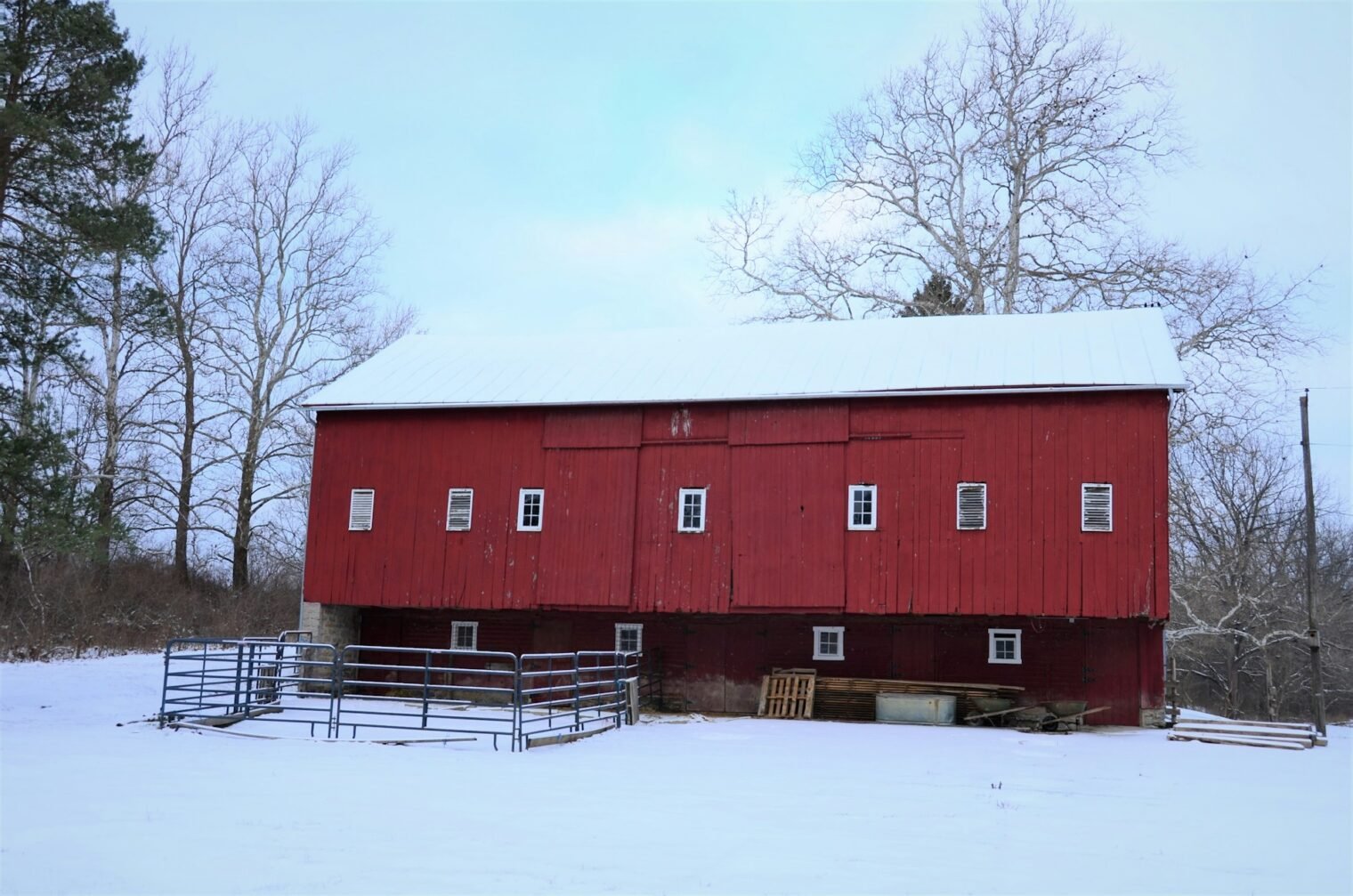
Outdoors is a difficult life, but indoors is leisure, and you can still be productive. I tell you the best homestead winter activities or projects you can do this year.
1. Plan Your Spring Garden
In the first year, I planted the seeds too deep in the raised bed, and only half of my pumpkins sprouted.
But it wasn’t all that much trouble in the garden. The cilantro and garlic were my easy crops that never ran out in the kitchen.
Okay, you have harvested the crop, and now you have to review the experience and decide whether you’re going to continue growing them.
Or just try new vegetables next spring.
Now’s the best time to plan next year’s vegetable, herb, and flower gardens in your backyard. Create your own planting calendar, plan crop rotation, and organize garden beds for a better harvest.
You can also make a list of crop seeds, gardening supplies, and utensils, and review your budget before spring.
I often keep a dedicated garden notebook (you can put your experience in your diary) to record planting dates, harvest results, and lessons learned.
2. Start Seeds Indoors
Though it is winter and you cannot grow plants outdoors, you can still start seeds indoors. Make sure you sow seeds 6-12 weeks before the last frost to plant in the growing season.
Some vegetables and herbs you can start are tomatoes, peppers, onions, broccoli, and basil.
I recommend you collect seed trays and a quality seed-starting mix and manage adequate lighting, moisture, and proper temperatures indoors.
Check the local planting dates before starting seeds. The seeds are only viable for 2 years. Don’t use old seeds.
Record the germination date and keep the seedlings labeled so you can track their progress.
3. Build or Improve a Cold Frame or Low Tunnel
Cold frames or low tunnels are a great way to extend your gardening season and help you harvest even in the winter.
They protect cool-season crops from wind, frost, dew, and harsh weather. This helps trap warmth inside or underneath and keeps the soil from getting cold.
And you can make these structures easily with affordable or free materials such as reclaimed windows, wooden frames, pallets, PVC hoops, and row covers or polythene.
If you’re only a beginner, you can get a PVC hoop house for your raised bed.
These are useful not only in winter but also during the rainy season.
So, make sure you build these structures so you can expose the crops to sunlight on sunny winter days and after rain during the growing season.
4. Grow Microgreens & Fresh Herbs Indoors
Though plants are dormant outdoors, you can still grow some fresh microgreens and herbs indoors.
Microgreens such as radish, broccoli, sunflower, and pea sprouts, and herbs like parsley, basil, mint, and chives.
You can grow these in small containers such as planters or pots, old buckets or baskets, and wooden crates.
Fill the container with potting mix or growing medium, mix well, and sow seeds in a line. Provide it with grow lights for 16-18 hours and regular watering.
You can also move the container into the sun if available.
This way, your kitchen never runs out of ingredients. I share a pro tip: if you pluck cilantro from the garden, put it in water with its roots down.
This will help you keep them fresh for a week or more.
5. Prune Fruit Trees and Berry Bushes
This time, trees and bushes go dormant, so they don’t need to grow. This helps you see the structure clearly and prune many fruit trees and berry bushes without disturbance.
You can also remove pests and damaged, diseased, and crossing branches.
Pruning also improves airflow, encourages healthy growth, and makes harvesting easier.
I prune the trees in my yard that shade my home so it gets more sun in the winter.
Apple, pear, and certain stone fruits are a few trees that need pruning during dormancy. But some others may need pruning in the growing season.
6. Try New Homestead Recipes and Batch Cooking
You’ve lots of time indoors to try different recipes out of your homegrown herbs, harvested eggs and meat, stored vegetables, canned foods, and other available ingredients in winter.
I love cooking and make two meals for my family.
So they expect me to prep homemade soups, stews, bread, slow-cooked lentils or split peas, roasted vegetables or vegetable curries, casseroles, and stock.
Besides, I have a list of new recipes to try or create (at least for me).
7. Learn Food Preservation Techniques
When warm weather often helps break down the food, winter saves it and keeps it fresh or edible for weeks.
So, you can store and consume the food on cold days until the next harvest without being skinflint. And this is a perfect time to develop food preservation skills.
I have tried some preservation methods such as pressure canning, water-bath canning, dehydration, freezing, and fermentation.
It’s good to preserve crops as soon as you harvest them. I find time to do these on winter days.
Canning cucumbers, tomatoes (especially berry tomatoes), and carrots in the jars makes me feel really happy.
8. Keep Livestock Water Fresh & Prevent Freezing
As soon as the outdoor temperature drops (around 0℃), the water starts freezing. That’s why you may have seen a pool of water freeze overnight.
Winter is cruel to water pipes, faucets, troughs, waterers, buckets, and outdoor watering systems.
When water freezes, it expands and can clog lines, breaking or damaging pipes and containers.
So, you may need insulated water containers, safe heated waterers, and protected water lines. I have tried practical ways to keep livestock water from freezing. You can check them out.
9. Repair Fences, Gates, and Other Homestead Infrastructure
With livestock inside their shelter, you have time to inspect fencing and property boundaries. There is heavy traffic in the pasture and grassland during spring.
So, check loose fence posts, damaged wire, old panels, broken gates, latches, and weak sections.
Take your time to rebuild and rearrange structures.
Besides, poultry coops, pens, and herd or cattle sheds also need fixing if they have broken windows, roofs, or doors.
This is also a time when predators visit the animal shelter more than usual, as livestock stay in the same place most of the time.
So, you need to identify the spots or areas where predators enter.
If you’re in rural areas, they are frequent visitor. Also, you need to keep deer out of your yard and garden.
10. Cut, Stack, and Organize Firewood
I suggest you grow your own plotland with the best trees for firewood. They not only help keep your home warm but also fuel a wood stove and can be sold for profit.
For this, you need to chop trees and organize firewood by size, type, and intended use.
You have extra time to do this in winter. If you store freshly chopped firewood in winter, it seasons during the warmer months and is ready to use next winter.
When you stack the firewood, make sure it is elevated from the ground. Also, protect it from excessive moisture or snowfall while allowing airflow outdoors.
Final Thoughts
Winter isn’t a harsh time but an opportunity and extra time to learn new skills, from indoor gardening to livestock care and creating more DIYs.
Even with busy schedules, you can still enjoy winter pastimes like ice fishing, birdwatching, and enjoying meals.
Alaska, North and South Dakota, Northern New England, the Upper Midwest, Wyoming, Montana, and Idaho have long winters and bitterly cold days. Other than that, you can easily survive winter on a homestead.




Leave a Reply